Malaysia prosecutors say court ruling on ex-PM Najib did not weaken king’s pardon powers
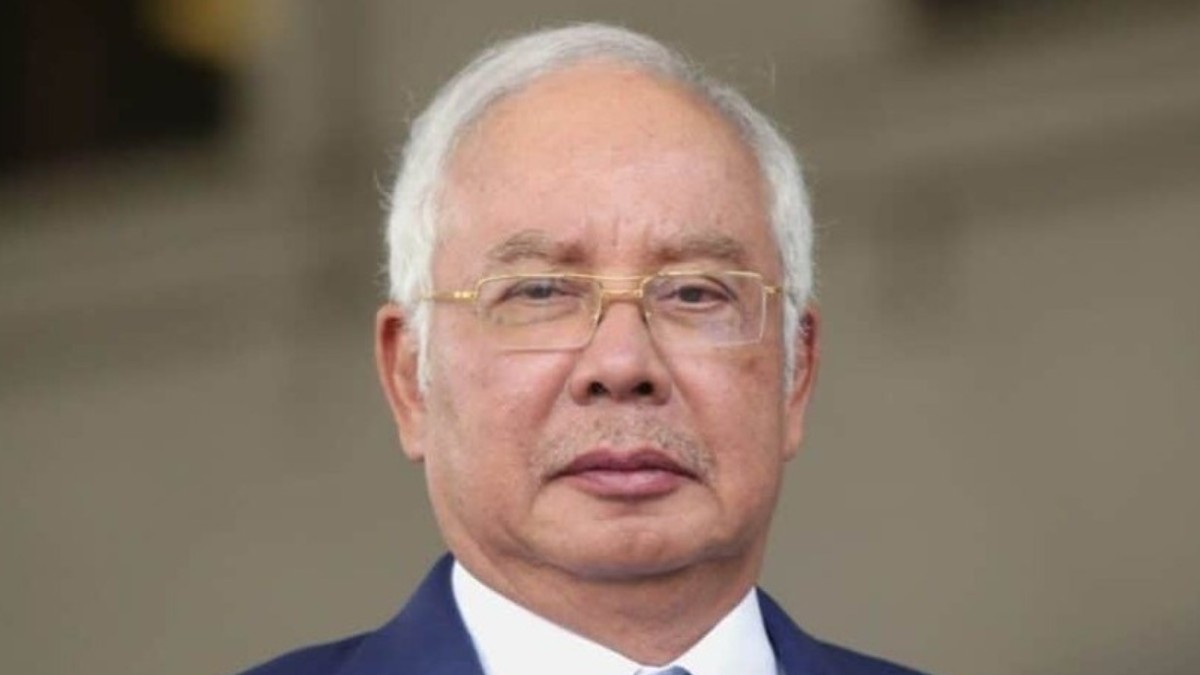
Malaysia’s Attorney General’s Chambers said a High Court ruling on Najib Razak’s house arrest bid reaffirmed, not weakened, the king’s pardon powers, rejecting claims by Najib’s lawyer that the decision curtailed royal discretion.
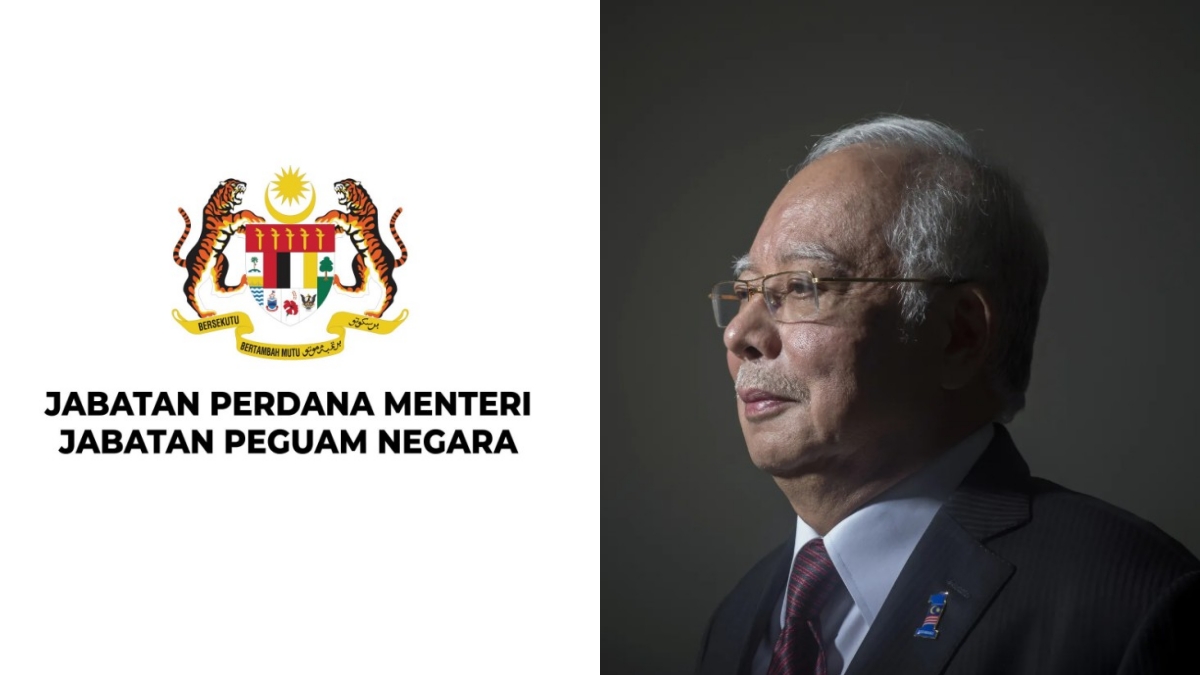
- Malaysia’s Attorney General’s Chambers said a High Court ruling did not dilute the king’s constitutional pardon powers.
- The court found a purported house arrest addendum for Najib Razak invalid under Article 42 of the constitution.
- Prime Minister Anwar Ibrahim urged calm and respect for the judiciary amid political tensions.
KUALA LUMPUR, MALAYSIA: Malaysia’s Attorney General’s Chambers (AGC) has rejected claims that a High Court ruling on Najib Razak’s house arrest bid diluted the constitutional powers of the king and Malay rulers to grant pardons.
In a statement issued on 23 December 2025, the AGC said assertions by Najib’s lead counsel, Muhammad Shafee Abdullah, were “not true at all” and did not reflect the actual grounds of the High Court’s decision.
The rebuttal followed a High Court ruling on 22 Dec, which rejected Najib’s application to serve the remainder of his prison sentence under house arrest.
Najib, who is serving a reduced jail term after receiving partial clemency, had argued that the decision by the Pardons Board to halve his sentence was accompanied by an addendum order from the king permitting house arrest.
The High Court ruled that while the existence of the addendum order was not disputed, it had not been deliberated upon or decided at the 61st Pardons Board meeting held on 29 January 2024.
Justice Alice Loke noted that under Article 42 of the federal constitution, the Pardons Board must tender its advice to the king, and the board must meet in the presence of, and be presided over by, the king.
She ruled that the addendum order, dated the same day as the Pardons Board meeting, did not comply with Article 42 and was therefore invalid.
Following the ruling, Shafee told reporters that the decision suggested all matters relating to pardons must be decided within the Pardons Board.
He said this interpretation removed what he described as the “full discretion” traditionally enjoyed by the king and Malay rulers in pardon matters.
The AGC rejected this interpretation, stating that the High Court had reaffirmed that the power of pardon remains a prerogative of the king, as guaranteed under Article 42 of the constitution.
Why the alleged addendum order was ruled invalid
However, the AGC emphasised that Article 42 also requires the king, Malay rulers and governors to convene with the Pardons Board when exercising that prerogative.
“In Najib’s case, the minutes of the 61st meeting of the Pardons Board for the Federal Territories of Kuala Lumpur, Labuan and Putrajaya clearly show that the issue of house arrest was never discussed or ordered by the 16th King during the meeting,” the AGC said.
The federal constitution provides that the Pardons Board comprises the Attorney General, the minister responsible for the Federal Territories, and three other members appointed by the king, the High Court noted.
According to the AGC, the board meeting only considered Najib’s application for a full pardon.
The order made by the then king, Sultan Abdullah Ri’ayatuddin Al-Mustafa Billah Shah, was solely to reduce Najib’s term of imprisonment and fine.
“As such, the High Court judge ruled that any purported additional order for house arrest was not made pursuant to Article 42 of the constitution,” the AGC said.
It added that the matter was neither discussed by the board nor decided by the king during the same meeting.
The AGC stressed that the ruling did not undermine the powers of the king, Malay rulers or governors in granting pardons.
“Moreover, the judge in the written judgment had recognised the prerogative powers of the King, the Malay rulers and governors, which cannot be exercised by any other party,” it said.
The AGC also cautioned against attempts to incite public disorder through misleading interpretations of the court’s judgment, according to a report by New Straits Times.
It said the chambers remained committed to defending the royal institution and upholding the federal constitution.
“All parties should respect the appeal process that has been initiated by Najib,” the AGC added.
Prime minister urges calm amid political tensions
Prime Minister Anwar Ibrahim also urged calm and respect for the judiciary following the High Court’s decision.
In a statement issued on Tuesday, Anwar said all parties should adhere to the principle of legal sovereignty and respect judicial decisions, including available avenues for appeal.
He said this respect must be exercised in accordance with the law and the constitutional powers of the Yang di-Pertuan Agong.
Anwar’s remarks came after a social media post by a Democratic Action Party lawmaker was perceived as celebrating the ruling against Najib.
The post drew criticism from leaders of the United Malays National Organisation and triggered threats of a potential UMNO withdrawal from the unity government.
The Democratic Action Party is a component of Anwar’s unity government, alongside UMNO and other parties.