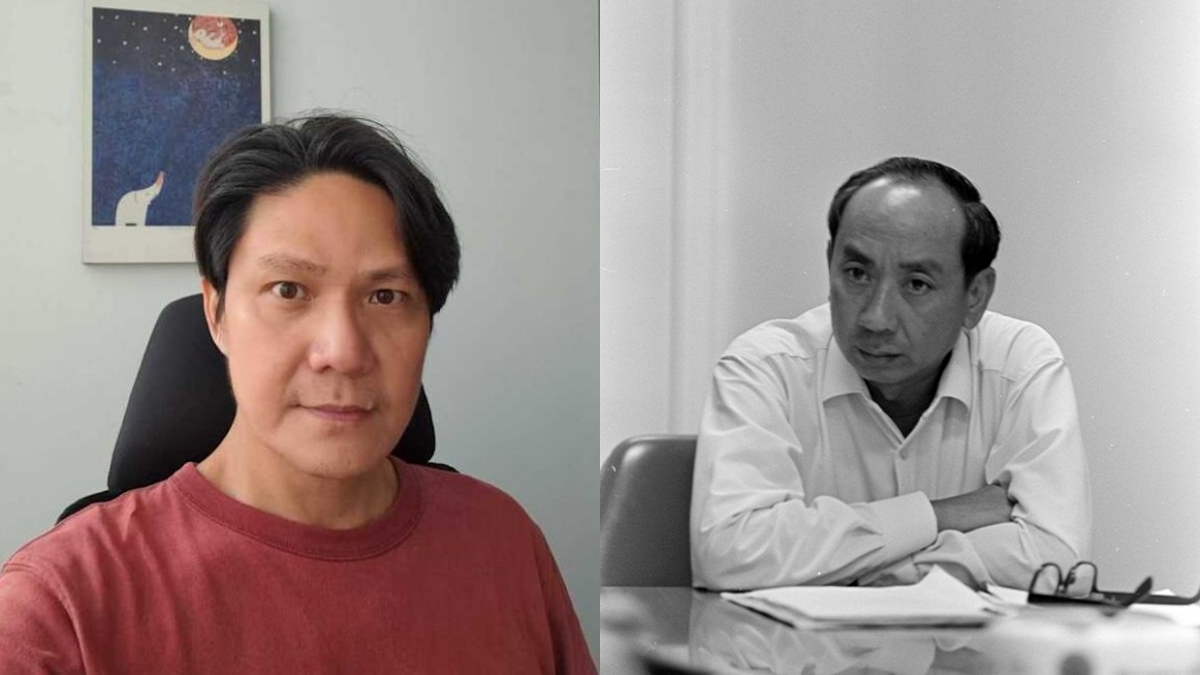
Aung San Suu Kyi's son voices deep concern over her health and isolation in Myanmar custody
Kim Aris, son of detained Myanmar leader Aung San Suu Kyi, has said he cannot be sure he would even be informed if his mother died in custody, citing years of silence and worsening health reports amid her continued isolation.
- Kim Aris says Aung San Suu Kyi’s condition and whereabouts remain uncertain, with no direct contact since the 2021 coup.
- Aris believes the junta may use Suu Kyi politically ahead of elections, potentially shifting her to house arrest.
- He urges stronger global pressure as Myanmar slips from the international agenda amid worsening conflict.
Aung San Suu Kyi's son voices deep concern over her health and isolation in Myanmar custody
Kim Aris, the son of Myanmar’s detained former civilian leader Aung San Suu Kyi, has expressed growing alarm over her condition, saying he cannot even be certain he would be told if she died in custody.
Speaking publicly during a visit to Japan, Aris said he has had no direct communication with Suu Kyi in years, with only rare, secondhand updates reaching him since the military seized power in a February 2021 coup.
According to Aris, the limited information suggests the 80-year-old is suffering from multiple health issues, including problems related to her heart, bones, and gums.
He also said she is being held in total isolation, denied access to her family and legal team.
“No one has seen her in over two years,” Aris said. “We don't know how she is, or even if she is still alive.”
Suu Kyi, a Nobel Peace Prize laureate, is currently serving a 27-year sentence after being convicted of a range of charges including incitement, corruption and electoral fraud — all of which she denies.
Aris said she is believed to be detained in Naypyitaw, Myanmar’s capital. In the last letter he received from her, approximately two years ago, she complained of extreme seasonal temperatures in her cell.
Despite the grim circumstances, Aris suggested that Myanmar’s upcoming general elections — scheduled in phases starting 28 December 2025 — might offer a narrow opportunity for the junta to ease Suu Kyi’s conditions.
He speculated that the military leadership could use the election period to shift Suu Kyi to house arrest or even release her in an attempt to ease public unrest and international scrutiny.
“The election is clearly staged to legitimise military rule,” Aris said. “But they may try to use her image strategically.”
Military authorities have not commented on his remarks.
Historically, Myanmar’s armed forces have used symbolic releases of detainees during national holidays or political transitions. Suu Kyi herself was released from years of house arrest shortly after the 2010 general election.
She later rose to become Myanmar’s de facto leader following a landslide victory in the 2015 election — the country’s first openly contested vote in decades.
Her administration, however, came under international criticism following the 2016–17 military-led crackdown on the Rohingya population, which the United Nations later described as a genocidal campaign.
Aris, a British national, defended his mother’s record, saying she was not complicit in the military’s actions.
He pointed to Myanmar’s 2008 constitution, which reserved key powers for the military, limiting civilian oversight even during Suu Kyi’s tenure.
In 2020, Suu Kyi appeared before the International Court of Justice in The Hague, where she acknowledged that war crimes may have been committed, but rejected allegations of genocide.
Aris expressed concern that global attention on Myanmar has faded, as conflicts elsewhere dominate the international agenda.
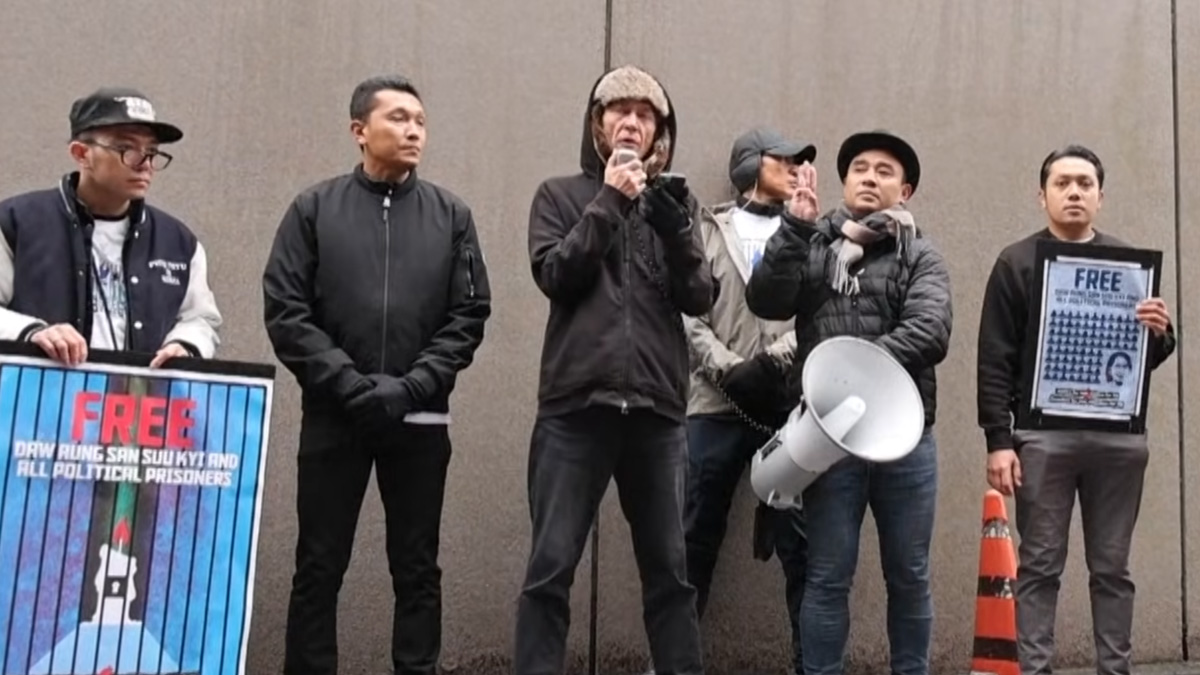
During his visit to Japan, he met with politicians and officials to call for stronger international pressure on the military regime and to resist legitimising the upcoming elections.
He said his mother would likely be saddened by his public advocacy but believes she would understand his decision to step forward.
“I believe she would be proud I’m doing what I can,” Aris said. “But it should never have come to this.”