CIVICUS urges ASEAN and global community to reject Myanmar junta’s election and act on rights crisis
As Myanmar marks five years since the 2021 coup, CIVICUS calls on ASEAN and the global community to reject the junta’s sham elections and take stronger action to end repression, restore democracy, and ensure accountability for human rights violations.
- CIVICUS has condemned Myanmar’s recent military-led elections as a “sham” and called for international rejection of the results.
- The group criticised ASEAN’s inaction and urged stronger implementation of the five-point consensus.
- Thousands of activists, journalists, and civilians remain detained under severe repression.
Global civil society alliance CIVICUS has called on the Association of Southeast Asian Nations (ASEAN) and the international community to reject Myanmar’s military-run elections and take urgent action to end the country’s worsening human rights crisis.
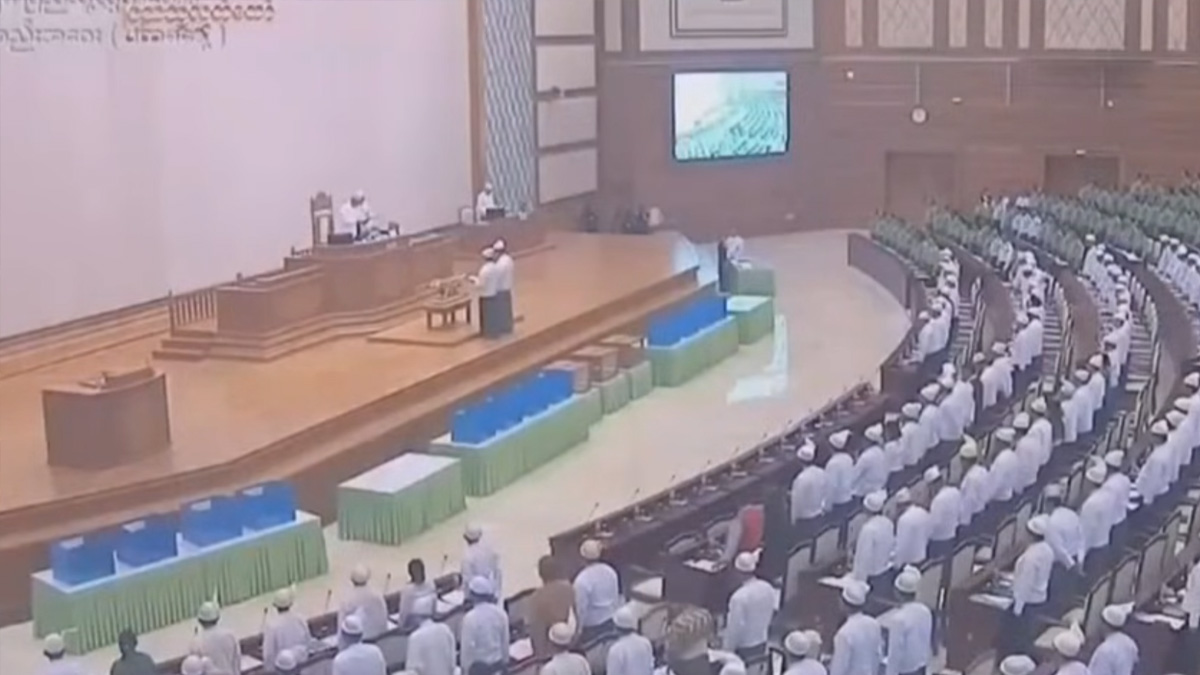
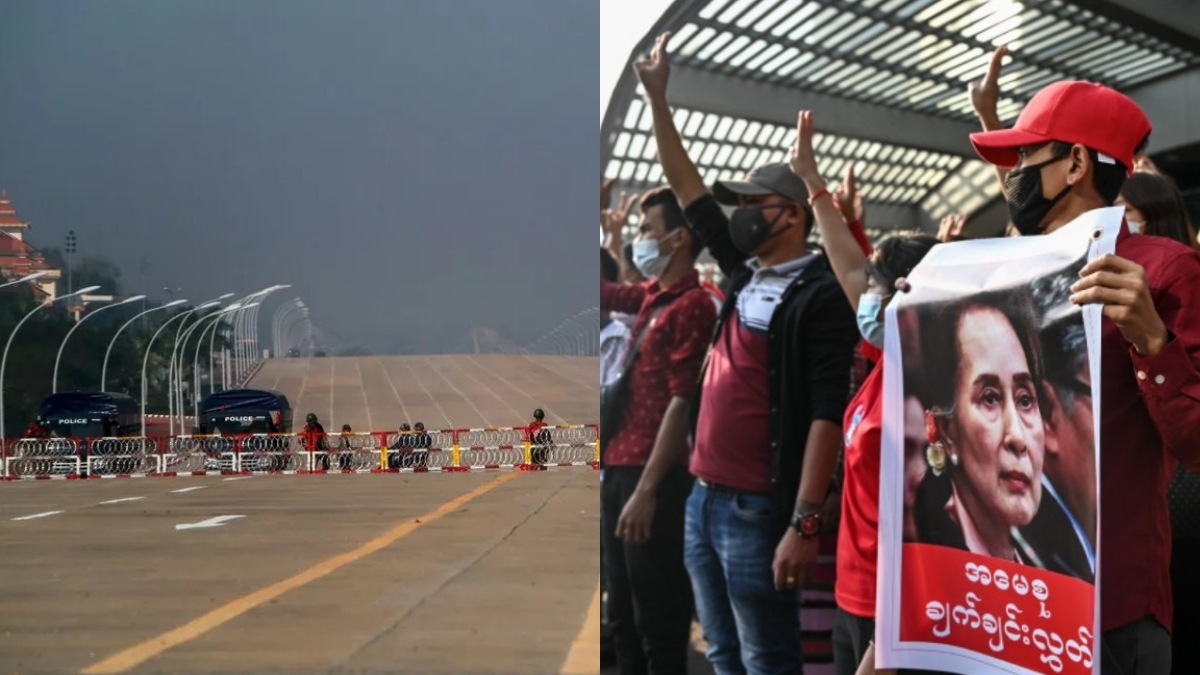
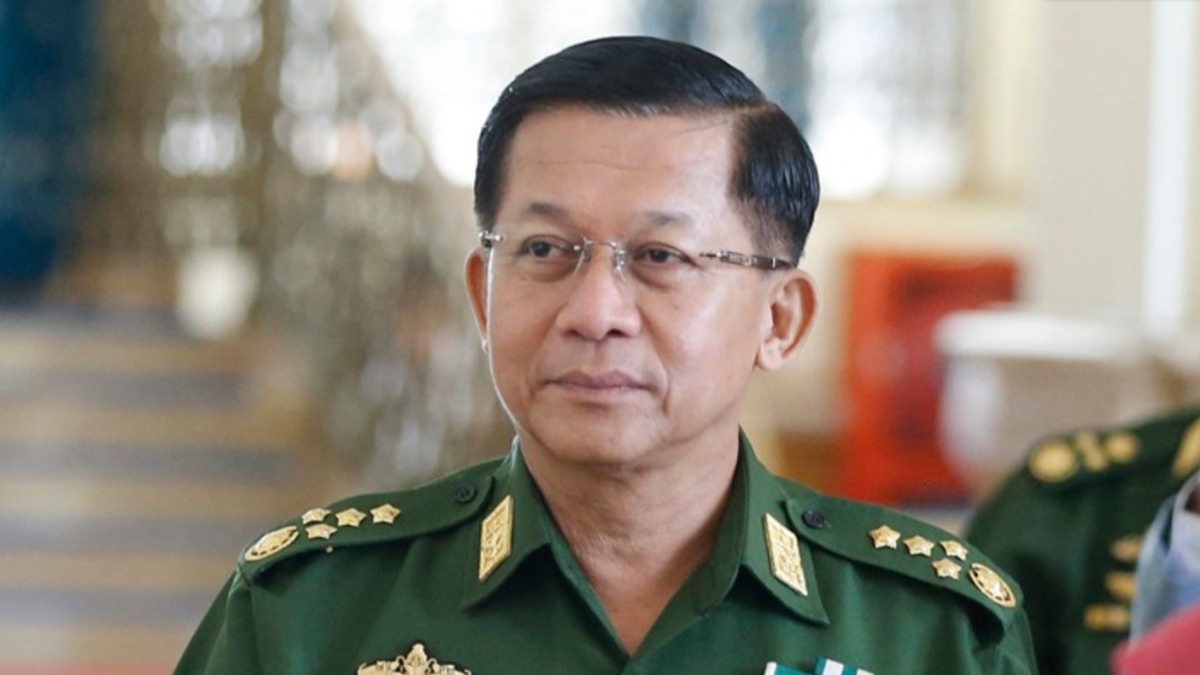
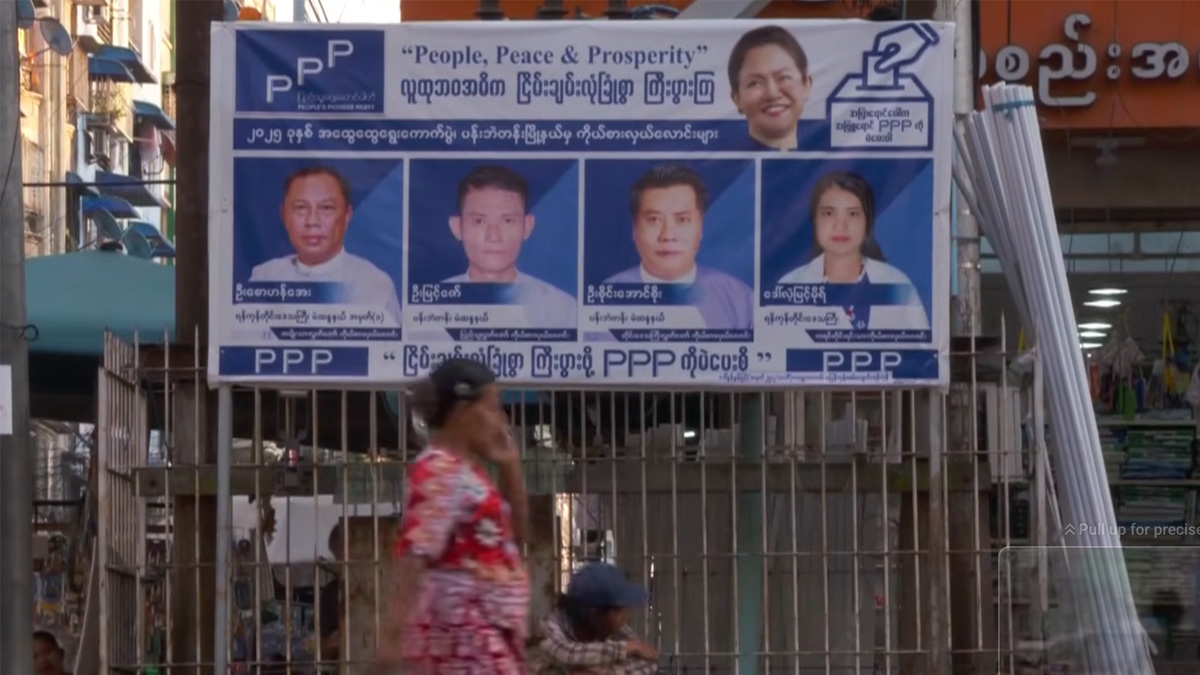
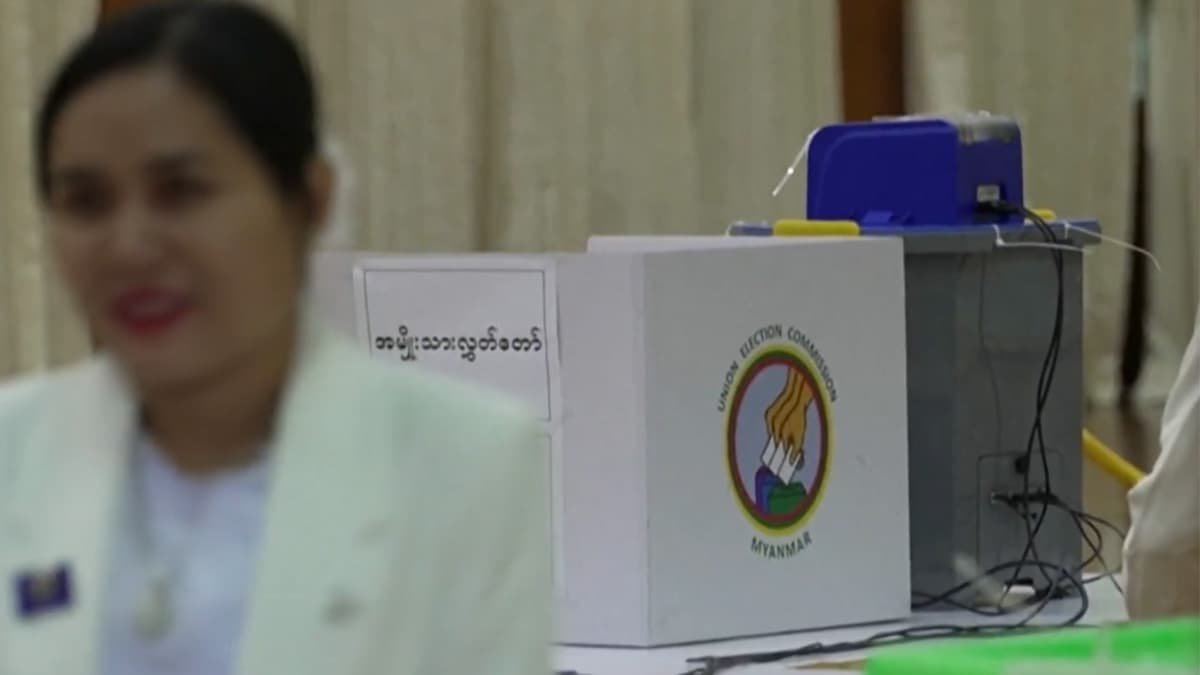
In a statement issued as Myanmar approaches the five-year anniversary of the 1 February 2021 military coup, CIVICUS criticised the elections — conducted in three phases between December 2025 and January 2026 — as a “sham” designed to cement junta control.
The vote was held under severe restrictions, excluded opposition parties, and was marked by violence and repression.
“The junta’s sham elections are a desperate bid for legitimacy,” said Rajavelu Karunanithi, Advocacy and Campaigns Officer for Asia at CIVICUS. “It is therefore essential that the international community outright reject this façade of an election and instead engage with the civilian government and civil society.”
The CIVICUS statement, which did not address ASEAN’s own position, was released shortly before the bloc officially confirmed on 29 January 2026 that it does not recognise the election results.
Philippine Foreign Secretary Theresa Lazaro, speaking at the ASEAN ministerial meetings in Cebu, stated that ASEAN “has not endorsed the three phases of the elections that were held”.
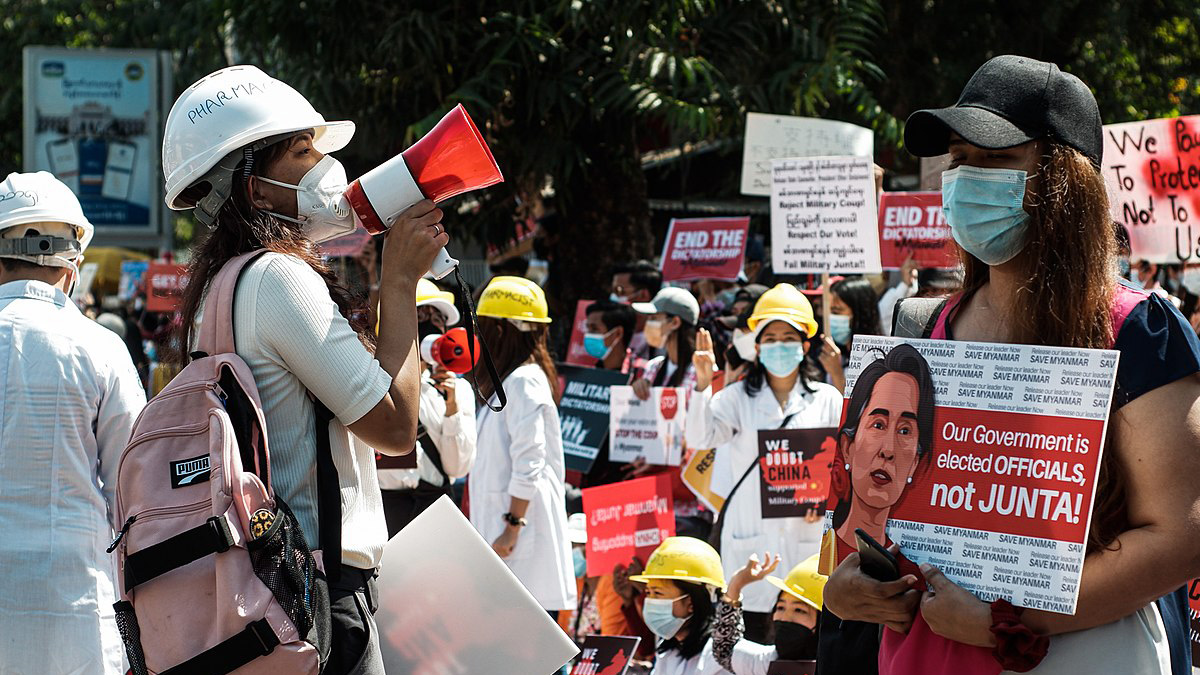
CIVICUS’s intervention focused on the escalating repression under Myanmar’s military, including mass arrests of political activists, human rights defenders, and journalists.
According to the organisation’s CIVICUS Monitor, thousands remain in detention on broad charges of ‘incitement’ or ‘terrorism’ after unfair trials. Torture, ill-treatment, and deaths in custody have been reported, with no investigations or accountability.
The statement also condemned digital and physical surveillance, media censorship, and widespread military violence.
Since July 2025, more than 300 people have been charged under new penalties targeting criticism of the electoral process. The junta’s “Election Protection Law” has been used to suppress dissent, with punishments ranging from years-long prison sentences to threats of the death penalty.
CIVICUS underscored that the electoral environment was inherently coercive.
Many voters were forced to participate under duress, amid threats of conscription, loss of access to basic services, or administrative reprisals. Others were intimidated into abstaining by non-state armed groups. Meanwhile, ethnic minorities — including the Rohingya — remained disenfranchised and excluded entirely from the process.
The statement also noted that the elections were conducted in only 263 of 330 townships, with large areas excluded due to active conflict and lack of military control. According to the Special Advisory Council for Myanmar (SAC-M), at least 7.5 million people were unable to vote.
While some international actors — such as Russia, Belarus, and China — have expressed support for the junta’s efforts, democratic states and rights groups have rejected the election’s legitimacy. On 24 January, Malaysian Foreign Minister Mohamad Hasan said Myanmar had failed to meet ASEAN’s conditions for a credible vote.
CIVICUS’s statement reflects ongoing frustration with what it described as “a serious failure” by ASEAN to meaningfully implement its five-point consensus, adopted in April 2021. That framework, intended to guide regional efforts to resolve the Myanmar crisis, has seen minimal progress amid continued military non-compliance.
“ASEAN member states – especially the Philippines which is chairing the group – must exert more effort... to end the severe repression of activists, journalists and civilians in Myanmar,” Karunanithi said.
UN High Commissioner for Human Rights Volker Türk also issued a statement on 30 January, denouncing the junta’s conduct of the elections. He stated that the vote had “only deepened” the despair of the Myanmar people and further entrenched rule by violence. Türk called for the release of all arbitrarily detained individuals, including National League for Democracy (NLD) leader Aung San Suu Kyi and President Win Myint.
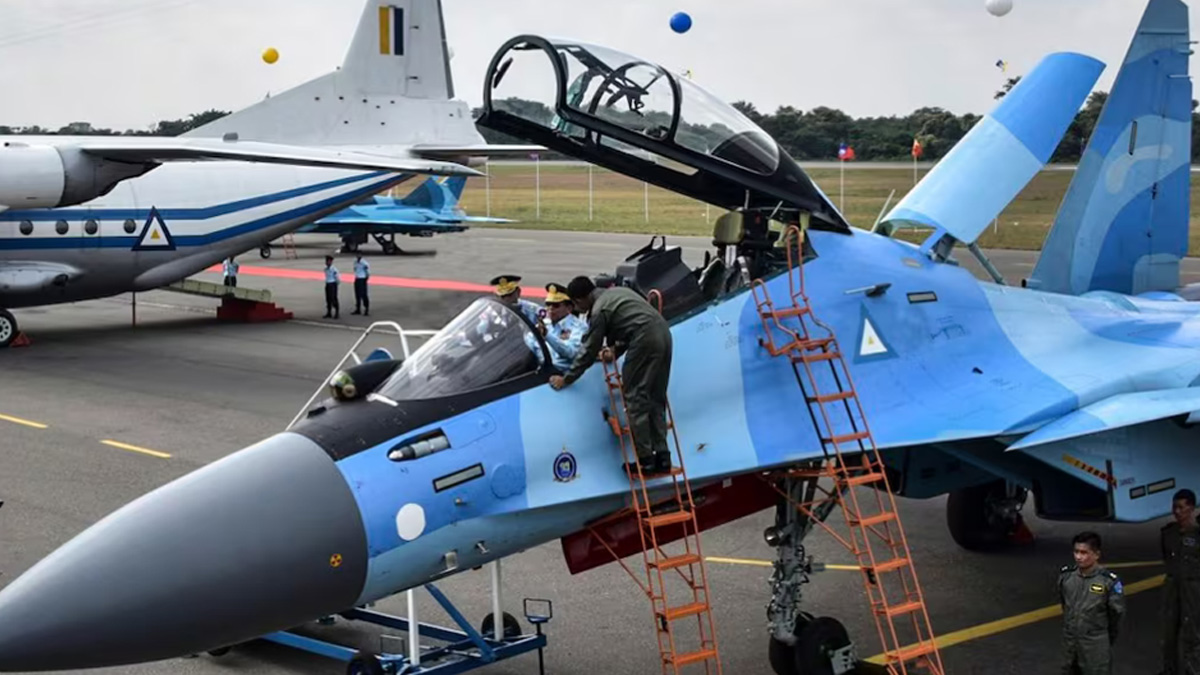
CIVICUS concluded its appeal by urging the international community to impose tougher measures on the military regime, including cutting off financial and military support and referring the junta to the International Criminal Court for crimes against humanity.
Myanmar remains listed as ‘closed’ by the CIVICUS Monitor, reflecting the complete suppression of civil liberties and civic space under military rule.