Justice For Myanmar calls for sanctions on global aviation fuel supply chain
Justice For Myanmar has urged the international community to impose targeted sanctions on vessels and companies facilitating the delivery of aviation fuel to the military junta, citing a surge in airstrikes and the involvement of an Iranian shadow fleet in the supply network.
- Justice For Myanmar identified four specific vessels and seven international entities allegedly enabling the junta's aviation fuel imports through sophisticated evasion tactics.
- Reported jet fuel imports to Myanmar rose from 64,562 metric tonnes in 2024 to 106,604 metric tonnes in 2025, according to Myanma Port Authority data.
- Investigations by Amnesty International and Reuters suggest the supply chain now involves transshipments through Vietnam and the use of an Iranian shadow fleet.
Justice For Myanmar (JFM) has issued an urgent appeal to the governments of the United Kingdom, United States, Canada, Australia, and the European Union to expand sanctions against the aviation fuel supply chain sustaining the Myanmar military junta.
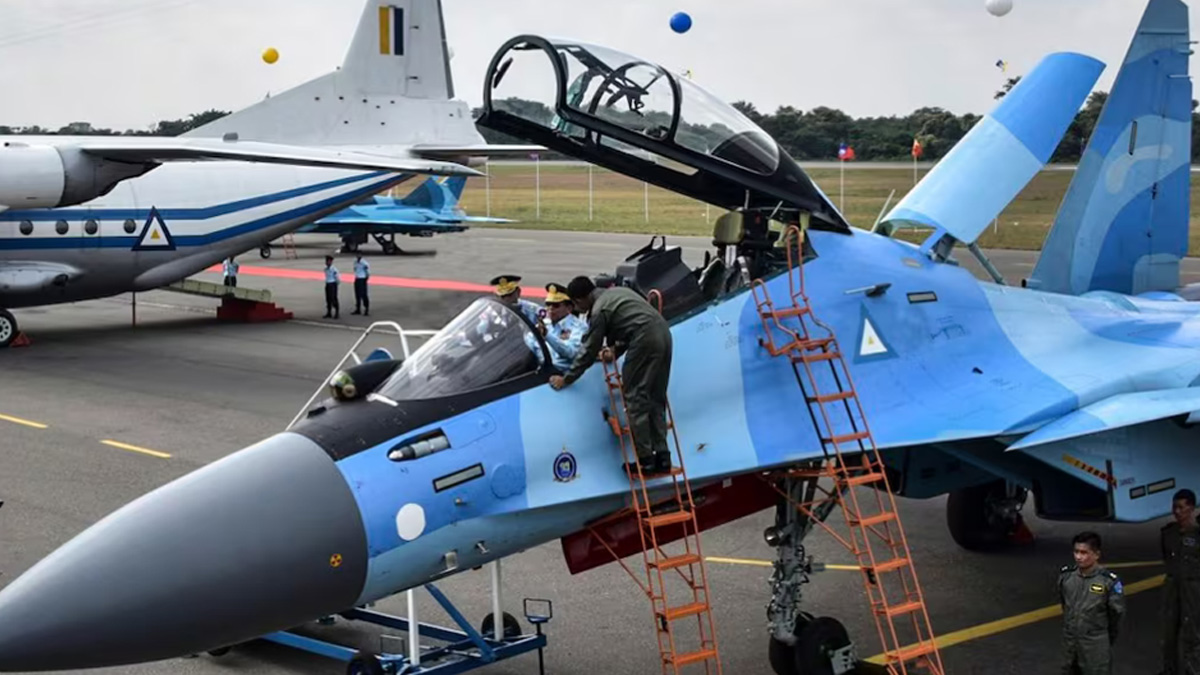
The advocacy group stated that immediate coordinated action is required to disrupt the junta’s aerial campaign, which has seen an unprecedented increase in airstrikes throughout 2025. These military operations have targeted schools, hospitals, and residential communities across the country.
According to data published by the Myanma Port Authority (MPA), which remains under the control of the military, jet fuel imports nearly doubled within a 12-month period. Imports rose from 64,562 metric tonnes in 2024 to 106,604 metric tonnes in 2025.
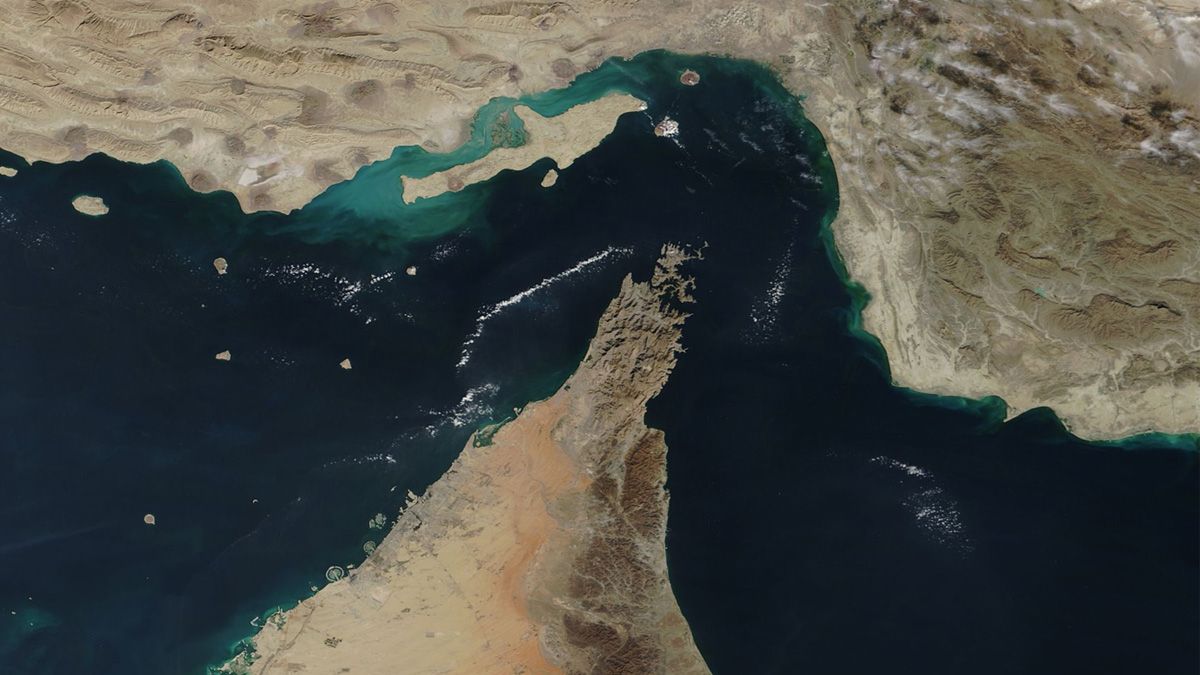
Recent findings published by Amnesty International and Reuters provide evidence that these imports are increasingly enabled by an Iranian shadow fleet. This network reportedly utilizes complex ship-to-ship transfers and multiple resales to obscure the origin of the fuel.
JFM identified four primary vessels allegedly involved in these deliveries: BARAAWE 1, LS MERCURY, REEF, and NOBLE. The vessel BARAAWE 1, owned by Marshall Islands-based Abu Marine Co. Ltd., reportedly delivered nine shipments between 2023 and 2024.
The vessel LS MERCURY, owned by Legendsea Co. Ltd. in Vietnam, delivered aviation fuel in 2024. Meanwhile, the vessels REEF and NOBLE, managed by UAE-based Sea Route Ship Management FZE, are alleged to have delivered seven shipments combined in 2025.
Research indicates that REEF and NOBLE have a history of transporting sanctioned Iranian fuel. Both vessels, along with Sea Route Ship Management FZE, were previously sanctioned by the US Government in 2024 for trading in Iranian petrochemical products.
The supply chain also reportedly involves the Cai Mep Petroleum Terminal in Vietnam, operated by Hai Linh Co. Ltd. Amnesty International found that this terminal has been used to transship fuel to Myanmar while masking the final destination.
Within Myanmar, the Myanma Petrochemical Enterprise (MPE) remains the central body for fuel distribution. MPE operates the Mann Refinery and maintains joint ventures with the heavily sanctioned Myan Oil group, formerly known as Shoon and Asia Sun.
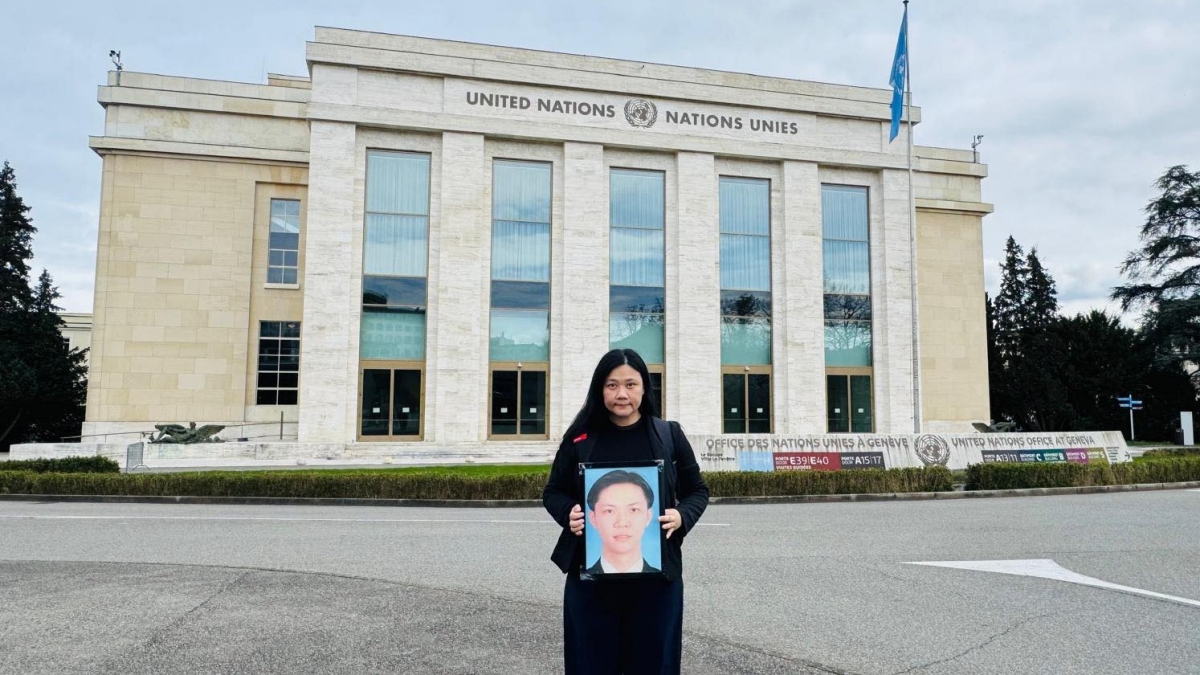
JFM spokesperson Yadanar Maung stated that the supply chain stretching from Vietnam to Iran enables international crimes. Maung noted that the involvement of Vietnamese entities underscores a failure by the Association of Southeast Asian Nations (ASEAN) to address the crisis.
The spokesperson highlighted that while several nations have sanctioned specific entities, only Canada has implemented a comprehensive ban on the export, sale, and shipment of aviation fuel, as well as the provision of related shipping insurance.
JFM argues that targeting the owners and International Safety Management (ISM) managers of these vessels is essential to deter sanctions evasion. Identified managers include Pacific Light Operation and Ship Management and Allsea Management JSC.
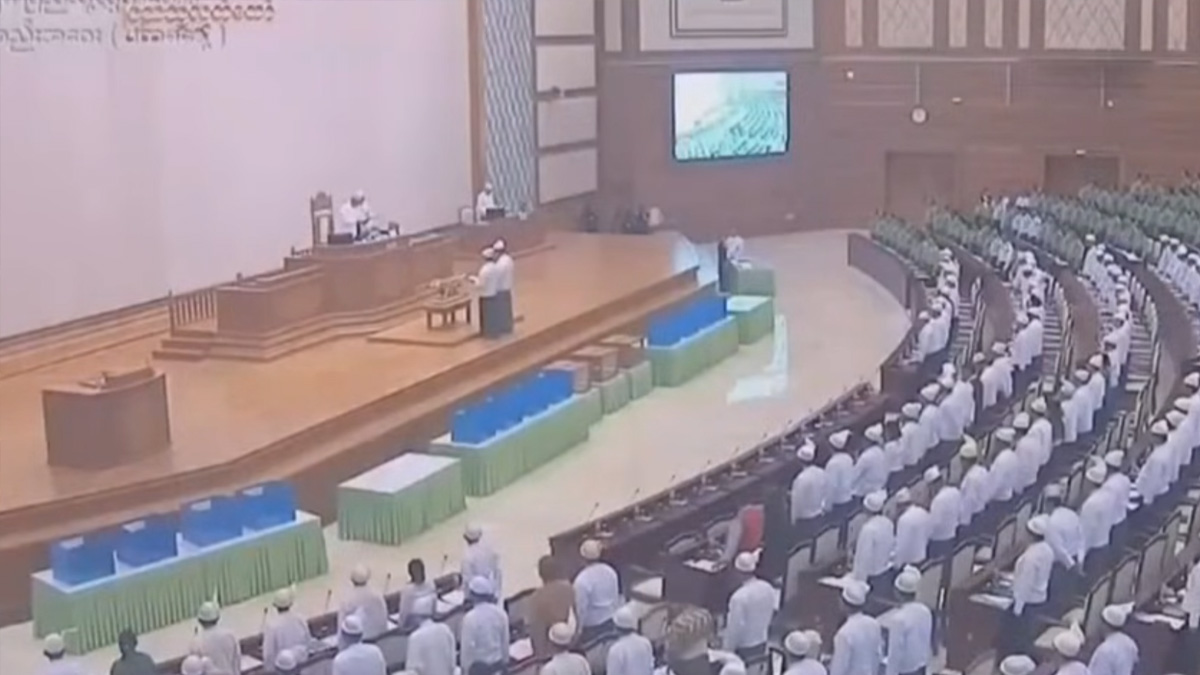
The military junta is reportedly utilizing these fuel supplies to consolidate control ahead of proposed sham elections. The resulting airstrikes have led to mass displacement and a significant loss of civilian life across various regions of Myanmar.
According to a 2022 report titled Deadly Cargo by Amnesty International, the military’s access to jet fuel is directly linked to the commission of atrocity crimes. Subsequent reports have tracked the evolution of the junta's procurement methods.
JFM maintains that ending the aviation fuel trade is the most effective way to limit the junta’s capacity to launch attacks. The group urged world leaders to follow Canada’s lead in implementing total bans on fuel-related services.