SAC-M condemns Myanmar junta's sham parliament and civilian rebrand as illegitimate
The Special Advisory Council for Myanmar has denounced the military junta's convening of an illegitimate parliament in Naypyitaw as a staged rebrand, urging states to reject the expected puppet government and strengthen sanctions.
- SAC-M condemned the junta's fraudulent parliament as an illegitimate civilian rebrand engineered by Min Aung Hlaing.
- The junta's January elections covered only 42 percent of territory, with major parties barred.
- SAC-M urged states to reject the puppet government and tighten sanctions on arms, fuel and finance.
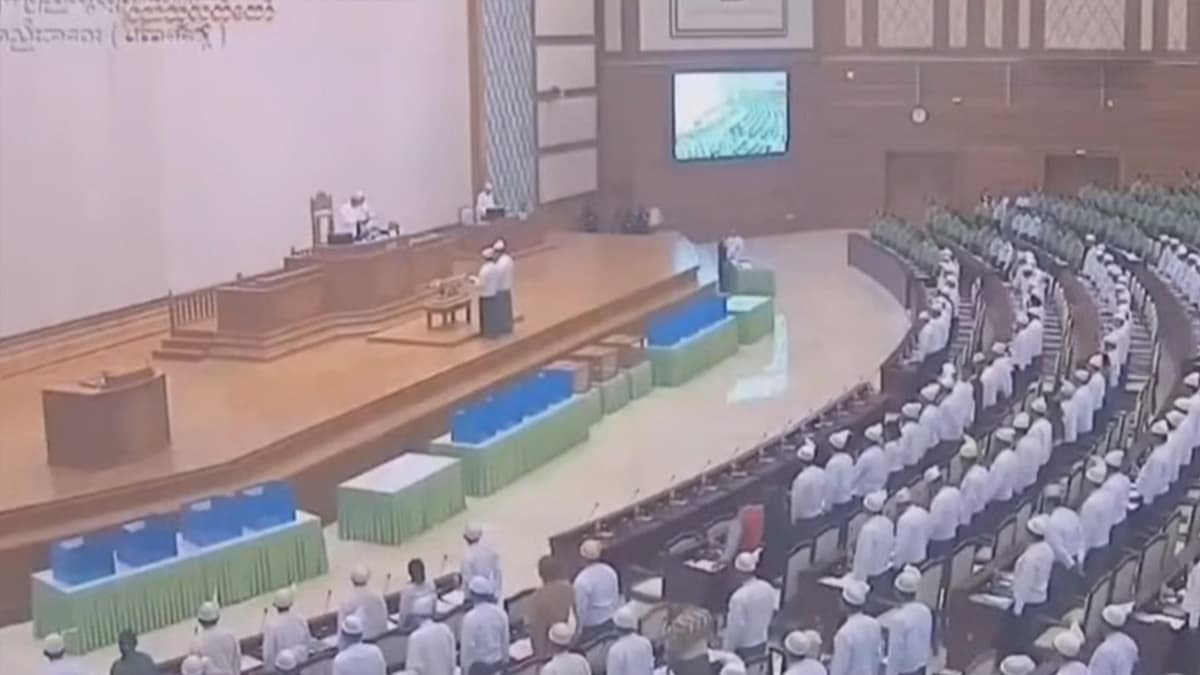
The Special Advisory Council for Myanmar (SAC-M) has denounced the military junta's convening of a fraudulent parliament in Naypyitaw on 16 March 2026 as an illegitimate charade, warning the international community not to engage with the puppet government expected to emerge from the process.
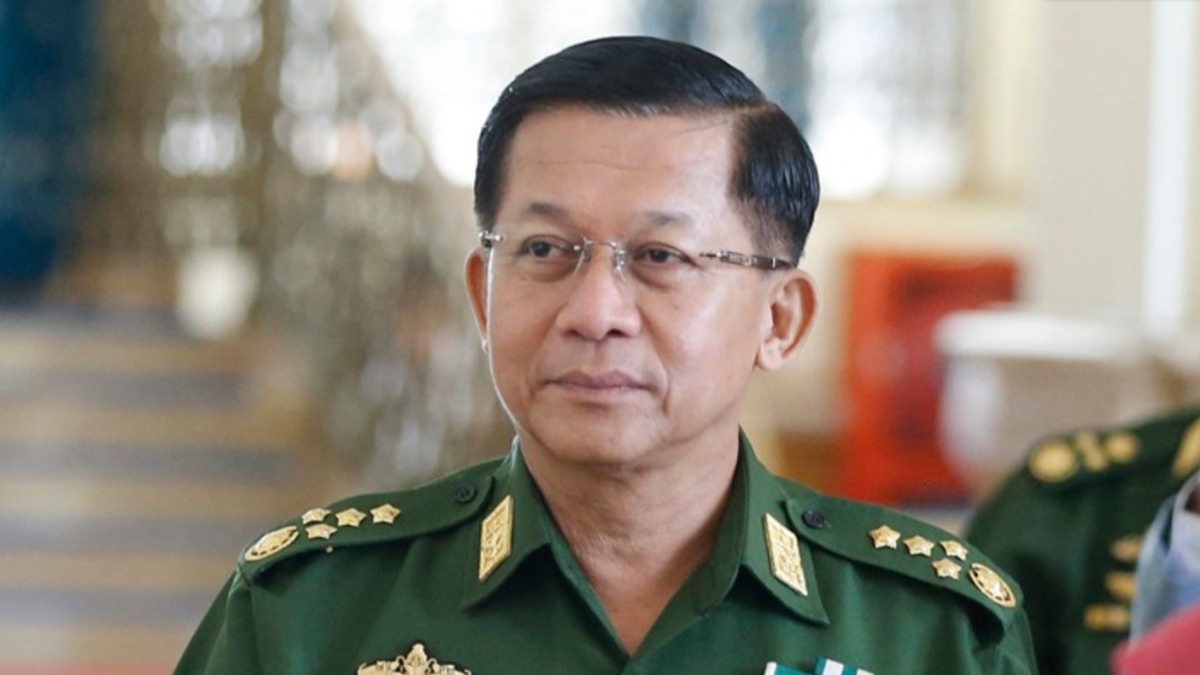
The session, the first since the junta's disputed elections concluded in January, marks the start of a staged transition in which dozens of senior generals are expected to exchange military uniforms for civilian clothing over the next two weeks. SAC-M said the rebrand is designed to manufacture the appearance of a legitimate civilian government under junta leader Min Aung Hlaing, who faces international accusations of war crimes.
SAC-M member Yanghee Lee was unequivocal in her condemnation. "Min Aung Hlaing has killed tens of thousands of civilians, set the country ablaze and destabilised the region, all in a selfish bid to anoint himself president," she said.
"A confected title and a costume change won't fool the Myanmar people or the international community or erase his crimes. He will ultimately be brought to heel and to justice," Lee added.
SAC-M member Marzuki Darusman said the junta's expectation of gaining legitimacy through the process was delusional. "The junta's expectation that its sham elections could lead, by stealth, to the formation of a legitimate parliament readily accepted by the international community is delusional," he said.
Darusman warned of broader consequences should ASEAN soften its position on the process. "ASEAN's 'people centred' principle would be irreparably damaged were it to go along with the junta's charade. This would further seriously erode ASEAN's centrality, eventually rendering it totally irrelevant as a durable and essential regional entity," he said.
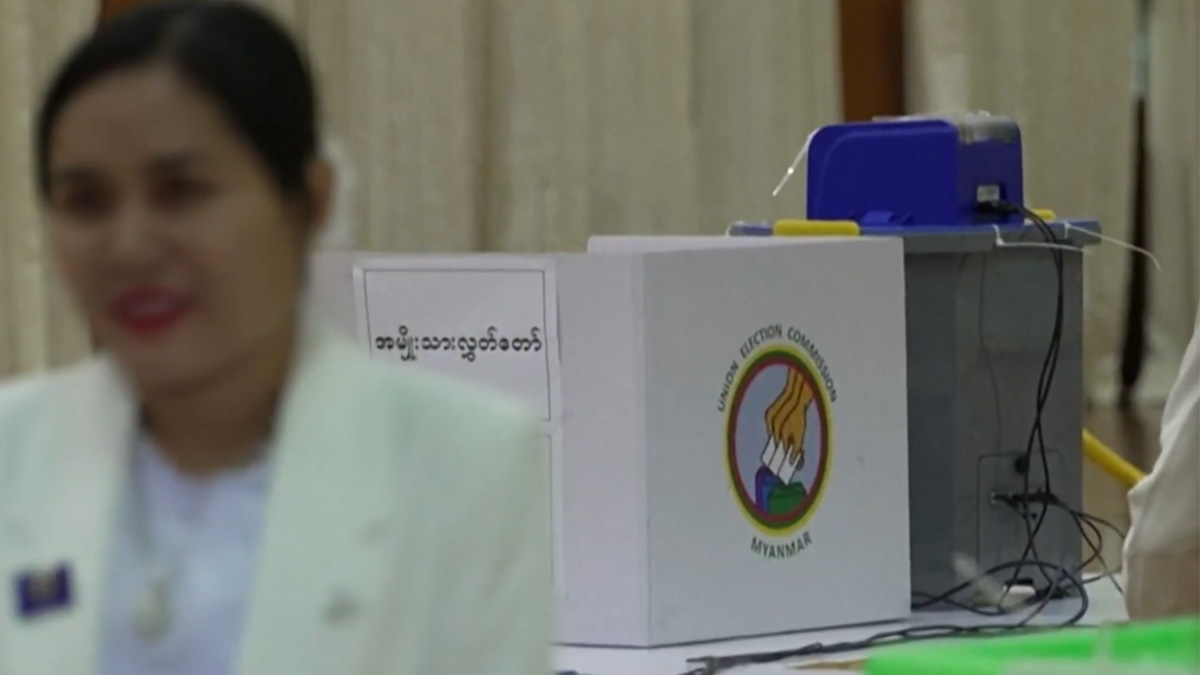
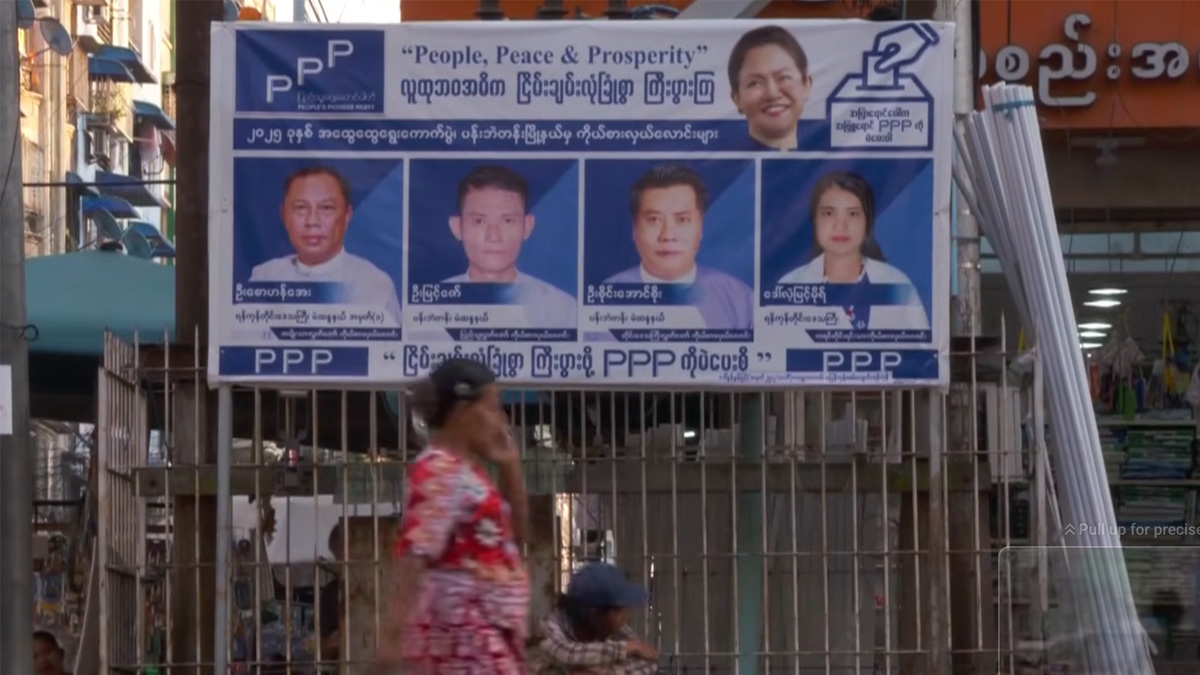
SAC-M noted that the Association of Southeast Asian Nations (ASEAN) had declined to endorse the elections and was joined by a significant number of states. According to territorial mapping estimates by the Democratic Voice of Burma, the junta was able to conduct polling in just 42 percent of Myanmar's territory.
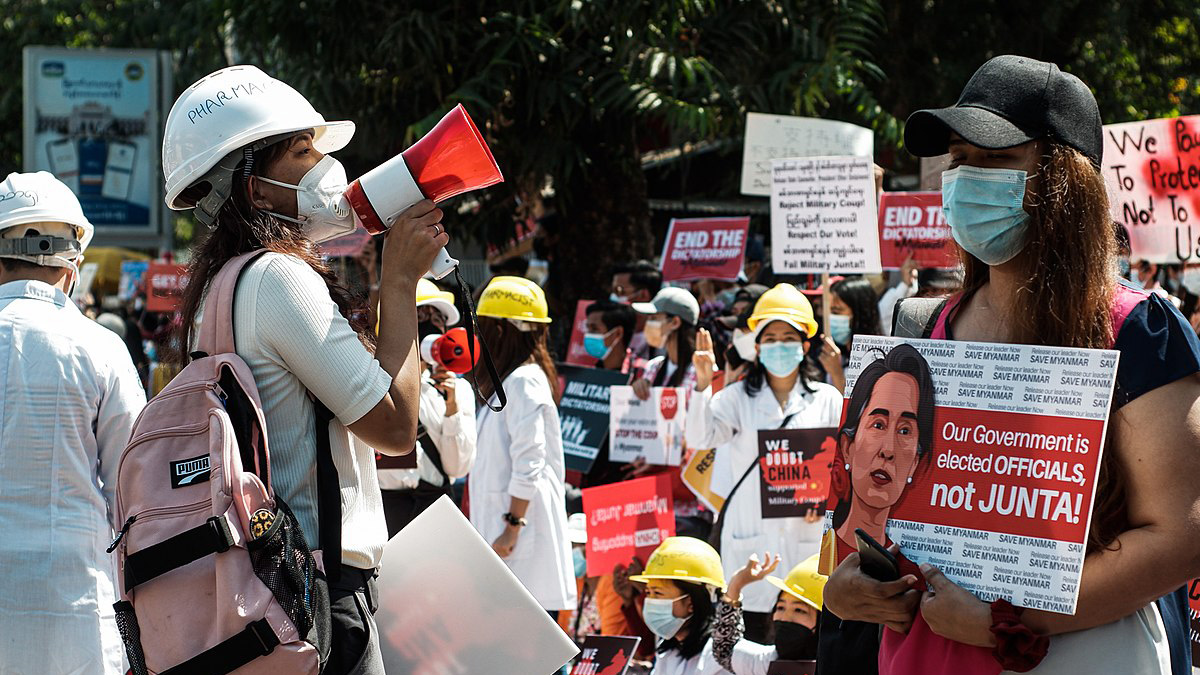
The ballot excluded Myanmar's most popular and established political parties, and democratically elected leaders remain held in incommunicado imprisonment. The vote consisted almost entirely of junta nominees and proxies, with voter turnout reported to be abysmally low.
SAC-M further documented continued military violence in the aftermath of the elections. Scores of civilians have been killed in junta airstrikes, artillery fire and massacres since the ballot concluded, with the council saying the military had intensified its campaign of atrocities against perceived opponents during the electoral period itself.
The council said Min Aung Hlaing's strategy of installing former and serving senior generals in key government positions was designed to entrench his total control over both the puppet government and the military. SAC-M argued the manoeuvres would not deliver the legitimacy or international normalisation the junta seeks.
SAC-M member Chris Sidoti called directly on the international community to refuse engagement. "If Min Aung Hlaing thinks a rebrand will offer him a way out, he is sorely mistaken," he said. "States must outright reject the junta's puppet government and refuse to engage with it."
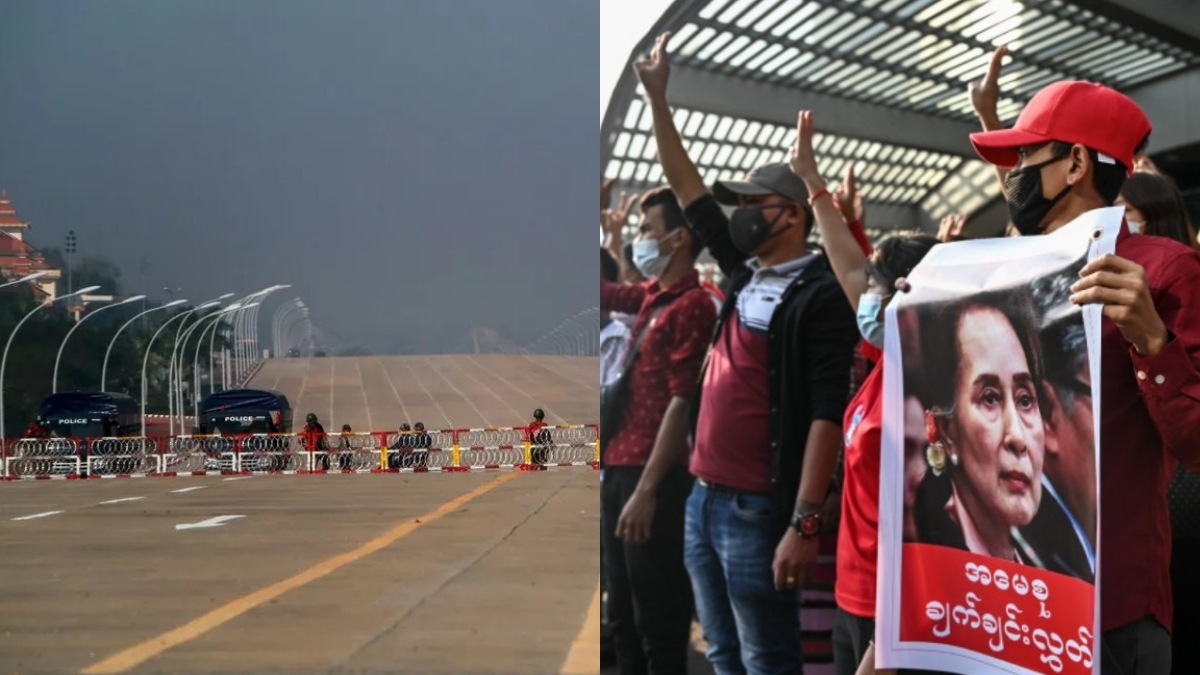
In its statement, SAC-M described Myanmar's people-led Spring Revolution as having fundamentally transformed the country's political and social landscape. The council said an overlapping network of emerging democratic institutions and governance structures was building the country's future from the ground up, and characterised the revolution as the only legitimate and viable path toward a stable federal democratic union.
SAC-M urged states and the broader international community, including the United Nations, to increase financial, material and capacity-building support to democratic representatives. These include ethnic organisations and councils, the National Unity Government (NUG), emerging state and federal units and alliances, and civil society groups.
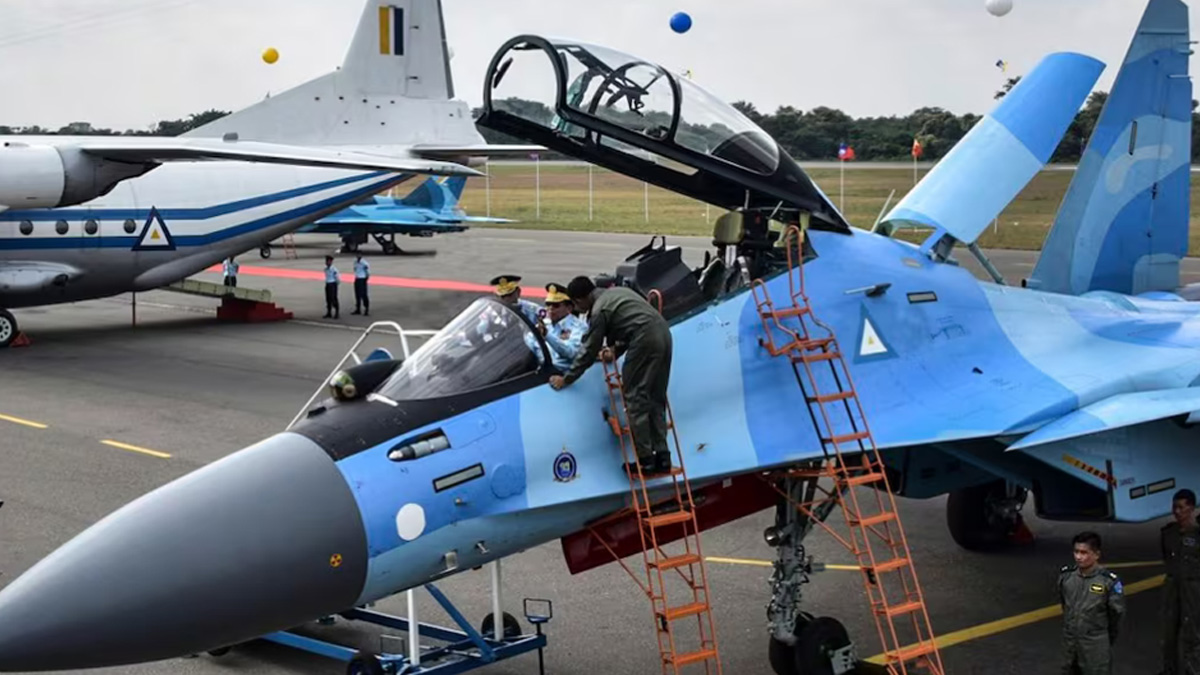
With the UN Human Rights Council convening in Geneva to examine the situation in Myanmar, SAC-M called for urgent action to protect civilians from junta airstrikes. It urged states to sever the junta's access to munitions, cash and jet fuel through strengthened embargoes and financial restrictions, including targeted sanctions against senior officials and military-owned and crony companies and their subsidiaries.
The council concluded by calling on states to intensify accountability efforts against Min Aung Hlaing and senior military figures, and to bring an end to what it described as the decades-long impunity the Myanmar military has taken for granted.