Five years on, Myanmar’s resistance movement persists amid military repression
Despite five years of violent repression by Myanmar’s military junta, nationwide resistance continues as people strive for a federal democracy and demand global accountability for crimes committed.
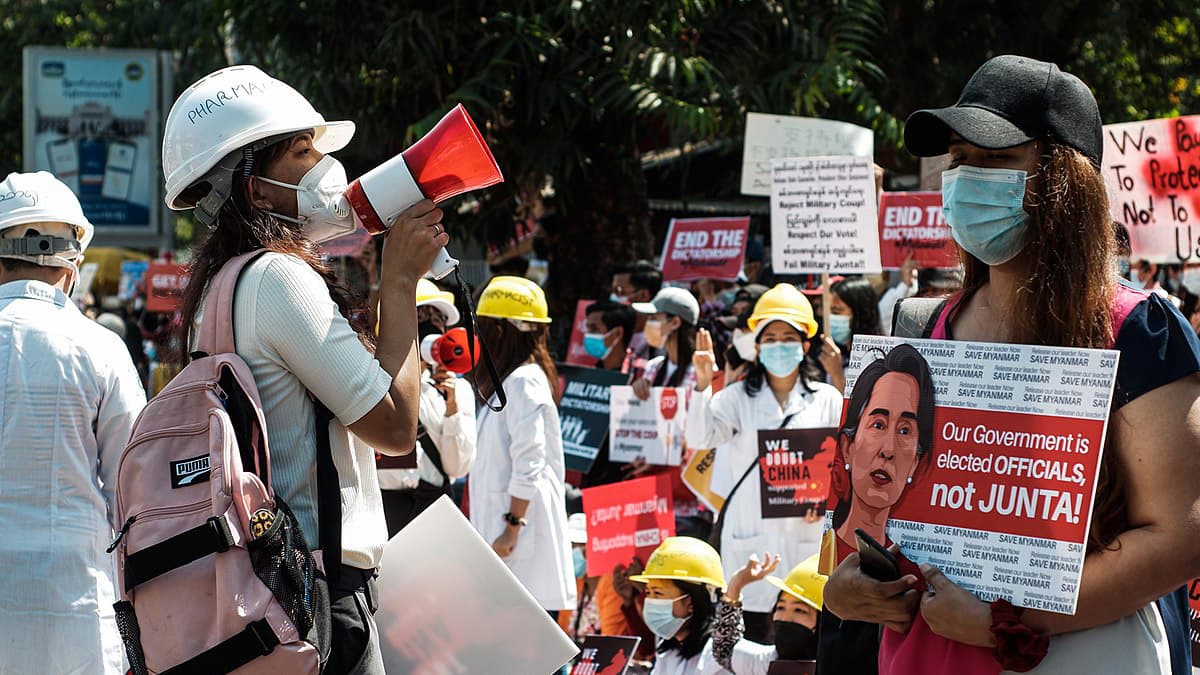
- Myanmar's people maintain a resilient resistance movement five years after the 2021 military coup attempt.
- The junta’s efforts to establish control, including a sham election, have failed to gain legitimacy or territorial dominance.
- Justice For Myanmar urges international sanctions and divestment to dismantle the junta's support networks.
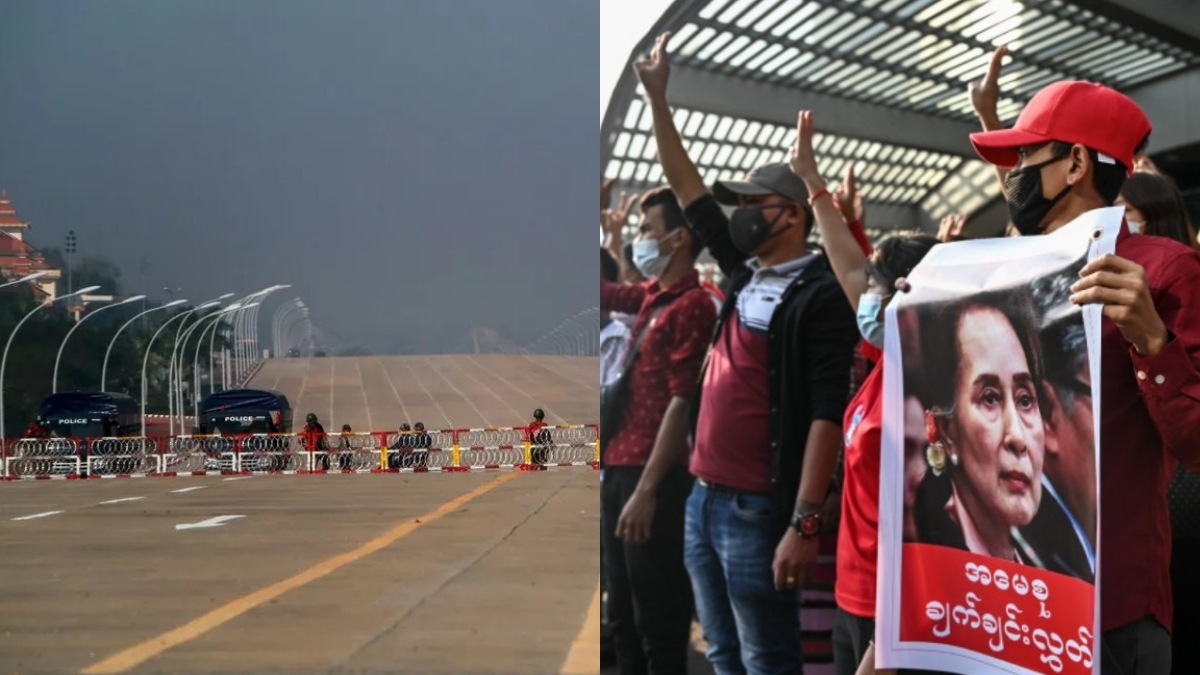
Five years after Myanmar’s military launched its attempted coup on 1 February, 2021, resistance efforts continue nationwide. Citizens, civil society actors, and ethnic groups persist in their calls for federal democracy, despite facing violent repression and systemic abuse.
The movement, grounded in grassroots resistance and cross-ethnic solidarity, has sustained momentum in the face of what advocacy group Justice For Myanmar calls a “relentless campaign of terror” by the junta.
Resistance groups have not only launched military pushback but have also constructed alternative political and social structures. Across the country, communities are establishing people-led governance, mutual aid systems, and democratic institutions beyond military control.
These developments signal a transformative reimagining of governance in Myanmar—one led by the people rather than the generals.
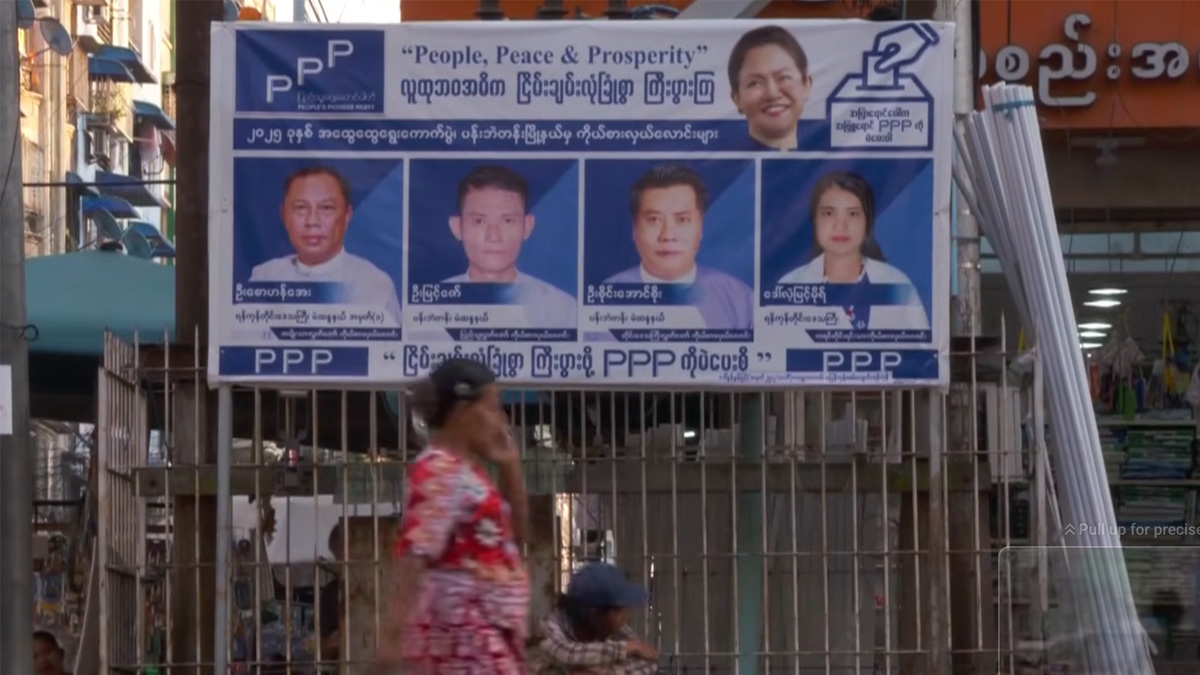
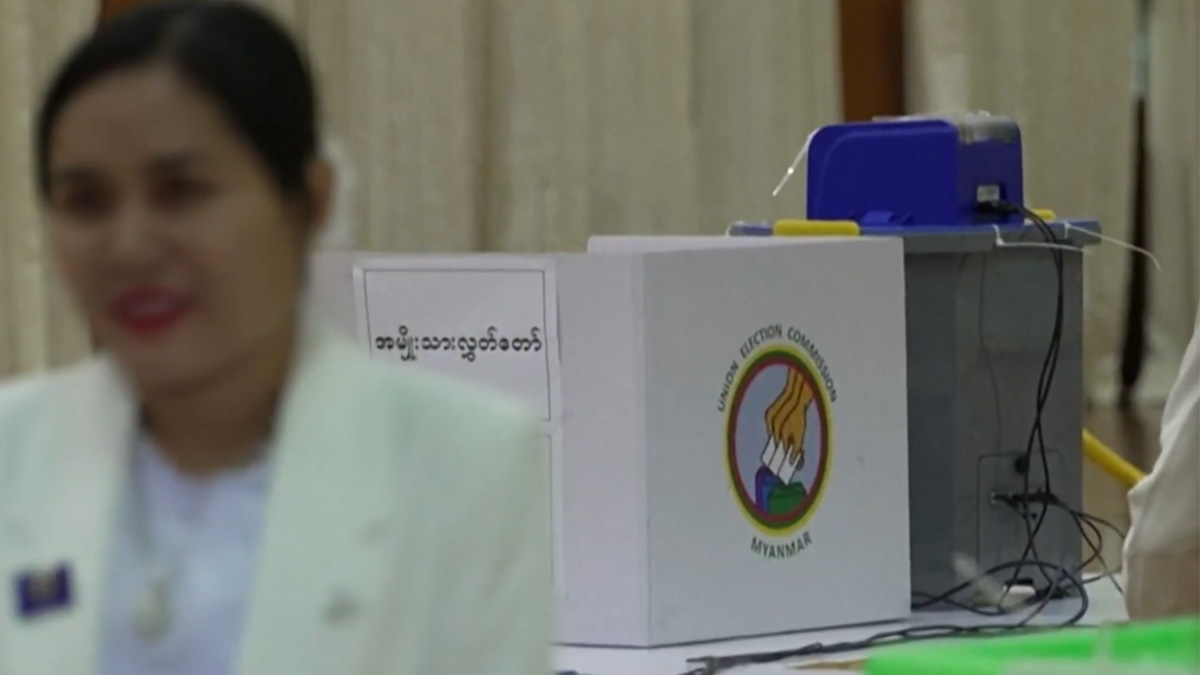
According to Justice For Myanmar, the military’s recent attempt to manufacture legitimacy through staged elections has failed both domestically and internationally. The group highlights how the vote, conducted in three phases, was met with widespread boycotts and protest across Myanmar and among diaspora communities.
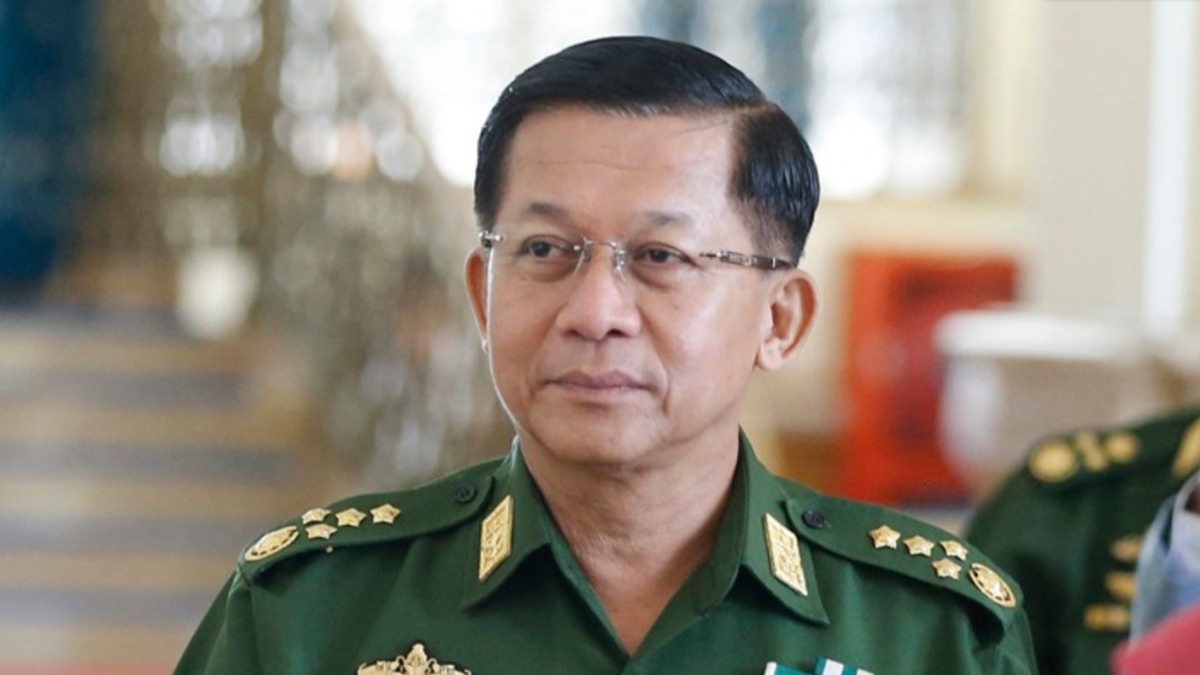
Spokesperson Yadanar Maung stated: “Five years on, the Myanmar junta has failed to break the will of the people to resist its tyranny and system of repression. It has neither legitimacy nor mandate and can only resort to violence against the people.”
“The junta has orchestrated a so-called ‘election’ that is nothing but a sham,” she continued. “It cannot fool the Myanmar people and must not fool foreign governments.”
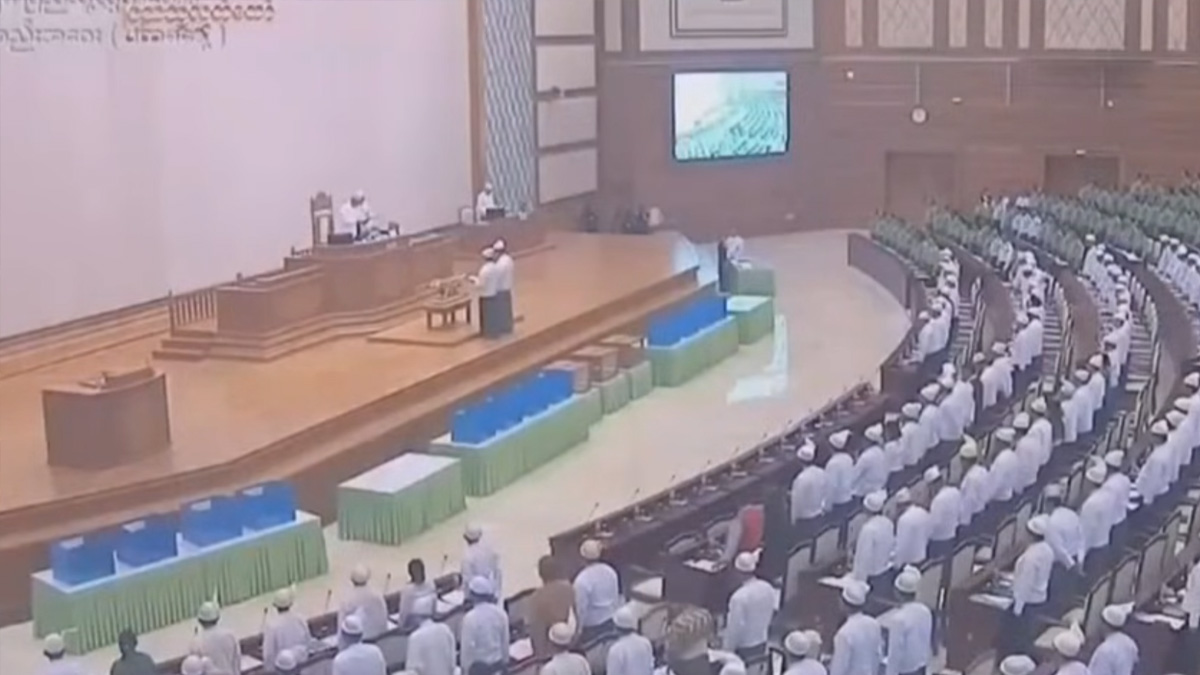
Shortly after the final phase of voting, the military-backed Union Solidarity and Development Party (USDP) declared itself the victor. The outcome was widely anticipated, as major opposition parties had been dissolved or barred from participating, and political dissent was tightly suppressed.
Under the military-drafted 2008 constitution, a quarter of parliamentary seats remain reserved for the armed forces, regardless of electoral outcomes. Combined with voter exclusions and limited territorial control, the result ensured that the junta retained dominant influence in the new legislature.
On 29 January, 2026, the Association of Southeast Asian Nations (ASEAN) affirmed its refusal to recognise the elections, further isolating the junta. Philippine Foreign Secretary Theresa Lazaro confirmed the bloc’s position, stating that ASEAN “has not endorsed the three phases of the elections that were held”.
This rejection undermines the junta’s efforts to claim international legitimacy through the electoral process. ASEAN’s stance also reflects frustration with the regime’s persistent non-compliance with the bloc’s Five-Point Consensus, adopted in 2021 to address the crisis.
Malaysia’s Foreign Minister Mohamad Hasan added on 24 January that the junta had failed to meet ASEAN’s requirements for a credible election, which included guarantees of inclusivity, security, and meaningful participation.
The Special Advisory Council for Myanmar (SAC-M) further condemned the electoral process, calling it “a hollow and fraudulent exercise." while United Nations High Commissioner for Human Rights Volker Türk condemned Myanmar’s military-staged elections as a violation of fundamental civil and political rights, warning that the process had deepened repression, violence, and social division across the country.
According to the Council, over 7.5 million people were excluded due to conflict zones and lack of access. Repression escalated during the election period, with over 400 prosecutions under a repressive “Election Protection Law.”
The junta-backed Union Solidarity and Development Party, claiming victory in the vote, faced little competition after excluding major opposition groups and suppressing political dissent. Under Myanmar’s 2008 constitution, a quarter of parliamentary seats are reserved for the military, rendering true civilian governance structurally impossible.
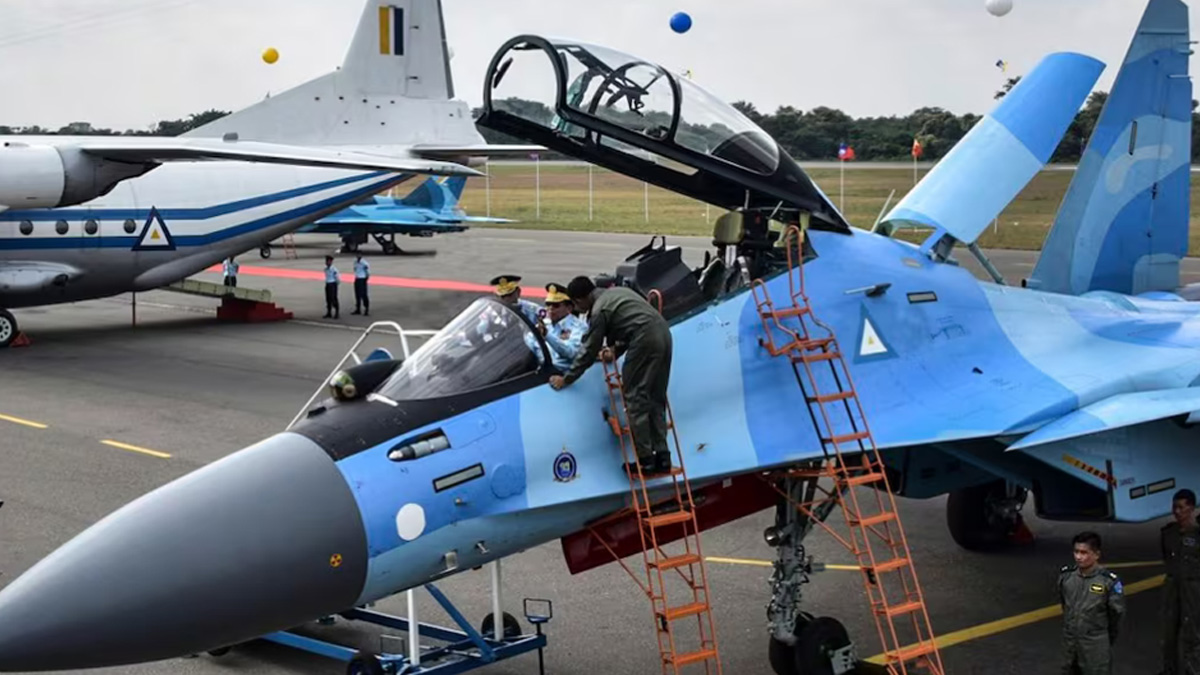
Justice For Myanmar warns that despite domestic rejection and regional criticism, the junta continues to be bolstered by a network of international enablers. These include authoritarian states, multinational corporations, foreign banks, and local business cronies that fund, arm, and equip the military.
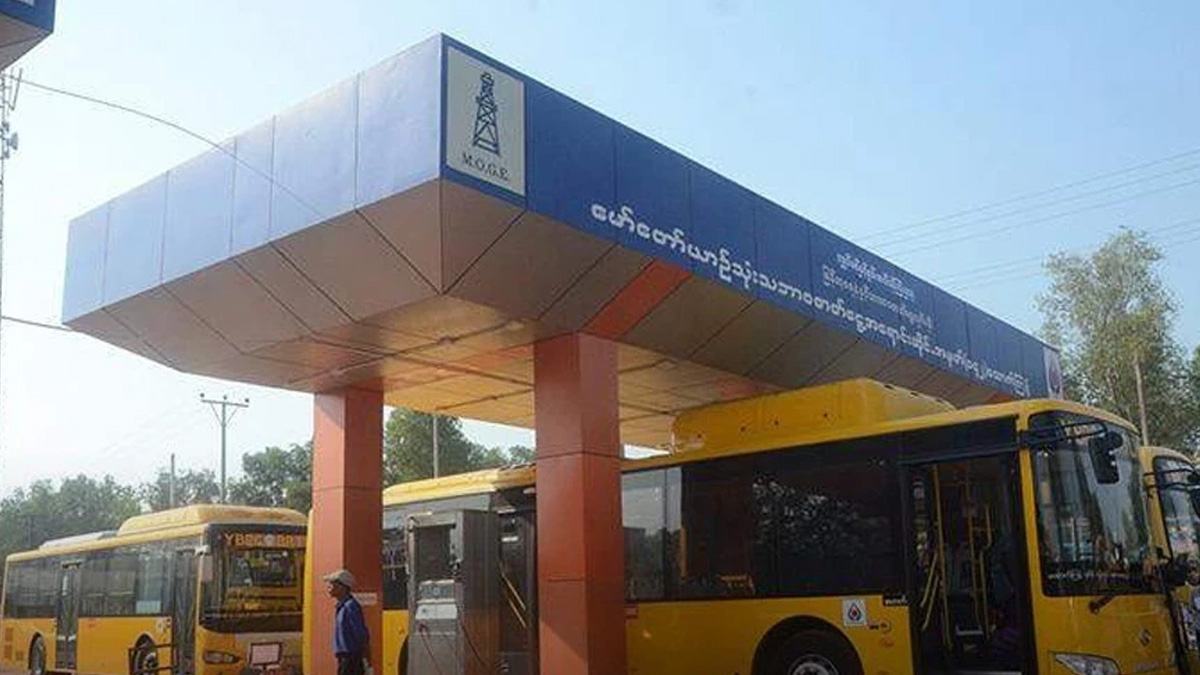
“Governments must reject the junta’s sham election and its results and impose coordinated, targeted sanctions to halt the flow of funds, arms, equipment and aviation fuel that sustain the junta’s terror campaign,” said Yadanar Maung.
She also called for investors and companies to “end their complicity by withdrawing funds and ties from the military, its related businesses and cronies.”
These networks, she warned, are profiting from their association with military actors who have long histories of perpetrating atrocity crimes. This includes the genocide against the Rohingya, as well as war crimes and crimes against humanity since the 2021 coup attempt.
The group also underscored that justice and accountability remain crucial pillars of the resistance movement. While impunity persists, civil society actors are gathering evidence and documenting abuses to support future prosecutions and transitional justice mechanisms.
Despite the overwhelming odds, Justice For Myanmar argues that the people—not the generals—are shaping the country’s future. Their continued struggle is rooted in a vision of a federal democratic union based on justice, inclusivity and peace.
As the resistance enters its sixth year, calls for stronger global solidarity and action grow louder. Rights groups insist that meaningful international engagement must move beyond statements of concern to coordinated efforts to isolate and dismantle the military’s support infrastructure.