Myanmar’s junta ends month-long election amid deep distrust and looming presidency for Min Aung Hlaing
Myanmar’s military junta has concluded its controversial three-stage election, with the military-backed USDP heading for victory. Critics denounce the poll as a sham that excludes millions, reinforces military rule, and offers no path out of the ongoing civil conflict.
- The pro-military Union Solidarity and Development Party (USDP) has reportedly won Myanmar’s junta-led elections, according to AFP.
- The election was dismissed as illegitimate by critics, with large swathes of the country excluded due to conflict.
- Junta leader Gen Min Aung Hlaing is expected to become president, amid warnings of deepening repression.
Polling has closed in Myanmar after the final phase of a three-stage, month-long election concluded on Sunday, 25 January 2026. The dominant Union Solidarity and Development Party (USDP), backed by the ruling military junta, is expected to secure a sweeping victory.
According to AFP, a source within the USDP confirmed on Monday that the party had won the junta-organised elections. The result follows a month-long voting process that democracy watchdogs have widely dismissed as a rebranding of military rule.
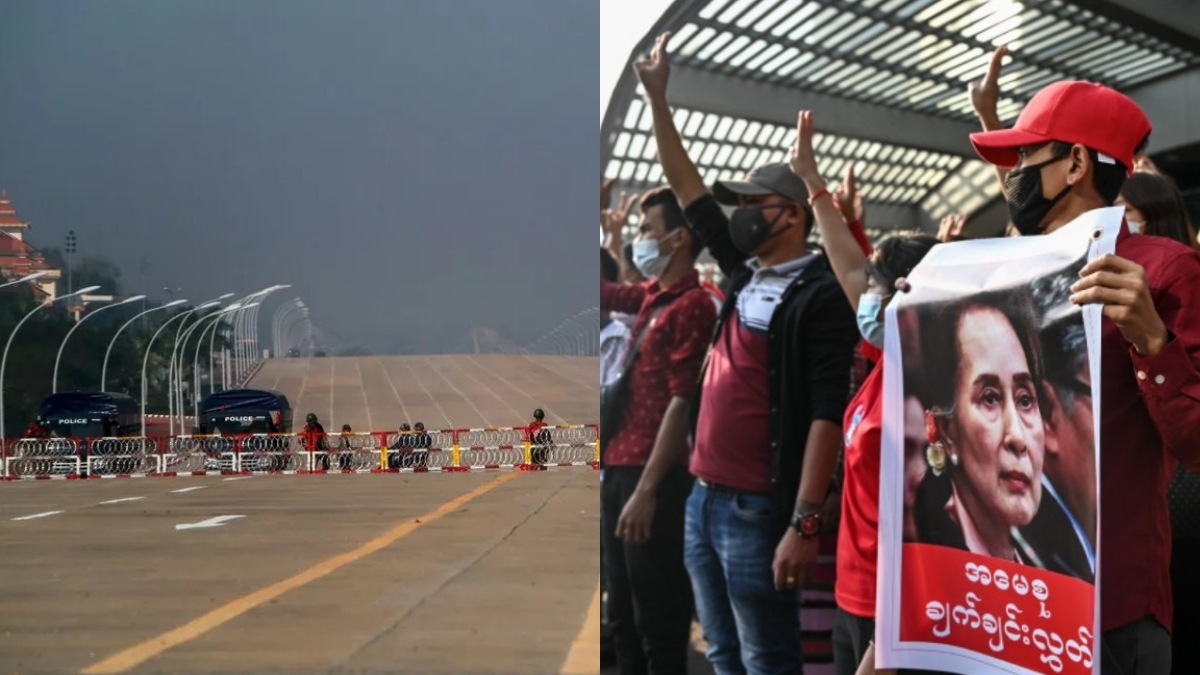
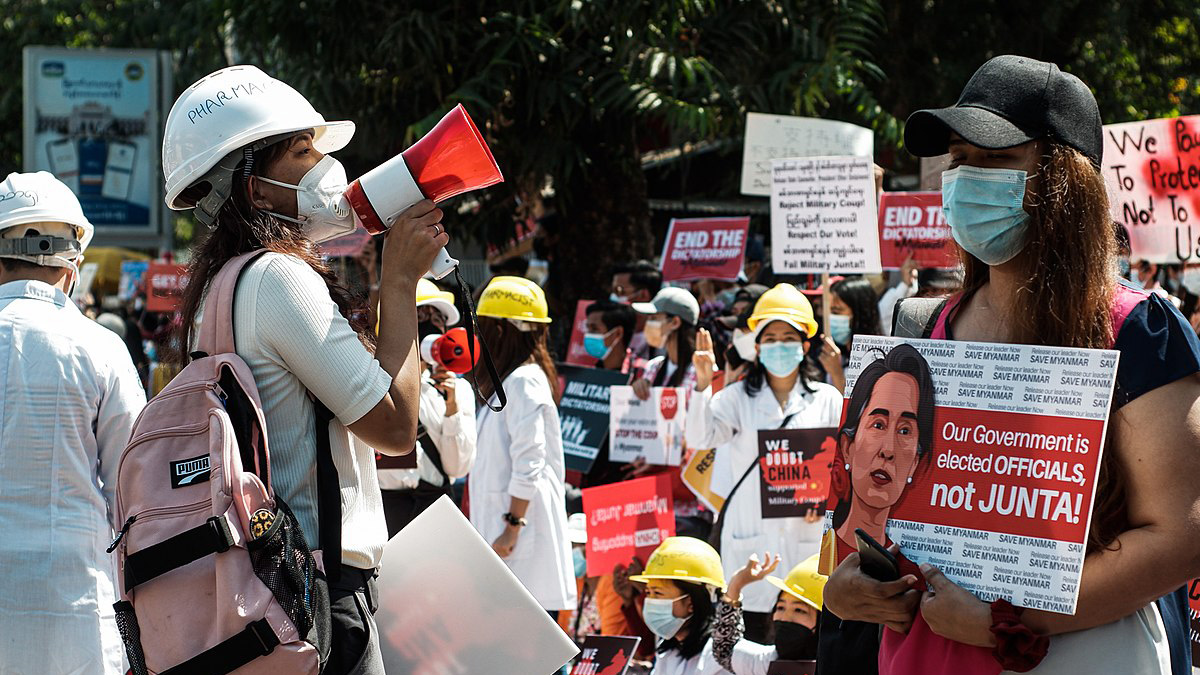
The elections were held under tight control by the junta, which seized power in a February 2021 coup. Major democratic parties, including Aung San Suu Kyi’s National League for Democracy (NLD), were banned, while vast areas affected by civil conflict were excluded from voting.
Only around 80 percent of Myanmar’s 330 townships held voting. Key urban centres such as Yangon and Mandalay participated in the final phase, but conflict-affected areas remained inaccessible. The junta has rejected criticism, insisting the election was free and fair.
Two earlier phases took place on 28 December 2025 and 11 January 2026, both resulting in landslide victories for the USDP. The party had previously won only 6 percent of seats in the last free election in 2020 before the military annulled the results and seized power.
Six parties, including the USDP, fielded candidates nationwide. Another 51 smaller parties and independents contested state or regional seats. Observers reported low turnout and widespread fear among the population, with voters reluctant to speak publicly due to surveillance and potential reprisals.
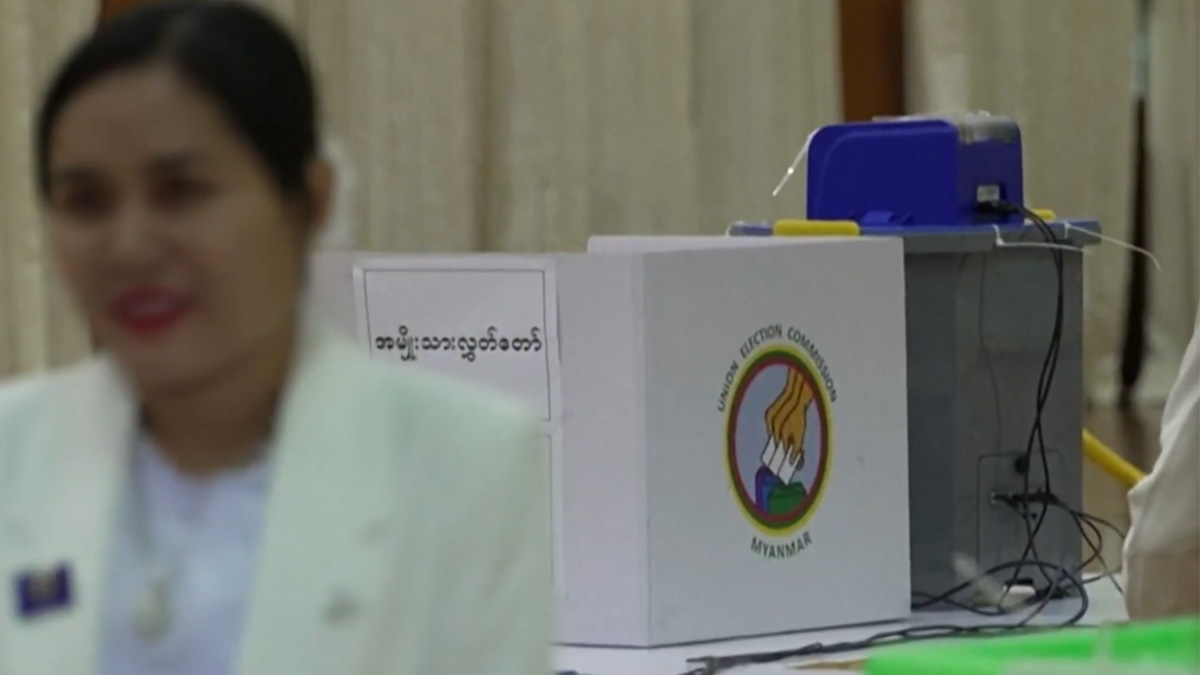
A BBC team reporting from Shan State described voting as orderly on the surface, but noted an underlying climate of intimidation. Voters were guided by officials through new locally manufactured electronic voting machines, but many expressed scepticism or silence when approached.
The Special Advisory Council for Myanmar (SAC-M) estimates that at least 7.5 million people were effectively disenfranchised due to security restrictions, military control, and ongoing conflict. SAC-M has condemned the election as a "sham" and accused the junta of using it to legitimise continued authoritarian rule.
In addition, SAC-M reported that over 400 individuals have been prosecuted under the junta’s "Election Protection Law", a measure it describes as repressive. The law permits severe penalties, including life imprisonment and capital punishment, for perceived threats to the electoral process.
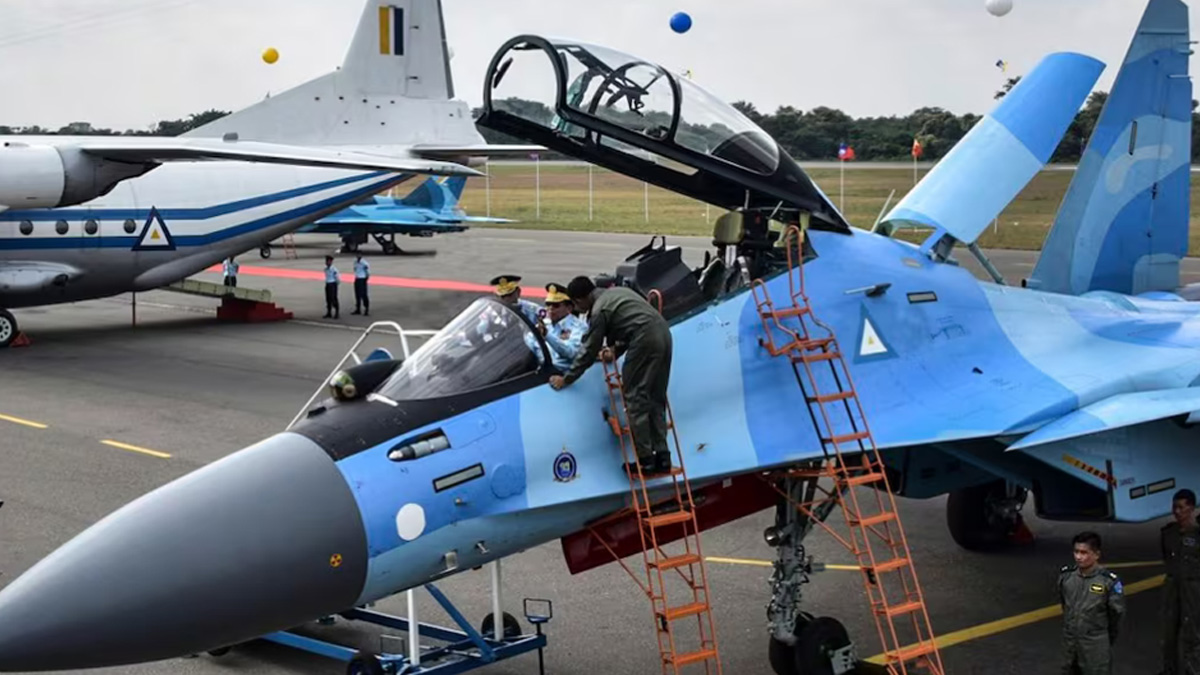
Military operations and violence continued throughout the voting period. SAC-M and other rights groups documented airstrikes on civilian infrastructure, including schools and hospitals, in opposition-held areas. Thousands have died in the conflict since the 2021 coup, and millions remain displaced.
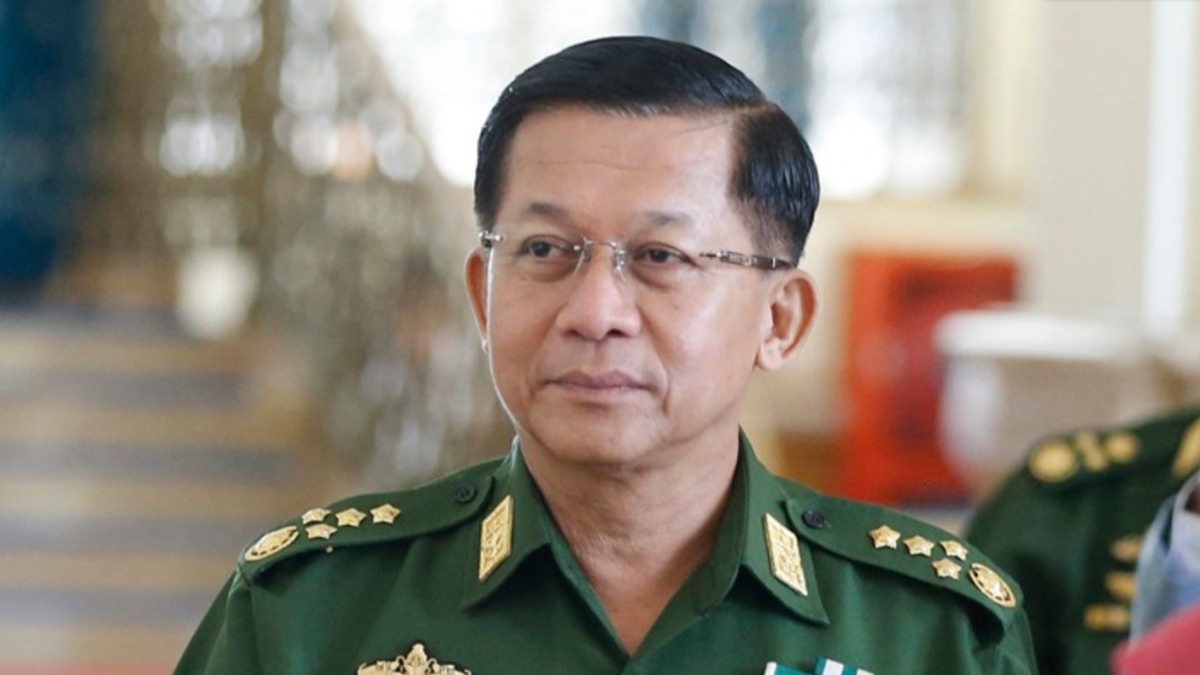
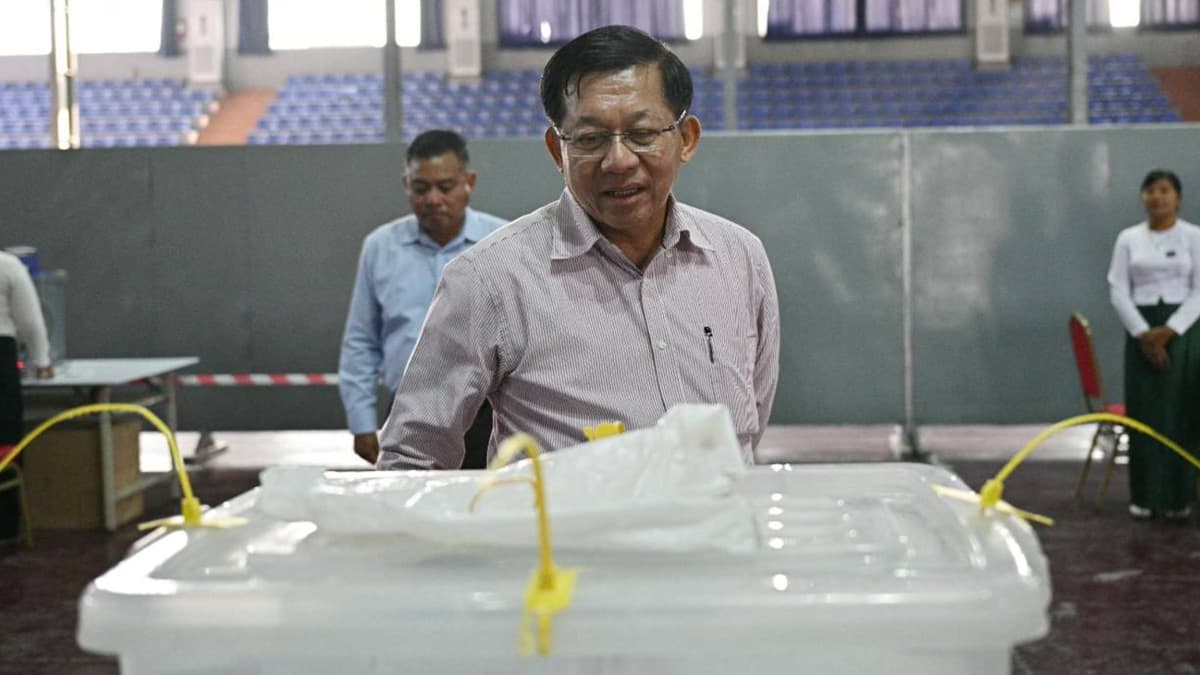
Despite mounting criticism, junta leader Gen Min Aung Hlaing maintains that the elections reflect the people's will. Touring polling stations in civilian attire during the final phase, he declared: “The people from Myanmar can support whoever they want to support.”
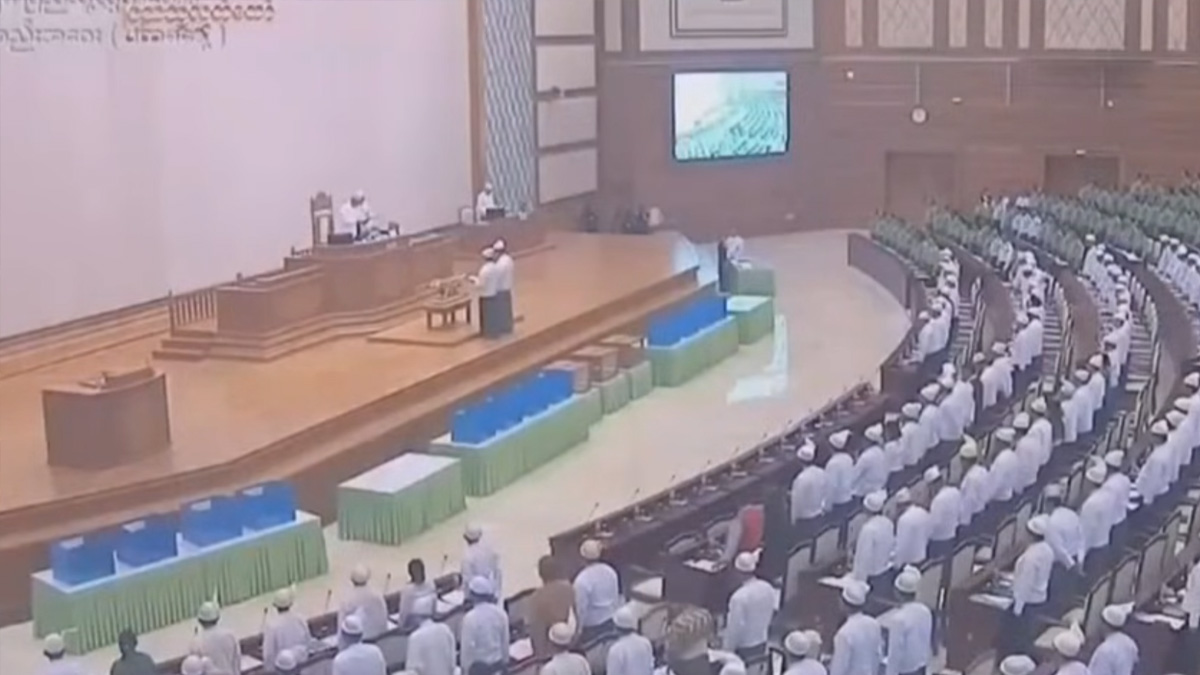
Under the military-drafted constitution, the new parliament must convene within two months to elect the next president. Gen Min Aung Hlaing is widely expected to assume the role. If appointed, he will be required to step down from his position as commander-in-chief of the armed forces.
Analysts suggest that although his successor will likely be a loyalist, his control over the military may weaken. Discontent reportedly exists within the officer corps, with some questioning the junta's handling of both the economy and the war effort.
The election result does not represent a shift towards democracy, critics argue. “It will be the same regime in civilian clothes,” a Yangon resident told AFP, echoing sentiments of disillusionment shared by many.
ASEAN, Myanmar’s regional bloc, has refused to recognise the results. On 20 January 2026, Malaysian Foreign Minister Mohamad Hasan reiterated that the junta had failed to meet conditions set by ASEAN leaders in 2025 for a credible electoral process.
SAC-M is calling for stronger international action, including expanded financial sanctions, an arms embargo, and increased support for Myanmar’s National Unity Government (NUG) and ethnic resistance organisations.
The Council also reiterated its push for criminal accountability. It urged UN member states to support proceedings at the International Criminal Court and International Court of Justice, and to pursue legal action under universal jurisdiction against junta leaders, including Min Aung Hlaing.
The formal end of the election signals not a transition to stability, but a deepening of the crisis, SAC-M warns. Without immediate and coordinated international pressure, the junta is likely to intensify its campaign of repression under the pretext of electoral legitimacy.