Environmental groups say Aceh floods were driven by deforestation and weak governance, not nature alone
Environmental groups have warned that devastating floods in Aceh were not a natural disaster but the result of long-term ecological destruction in upstream river basins.
- Environmental groups say the late-2025 floods in Aceh were driven by deforestation and land clearing in upstream river basins.
- WALHI links severe flooding in East Aceh to forest damage and plantation permits in the Jambo Aye River Basin.
- The warning comes as Sumatra’s floods and landslides have killed more than 1,100 people nationwide.
Environmental groups have warned that the devastating floods that swept through Aceh at the end of 2025 were not a natural calamity, but the result of systematic ecological destruction in upstream river basins, compounded by weak environmental governance and regulatory failures.
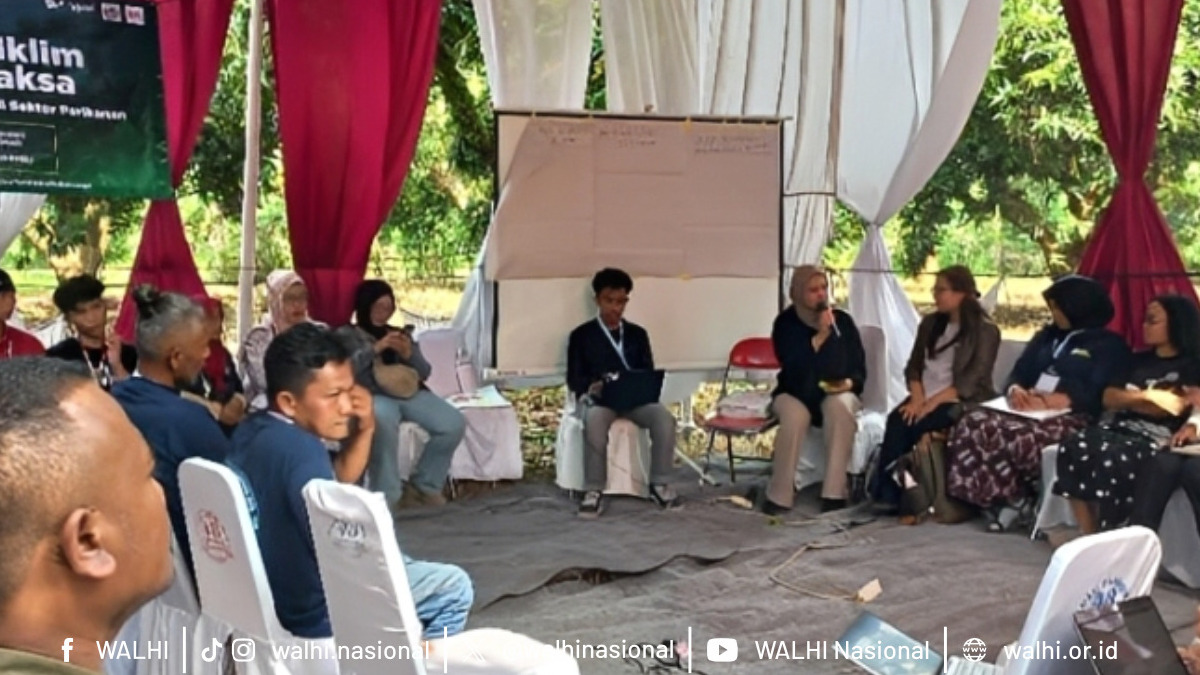
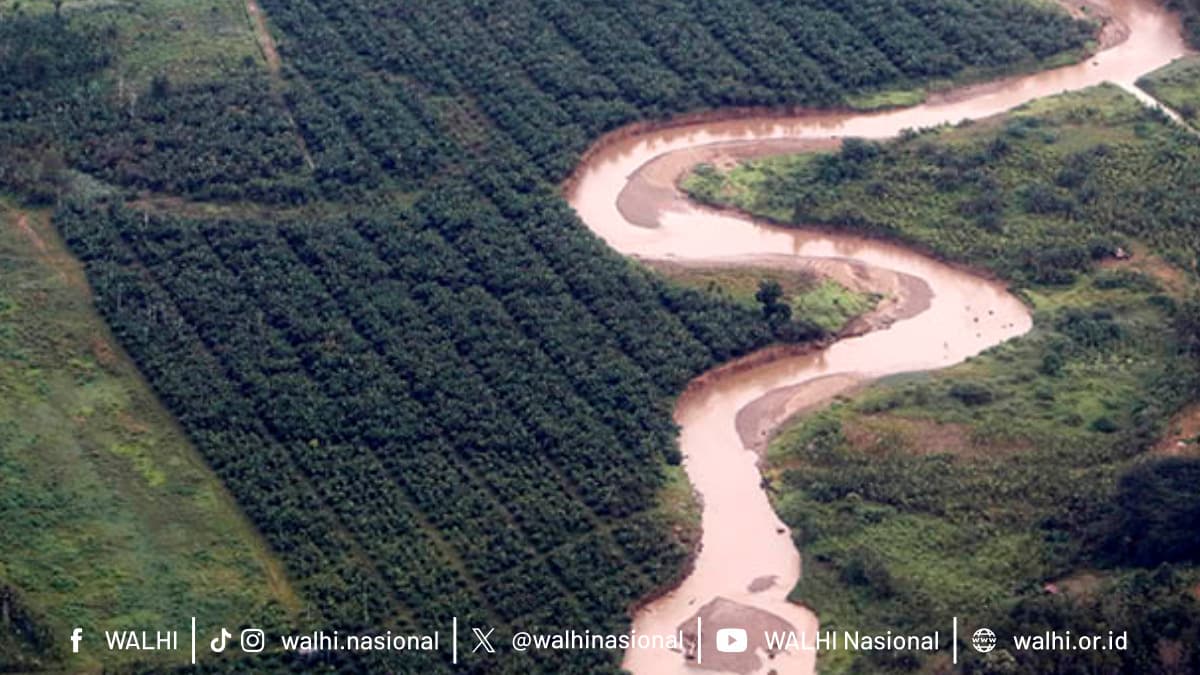
In a press release issued on 12 January 2026 in East Aceh, the Disaster Desk of the Indonesian Forum for the Environment (WALHI) Sumatra Region, together with WALHI Aceh and the Women’s Environmental Care Group (KOPPEDULI), said the flooding that inundated large parts of East Aceh was closely linked to forest damage in the Jambo Aye River Basin (DAS Jambo Aye).
According to WALHI, at least 1,100 hectares of forest within the Jambo Aye Basin were damaged in 2024, while satellite imagery monitored between January and May 2025 revealed extensive land clearing in steep upstream areas directly connected to tributaries of the Jambo Aye River.
The clearing, much of it occurring near areas covered by Right of Cultivation (HGU) permits—including the Tualang Raya HGU—has sharply reduced the basin’s capacity to absorb rainfall.
‘An ecological disaster, not a natural one’
Wahdan, Coordinator of the Disaster Desk of WALHI Sumatra Region for Aceh, said the major floods that struck Sejudo Village and several villages in Pante Bidari Sub-district, East Aceh Regency, in late November 2025 must be understood as an ecological disaster.
“This flooding is the cumulative result of environmental destruction, unequal development and the state’s failure to protect ecosystems and public safety,” Wahdan said. “Unchecked plantation expansion, logging activities and weak supervision of HGU permits have created conditions in which disaster becomes inevitable.”
He added that the situation violates Article 28H(1) of Indonesia’s 1945 Constitution, which guarantees the right to a healthy environment, and Article 33(3), which mandates that natural resources be managed for the greatest public benefit.
“As long as investment interests are prioritised over ecosystem protection and people’s rights, ecological disasters will continue to recur,” Wahdan said, calling for firm environmental law enforcement and comprehensive restoration of the Jambo Aye River Basin.
A similar assessment was delivered by Afifuddin Acal, Head of Advocacy and Campaigns at WALHI Aceh, who stressed that flooding in Aceh should no longer be framed as a natural phenomenon.
“Deforestation, river sedimentation and hill excavation are the real causes,” Afifuddin said. “Without rescuing the upstream areas and auditing environmentally destructive permits, Aceh risks facing recurring large-scale floods—possibly even on a monthly basis.”
Calls for permit audits and restoration
At the national level, Melva Harahap, Disaster Management Manager of WALHI National, said Indonesia’s current environmental governance model has enabled ecological collapse.
“Exploitative governance systems and the mass issuance of permits have triggered these disasters,” she said.
“Permit audits, law enforcement against corporations and restoration of the Jambo Aye River Basin must be carried out swiftly, transparently and holistically.”
She also urged authorities to reform spatial planning based on disaster-risk maps and ensure that post-disaster reconstruction prioritises people’s rights to housing, land, livelihoods and economic recovery.
A mounting human toll across Sumatra
WALHI’s warning comes as the human cost of floods and landslides across Sumatra continues to rise.
Data from the National Disaster Management Agency (BNPB) show that as of 14 January 2026, disasters across Aceh, North Sumatra and West Sumatra had resulted in:
-
1,190 deaths
-
141 people missing
-
Approximately 131,500 people displaced
Aceh recorded the highest toll, with 551 deaths and 28 people missing, followed by North Sumatra with 375 deaths and 41 missing, and West Sumatra with 264 deaths and 72 missing.
The damage extends beyond human casualties. BNPB data show that 175,050 houses were damaged, along with 3,188 educational facilities, 803 places of worship, 215 health facilities, 776 bridges and 2,056 roads, further complicating emergency response and recovery.
White flags as a symbol of desperation
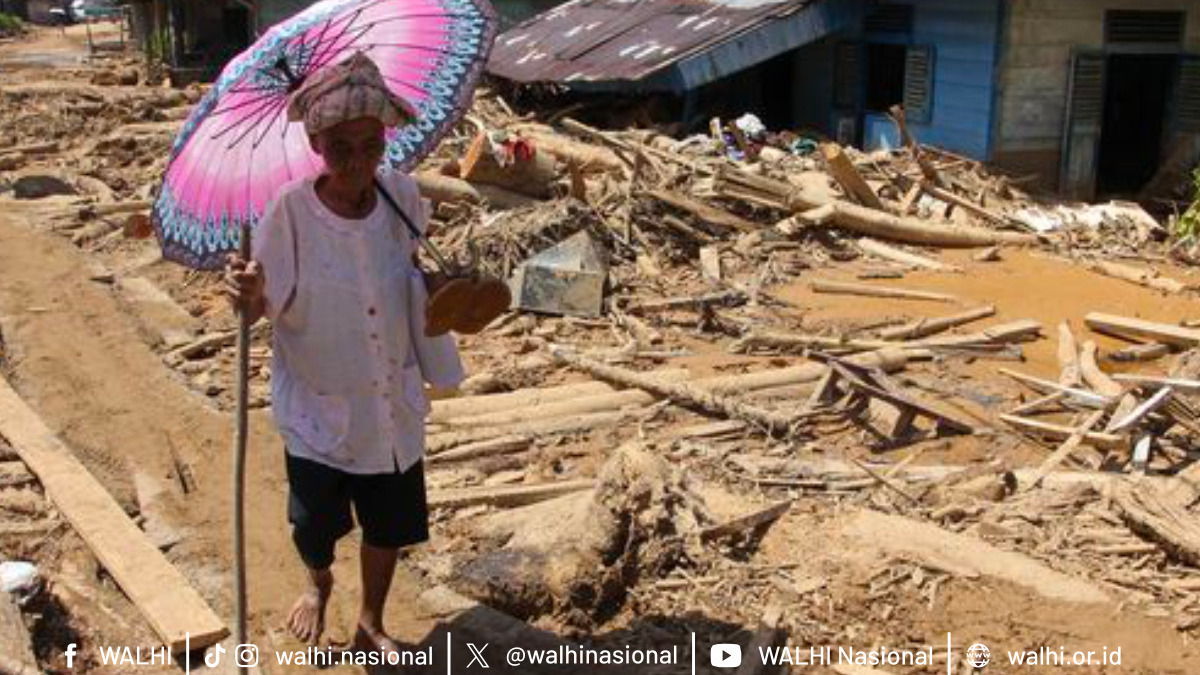
The depth of the humanitarian crisis became starkly visible in Aceh Tamiang Regency, where residents raised white flags along sections of the Medan–Banda Aceh road in December 2025. Made from scraps of cloth and plastic, the flags were erected outside flooded homes and along submerged roads as a symbolic plea for help after weeks of isolation.
Residents said prolonged flooding had cut electricity, clean water and communications, while food and aid arrived sporadically.
“The white flag is a sign of surrender,” said Irwansyah, a local resident. “Our economy, our infrastructure, our access to help—everything has collapsed.”
Others described the gesture as a mix of protest, exhaustion and a demand to be recognised as citizens entitled to protection. Images of the flags circulated widely on social media and national television, drawing comparisons with emergency signals used in conflict zones and underscoring the severity of conditions facing flood-hit communities in Aceh.
A warning of recurring catastrophe
Disaster experts warn that prolonged inundation across inland Aceh has fractured supply chains, isolating communities and increasing the risk of indirect deaths from hunger, disease and lack of medical access. Unlike sudden disasters such as tsunamis, the floods have lingered for weeks, turning villages into islands and slowing the delivery of assistance.
For WALHI, the tragedy unfolding in Aceh is a warning of what lies ahead if environmental destruction continues unchecked.
“This is not merely about floods,” Afifuddin said. “It is about governance choices that sacrifice ecosystems and public safety.”