Indonesia revokes 28 concessions after deadly floods, but transfer to state firm sparks concern
Indonesia’s largest environmental group has criticised plans to transfer revoked forestry and mining concessions in Sumatra to a state investment entity, warning it risks repeating extractive practices blamed for deadly floods.
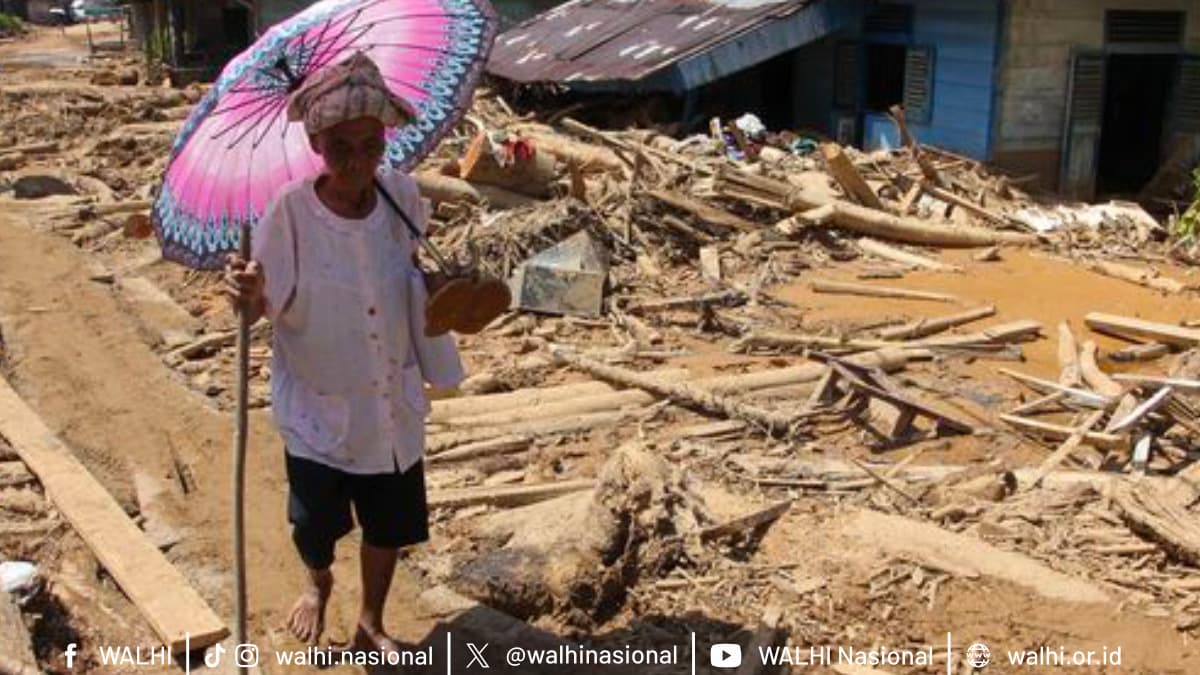
- Floods and landslides in Sumatra killed over 1,200 people and displaced more than 110,000.
- The government revoked 28 forestry, mining and plantation licences covering over one million hectares.
- WALHI warns transferring concessions to a state investment body risks perpetuating extractive practices.
Indonesia’s largest environmental organisation has criticised the government’s decision to transfer revoked business concessions to state investment management, warning that the move risks repeating the same extractive practices blamed for worsening ecological disasters across Sumatra.
The criticism comes as parts of Sumatra continue to recover from devastating floods and landslides that struck late last year, killing more than 1,200 people and displacing over 110,000 others, making it one of the deadliest natural disasters in Indonesia in recent decades.
Disaster toll still rising across Sumatra
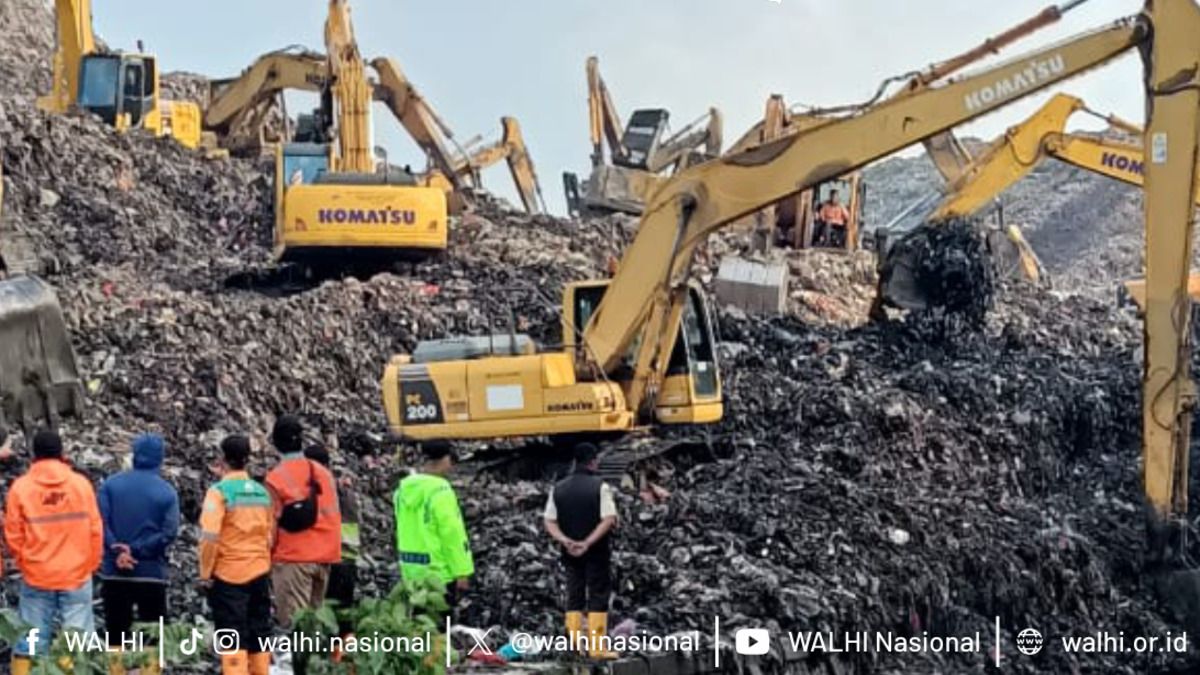
Two months after floods and landslides swept through Aceh, North Sumatra and West Sumatra, many communities remain buried in mud and debris, with search operations still under way in some areas.
According to Indonesia’s National Disaster Management Agency (BNPB), as of late January the disaster had killed 1,204 people, with 140 still missing.
More than 111,800 residents remain displaced, while damage has been recorded to nearly 248,000 houses, thousands of schools, places of worship and health facilities, as well as hundreds of bridges and roads.
Fresh flooding in Central Tapanuli, North Sumatra, earlier this week has reinforced concerns that ecological degradation is making disasters more frequent and destructive.
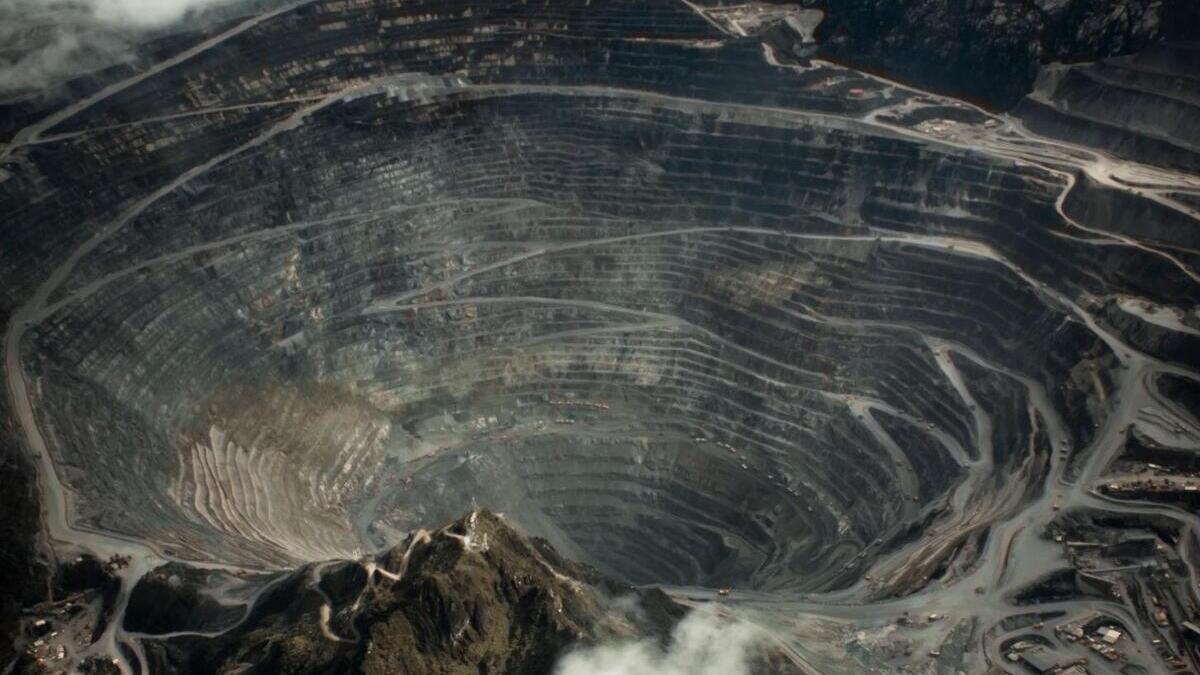
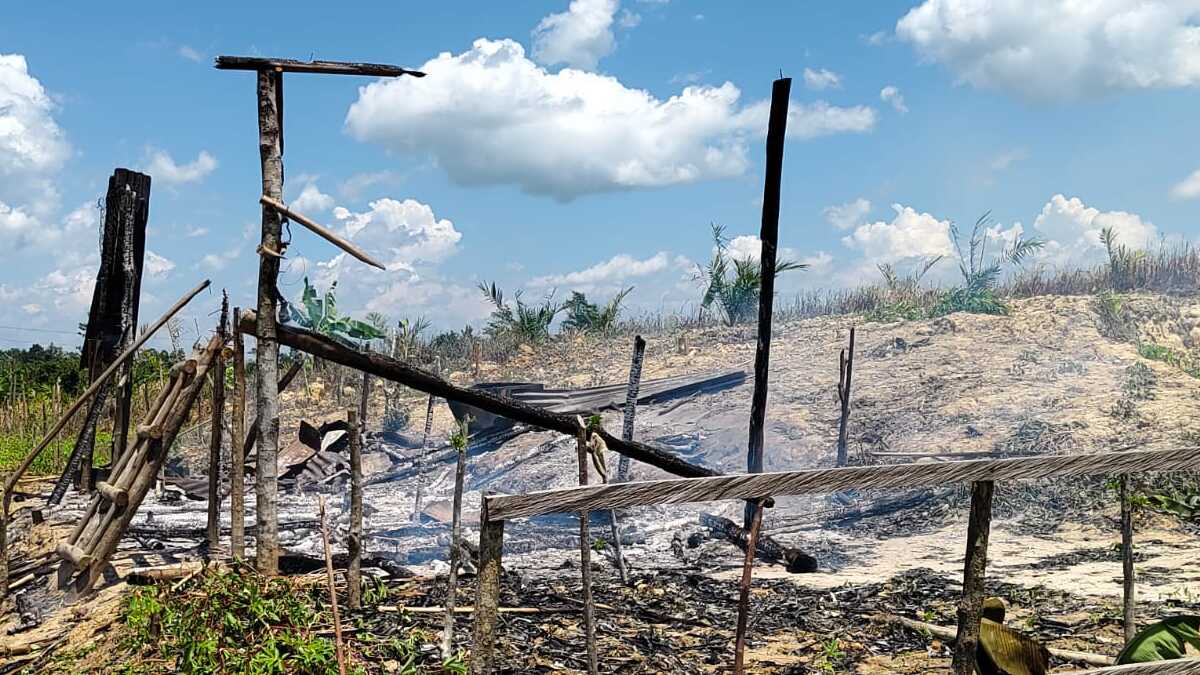
Environmental campaigners argue that upstream land use changes — including logging, mining and plantation development — have worsened flooding risks by stripping forests that normally absorb rainfall and stabilise soil.
Government revokes 28 company licences
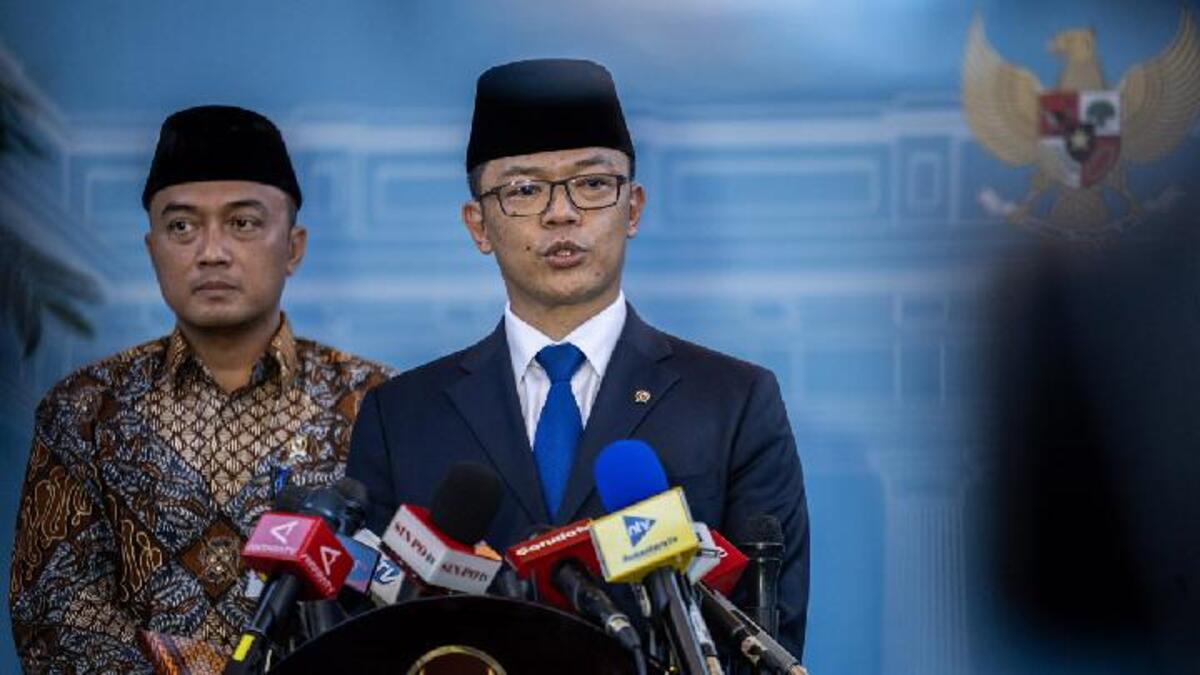
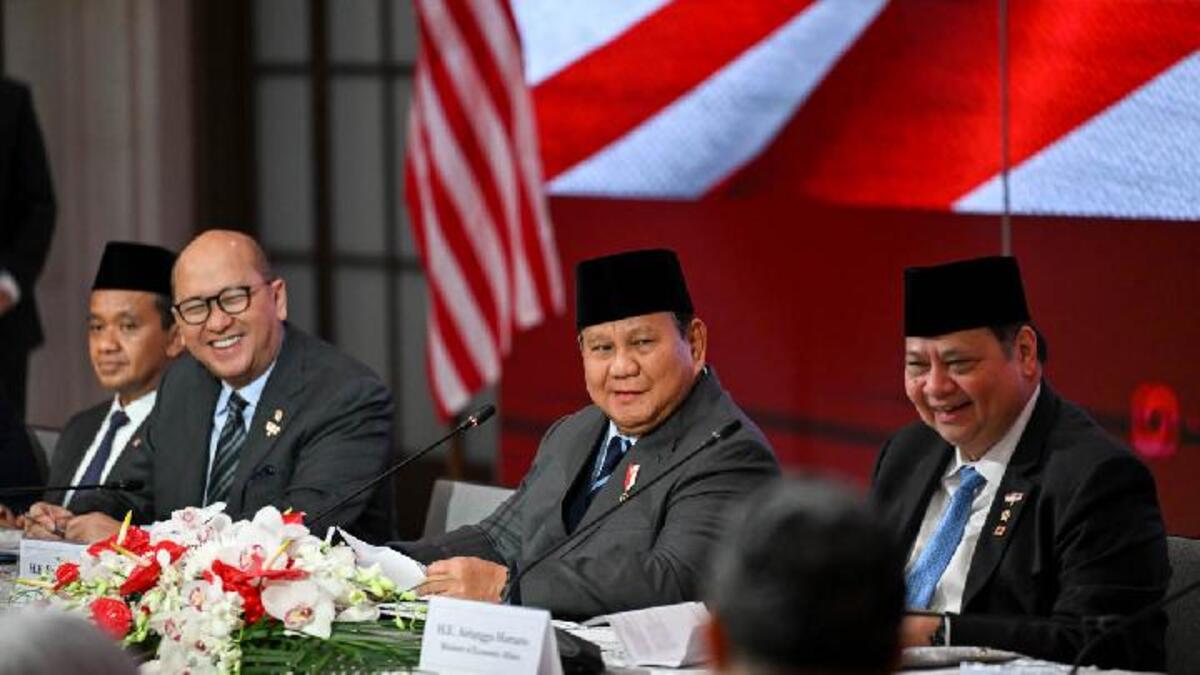
Amid mounting public pressure, President Prabowo Subianto’s administration last month revoked operating permits of 28 companies working in forestry, mining and plantation sectors across Sumatra.
The decision followed an investigation by the government’s Task Force for the Orderly Management of Forest Areas, which reported serious administrative and environmental violations.
The revoked permits include forest utilisation concessions, mining licences, plantation permits and timber extraction rights covering more than one million hectares of land across Aceh, North Sumatra and West Sumatra.
Authorities say some companies operated outside permitted boundaries, including in protected forests, while others failed to meet financial obligations such as taxes and fees owed to the state.
However, the government has not yet clarified whether companies will face criminal prosecution or be required to fund environmental rehabilitation.
Transfer of concessions raises new concerns
The controversy deepened after the government announced that the revoked concessions would be transferred to Danantara, a state investment entity, to be managed by state-owned enterprises (BUMN).
Officials have also indicated that the revoked licences could be reviewed again in future, opening the possibility that some concessions may eventually be restored.
Indonesia’s Environmental Forum (WALHI) said this decision raises serious concerns about whether the policy truly aims to restore damaged ecosystems or simply consolidates control over natural resources under state corporations.
Uli Arta Siagian, WALHI’s Campaign Coordinator, questioned whether the move represented ecological reform or merely asset redistribution.
“Licence revocation should be momentum for comprehensive environmental audits, legal accountability, and restoration of affected ecosystems and communities,” she said in a press statement.
“Instead of prioritising restoration of people’s rights and ecosystems, the government has chosen to hand land management to Danantara and state-owned enterprises. This risks only replacing the managing actors without changing the extractive paradigm driving ecological crises.”
Transparency and accountability demanded
WALHI says key information surrounding the licence revocations has not been made public, including environmental audit results, violation criteria, and restoration plans.
Without transparency, the organisation argues, the public cannot judge whether revocations were based on legal and environmental evidence or merely administrative decisions.
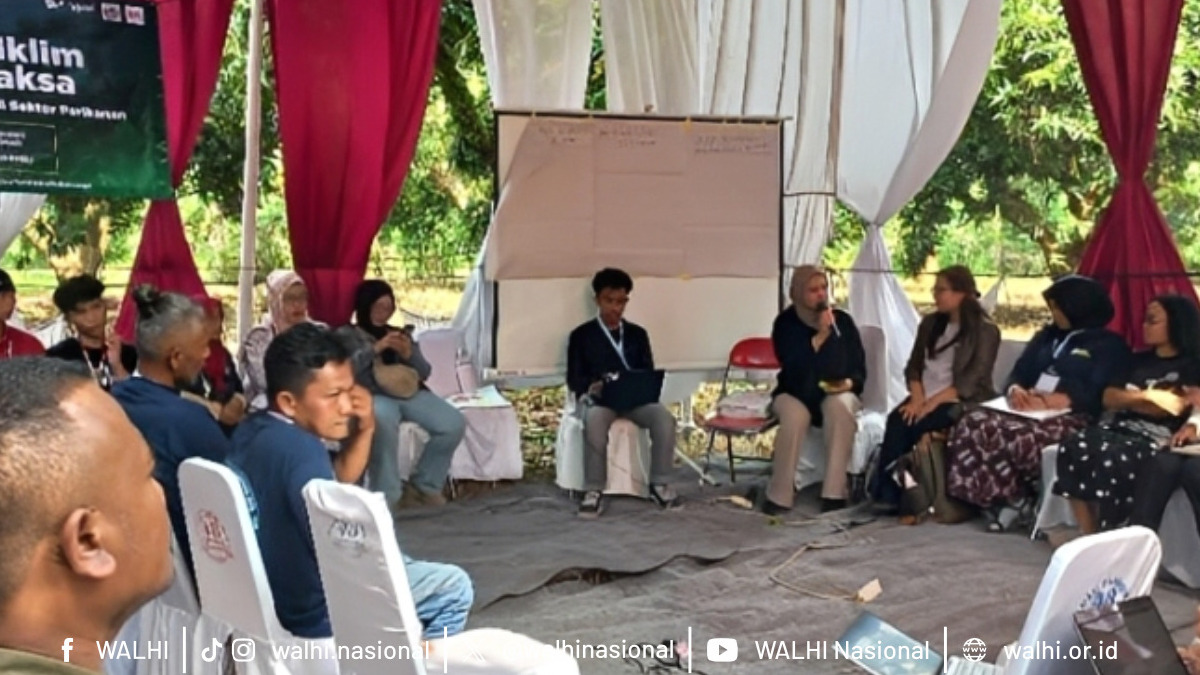
On 13 February, WALHI submitted formal requests for public information disclosure to several government institutions, including the Ministry of Forestry, Ministry of Environment, Investment Coordinating Board and the forest management task force.
The group insists licence revocation alone is insufficient if companies escape legal consequences for environmental damage.
“Revocation must not halt criminal or civil proceedings nor erase obligations for compensation and environmental restoration,” Uli said.
Restoration must involve communities
Environmental activists also argue that restoration plans must involve affected communities and prioritise ecosystem recovery rather than merely continuing industrial exploitation under new management.
Mida, WALHI’s coastal and marine campaigner, warned that upstream land mismanagement directly affects downstream coastal and marine ecosystems.
“The sea and land form one ecological system,” she said. “If upstream there is only a change of industrial actors without restoration, then coastal areas and the sea will continue to be victims.”
She urged the government to include coastal and fishing communities in restoration planning, ensuring recovery efforts cover entire ecological landscapes from forests to coastlines.