Indonesia’s coal power policy faces legal challenge as communities report economic and health impacts
Indonesia’s long-term electricity plan is facing legal challenge as communities and environmental groups warn that extending coal-fired power plant operations risks worsening pollution, harming livelihoods, and entrenching economic inequality despite official commitments to an energy transition.
- Environmental groups and affected residents are challenging Indonesia’s 2026–2060 electricity plan in court over continued reliance on coal power.
- Communities near captive coal plants serving nickel industries report pollution, health impacts and loss of livelihoods.
- Critics say government policies lock Indonesia into coal until 2060, contradict climate commitments and delaying a genuine energy transition.
Indonesia’s continued reliance on coal-fired power plants has come under renewed scrutiny as environmental groups and affected communities challenge government energy policy in court, warning that extending plant operations risks deepening environmental damage and widening economic inequality.
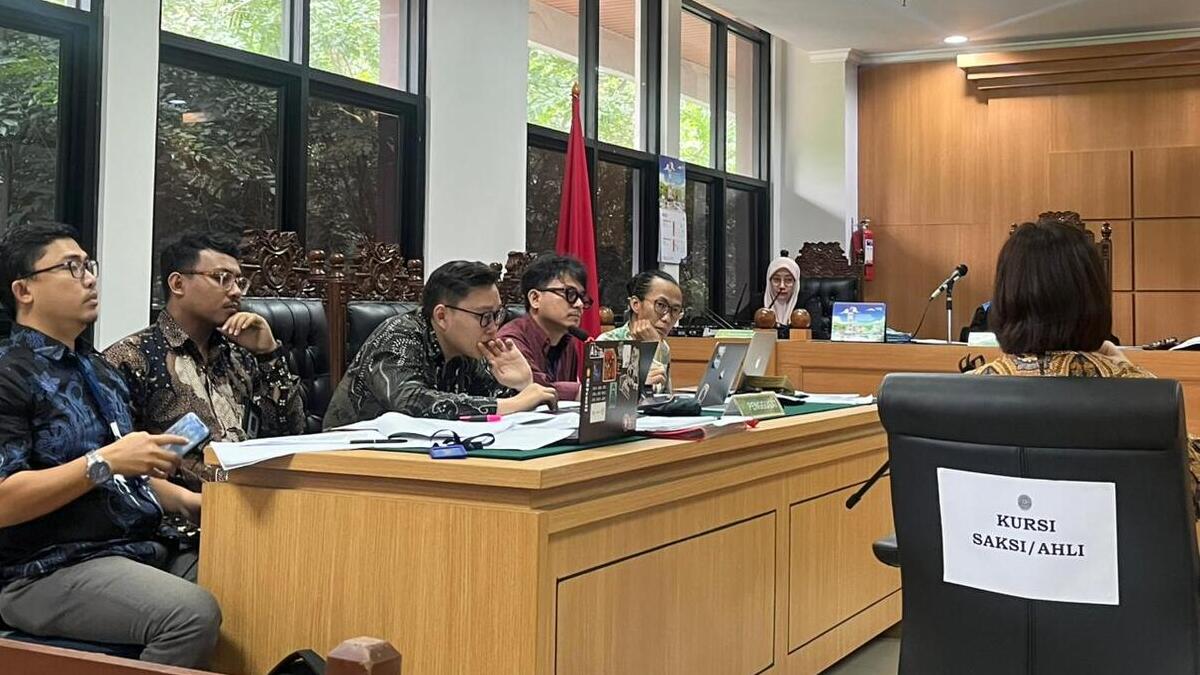
The concerns emerged during a follow-up hearing this week in a lawsuit contesting Indonesia’s 2026–2060 National Electricity General Plan (RUKN), the long-term blueprint governing electricity generation across the archipelago.
Environmental organisations argue that the plan locks Indonesia into prolonged coal dependence instead of accelerating the retirement of ageing coal plants in line with global climate commitments.
Residents describe livelihood losses
At the hearing on 3 February, residents from Kapoiala District in Konawe Regency, Southeast Sulawesi, testified about the impact of coal power plants serving major nickel-processing industrial estates operated by PT Virtue Dragon Nickel Industry (VDNI) and PT Obsidian Stainless Steel (OSS).
The power plants, which began operating between 2017 and 2018, supply electricity primarily for smelting operations linked to Indonesia’s rapidly expanding nickel industry, a sector crucial to global electric vehicle supply chains.
However, according to local witnesses, nearby communities have paid a heavy price.
Fish farmers who depend on aquaculture ponds as their main income source say their livelihoods have collapsed following pollution of the Motui River, the primary water source feeding local ponds.
Before plant operations began, residents reported harvesting milkfish up to three times annually, earning between Rp25 million and Rp30 million (approximately US$1,600–1,900) every three months.
Since pollution increased, residents claim fish fry die before reaching maturity, making harvests impossible and eliminating a vital source of income.
Legal counsel Teo Reffelsen, representing the plaintiffs, said testimony showed a clear link between industrial activity and economic decline in the area.
“This demonstrates that the power plants have directly harmed the community’s ability to sustain their livelihoods,” he told the court.
Court ruling yet to be implemented
Residents also pointed to a previous environmental lawsuit decided in their favour at Unaaha District Court in 2024. The ruling ordered PT OSS to provide transparent information about pollution levels and required both VDNI and OSS to restore environmental damage linked to their operations.
However, according to witness testimony, the companies have yet to fully implement the court’s orders.
Beyond economic losses, health impacts are also being reported. Residents living as close as 100 metres from industrial and power plant zones say respiratory illnesses have increased significantly.
Local health centre records presented during proceedings showed acute respiratory infections (ARI) among the most common illnesses affecting nearby communities. Witnesses stated that some residents, including relatives, have died after suffering respiratory conditions.
Community representatives said they had reported the impacts to the Ministry of Energy and Mineral Resources, but were informed that the plants could not be shut because Indonesia still relies heavily on coal for electricity supply.
Plaintiffs argue this position contradicts national and international commitments to transition towards cleaner energy.
Experts warn policy contradictions
Expert testimony from Katherine Hasan, an air pollution analyst at the Centre for Research on Energy and Clean Air (CREA), highlighted contradictions in Indonesia’s energy policy.
Although Indonesia has pledged to gradually reduce coal power usage, regulations still allow so-called captive coal plants—facilities built to serve specific industrial operations—to continue operating with no clear shutdown deadlines.
According to Hasan, recent regulatory developments suggest Indonesia may move towards a coal “phase-down” rather than a full phase-out, replacing part of coal generation with renewable energy but keeping significant coal capacity online for decades.
Government promotion of biomass co-firing and carbon capture and storage (CCS) technologies, she argued, is also being used to justify extending plant lifetimes.
While these technologies can reduce emissions intensity, Hasan said they do not eliminate pollution or fully address environmental and health impacts experienced by surrounding communities.
She added that global trade trends increasingly penalise carbon-intensive production, meaning continued coal dependence may eventually harm Indonesia’s industrial competitiveness.
Air pollution also carries heavy economic costs through rising healthcare spending and reduced worker productivity, creating wider national economic consequences, she said.
Coal dependency “locked in”
Wildan Siregar, representing the Bersihkan Indonesia advocacy coalition, argued that the current electricity plan effectively entrenches coal dependency until at least 2060.
He said policies allowing captive plants, combined with reliance on CCS and biomass co-firing, delay rather than accelerate transition to cleaner energy sources.
Research by energy think tank Trend Asia estimates that meeting biomass co-firing targets at more than 100 power plants could require up to 2.33 million hectares of plantation forests, potentially driving large-scale deforestation.
Meanwhile, studies suggest coal-fired plants contribute to tens of thousands of premature deaths in Indonesia, generating economic losses amounting to thousands of trillions of rupiah due to health impacts.
“Maintaining coal capacity until 2060 is not merely technical policy,” Wildan argued. “It is a political decision that sacrifices public health and contradicts Indonesia’s commitments under the Paris Agreement to limit global warming to 1.5 degrees Celsius.”
Early retirement plan reversal criticised
Criticism of Indonesia’s coal policy has also intensified following the cancellation of a planned early retirement of the Cirebon-1 coal-fired power plant in West Java.
The 660-megawatt facility had been selected as a pilot project under an international financing scheme designed to help developing countries phase out coal power earlier than originally planned.
Under an agreement announced in 2023, the plant was to close in 2035 instead of 2042, financed through the Asian Development Bank’s Energy Transition Mechanism, with funding estimated at US$250–300 million.
However, in late 2025, Coordinating Economic Minister Airlangga Hartarto confirmed the early closure plan had been scrapped, stating the plant remained relatively modern and could continue operating longer. Funding would instead be redirected towards retiring older facilities.
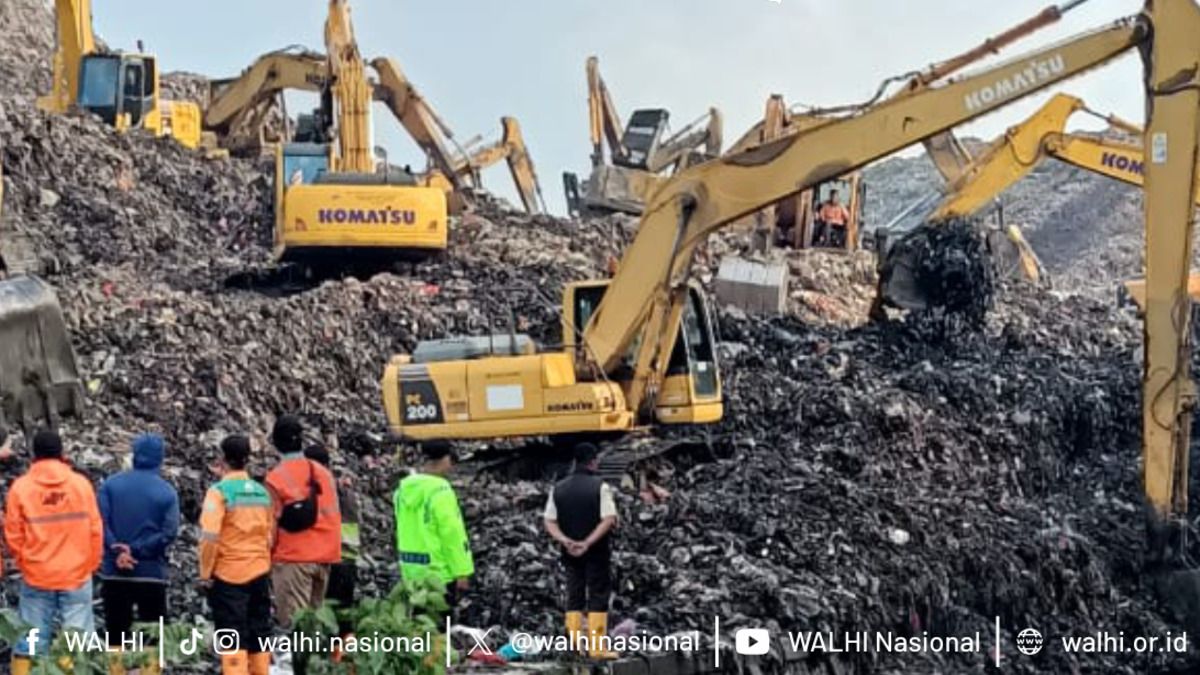
Environmental organisation WALHI criticised the decision, arguing that it prioritised financial calculations while ignoring public health and environmental costs borne by communities living near the plant.
The group also criticised the lack of transparency surrounding the reversal, saying health and environmental impact assessments used to justify the decision have not been publicly released.