From climate crisis to forced labour: Forced migration and injustice in Indonesia’s fisheries sector
Fishing and labour groups in Indonesia have urged urgent government action, warning that environmental degradation and climate change are driving forced migration and labour exploitation, particularly among women in coastal communities.
- Fishing and labour groups warn environmental degradation is driving forced migration and labour exploitation.
- Women in coastal communities are disproportionately affected, with limited protection or policy recognition.
- Activists urge concrete state action to restore ecosystems, recognise climate migration, and safeguard workers’ rights.
Environmental and labour organisations in Indonesia have warned that ecological destruction and climate change are increasingly pushing coastal communities into forced migration and exposing vulnerable workers, particularly women, to exploitation and unsafe working conditions.
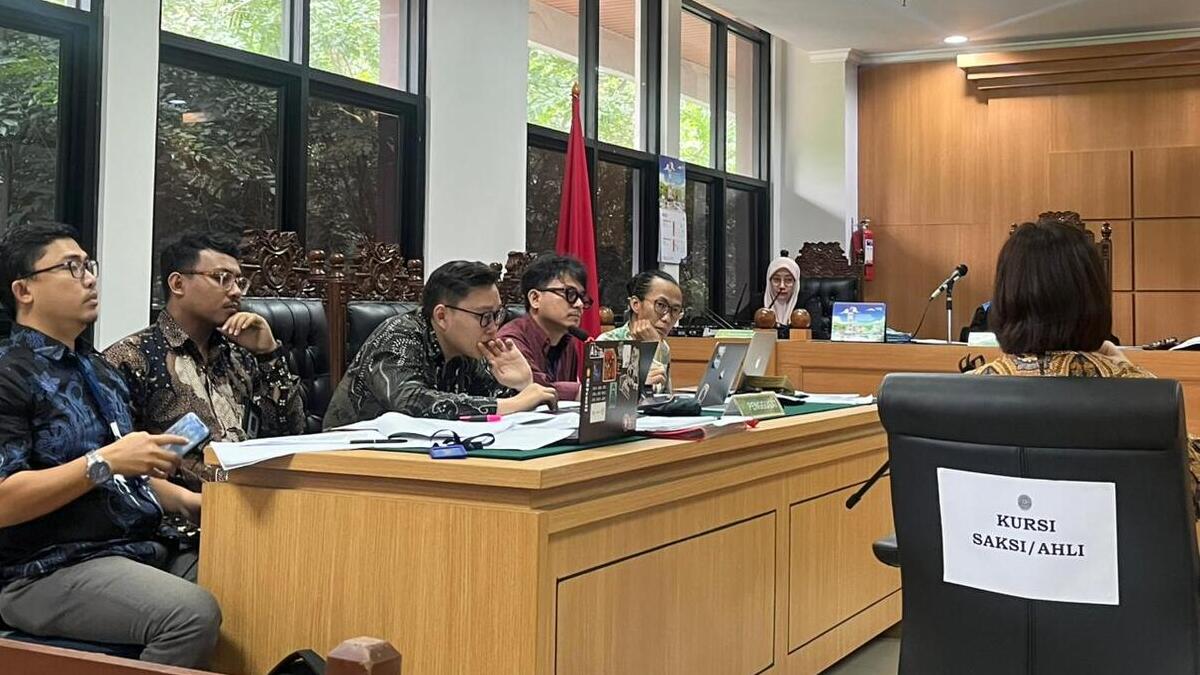
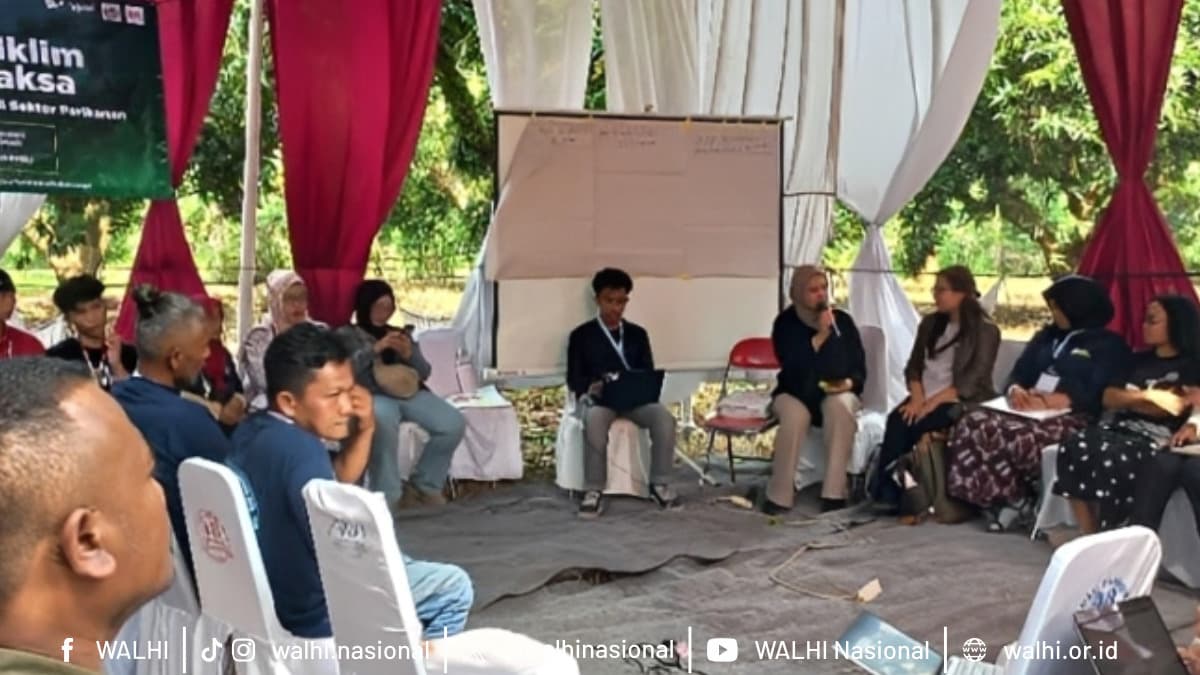
The concerns were raised during the Fisheries Workers Jamboree 2026, held in Pemalang on 10 February, where representatives from fishing communities and civil society groups gathered to discuss the mounting challenges facing the country’s fisheries workforce.
A total of 41 participants from different regions attended the gathering, calling on the government to urgently implement concrete policies ensuring recognition, protection and fulfilment of the rights of women working throughout the fisheries sector.
These include traditional fishers, fish-sorting workers and seafood processors who play critical roles in coastal economies but often lack formal protection.
Organisers say these groups face compounded vulnerabilities caused by environmental degradation and the climate crisis, which have reduced marine resources, undermined incomes and forced many families to migrate in search of survival.
Development pressures and ecosystem damage
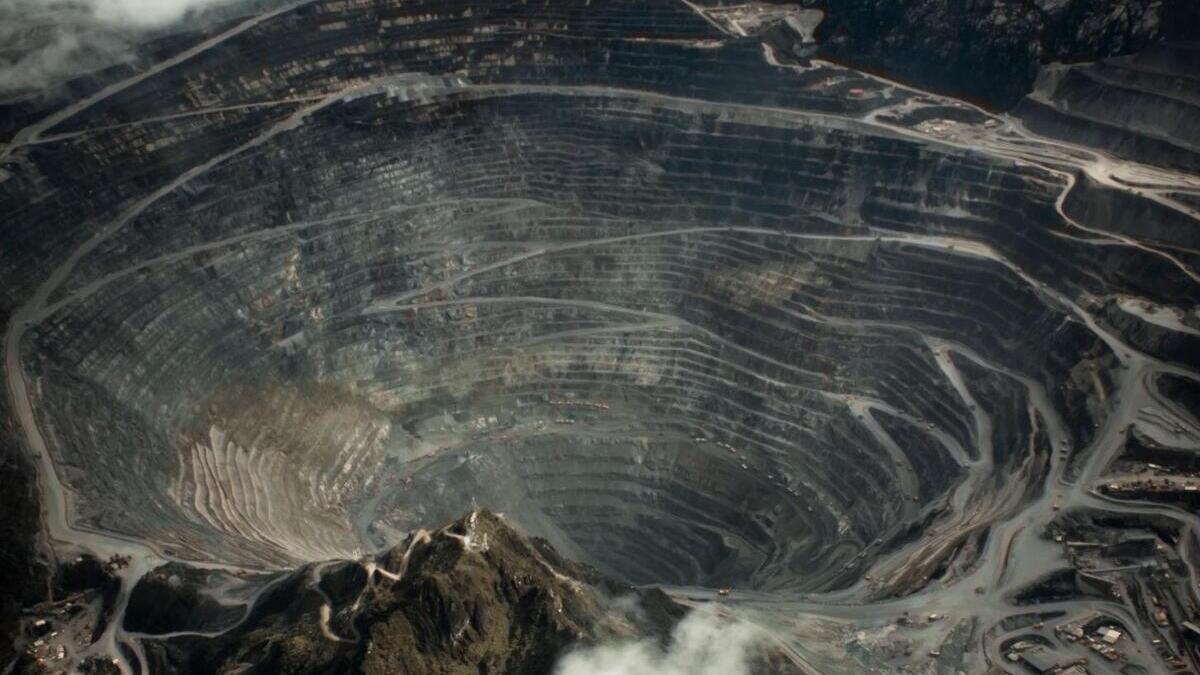
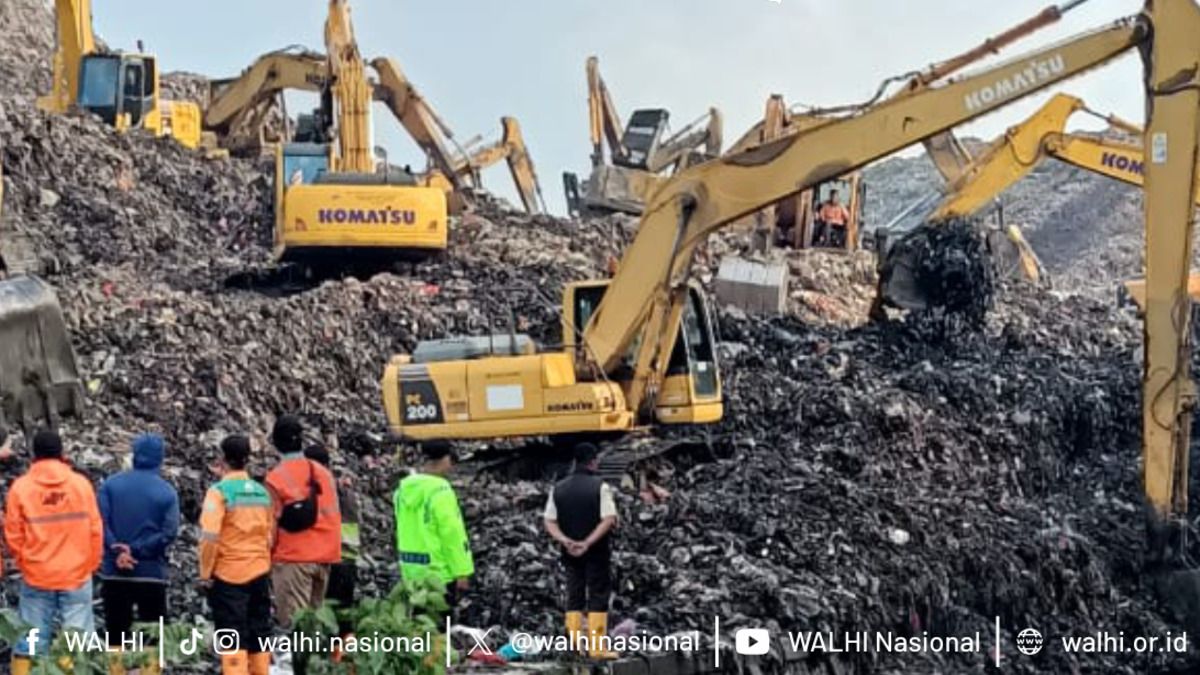
Activists argue that government-backed development projects and extractive activities continue to damage coastal ecosystems, widening the gap between official development promises and the realities experienced by communities.
Marine ecosystems, which function as significant carbon sinks, are increasingly degraded due to coastal reclamation, tourism development, privatisation of marine areas and industrial exploitation. Environmental groups warn that this damage further accelerates climate change impacts.
Melva Harahap, Manager for Ecological Disaster Issues Management at WALHI’s National Executive, said large-scale ecological destruction lies at the core of the current crisis.
“Many coastal communities depend entirely on the sea for their livelihoods. Yet ecosystems are being converted into development projects under the banner of progress, including villas, privatisation of coastal areas and reclamation projects,” she said during the event.
Harahap noted that policies which fail to prioritise environmental protection leave communities with limited options, often forcing them to migrate in order to secure income elsewhere.
She added that collective organisation, stronger monitoring of regulations and law enforcement, and the preservation of local ecological knowledge are essential to protect both workers and the environment.
Migrant workers left vulnerable
Labour groups attending the jamboree criticised the government for inadequate protection of Indonesian migrant workers, many of whom originate from coastal communities affected by economic and environmental decline.
Maria, representing the Sovereign Migrant Workers Coalition, accused authorities of failing to safeguard citizens working overseas.
“The Indonesian government allows its people to live and work without proper documentation. This represents a failure of the state to fulfil its responsibility to protect its citizens,” she said.
She pointed to cases in which Indonesian migrant workers and their families have reportedly been detained for prolonged periods in facilities such as Rumah Merah in Sabah, Malaysia, where abuses have allegedly occurred.
According to labour advocates, migrants leaving coastal areas often do so through informal channels, making them vulnerable to trafficking, exploitation and forced labour conditions abroad.
Climate migration often ignored
Speakers at the gathering emphasised that climate change is becoming a major driver of migration in Indonesia, although it is rarely acknowledged in official migration data or policy discussions.
Yuni, from the Indonesian Migrant Workers Union (SBMI), explained that environmental disasters and declining natural resources increasingly force people to leave their homes.
“Sea-level rise, drought, crop failures, declining fish catches and environmental degradation push individuals, especially women, to migrate domestically or overseas simply to survive,” she said.
However, climate factors are not formally recognised as drivers of migration, meaning many climate-displaced people remain statistically invisible.
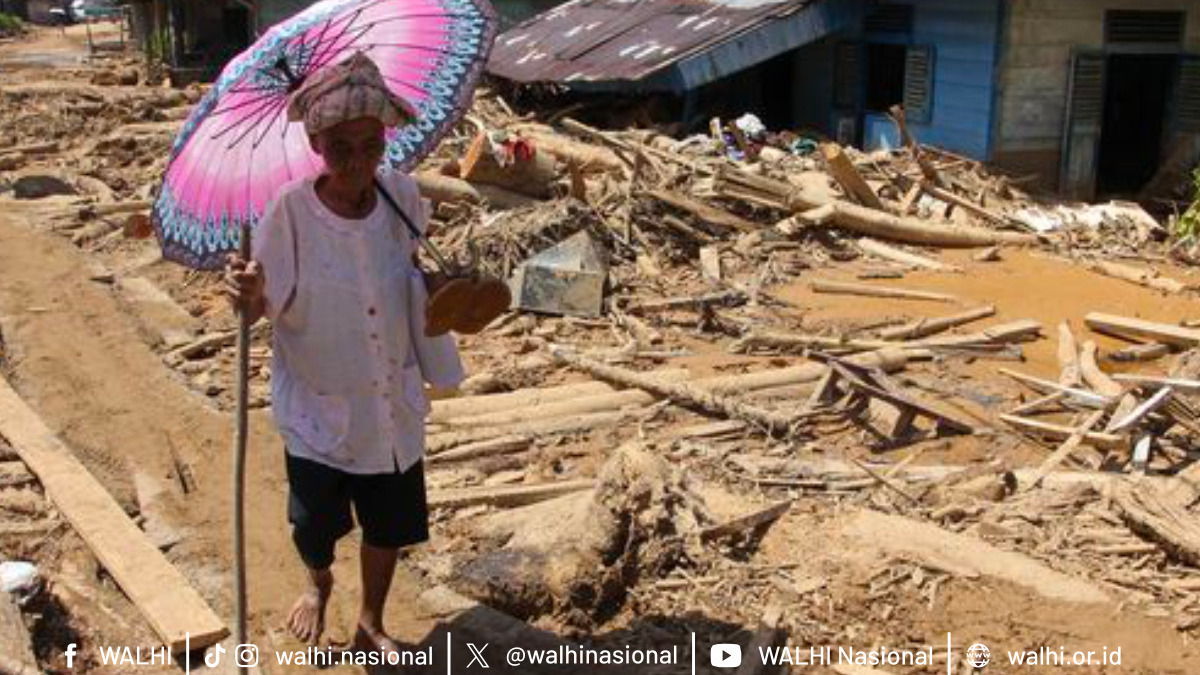
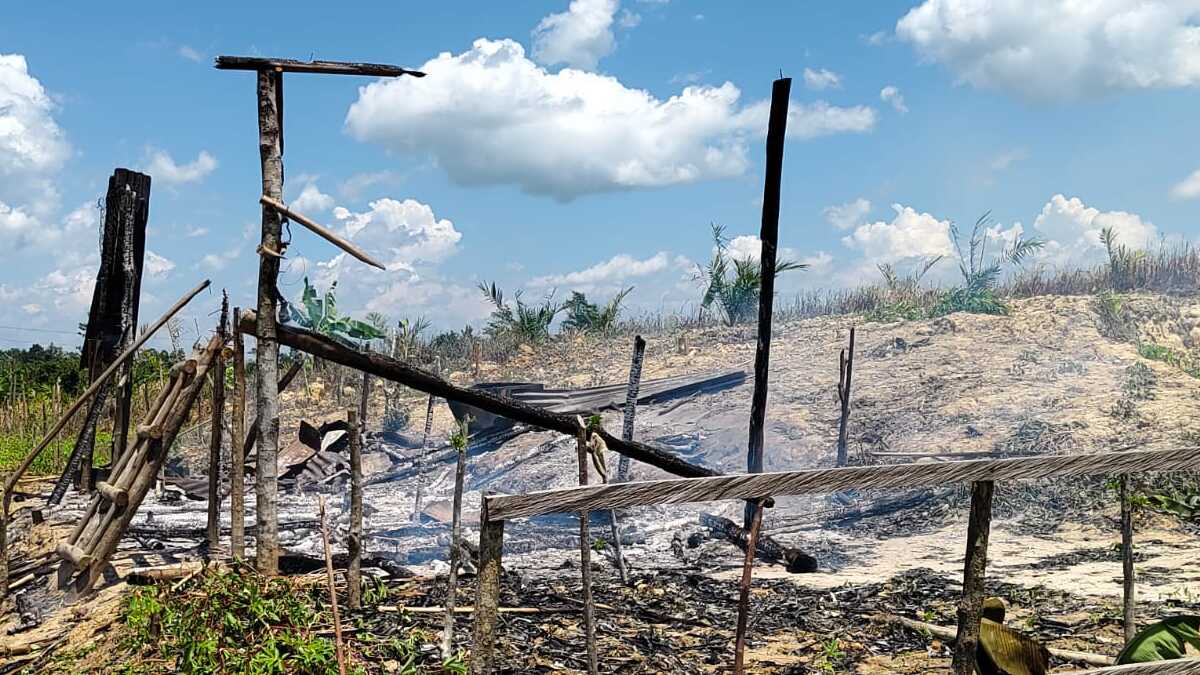
“Coastal erosion, tidal flooding and extreme weather destroy living spaces, yet this migration is rarely recognised as forced migration,” she added.
Critics say policies often focus on managing labour migration flows rather than addressing the environmental and economic factors pushing people to leave in the first place.
Women bear disproportionate burden
Participants stressed that climate-induced migration disproportionately affects women, children and other vulnerable groups, who face higher risks of violence and exploitation throughout the migration process.
Advocates argue that from a human rights perspective, governments have obligations to guarantee safe living conditions, decent work, health services and protection from violence, especially when displacement is driven by environmental crises.
They say this responsibility includes ensuring development policies do not rely on environmentally destructive practices that ultimately undermine community livelihoods.
Women’s contributions overlooked
Organisers also highlighted the often-overlooked role of women in Indonesia’s fisheries economy. While fishing is often associated with men at sea, an estimated 3.9 million women work in fisheries-related activities, particularly in processing and post-harvest sectors.
Novia of Solidaritas Perempuan said women are frequently the first to feel the economic impacts when fisheries decline, yet their voices remain marginal in policymaking.
“When marine ecosystems are damaged, women are often forced to migrate as workers to support their families. Yet protection remains minimal and law enforcement weak,” she said.
She urged the government to expand protection beyond workplace regulations to include safeguards against violence and exploitation, restoration of communities’ rights to a healthy environment, and stronger action to address the climate crisis itself.