Indonesia advances Papua food and energy megaproject amid secrecy and Indigenous resistance concerns grows
Indonesia’s government is pushing ahead with plans to expand a strategic food and energy project in South Papua, despite limited transparency and growing resistance from Indigenous communities, who warn of land rights violations and environmental harm.

- The government is advancing a national strategic project in South Papua for food and energy self-sufficiency, with limited public explanation from central authorities.
- Indigenous communities and civil society groups are resisting the expansion, citing land rights, environmental damage and constitutional concerns.
- Legal and environmental organisations warn the policy could breach Indonesia’s constitution and human rights obligations.
The Indonesian government’s plans to expand a national strategic project (PSN) for food and energy self-sufficiency in South Papua are advancing amid limited public explanation from central authorities and mounting resistance from Indigenous communities on the ground.
For weeks, attempts to obtain official clarification have yielded little. On 5 January 2026, Tempo submitted formal interview requests to President Prabowo Subianto through the State Secretariat Ministry, while sending similar letters to nine ministries, government agencies, and private companies linked to the project. None agreed to be interviewed before publication.
Only after repeated follow-ups did several ministries provide written responses.
Among them was the Coordinating Ministry for Food Affairs, which outlined the government’s position through its Deputy for Food and Agricultural Business Coordination, Widiastuti.
Government plans and stated targets
According to Widiastuti, the National Food, Energy, and Water Self-Sufficiency Acceleration Team—chaired by Coordinating Minister for Food Affairs Zulkifli Hasan—has prepared a master plan for South Papua.
The plan is coordinated by the National Development Planning Agency (Bappenas) and involves multiple technical ministries.
She said the team is overseeing the implementation of Presidential Instruction No. 14/2025, with monitoring by the Financial and Development Supervisory Agency (BPKP) and the Attorney General’s Office.
The government’s targets, she said, are ambitious: self-sufficiency in staple foods such as rice, sugar, salt, beef, chicken, eggs and fish, alongside renewable energy derived from oil palm for biodiesel and sugarcane for bioethanol.
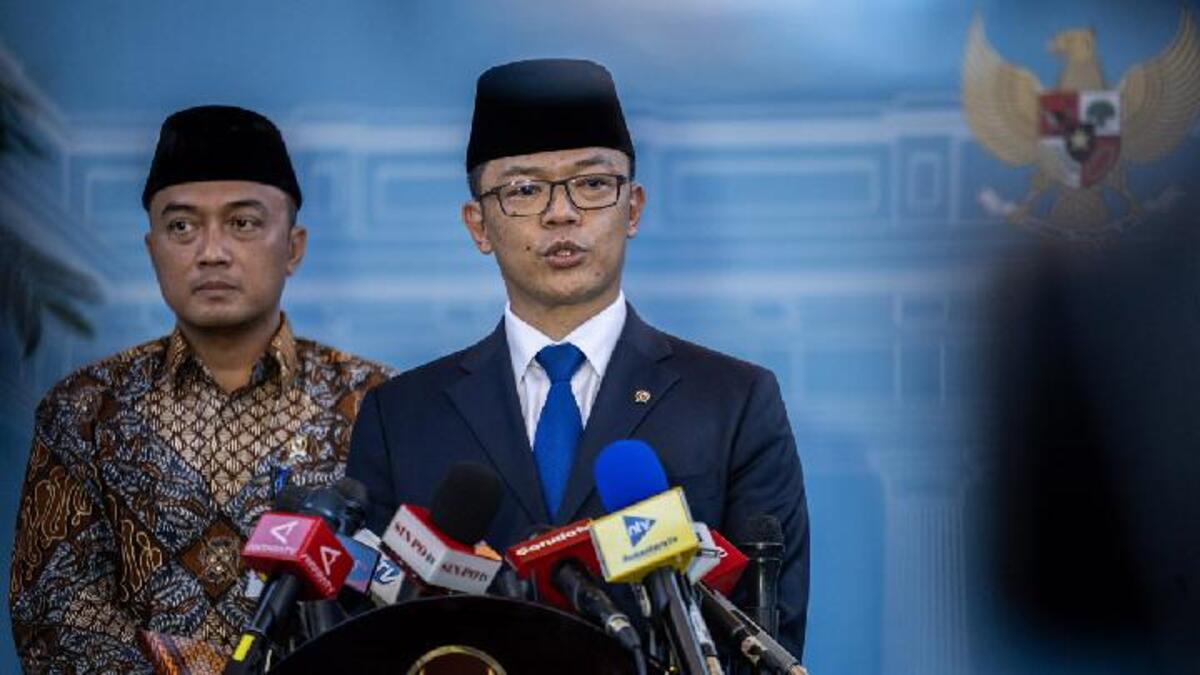
Doorstep interviews with Agrarian Affairs and Spatial Planning Minister Nusron Wahid and Deputy Agriculture Minister Sudaryono offered little additional detail, reinforcing the sense that decision-making remains highly centralised.
Grassroots resistance in Papua
While official explanations remain sparse, resistance in Papua has become increasingly visible. On 19 January 2026, members of the Klagilit Maburu Indigenous Community in Moisegen District, Sorong Regency, Southwest Papua, expelled a man they said was acting on behalf of palm oil company PT Inti Kebun Sejahtera.
According to the Aliansi Masyarakat Adat Nusantara (AMAN), the individual had attempted to persuade community members to surrender customary forest land for conversion into an oil palm plantation.
Ambrosius Klagilit, a leader of the community, said similar approaches had been made since late 2025, including offers of modern housing, vehicles, access to education and healthcare, and compensation of around Rp2 billion—approximately US$120,000.
“All of this is merely their tactic to take control of our customary forest,” Ambrosius said, stressing that oil palm cultivation has no place in Indigenous Papuan traditions. “For us, the forest is our mother.”
As of publication, PT Inti Kebun Sejahtera had not publicly responded to the allegations.
Policy push from the presidency
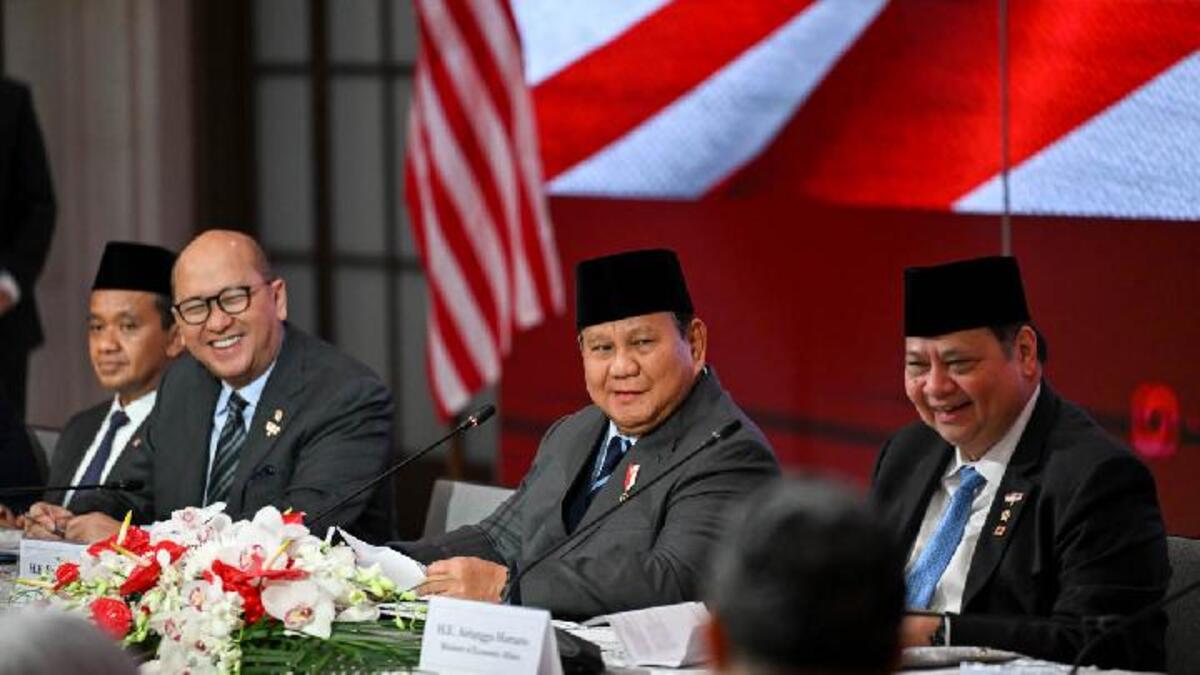
The confrontation reflects a broader national policy direction set out by President Prabowo in December 2025. Speaking at the State Palace, he said Papua should be prioritised for large-scale oil palm cultivation to support Indonesia’s biofuel ambitions, alongside ethanol production from sugarcane and cassava.
Prabowo framed the plan as a means to reduce fuel imports and subsidies, claiming it could save the state up to Rp520 trillion—about US$31 billion—annually.
He said Papua could become a centre of national energy independence within five years.
Environmental and human rights warnings
Environmental and Indigenous rights groups have warned that the policy risks accelerating deforestation and undermining constitutionally protected Indigenous land rights.
A 2024 study by the Pusaka Bentala Rakyat Foundation estimated that while palm oil expansion in Papua could generate economic gains of roughly Rp 17.64 trillion (around US$1.1 billion), the associated environmental damage could reach Rp 96.63 trillion—about US$6 billion.
The study identified 58 palm oil companies holding licences over 1.57 million hectares across Papua, often in areas already experiencing food insecurity.
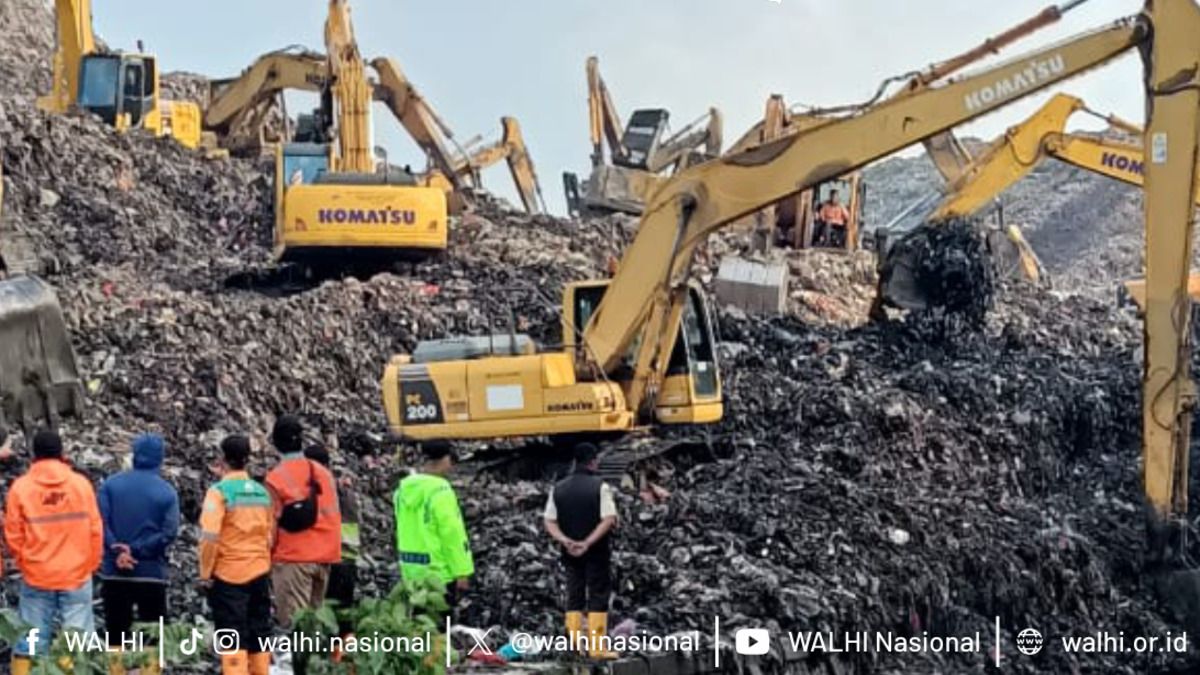
The Indonesian Forum for the Environment (WALHI) has echoed these concerns. “Papua is not empty land,” said Maikel Peuki, Executive Director of WALHI Papua. “Indigenous peoples are the rightful owners of the land and forests of Papua.”
Legal and constitutional challenges
A coalition of Papuan legal aid and human rights organisations has gone further, accusing the government of pursuing policies that could amount to gross human rights violations. In a press release issued on 19 December 2025, the coalition argued that large-scale plantation expansion violates Indonesia’s constitution and Papua’s Special Autonomy Law.
The coalition cited Article 18B(2) of the 1945 Constitution, which recognises customary law communities, and Article 28I(3), which guarantees Indigenous cultural rights.
It warned that converting customary land into state-controlled plantation zones without free, prior and informed consent could strip Indigenous Papuans of their rights to land, culture and self-determination.
Referring to Law No. 26 of 2000 on Human Rights Courts, the coalition said creating conditions that destroy Indigenous ways of life could meet the legal definition of genocide.
It urged the government to halt plantation expansion plans and called on National Commission on Human Rights (Komnas HAM) to investigate.