Indonesia warned of ‘comprehensive ecological crisis’ as growth drive accelerates environmental loss
WALHI warns Indonesia faces a nationwide ecological crisis driven by growth-first development, linking deforestation, mining and coal dependence to structural policy choices rather than isolated failures.
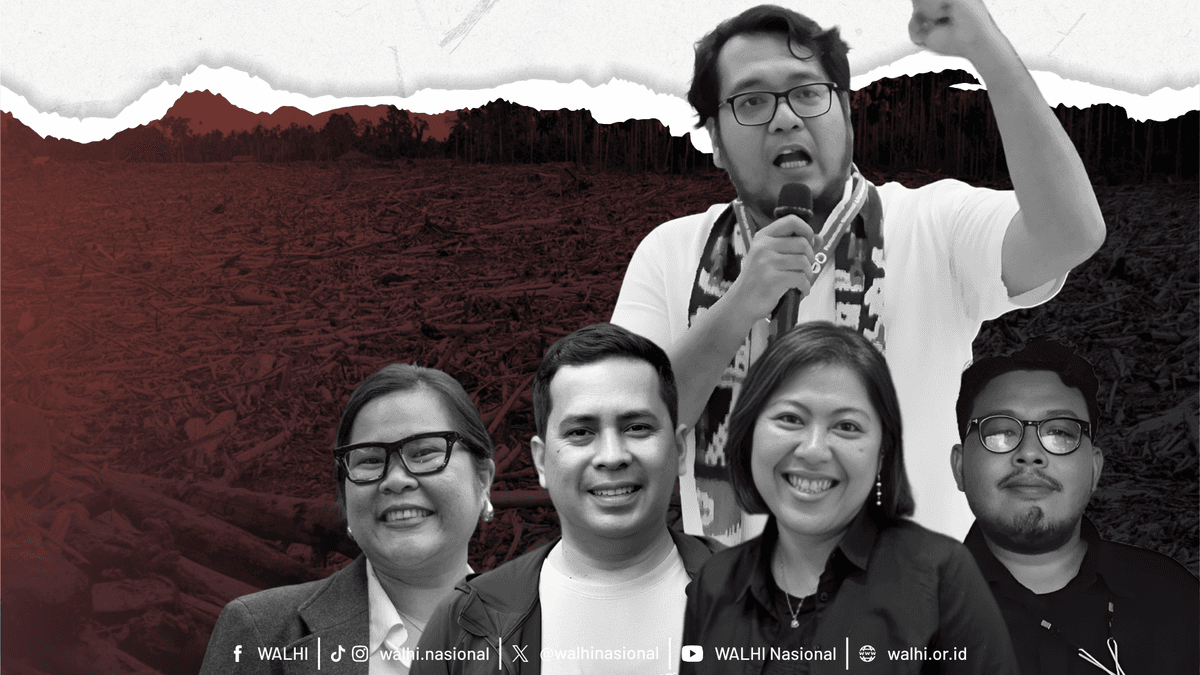
- Environmental group WALHI says Indonesia is experiencing a nationwide ecological crisis driven by extractive, growth-focused development.
- The organisation links deforestation, mining, coastal damage and energy policy to structural government choices rather than isolated failures.
- Campaigners urge a reset towards ecological justice, warning current policies risk long-term social and environmental collapse.
Environmental campaigners have warned that no part of Indonesia is safe from accelerating ecological damage, arguing that the country’s current development model is pushing forests, coasts and communities towards systemic crisis.
In its 2026 Environmental Review, released in Jakarta this week, the advocacy group Wahana Lingkungan Hidup Indonesia (WALHI) said Indonesia is facing an “acute and comprehensive ecological crisis” driven by an extractive, growth-at-all-costs economic trajectory.
According to the report, the state’s overriding pursuit of high GDP growth has overridden constitutional obligations to protect natural resources for the public good.
Rather than being isolated incidents, deforestation, mining expansion, coastal degradation and pollution are described as structural outcomes of national policy choices.
Growth first, environment later
Wahyu Eka Styawan, an urban justice campaigner with WALHI’s national executive, said the government’s ambition to achieve 8 per cent annual economic growth had been pursued “without regard for environmental carrying capacity”.
Throughout 2025, he said, policy directions effectively legalised further forest clearance, expanded mining on a massive scale, promoted what activists call false solutions in the energy transition and increased the role of security forces in managing natural resources.
In this model, he argued, GDP is treated as the sole yardstick of success while ecological destruction is written off as an unavoidable side effect.
That approach is also debt-fuelled. Government liabilities had reached Rp8,444.87 trillion (US$545 billion) by mid-2024, he noted, transferring both fiscal and environmental burdens to future generations.
Paradoxically, WALHI argues, faster aggregate growth has coincided with deteriorating everyday welfare, reflected in declining real wages and a rising number of people vulnerable to poverty.
Forests cleared and counted as climate assets
Uli Arta Siagian, WALHI’s national campaign coordinator, described what she called a deep contradiction in forest policy.
On one side, vast areas of forest are being cleared for mines, plantations, industrial timber estates and large-scale “food estate” projects. On the other, the same forests are expected to function as carbon sinks in climate policy.
WALHI says enforcement actions against forest concessions have often failed to return land to communities or restore ecosystems. Instead, revoked licences have in practice been followed by continued exploitation under new or state-linked corporate entities.
Around 26 million hectares of natural forest currently lie inside corporate concessions for logging, plantations or mining, according to the organisation. If licensing is fully mobilised to chase high growth, it warns, this would amount to the legalisation of vast additional deforestation.
Beyond that, plans exist to open a further 20 million hectares for food and energy production.
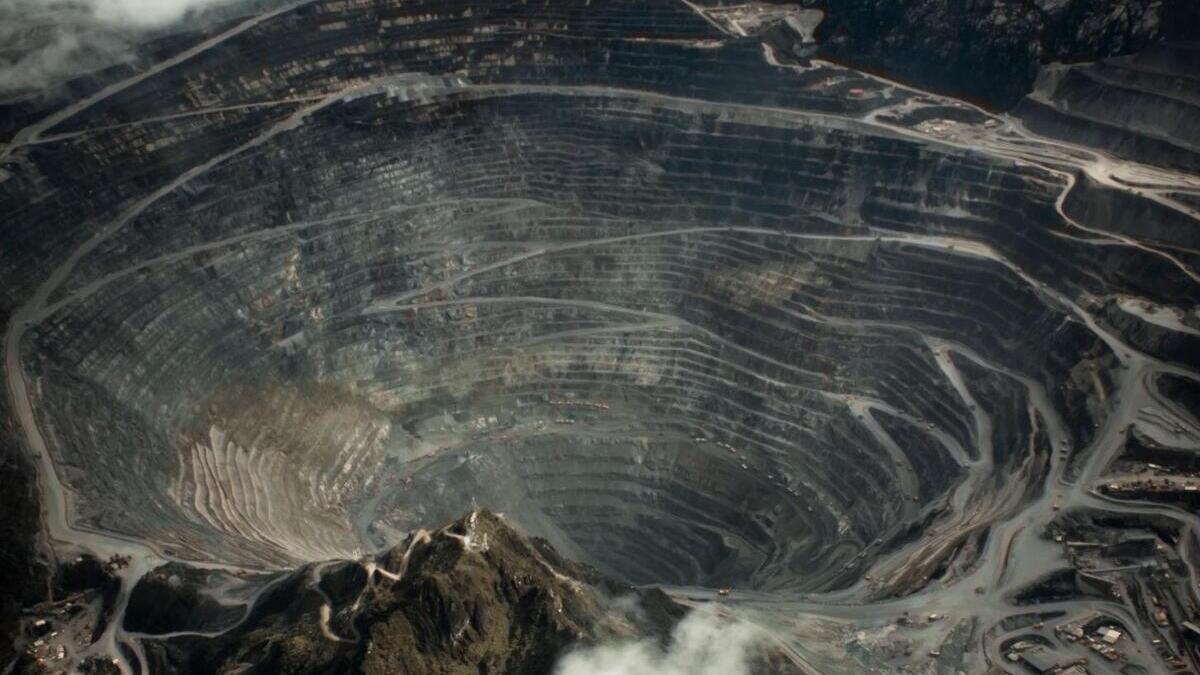
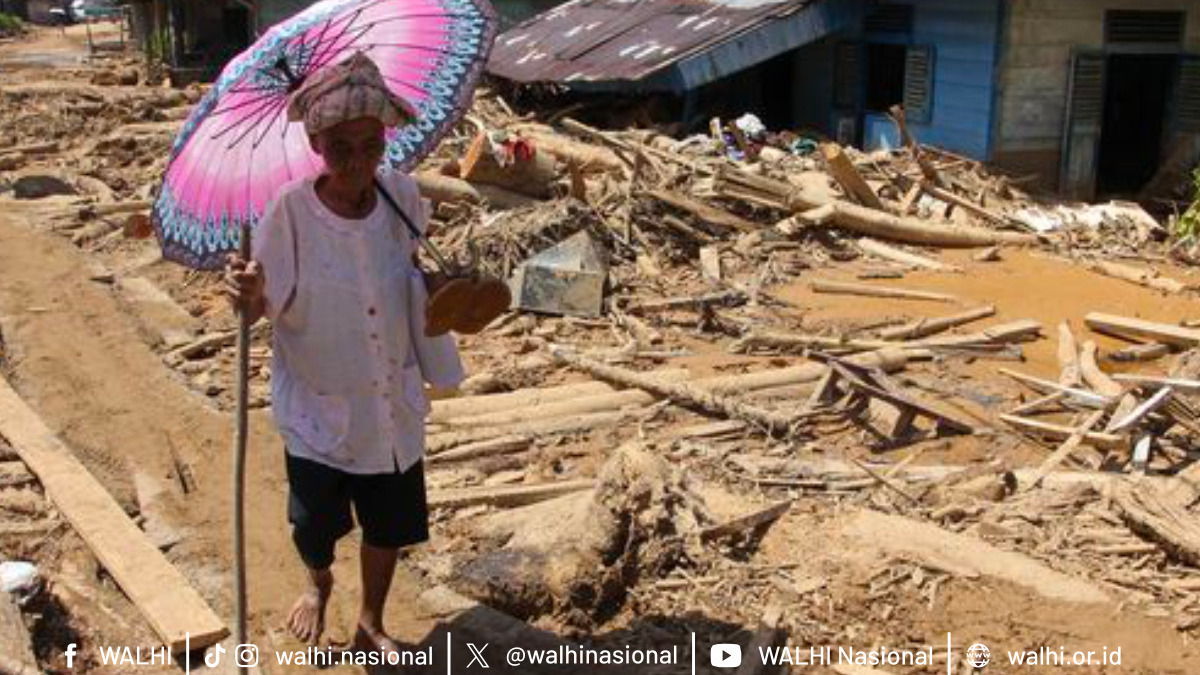
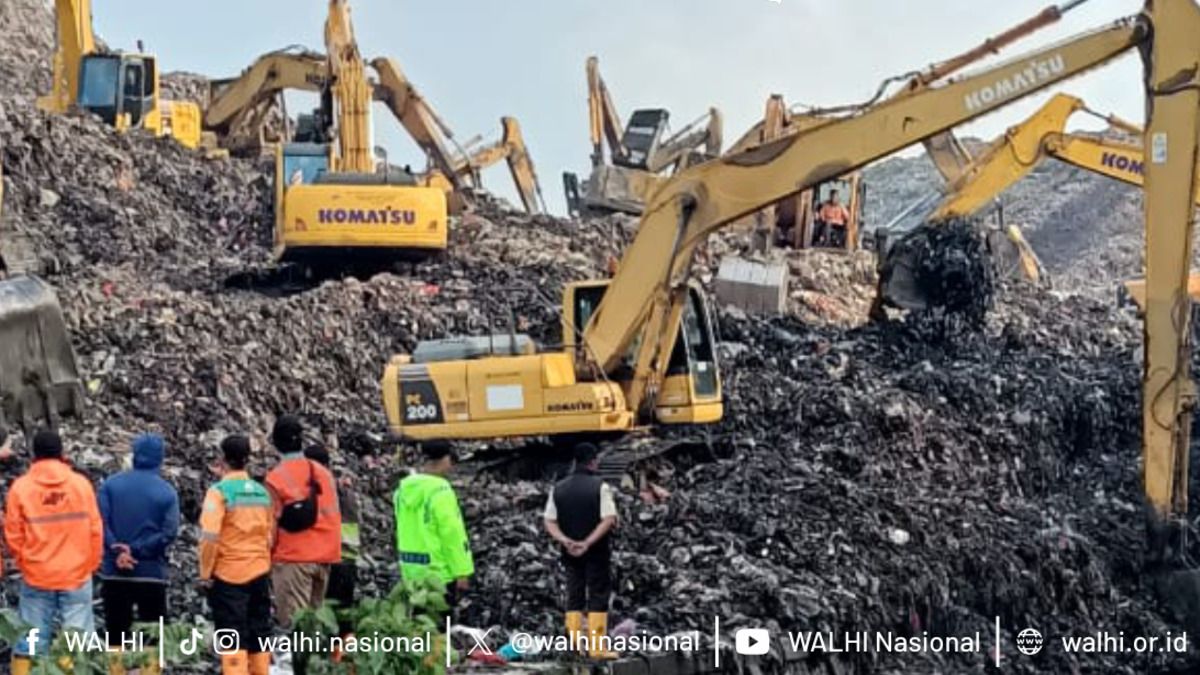
Active mining permits already cover more than 9 million hectares, which WALHI links to floods, landslides and the degradation of local food systems.
Pressure is not limited to inland forests. In coastal zones and on small islands, so-called blue economy policies are blamed for marginalising traditional fishing communities through land reclamation, offshore sand extraction and the construction of sea barriers that disrupt marine ecosystems.
An energy transition that still burns coal
The report also highlights tensions in Indonesia’s energy strategy.
The target share of renewable energy in the national mix for 2025 has been lowered to around 17–19 per cent, while coal use remains entrenched.
Measures promoted as transitional solutions – such as biomass co-firing in coal plants, carbon capture and storage, and coal gasification – are criticised by WALHI as prolonging the life of fossil-fuel infrastructure rather than replacing it.
At the same time, rapid industrialisation linked to nickel processing has triggered a boom in captive coal-fired power stations built to supply smelters.
These plants, often located in coastal industrial zones, are described as creating new “sacrifice areas” marked by air pollution, ecosystem damage and public-health risks.
Investment laws and shrinking civic space
Boy Jerry Even Sembiring, WALHI’s national executive director, said recent legal and regulatory changes have systematically tilted the balance towards investors and away from environmental protection and community rights.
He links this shift to a surge in intimidation and criminalisation of environmental defenders.
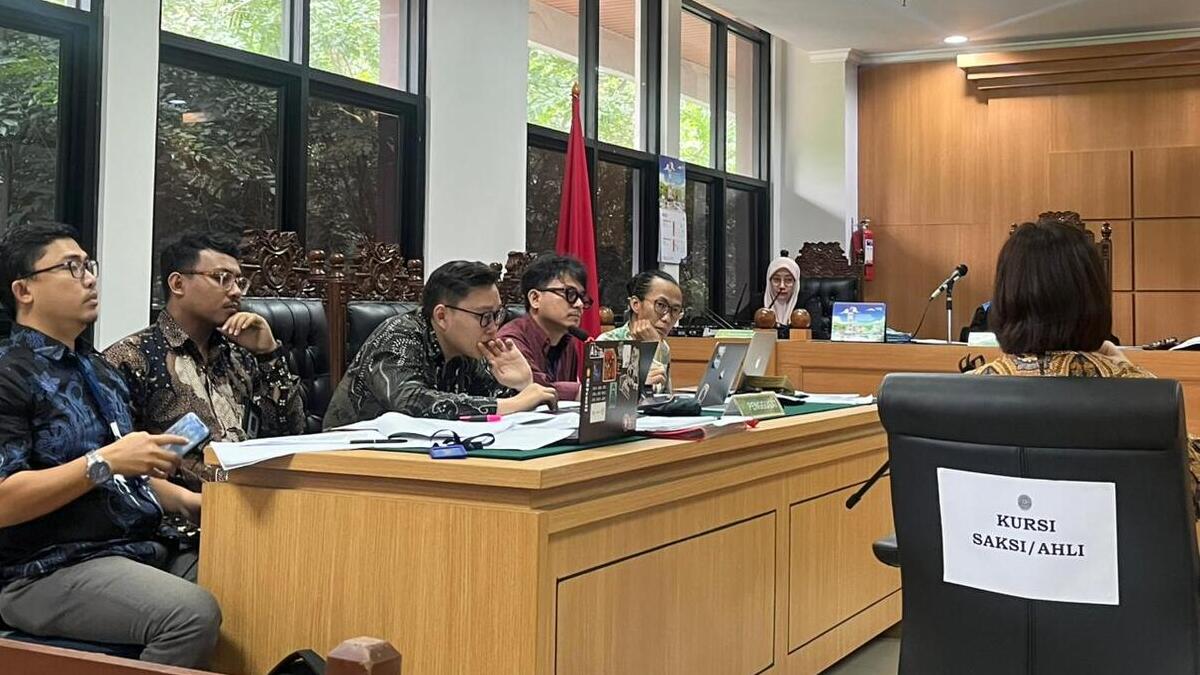
Over the past decade at least 1,131 people have faced prosecution, lawsuits or violence connected to environmental conflicts, the organisation says. In 2025 alone it recorded 36 victims in nine criminalisation cases, pushing the cumulative total to 1,167.
Threats do not only come through criminal courts, but also through civil litigation and physical attacks.
WALHI further warns that the growing involvement of security forces in food and energy projects has “securitised” natural resources, narrowing civic space and making community resistance riskier.
Call to reset the development model
In its review, WALHI urges the state to realign development with constitutional principles of social and ecological justice.
It calls for recognition and legal protection of community-managed territories, a comprehensive audit of pro-investment regulations, an end to the militarisation of natural-resource governance and a shift away from pure growth metrics towards an economy that operates within ecological limits.
Without such a course correction, the organisation argues, Indonesia risks locking itself into a cycle where short-term economic gains are purchased through long-term environmental decline, leaving future generations to pay the true cost.