117 students fall ill in Central Java days after 205 children sickened in West Java free school meals outbreak
Hundreds of students at SMAN 2 Kudus fell ill after consuming meals under Indonesia’s Free Nutritious Meals programme, prompting hospitalisations and a provincial investigation into food safety and programme oversight.
- Hundreds of students at SMAN 2 Kudus reported symptoms of suspected food poisoning after consuming Free Nutritious Meals (MBG).
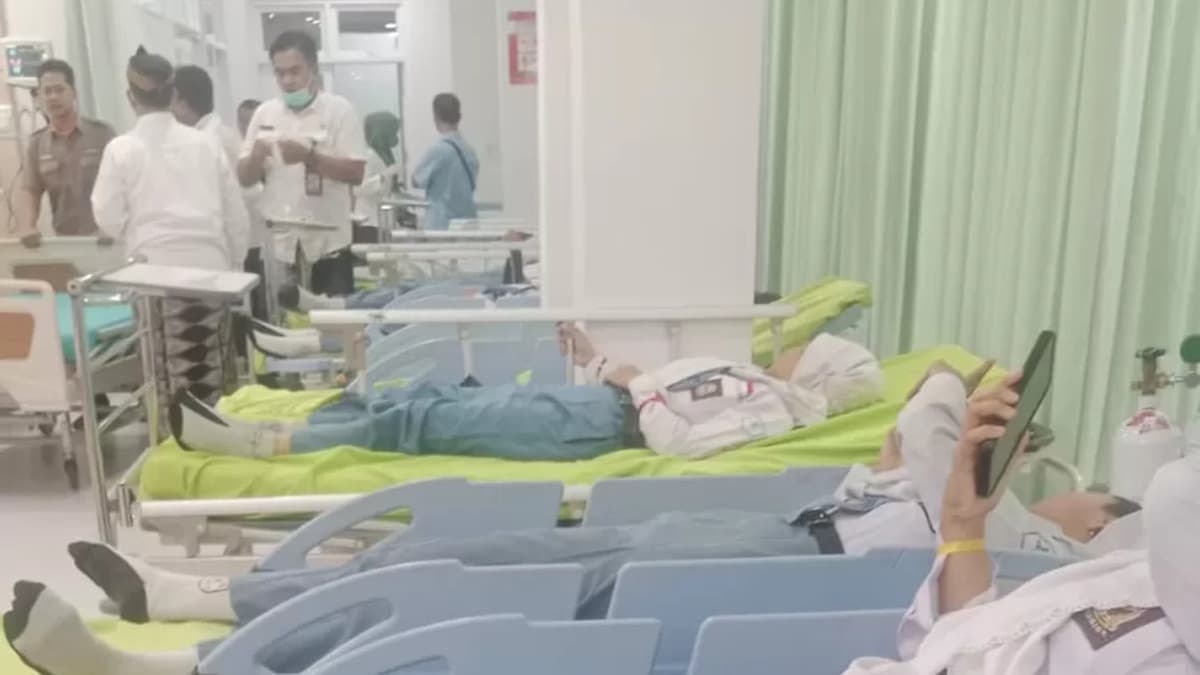
- At least 117 students were recorded as suspected victims, with dozens hospitalised and provincial authorities launching investigations.
- The Kudus case follows similar large-scale incidents in Cianjur, intensifying scrutiny of the national MBG programme.
Hundreds of students at State Senior High School 2 Kudus (SMAN 2 Kudus), Central Java, were struck by suspected food poisoning after consuming meals provided under Indonesia’s government-funded Free Nutritious Meals programme (Makan Bergizi Gratis, MBG), intensifying scrutiny of a flagship policy championed by President Prabowo Subianto.
The incident came to light on Thursday, 29 January 2026, after students began reporting gastrointestinal symptoms following the consumption of an MBG meal served the previous day.
Local authorities confirmed that the number of affected students rapidly escalated, prompting emergency medical responses across the regency.
Dozens hospitalised, hundreds report symptoms
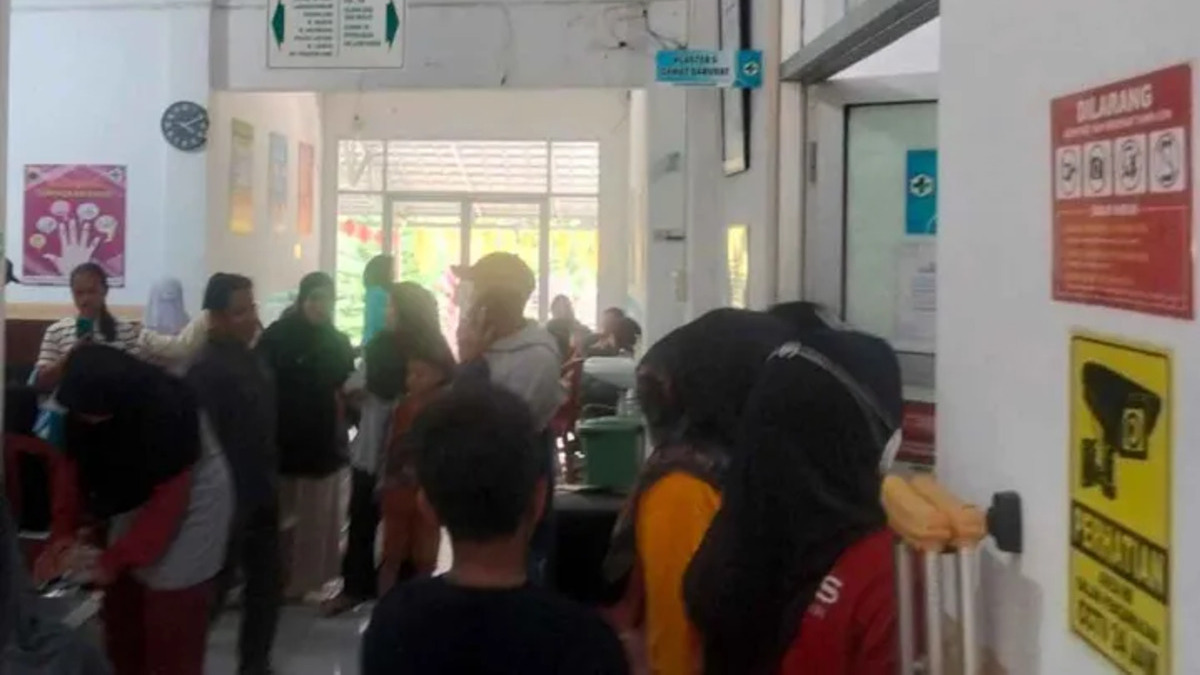
Kudus Regent Sam’ani Intakoris said that as of Thursday afternoon, at least 112 students had been admitted to hospitals in Kudus. “The latest data show that 112 students have been hospitalised,” he said in a text message.
He added that the scale of the incident extended well beyond those requiring inpatient care. “A total of 450 students have experienced symptoms,” Sam’ani said, suggesting that many were treated as outpatients or monitored at home.
According to the regent, the response involved a coordinated effort by multiple agencies, including the Indonesian National Police, the Indonesian National Armed Forces (TNI), volunteers, local health offices, the regional public hospital, and several private hospitals. Dozens of ambulances were deployed as students were evacuated from the school.
Number of victims rises to 117
The Acting Head of the Kudus Regency Health Office, Mustiko, later confirmed that the number of suspected poisoning victims had risen to 117.
“The symptoms include dizziness, vomiting, diarrhoea, and shortness of breath,” Mustiko said. Some students reportedly fainted at school, while others began complaining of symptoms on Wednesday night, hours after consuming the MBG meal.
He added that most patients were treated as outpatients and that no MBG meals were distributed on Thursday as a precaution.
Of the 117 suspected victims, 30 were male students and 87 female students. Health officials said data collection was ongoing as reports continued to come in.
Sour-tasting soto under scrutiny
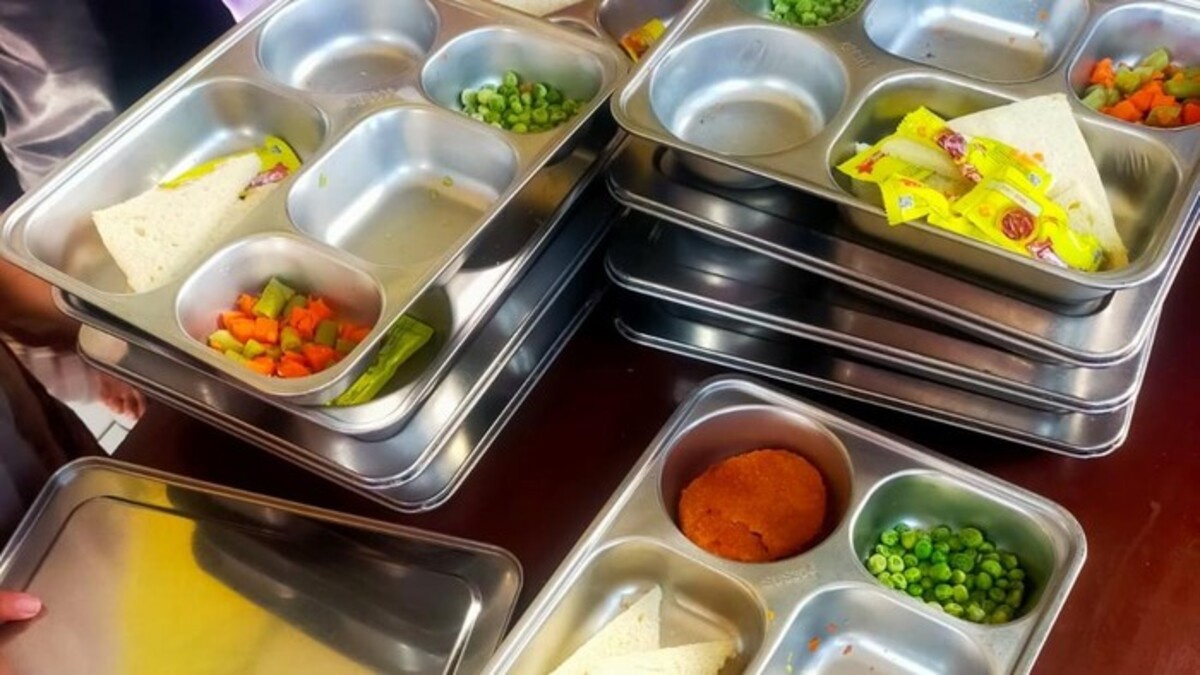
Education officials confirmed irregularities in the food served. Budi Santosa, Head of Branch Office Region III of the Central Java Education and Culture Office, said the MBG menu distributed on Wednesday consisted of chicken soto and shredded chicken prepared by SPPG Purwosari.
“But when tasted, the soto and the shredded chicken already had a sour flavour,” Budi said.
Teachers, including the school principal, also reported diarrhoeal symptoms on Thursday morning, though they initially could not immediately link their condition to the MBG meals.
Provincial investigation and complaints hotline
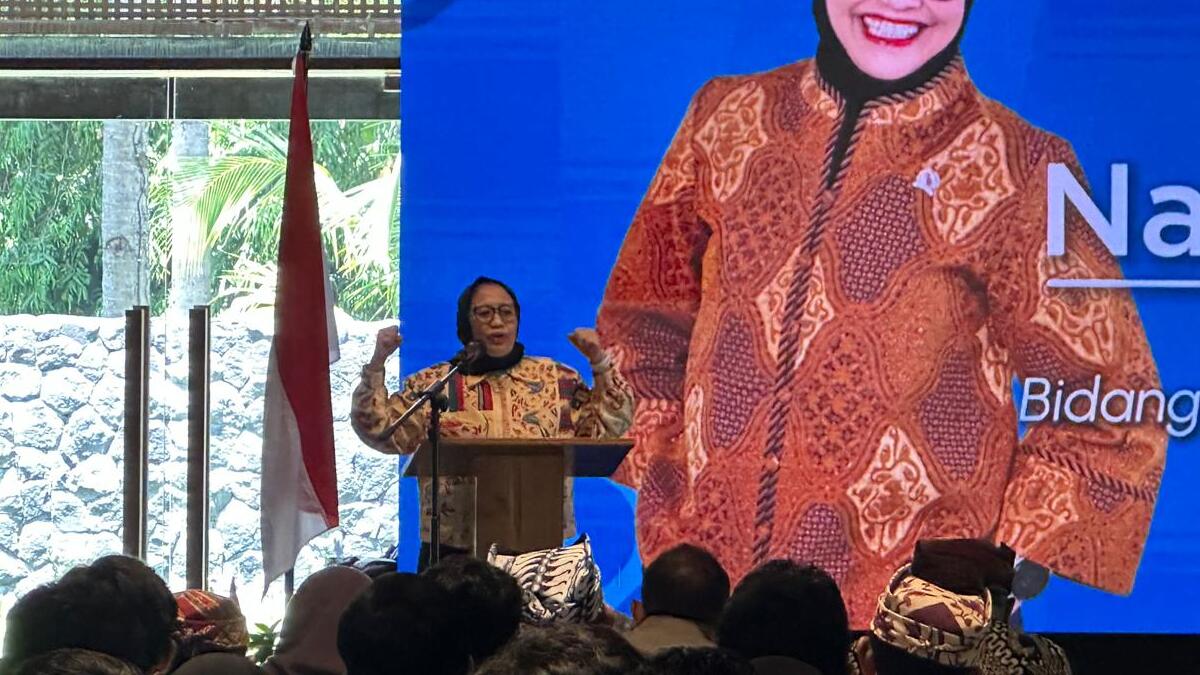
Central Java Deputy Governor Taj Yasin, who also heads the provincial MBG Acceleration Task Force, said authorities would immediately inspect and evaluate the incident.
“We will check how the case has been handled and then evaluate the MBG programme, so we can determine where the problem lies—whether in the cooking process upstream or in the distribution,” Taj Yasin said after attending an event in Semarang.
He added that a team would be deployed to examine the licensing of the Nutrition Fulfilment Service Unit (SPPG) involved, including its Hygiene and Sanitation Feasibility Certification (SLHS).
The Central Java Provincial Health Office has also opened a hotline—0811-2622-000—to receive public complaints related to the MBG programme. Head of the office Yunita Dyah Suminar said uncooperative SPPGs would be issued warnings and reported to the National Nutrition Agency (BGN).
Kudus case follows major outbreak in Cianjur
The Kudus incident is the latest in a series of high-profile MBG-related food poisoning cases reported this year.
Just two days earlier, at least 205 schoolchildren and toddlers in Cikalongkulon District, Cianjur Regency, West Java, were suspected of suffering food poisoning after consuming MBG meals on Tuesday, 27 January.
Victims in Cikalongkulon included pupils from early childhood education centres, primary schools, junior secondary schools, and toddlers who were not direct programme recipients but consumed food brought home by older siblings.
Symptoms included persistent vomiting, diarrhoea, nausea, dizziness, abdominal pain, and acute weakness, with several children showing signs of dehydration.
Medical facilities were quickly overwhelmed. Of the total cases recorded, 190 patients were treated at the Cijagang Community Health Centre and 15 at the Cikalongkulon Community Health Centre, while seven—mostly toddlers—were referred to hospitals, including Sayang Cianjur Regional General Hospital and Dr Hafiz Cianjur Hospital.
Centralised suppliers under question
Local authorities in Cianjur traced the suspected outbreak to an SPPG operated by CV Yayasan Sain Bina Cendikia, which supplies meals to an unusually large network of 36 schools. The scale of the operation has raised concerns over production capacity, storage, food handling practices, and quality control in centralised kitchens.
Further suspected MBG-related poisoning cases were also reported in Kadupandak and Sukanagara districts, bringing the total number of affected individuals across three districts in Cianjur to approximately 273. Investigators are still determining whether the outbreaks originated from the same SPPG or from different suppliers.
A growing test for a flagship programme
The Free Nutritious Meals programme is one of President Prabowo’s core campaign promises, designed to improve child nutrition and educational outcomes nationwide.
Earlier this month, Prabowo declared the programme 99 per cent effective, dismissing shortcomings as minimal. However, independent monitoring groups have reported tens of thousands of suspected food poisoning cases nationwide since its rollout.