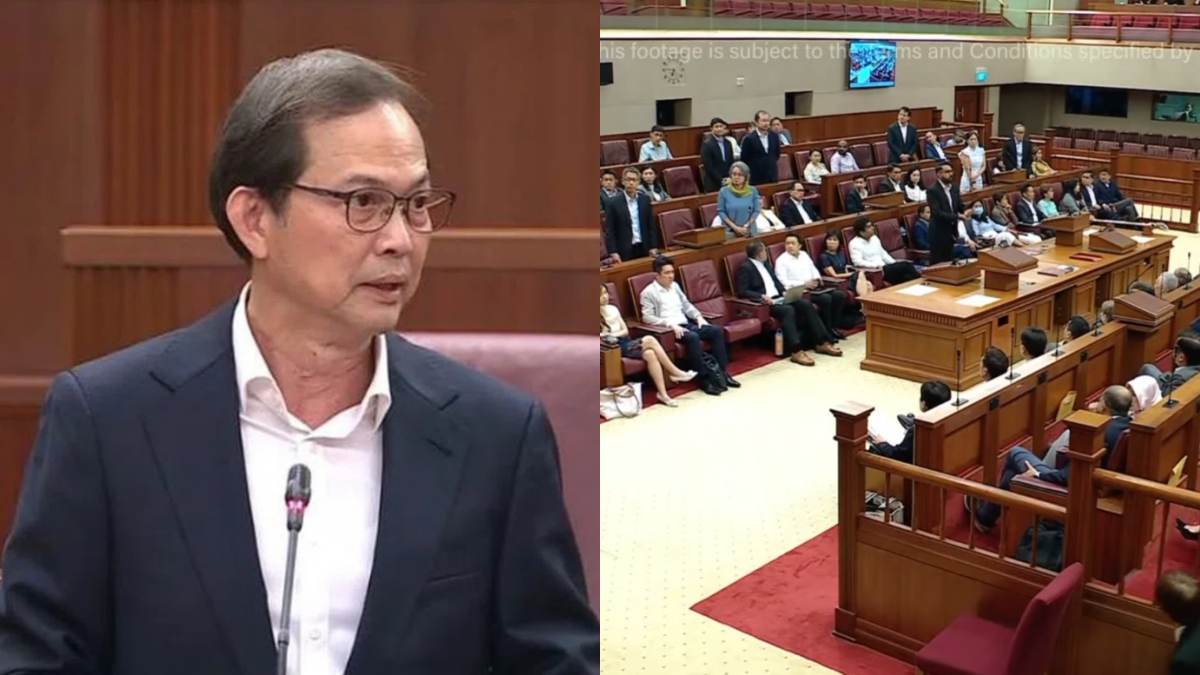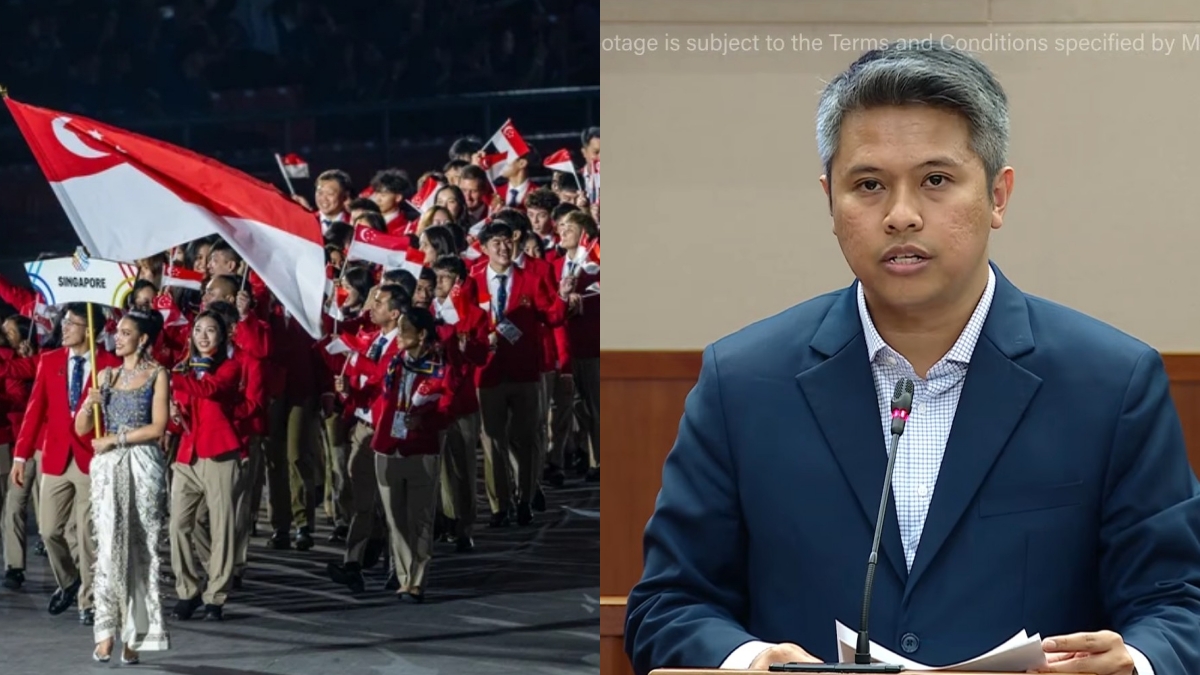
Fadli Fawzi raises funding and competition concerns in debate on Singapore Sports Council (Amendment) Bill
Aljunied GRC MP Fadli Fawzi backed the intent of the Singapore Sports Council (Amendment) Bill but cautioned against funding dilution and potential conflicts with the private sector as SportSG’s powers and scope expand.
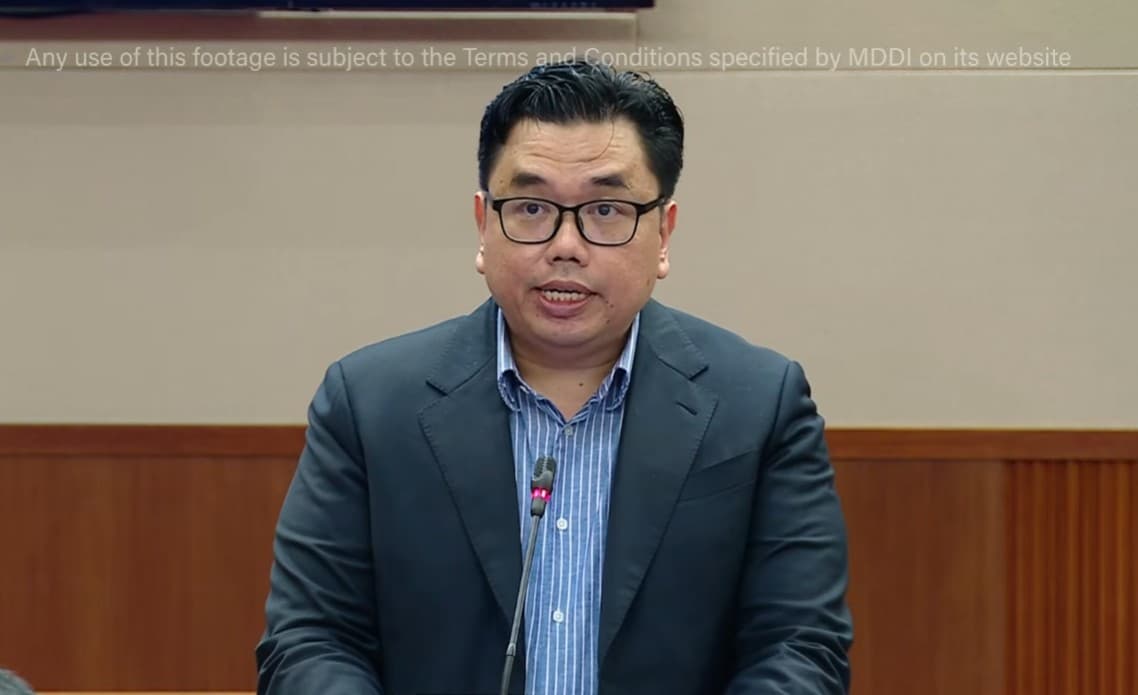
- Fadli Fawzi supported the intent of the Sport Singapore Bill but warned against over-extension.
- He questioned whether funding would increase as SportSG’s scope expands to esports and mind sports.
- He raised concerns over SportSG’s powers to manufacture and regulate sports equipment, citing potential conflicts of interest.
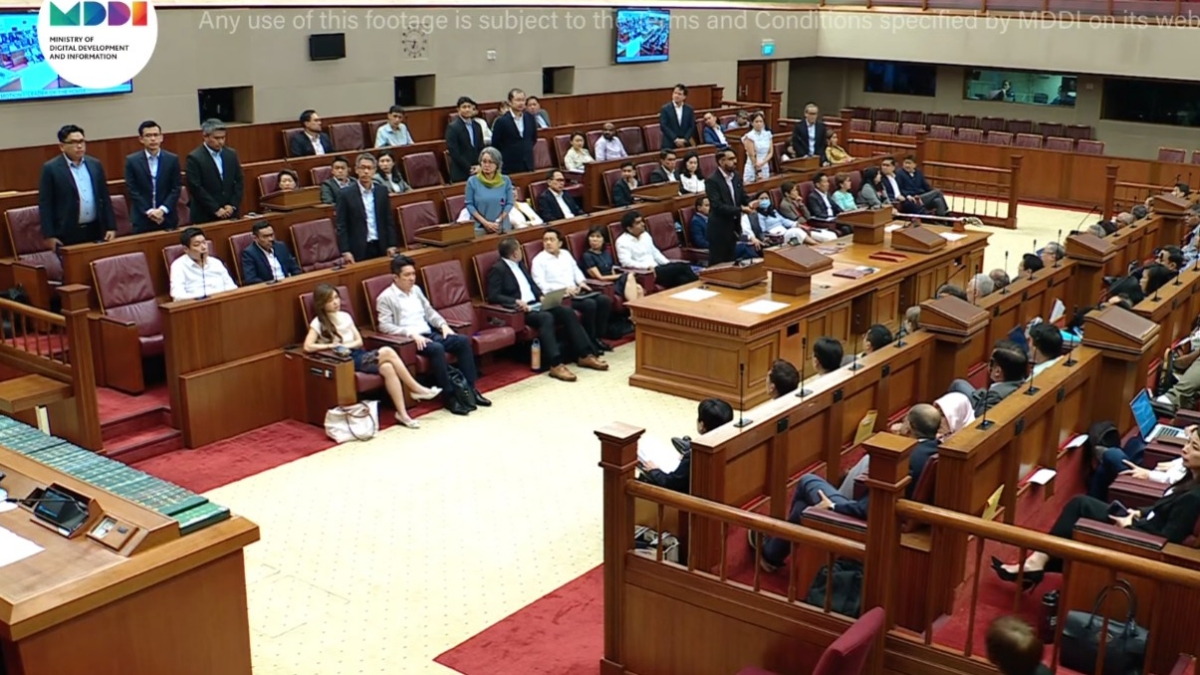
SINGAPORE: Aljunied GRC MP Fadli Fawzi expressed support for the Singapore Sports Council (Amendment) Bill during parliamentary debate on 13 January, while urging caution over funding sustainability and the potential impact on private sector players.
Speaking in Parliament, he said the Bill reflected how Singapore’s sporting landscape had evolved since the Act was first passed in 1973.
“It is only right that our legislative framework reflects modern realities,” he said, describing the amendments as a “pragmatic step forward”.
Support for expanding SportSG’s scope
Fadli welcomed proposals to expand Sport Singapore’s remit to include esports, mind sports, and physical fitness activities.
He said the broader definition of sport acknowledged changing participation patterns and emerging competitive fields.
However, he cautioned that expanding SportSG’s responsibilities without corresponding safeguards could create unintended consequences.
“As we expand the remit and powers of SportSG, we must ensure that these changes are fiscally sustainable,” he said.
Concerns over funding dilution
Fadli questioned whether SportSG’s budget would be increased to match its expanded scope, particularly with the inclusion of esports and mind sports, which he described as resource-intensive and rapidly growing.
“If SportSG’s budget remains stagnant, we risk diluting the financial support currently available to athletes involved in traditional sports,” he warned.
He stressed that gains for emerging sports should not come “at the cost of a loss for other programmes”.
He cited established disciplines such as track and field and swimming as examples where sustained funding remained critical for international competitiveness.
Call for stronger role of corporate sponsorship
To address funding pressures, Fadli urged greater use of corporate sponsorships and alternative funding streams.
He suggested expanding provisions in the Act to allow SportSG to enter into more strategic partnerships with commercial entities.
“We need a sustainable model where the State is not the sole benefactor, but a facilitator for private-sector investment in our sporting talent,” he said.
He highlighted the high costs of elite athlete development, citing publicly reported examples.
He referred to the significant private expenditure incurred to support Joseph Schooling’s overseas training, as well as Maximilian Maeder’s reliance on corporate sponsorships to meet annual training and competition costs.
According to Fadli, these cases demonstrated how private partners could play a meaningful role in developing elite athletes when institutionalised within a broader funding framework.
Esports requires different commercial approach
Fadli also drew attention to the unique nature of esports, noting that the competitive “arenas” are intellectual property owned by private publishers.
“To run programmes or tournaments, SportSG will necessitate a different level of commercial engagement than traditional sports,” he said, asking how the agency intended to navigate proprietary and licensing constraints.
He warned that without clarity, public sector involvement in esports could face legal and commercial challenges not present in conventional sporting disciplines.
Questions over equipment manufacturing powers
Beyond funding, Fadli raised concerns over provisions allowing SportSG to prepare, manufacture, and supply sports and fitness equipment. He asked whether these powers had been exercised previously, and why they remained necessary.
“Traditionally, the Government procures from the private sector to stimulate the economy and benefit from market competition,” he said, questioning whether there was a genuine market gap that justified state involvement in manufacturing.
Fadli also highlighted a potential conflict arising from SportSG’s dual role as regulator and supplier.
New provisions allow SportSG to set standards and codes of practice for sports equipment and facilities.
“If SportSG is both the regulator and the supplier, how do we ensure a level playing field with the private sector?” he asked.
He warned against situations where standards could inadvertently disadvantage private competitors.
Support for Bill, with safeguards urged
He cautioned that large-scale manufacturing by SportSG could crowd out local retailers and manufacturers operating on thin margins.
“The Government should be a catalyst rather than a competitor,” he said.
In closing, Fadli reiterated his support for the Bill’s overall intent but stressed the need for restraint and clarity in implementation.
“We must be wary of over-extension,” he said, urging the Minister to explain how athlete funding would be sustained, how private sector partnerships would be leveraged, and how manufacturing powers would be exercised judiciously.