Muhaimin calls for leaner Sports Council, stronger accountability after SEA Games review
Sengkang GRC MP Abdul Muhaimin Abdul Malik called for a leaner Singapore Sports Council and stronger accountability during debate on the Sports Council (Amendment) Bill, citing lessons from the 2025 SEA Games and the need for better governance and athlete support.
- Abdul Muhaimin Abdul Malik urged tighter governance and accountability following Singapore’s 2025 SEA Games performance.
- He opposed expanding the Singapore Sports Council to 25 members, arguing a leaner body would be more effective.
- He called for clearer justification of SportSG’s expanded powers and stronger, including retroactive, support for athletes.
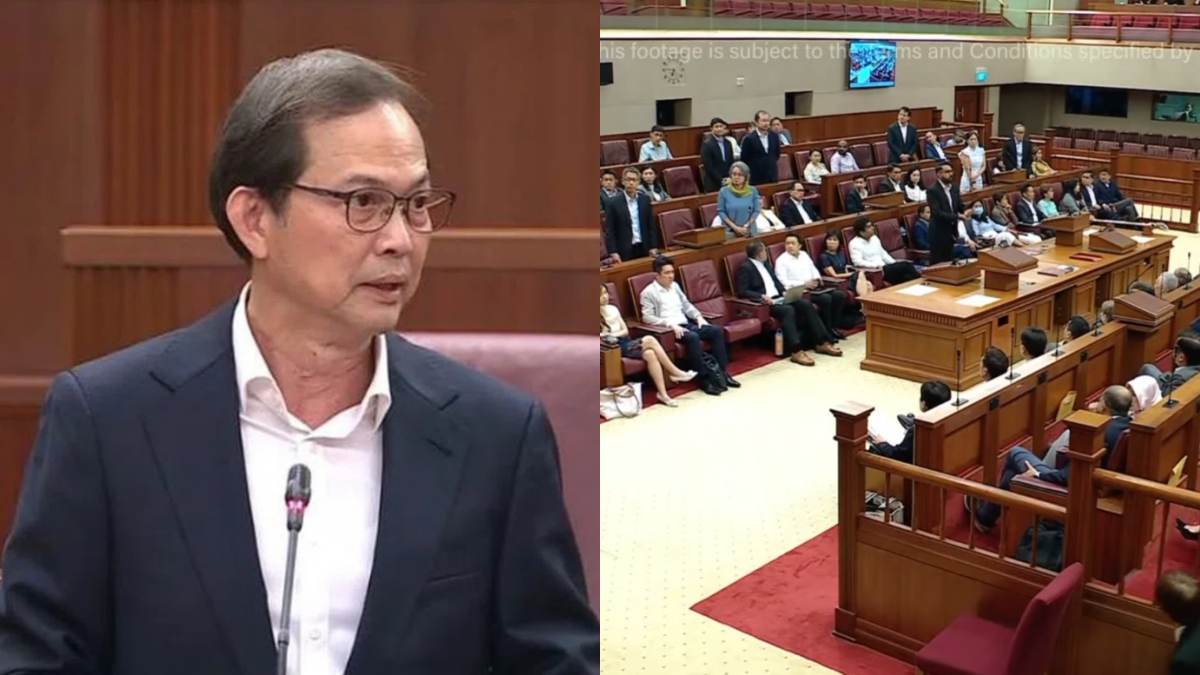
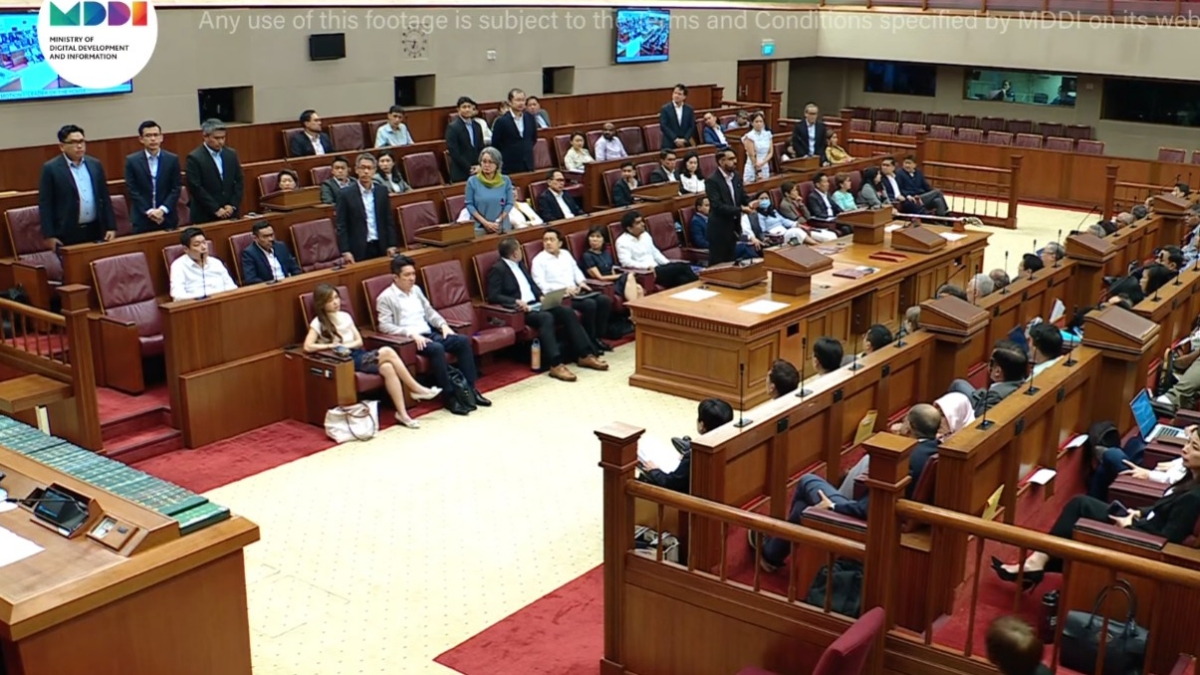
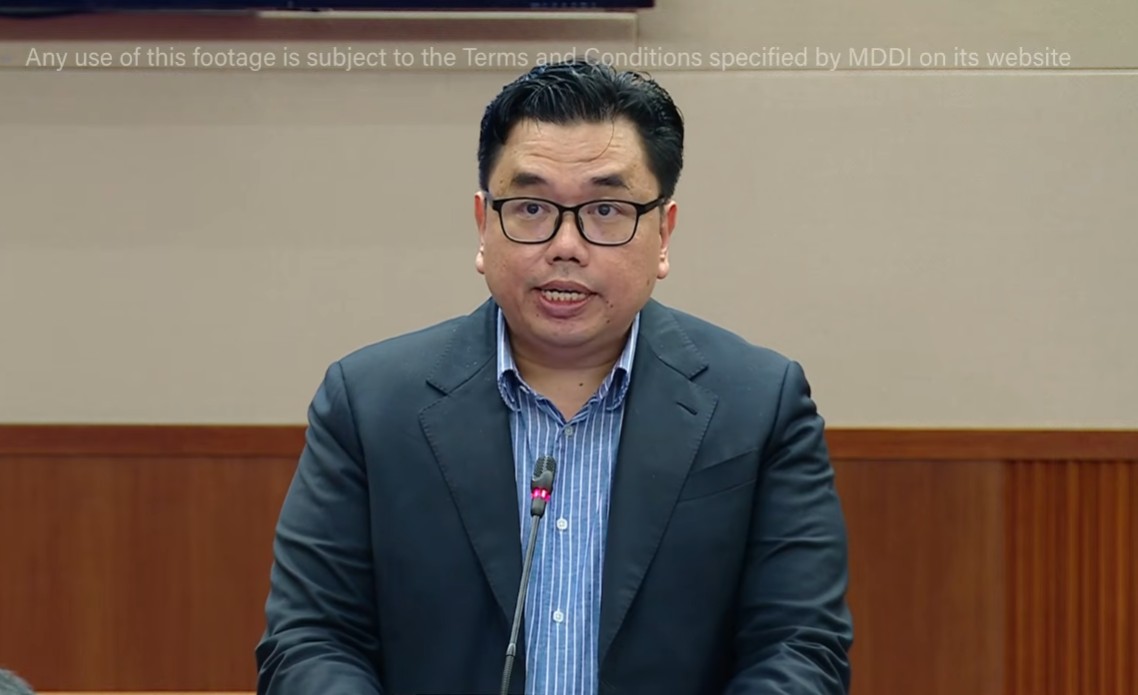
SINGAPORE: During debate on the Singapore Sports Council (Amendment) Bill on 13 January 2026, Abdul Muhaimin Abdul Malik, Member of Parliament for Sengkang GRC, called for a leaner Sports Council and stronger accountability, linking proposed reforms to lessons from Singapore’s 2025 SEA Games performance.
He began by congratulating Singapore’s athletes, emphasising that effort and commitment should not be overlooked.
“Every athlete who wore our national colours deserves our recognition and gratitude,” he said, thanking them for training tirelessly and competing with pride.
SEA Games performance prompts deeper reflection
While praising the athletes, Abdul Muhaimin said national pride must be accompanied by a candid assessment of the sporting system supporting them. “Pride in our athletes’ efforts must be accompanied by honest reflection on our sporting ecosystem,” he told Parliament.
He noted that Singapore’s medal tally and rankings at the 2025 SEA Games raised questions about whether investments had translated into sustained excellence. According to his speech, comparisons with regional neighbours suggested that strategy and governance mattered as much as resources.
“Our athletes worked with the system we gave them,” he said. “If that system underperformed, the responsibility lies not with them, but with us.”
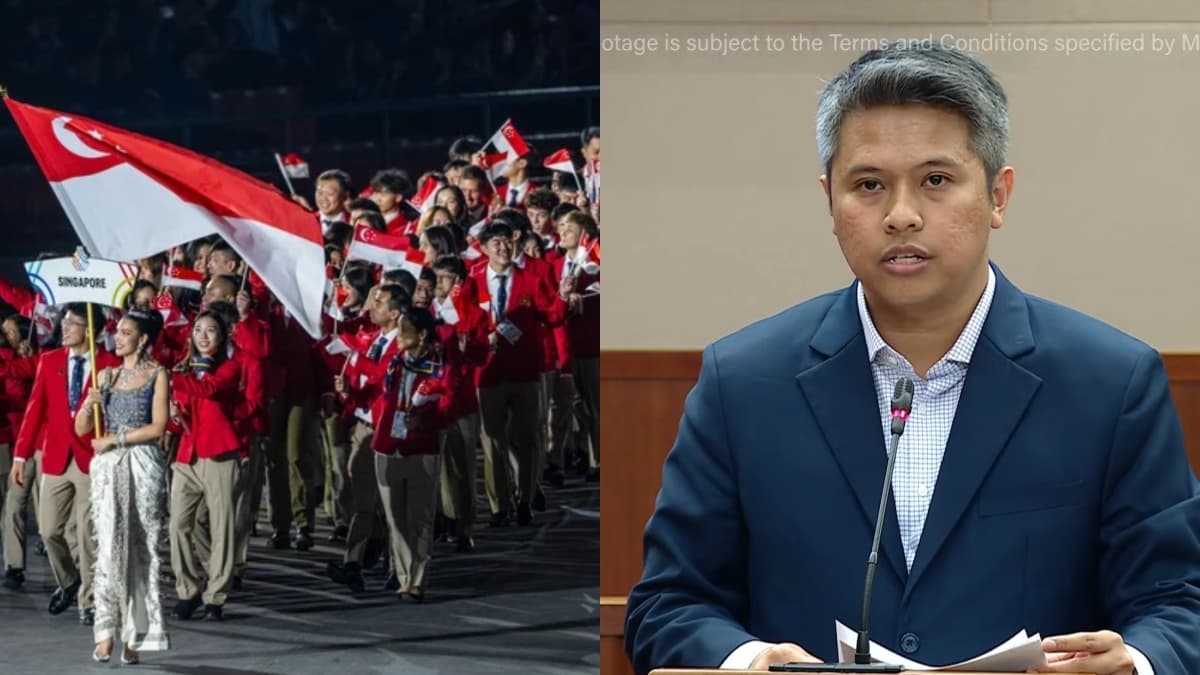
Singapore finished fifth overall at the Games with a total of 202 medals, comprising 52 golds, 61 silvers and 89 bronzes.
Support for recognising mind sports
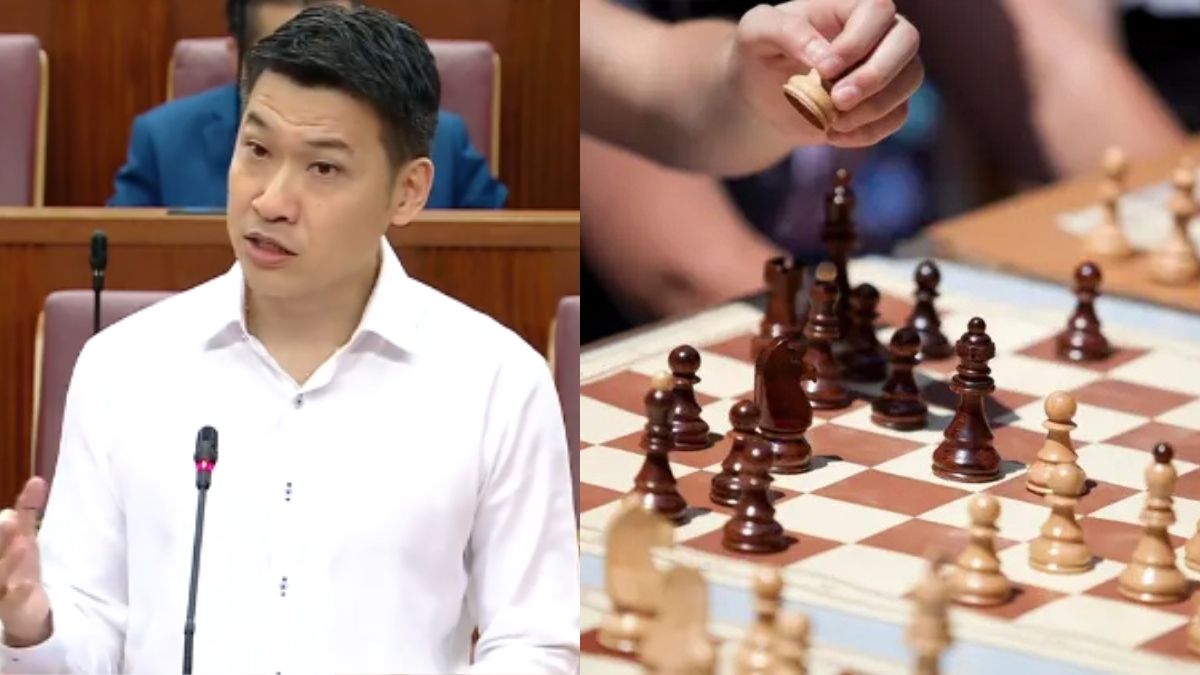
Abdul Muhaimin welcomed the Bill’s formal recognition of mind sports such as chess and bridge, describing it as “important and overdue”. He said competitive excellence should not be narrowly defined by physical activity alone.
“The chess player who trains for hours daily demonstrates the same dedication and discipline as any athlete,” he said, adding that inclusion under SportSG would create clearer development pathways and structured support.
He described the move as a modernisation of Singapore’s approach to sport, acknowledging that mastery and competition take many forms.
Concerns over expanding the Sports Council
Despite supporting aspects of the Bill, Abdul Muhaimin raised strong objections to proposals under Clauses 4 and 5 to expand the Sports Council from 15 to 25 members.
“From a governance perspective, larger councils are typically less effective, not more,” he said, warning that decision-making could slow and accountability become diluted as numbers increased.
He questioned the strategic need for a larger council, suggesting that expertise could instead be drawn from sub-committees or working groups without enlarging the main governing body.
“A lean, engaged council of 15 will serve Singapore’s sporting community far better than a sprawling body of 25,” he said, proposing that the current cap remain unchanged.
Expanded powers raise accountability questions
Abdul Muhaimin also scrutinised Clause 6, which grants SportSG powers to establish institutions for developing and training sportspersons. He said the amendment appeared to signal significant institutional restructuring.
He asked whether this would involve moving the Singapore Sports School under SportSG’s jurisdiction, and whether additional sports excellence schools were planned.
“Managing educational institutions requires expertise in pedagogy, student welfare, and academic administration, not just sports development,” he said, questioning whether SportSG was adequately equipped for such responsibilities.
He further pressed for transparency on past spending, asking what tangible outcomes had been achieved from existing investments. “Without accountability for past spending, how can we have confidence in an expanded mandate?” he asked.
Welcoming broader athlete welfare support
Abdul Muhaimin welcomed provisions allowing SportSG to provide educational and career support for athletes, calling them “genuinely welcome” and long overdue.
“For too long, talented young Singaporeans have hesitated to pursue sporting excellence because they feared an uncertain future after retirement,” he said, adding that structured support could unlock untapped potential.
He suggested stronger welfare measures might have improved athlete retention and long-term performance, including at the SEA Games.
Call to support past athletes
However, Abdul Muhaimin questioned whether such support would extend to former national athletes who competed before these schemes existed. He noted that many struggled financially or professionally after retirement.
“These are athletes who represented Singapore with pride,” he said, urging consideration of retroactive measures such as additional CPF contributions or healthcare support for injuries linked to sporting careers.
He argued that athletes who had already “given their best years to Singapore’s sporting glory” deserved the same consideration promised to future generations.
A call for governance to match athletes’ commitment
In closing, Abdul Muhaimin said the Bill represented progress but required stronger governance and accountability to succeed.
“A council of 25 is a recipe for inefficiency,” he said, warning against expanding mandates without demonstrated capability.
He urged the Government to release a clear performance analysis of the 2025 SEA Games and explain what would change under the new framework.
“Our athletes have done their part,” he said. “Now it is time for us to do ours.”