Activists file constitutional challenge to Singapore’s mandatory death penalty amid rise in executions
Activists have launched a rare legal challenge to Singapore’s mandatory death penalty for drug trafficking, arguing it violates constitutional protections and denies judges discretion. The move comes as executions reach a 22-year high, with 17 carried out this year and 40 prisoners remaining on death row.
- Activists argue Singapore’s mandatory death penalty violates constitutional rights and prevents judicial discretion.
- The challenge comes amid a surge in executions, with 17 carried out this year and 40 inmates on death row.
- Campaigners say the law treats couriers and high-level traffickers alike, while officials maintain the penalty deters drug crime.
SINGAPORE: A group of activists, together with the family members of three executed death row prisoners, has filed a fresh petition challenging Singapore’s mandatory death penalty for drug trafficking offences.
The move comes as executions in 2025 reach their highest annual number since 2003, intensifying public debate on the country’s long-standing anti-drug policies.
A High Court judge heard the petition on 3 December 2025 in private proceedings.
According to activists involved in the case, it is the first such constitutional challenge in 15 years.
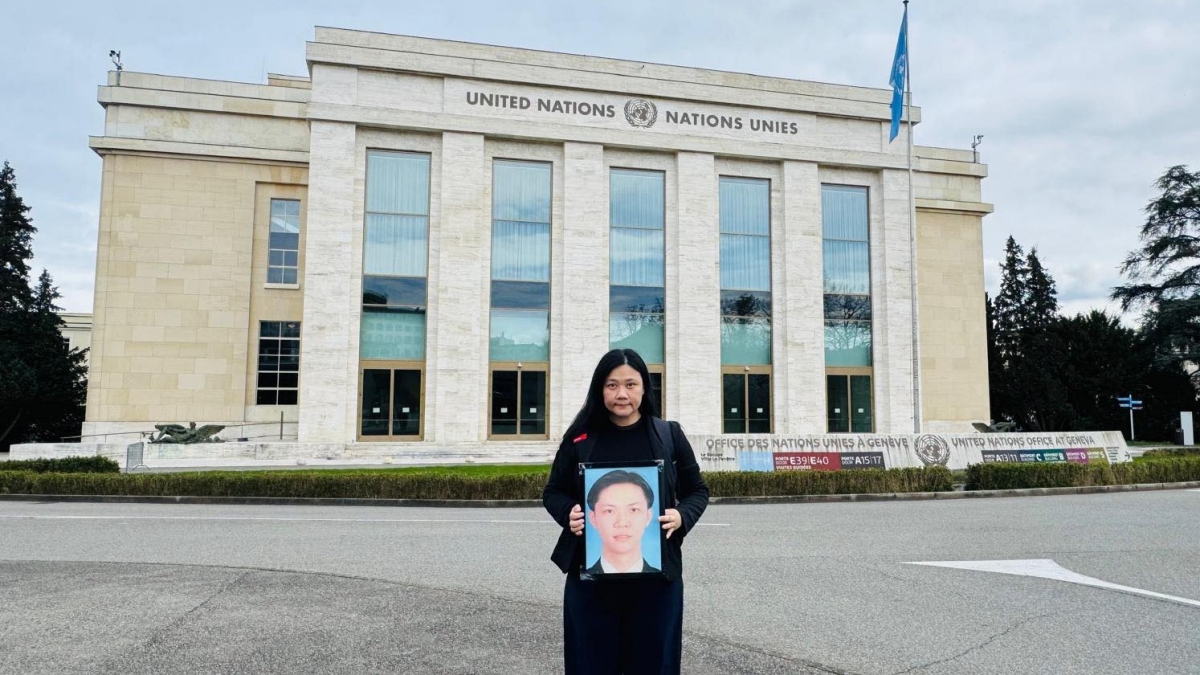
The applicants include the sisters of Syed Suhail, Nazeri bin Lajim, and Tangaraju Suppiah, all of whom were executed between 2022 and 2025 under the mandatory death penalty for drug offences.
The co-founders of the civil society group Transformative Justice Collective — Rocky Howe, Kokila Annamalai, Kirsten Han, and Jolovan Wham — are also part of the application.
The activists argued that the mandatory death penalty breaches constitutional guarantees of the right to life and equal protection before the law.
They contended that current legislation still leaves judges with insufficient discretion, despite limited exceptions introduced in 2012.
Kokila told AFP that judges cannot weigh circumstances such as coercion, desperation, or poverty.
She stated that these factors should reasonably influence sentencing outcomes in drug cases.
Fellow activist Kirsten Han told AFP that the law treats couriers the same as high-level traffickers.
She argued that the lack of differentiation leads to unjust outcomes.
Seventeen people have been executed in Singapore this year, mostly for drug trafficking.
Singapore records highest annual number of executions since 2003
This marks the highest total since 2003, according to rights groups monitoring capital cases.
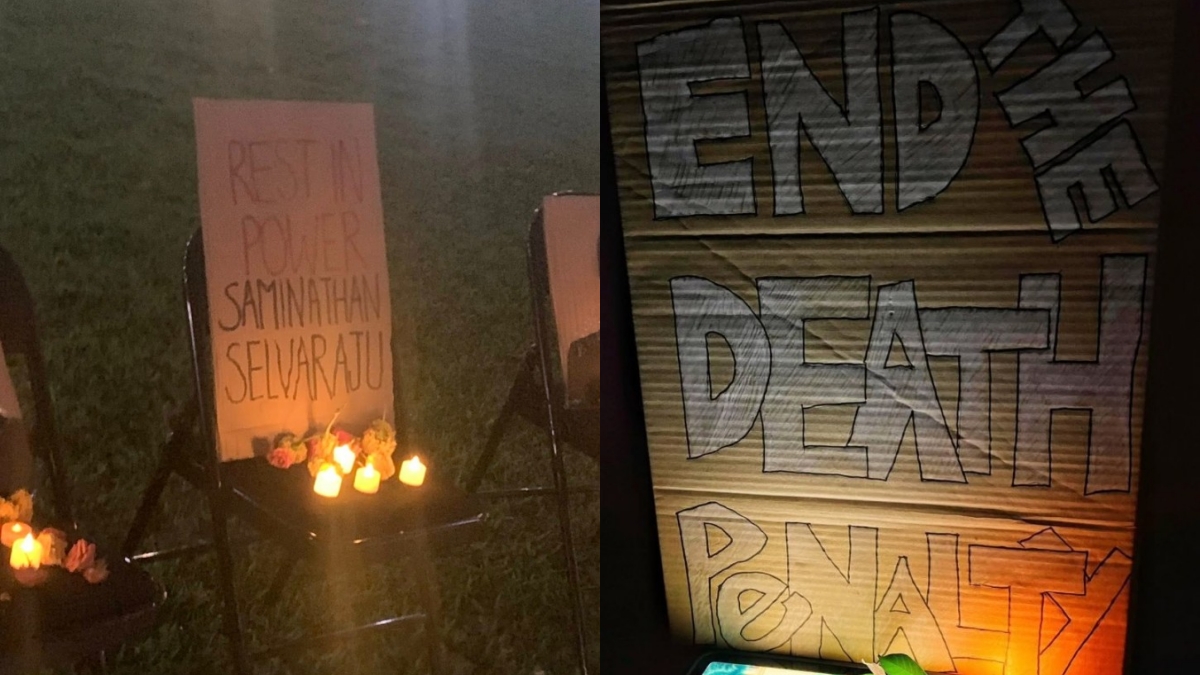
Among those executed was Saminathan Selvaraju, a logistics driver convicted of transporting 301.6g of heroin in 2013.
Investigators found pre-written immigration cards with his signature, although he denied writing them and said multiple drivers used the vehicle.
Saminathan was executed on 27 November 2025.
His case followed the executions of Datchinamurthy in September and Pannir Selvam Pranthaman in October, both Malaysian nationals.
Activists said 40 prisoners, all convicted of drug offences, are currently on death row.
They represented themselves in court and noted that no date has been set for the ruling.
Officials maintain that the death penalty is a deterrent and contributes to public safety.
Singapore's Ministry of Home Affrairs claimed that a 2023 survey reported strong domestic support for capital punishment in serious cases.
Anwar Ibrahim says due process respected in Singapore’s capital sentencing of Malaysian drug offenders
On 4 December, Malaysian Prime Minister Anwar Ibrahim acknowledged that due process had been respected in the sentencing of Malaysian offenders in Singapore.
Anwar said Malaysia also faces severe drug challenges and historically applied strong penalties.
He noted that Malaysia removed its mandatory death penalty but still upholds harsh sanctions for trafficking.
He emphasised that families may appeal on compassionate grounds.
However, once Singaporean courts decide a case, Malaysia respects the outcome as the product of proper legal process.
Anwar said such cases should not be politicised.
Any representation he makes, he added, is limited to conveying concerns raised by families.
Malaysia’s transition in 2023 from mandatory to discretionary sentencing now allows judges to decide whether the death penalty is appropriate, rather than requiring it automatically.
Singapore reiterates long-standing and widely supported anti-drug policy
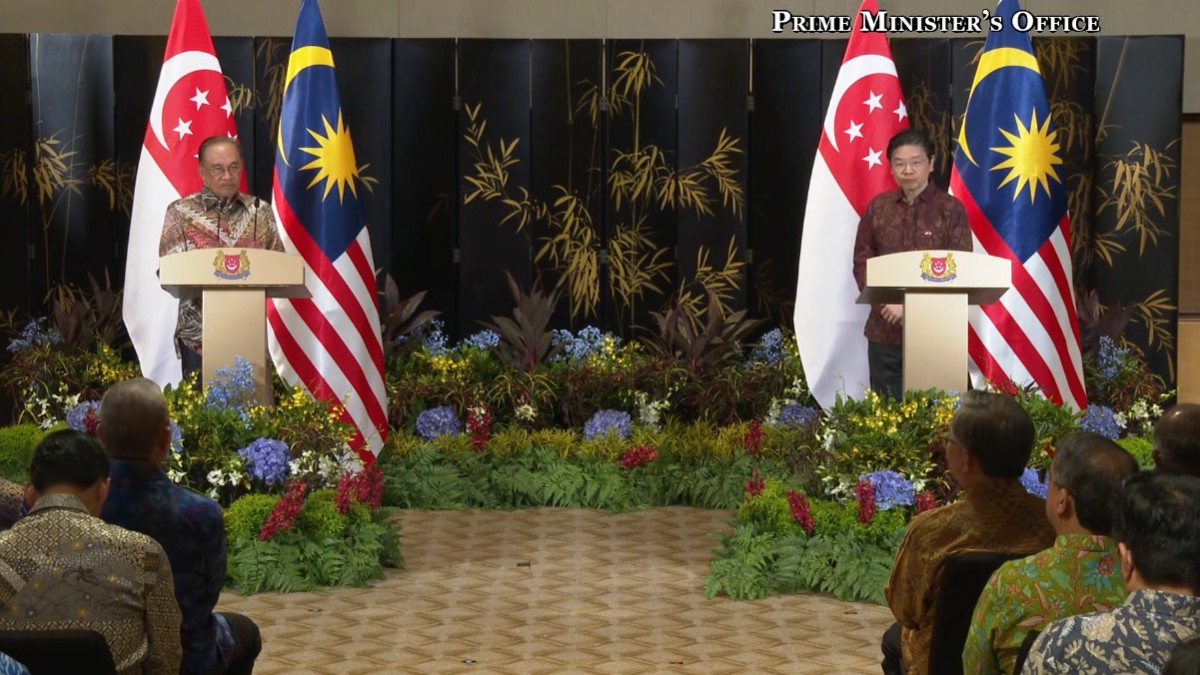
Singapore Prime Minister Lawrence Wong said the issue of capital punishment did not arise during the Singapore–Malaysia Leaders’ Retreat.
He said Singapore’s anti-drug stance has been consistent for decades and remains widely supported by the public.
Wong said the policy aims to keep the environment safe from drugs, especially for families and children.
He added that Singapore hopes other countries understand its rationale and respect its position.
He noted that capital punishment did not cause bilateral tension during the retreat.