High Court dismisses constitutional challenge against mandatory death penalty
The High Court of Singapore has dismissed a constitutional challenge against the mandatory death penalty under the Misuse of Drugs Act. The application, brought by activists and relatives of executed prisoners, was ruled inadmissible due to lack of standing.
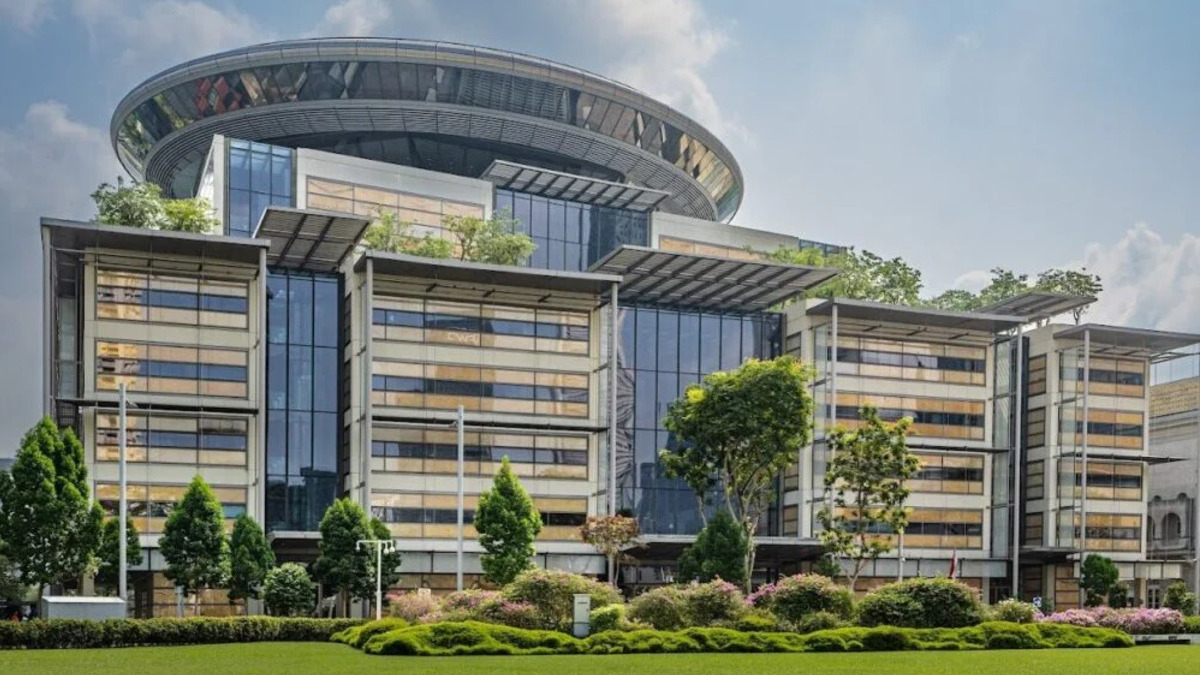
- The High Court dismissed a constitutional challenge to the mandatory death penalty on 16 December 2025.
- The judge ruled the applicants lacked legal standing and upheld the law’s constitutionality.
- The approach mirrors a previous Court of Appeal ruling on Section 377A in 2022.
On 16 December 2025, the High Court of Singapore dismissed a constitutional challenge to the mandatory death penalty, finding that the seven applicants did not have the legal standing (locus standi) to bring the case.
Justice Hoo Sheau Peng ruled that while the applicants expressed strong personal and moral opposition to capital punishment, none had shown that their own constitutional rights had been infringed. Emotional, reputational, or ideological interest was insufficient to meet the legal threshold required for a constitutional claim.
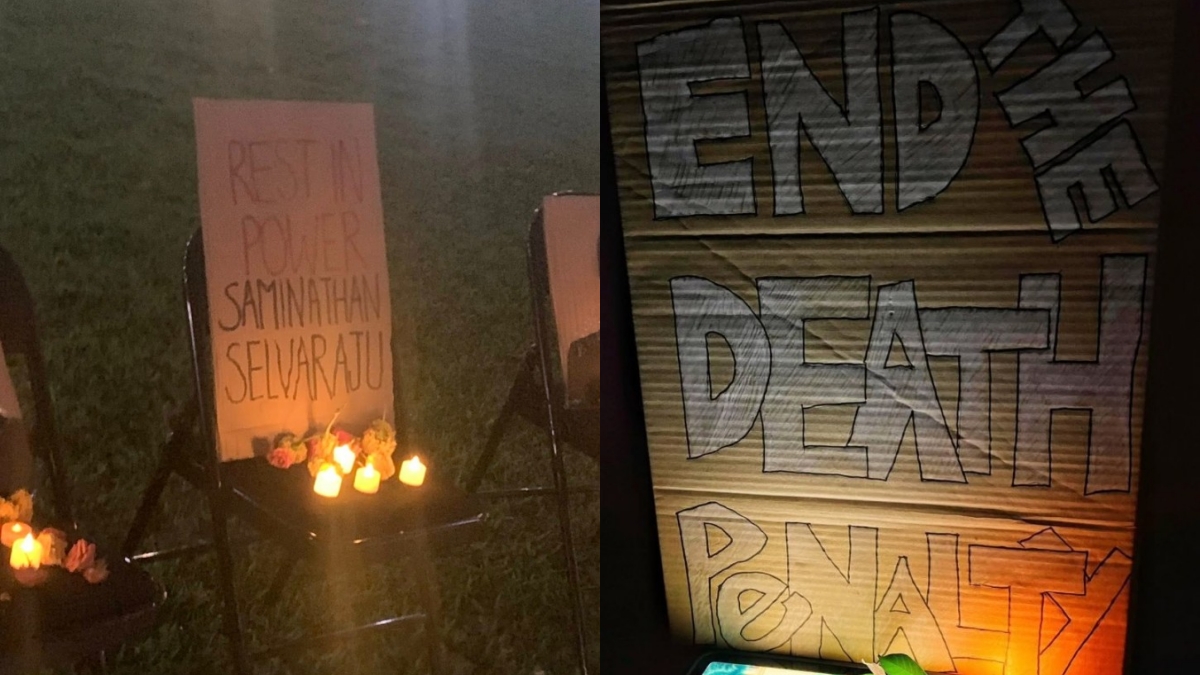
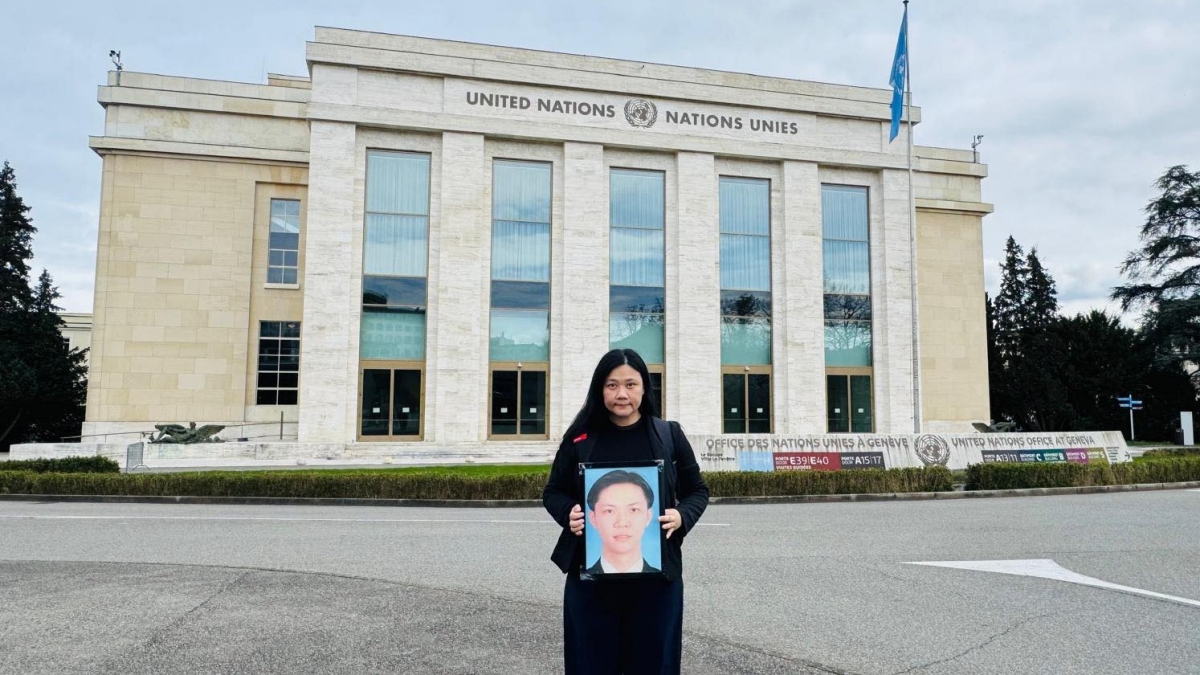
The applicants included activists and relatives of individuals executed for drug offences. They had argued that the mandatory death penalty under the Misuse of Drugs Act (MDA) violated the Constitution, particularly in relation to life, equality, and judicial power.
Court upholds constitutionality of current death penalty regime
Although the application was dismissed on procedural grounds, the Court addressed the substantive constitutional issues, citing the importance of public confidence in sentencing laws.
The applicants contended that the mandatory death penalty was a disproportionate punishment that failed to consider differences in culpability. They also argued it denied accused persons a meaningful right to be heard on sentencing.
Justice Hoo rejected these claims. She found that the death penalty is only imposed after a full and fair trial, and that the law includes safeguards allowing for judicial discretion in specific situations, such as where the offender acted solely as a courier.
On the issue of equality, the judge held that drug trafficking thresholds based on quantity were a valid legislative classification, and that Parliament is entitled to prescribe fixed penalties where necessary.
The Court also reaffirmed that the mandatory death penalty does not encroach on judicial power. Parliament’s role in setting punishments was not found to breach the Constitution’s separation of powers clause.
Legal precedent: 377A ruling reinforced limits on standing
The Court’s reasoning in this case aligns with a key precedent set by the Court of Appeal in 2022, when it dismissed a constitutional challenge to Section 377A of the Penal Code — a law criminalising sex between men that was later repealed.
In its ruling the Court of Appeal held that the applicants did not face a real and credible risk of prosecution, and therefore lacked the standing required to mount a constitutional claim. The Court considered the challenge hypothetical, as the Government had publicly stated it would not enforce the provision.
That judgment reaffirmed a strict approach to locus standi in Singapore’s constitutional law: applicants must demonstrate that they are directly and presently affected by the law they are challenging.
This principle was similarly applied in the current case. The High Court found that neither the applicants’ personal losses nor their activism entitled them to bring forward a claim, as they were not themselves subject to the legal provisions in question.
Application filed by activists and bereaved family members
The constitutional application, filed on 28 October 2025, was brought by seven individuals connected to the Transformative Justice Collective (TJC), a civil society group advocating for the abolition of capital punishment.
Among the applicants were four TJC founding members — Rocky Howe Wen Khong, Annamalai Kokila Parvathi (Kokila), Kirsten Han Li Ying, and Jolovan Wham Kok Han — and three women whose brothers were executed between 2022 and 2025: Leelavathy d/o Suppiah, Rockey Sharmila, and Nazira Lajim Hertslet.
They argued that the mandatory death penalty was unconstitutional and sought to have it declared invalid, with retrospective effect. They represented themselves in court.
Applicants express disappointment and may appeal
Following the decision, Kokila posted a statement on Facebook on 18 December 2025, highlighting the historic nature of the application:
“The constitutionality of Singapore’s mandatory death penalty regime had not been challenged in 15 years... We are disappointed with the outcome. We are considering bringing the case to the Court of Appeal.”
She also noted that 17 people were executed in 2025, of whom 15 were convicted of drug offences — the highest number in a single year since 2004.
Broader implications and next steps
While the Court reaffirmed Singapore’s existing legal standards, the case has drawn attention to the barriers faced by civil society groups and individuals seeking to challenge laws through constitutional means.
As the applicants weigh a potential appeal, legal observers will be watching to see whether the Court of Appeal maintains the current limits on standing, or whether space may open for broader public interest litigation in future cases.