Halimah Yacob warns erosion of international law amid global conflicts in reflections on 2025
Former Singapore President Halimah Yacob warned of rising global instability, weakening international institutions and the disruptive impact of artificial intelligence, citing trade tensions, ongoing conflicts and growing inequality as major challenges shaping the world in 2025.
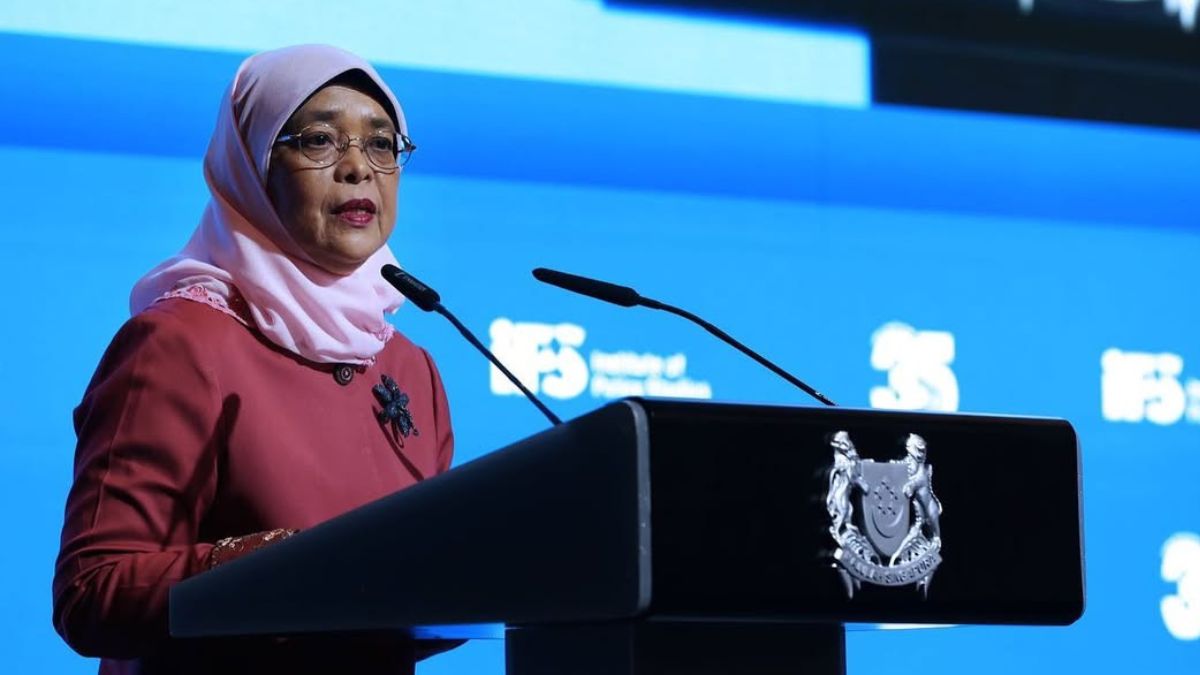
- Halimah Yacob warned of global instability in her New Year message, citing trade disruptions, weakening institutions and ongoing conflicts.
- She highlighted youth discontent, regional tensions in Southeast Asia and the erosion of international law.
- She also flagged AI risks, including sustainability issues, job disruption and widening inequality.
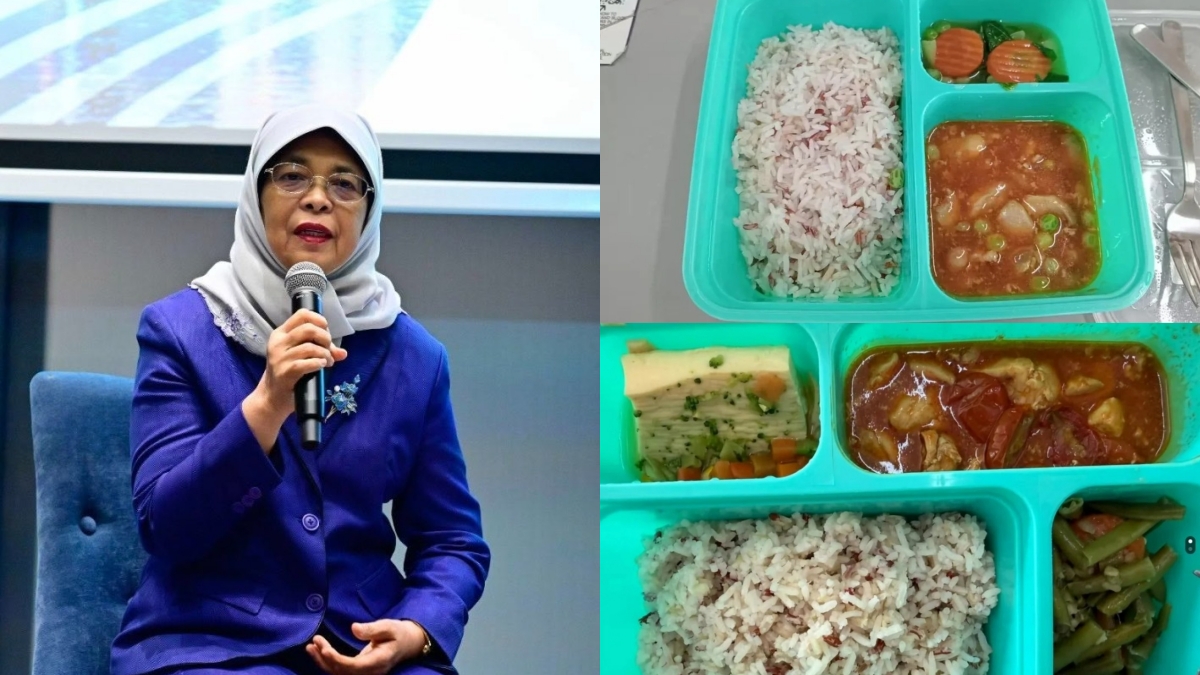
SINGAPORE: Former Singapore President Halimah Yacob has warned of mounting global instability, weakening international institutions and the disruptive impact of artificial intelligence, as she reflected on the challenges facing the world in her New Year message.
In a Facebook post published on 31 December, Mdm Halimah said 2025 had begun amid heightened uncertainty, pointing to developments in global politics, trade, conflict and technology that could have far-reaching consequences.
She noted that the year opened with the election of United States President Donald Trump, followed by the imposition of tariffs on exports into the US.
Mdm Halimah said these moves had raised serious concerns about disruptions to global trade and the future of the multilateral trading system that has underpinned international commerce for decades.
She added that Singapore had also entered the year with a new political leadership team elected with a strong mandate to steer the country through what she described as tumultuous times.
Erosion of International Law and Ongoing Conflicts
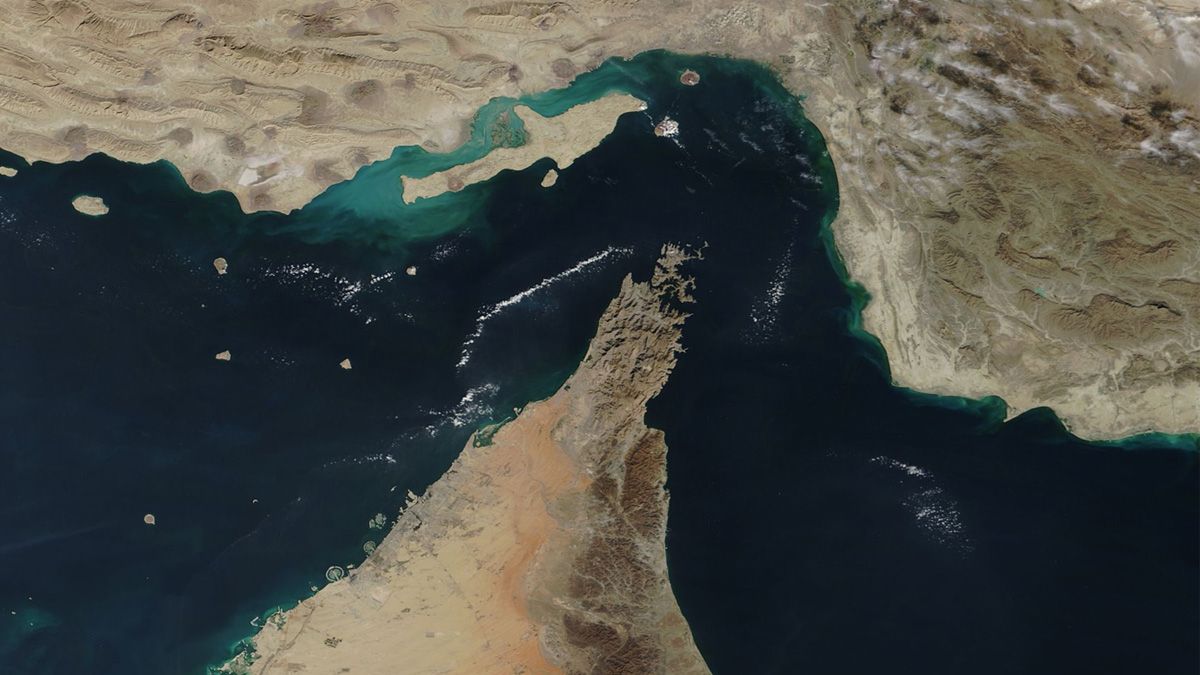
Highlighting broader geopolitical concerns, Mdm Halimah said 2025 was marked not only by weakening global trade rules but also by the erosion of international humanitarian law and the authority of institutions such as the United Nations, the International Court of Justice and the International Criminal Court.
She said these institutions, established after World War II to prevent the recurrence of large-scale atrocities, were increasingly challenged, with major conflicts in Ukraine, Gaza and Sudan continuing to inflict suffering on civilians.
According to her, these developments underscored the reality of living in a highly interconnected world, where instability in one region can have global repercussions.
Mdm Halimah also pointed to growing discontent among Gen Z populations worldwide, noting that unmet promises and declining opportunities had led to protests and political change in some countries.
“Promised a better life, they experienced a regression instead in their opportunities as promises remain unfulfilled,” she said.
Closer to home, she said tensions between Thailand and Cambodia — though a new ceasefire effort offered hope — continued to dominate regional attention, alongside the unresolved crisis in Myanmar.
She added that ASEAN, with a combined population of about 700 million, had significant potential to develop new trade and investment opportunities if it remained focused amid rising global trade pressures.
AI Investment, Sustainability and Inequality Concerns
Turning to technology, Mdm Halimah highlighted massive investments in artificial intelligence, particularly in the United States, which she said had fuelled economic growth but also raised fears of a potential bubble.
She warned of sustainability concerns arising from the large amounts of water, electricity and land required for data centres and chip production, as well as fears that AI could surpass human intelligence and pose existential risks — a concern previously raised by tech leaders such as Elon Musk.
She stressed the need for safeguards to protect young people and vulnerable groups from the risks posed by chatbots and other AI tools.
More immediately, she said AI could significantly affect jobs and livelihoods, potentially widening inequality both within and between countries.
While new jobs would be created and new skills required, she noted that roles involving human care and personal services were less likely to be replaced by machines.
Mdm Halimah said AI had already transformed the way people work, live and socialise, with the potential to raise productivity and drive innovation in areas such as medicine, manufacturing, transport and finance.
“As Singaporeans, we can play a part in anticipating and understanding the impact of these changes, so that we can plan ahead,” she said, adding that the Government had been playing a major role in creating opportunities and preparing Singaporeans for these changes.
She concluded her message by wishing Singaporeans a happy, healthy and peaceful New Year spent with their loved ones.
“I wish everyone a very happy, healthy and peaceful New Year with your loved ones,” she said.
Erosion of global rules, rising conflicts and growing social discontent
International humanitarian law concerns have intensified over Israel’s military operations in Gaza, where United Nations agencies have reported large-scale civilian casualties and widespread destruction of homes, hospitals and essential infrastructure.
UN officials and humanitarian groups have repeatedly warned that restrictions on humanitarian access may violate obligations to protect civilians and allow aid delivery.
The International Court of Justice, responding to a case brought by South Africa, has ordered provisional measures calling on Israel to prevent acts that could fall under the Genocide Convention, while not ruling on the merits of the case.
Separately, the International Criminal Court prosecutor has sought arrest warrants related to alleged war crimes, underscoring growing scrutiny of conduct during the conflict.
Israel has rejected accusations of violating international law, saying its actions are necessary for self-defence and that it seeks to minimise harm to civilians.