HDB ends mandatory budget meal rule, offers incentives to ensure affordability and fairness
HDB will remove the mandatory requirement for budget meals at coffee shops from 10 January 2026. Instead, operators can opt in voluntarily in exchange for expanded rent or fee discounts. The move responds to criticism over fairness and operational viability, while introducing new support measures.
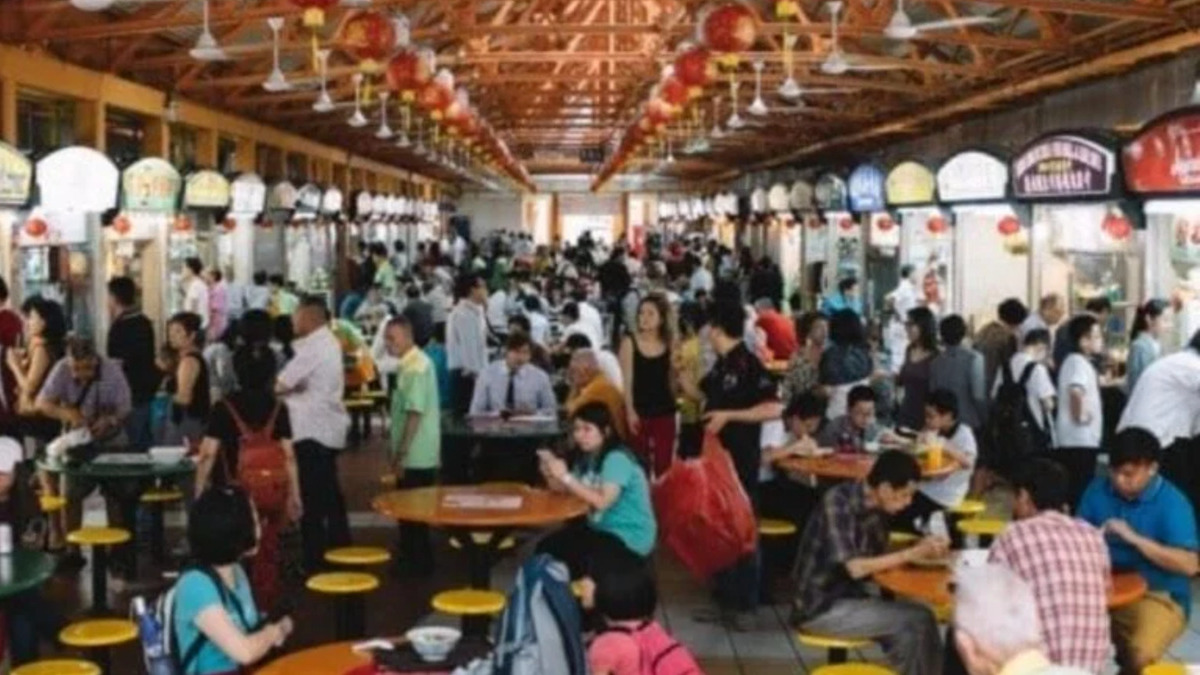
- From 10 January 2026, HDB coffee shop operators are no longer required to provide budget meals; participation becomes voluntary in exchange for enhanced financial support.
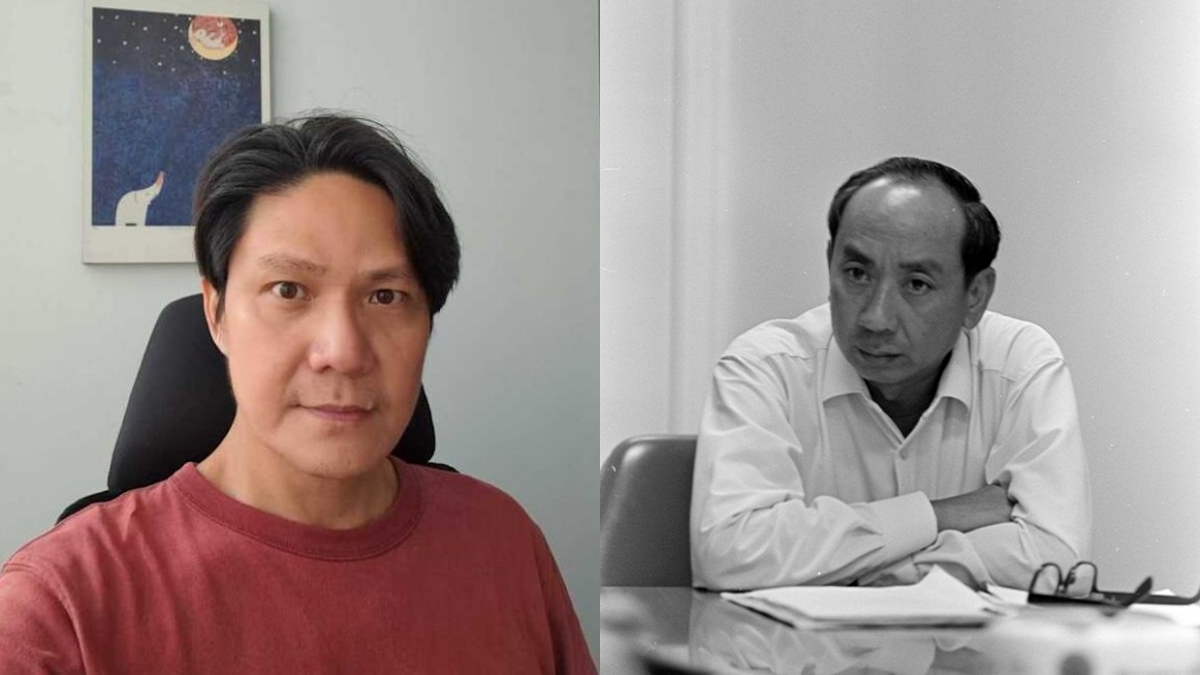
- Policy shift comes after public and parliamentary debate, including concerns raised by food critic KF Seetoh and MPs over sustainability and fairness for stallholders.
- HDB introduces a standardised budget meal scope, expands rental discounts, and initiates rent transparency efforts to address broader cost pressures.
In a major shift in the Housing & Development Board’s (HDB) efforts to ensure food affordability, coffee shop operators will no longer be required to provide budget meals as a condition of tenancy from 10 January 2026.
Instead, participation in the initiative will be voluntary, with financial incentives offered to encourage continued support for low-cost food options.
The announcement by HDB on Saturday (10 January) follows years of feedback from stallholders, residents, Members of Parliament (MPs), and vocal food critic KF Seetoh, who have argued that the mandatory provision of low-cost meals is unsustainable and places an unfair burden on stallholders.
Enhanced incentives for operators who opt in
To encourage continued participation in the scheme, HDB will increase financial support for coffee shop operators and require them to pass the benefits on to participating stallholders.
For HDB rental coffee shops, the existing 5% rental discount — previously applicable for just one year — will now be extended across the full three-year tenancy term.
This enhanced discount applies to both newly-let and existing rental coffee shops upon tenancy commencement or renewal, if they choose to participate in the budget meal scheme. Coffee shops currently offering budget meals will automatically receive the discount for the remainder of their tenancy.
For privately-owned HDB coffee shops, HDB will introduce a new support measure by offering a discount on the Temporary Occupation Licence (TOL) fees for their Outdoor Refreshment Areas (ORA). The discount is pegged to 5% of the assessed market rent, capped at 100% of the TOL fee over three years.
Operators must pass on the full value of these incentives to their stallholders. To ensure accountability, HDB will require participating operators to sign a letter of undertaking and declare how the discount is shared.
If found to be in breach, HDB reserves the right to cease and claw back the incentives.
From obligation to choice: key policy shift
Under current arrangements, coffee shops tendered under certain frameworks — such as the Price-Quality Method — were required to offer budget meals as part of their tenancy terms.
From 10 January 2026, this condition will no longer be imposed. Operators may choose to participate based on business viability and the appeal of rental incentives.
Existing operators with mandatory budget meal requirements can either maintain current arrangements or adopt the new voluntary model.
Newly-let coffee shops under the Price-Quality framework before 10 January 2026 must continue offering budget meals until the end of their current tenancy, after which they may opt out.
This policy shift brings HDB coffee shops in closer alignment with Socially-conscious Enterprise Hawker Centres (SEHCs), which have also been under scrutiny for similar issues.
Longstanding concerns from stakeholders
The decision to shift to a voluntary model follows years of criticism and debate.
Food advocate KF Seetoh has publicly criticised the initiative, arguing that forcing hawkers to absorb the cost of S$3 meals amounted to an unfair social tax.
In Parliament on 24 September 2025, MPs Louis Chua, Gerald Giam, and Foo Cexiang raised similar concerns over whether stallholders were being made to shoulder the cost of public food affordability measures.
Responding to Parliamentary Questions, Senior Parliamentary Secretary Goh Hanyan defended the scheme’s intent but acknowledged the importance of flexibility, transparency, and sustainability.
She emphasised that hawkers are not expected to incur losses from value meals, which typically account for only 5–20% of total sales. Operators are required to explain value meal obligations clearly before stallholders sign tenancy agreements.
However, she also acknowledged varying implementation standards across centres and stated that feedback mechanisms, such as quarterly sessions attended by NEA officers, were in place to facilitate continuous improvements.
New standardised meal options to improve quality and consistency
To address resident feedback on uneven quality and portion sizes, HDB will introduce a standardised scope for all budget meal providers who opt in.
Participating coffee shops must offer three meal types:
-
An economy rice option (one meat and two vegetable dishes)
-
A halal meal option
-
A breakfast item
The requirement to provide two budget drinks remains unchanged.
These changes are intended to ensure that meals meet basic daily needs and offer greater nutritional balance, though the Ministry for Sustainability and the Environment has confirmed it does not plan to regulate nutritional standards.
This was in response to a question from MP He Ting Ru on 6 November 2025, following a report by CNA TODAY that found none of 40 assessed budget meals met Health Promotion Board nutrition guidelines.
Nonetheless, HDB has pledged to work with the Health Promotion Board to encourage healthier offerings.
Promoting fair rents and informed decisions
Beyond food pricing, HDB will also implement new measures to address cost pressures faced by stallholders.
While 90% of HDB coffee shops experienced no rental increases between 2023 and 2025, some operators were reported to mark up stall rents significantly.
To improve transparency, HDB will begin collecting data on actual stall rents charged by coffee shop operators. This data will be assessed for public release, allowing stallholders to make more informed choices when selecting a stall.
Additionally, to discourage aggressive tender bidding, HDB will require successful bidders of coffee shops from 10 January 2026 to maintain their tendered rent for two tenancy terms, or six years.
This is a change from the current one-term (three-year) commitment, and is aimed at stabilising rents and supporting long-term business planning.