LTA says OBU unlikely to cause battery drain, netizens call for proper investigation
Motorcyclists reported faster battery drain after installing ERP 2.0 OBUs, prompting LTA and workshops to attribute issues to ageing batteries and wiring faults. Netizens questioned the OBU’s power system, calling for proper testing and further investigation.
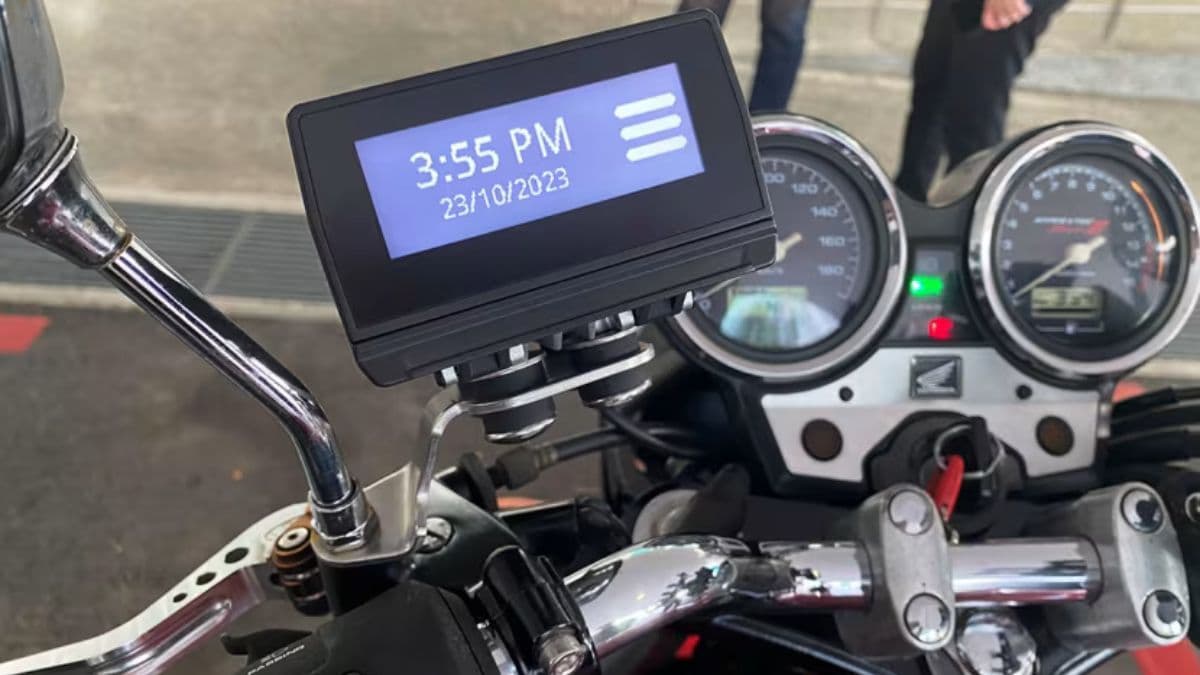
- Motorcyclists report faster battery drain after installing the ERP 2.0 OBU, though LTA and workshops maintain the device draws less power than the old IU and is unlikely to be the cause.
- Workshops attribute battery issues to ageing batteries, wiring faults and other electrical component failures, noting that most cases show no direct link to the OBU.
- Netizens question the OBU’s power consumption and installation quality, with some calling for proper testing and data before drawing firm conclusions.
SINGAPORE: Riders have raised concerns that the newly installed on-board units (OBUs) are draining their motorcycle batteries more quickly than the previous in-vehicle units (IUs).
Several motorcyclists said their batteries appeared to discharge noticeably faster, particularly when their bikes were left unused for several days.
The S$500 million ERP 2.0 initiative, first announced in 2013, has gradually replaced the old IU with a satellite-based system.
Motorcyclists began switching in June last year, with full adoption required by the end of 2026. As of October, more than 146,000 motorcycles — about 97 per cent of the fleet — have been fitted with OBUs.
LTA said it has received around 60 feedback cases related to alleged battery drain.
LTA: OBU Draws Less Power Than Previous IU
LTA, however, maintained that the OBU is unlikely to be the cause of battery issues. The authority said the device is designed to draw minimal current — even less than the previous IU — when a motorcycle’s ignition is switched off.
The OBU enters sleep mode in such situations, reducing power consumption further.
A spokesperson explained that the OBU functions as a mini-computer, continuously sending and receiving data such as traffic information, and therefore requires a consistent power supply to maintain performance.
Weak or ageing batteries, rather than the OBU, were more likely to contribute to drainage, the spokesperson added.
Workshops Point to Ageing Batteries and Electrical Issues
Motorcycle workshops echoed LTA’s assessment. THCycle director William Tan said the OBU should not drain a battery unless it has been tampered with.
While the old IU relied on two wires connected directly to the battery terminals, the new OBU has three wires linking it to both the battery terminals and the ignition.
He noted that the OBU includes its own internal battery. The connection to the motorcycle battery supports this internal unit, while the additional ignition wiring ensures power is supplied when the bike starts.
Issues such as improper wiring, weak rectifiers, faulty magnetic coils, or natural battery wear could also contribute to drainage, he added.
Ban Hock Hin workshop reported fewer than 40 battery-related cases since installations began. Its representative, Nur Shakila, said the OBU uses only a very small amount of current in sleep mode and should not discharge a healthy battery under normal circumstances.
She stressed that the overall condition of the motorcycle’s electrical system plays a major role in battery performance.
At Zack Enterprise, assistant Rebecca Lim said the workshop sees roughly the same number of battery issues now as it did before ERP 2.0.
She added that OBUs may be more prone to damage on motorcycles parked long-term in unsheltered areas exposed to heat and rain.
Recommendations for Riders
Workshops generally test battery health during OBU installation and advise replacements where necessary.
For motorcycles left unused for long periods, workshops recommended riding the bike for around 10 minutes every two weeks or using a smart charger to maintain battery health.
Workshops also advised against rewiring or disconnecting OBU cables, warning that this could damage the device or affect its functioning.
Netizens Question OBU's Power System
Online discussions on CNA’s Facebook page and Reddit show that many users are questioning the OBU’s power system.
Some expressed confusion over why the unit requires a connection to the motorcycle battery if it already contains an internal battery. One user said the internal battery appears pointless if the device still relies heavily on the bike’s main power supply.
One user questioned why the new device needs an internal battery at all, noting that batteries have limited lifespans and could wear out earlier than the previous IU’s components.


Some users speculated that the OBU’s satellite-tracking function might require significant power to transmit data, possibly contributing to faster drainage.

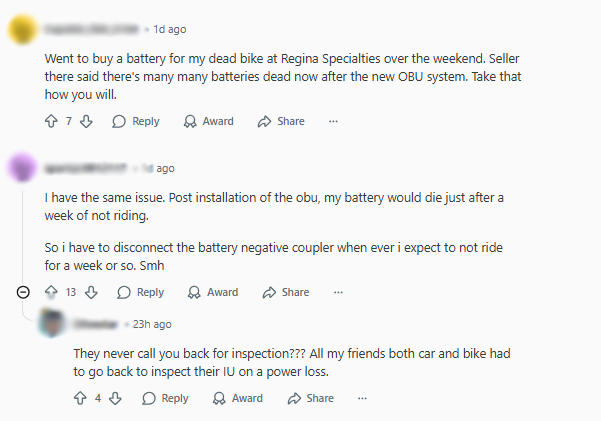
A few also shared personal accounts of experiencing battery issues shortly after installing the OBU.
Call for Investigation
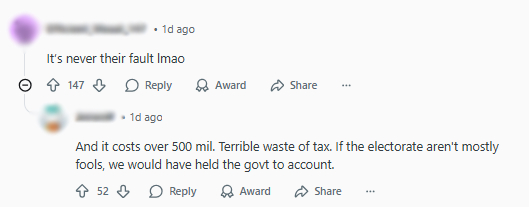
Some users questioned why LTA was quick to rule out the OBU as a contributing factor, with one saying authorities were always suggesting that “it’s others at fault”.
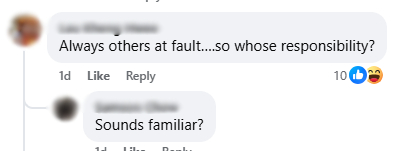
There were calls for a proper investigation, with users suggesting that an electrician should assess whether poor installation practices or the device itself was responsible for battery drain.
A user with more than 10 years of automotive engineering experience said proper testing and measured data were needed before drawing conclusions.


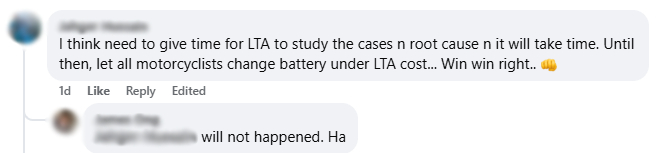
Others offered tongue-in-cheek proposals — such as having LTA cover the cost of battery replacements until the issue is resolved, calling it a “win-win solution”.
Ever since the ERP 2.0 rollout began, the system has drawn criticism. Some netizens have called the project flawed from the start. Despite its S$500 million budget, many argued that the older ERP system was more functional.