Motion in Parliament to assess Pritam Singh’s suitability as Leader of the Opposition
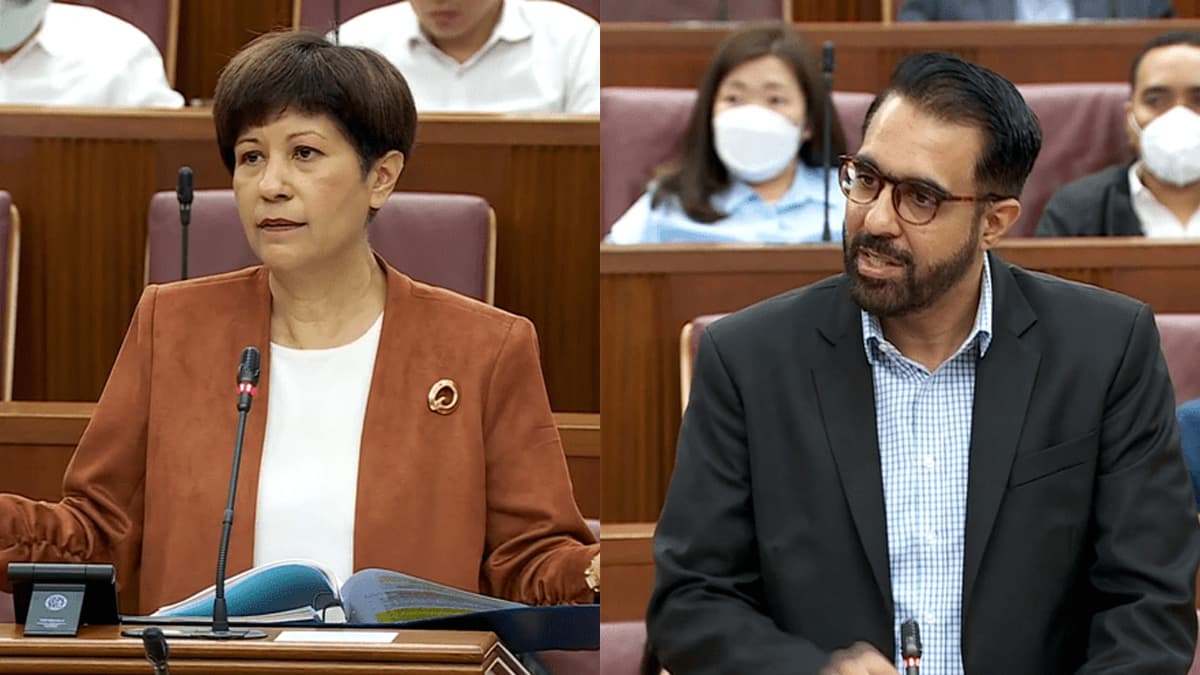
Leader of the House Indranee Rajah has filed a parliamentary motion asserting that Workers’ Party chief Pritam Singh’s conviction renders him unsuitable to continue as Leader of the Opposition. Parliament will debate the matter when it reconvenes on 12 January 2026.
- Parliament to debate motion questioning Pritam Singh’s suitability as Leader of the Opposition following his conviction.
- The motion, tabled by Indranee Rajah, cites the High Court’s findings and Singh’s conduct as grounds for concern.
- The Workers’ Party has initiated internal disciplinary proceedings and will convene a Special Cadre Members’ Conference.
Parliament will reconvene on 12 January 2026, with a key item on its agenda: a motion to debate the conduct of Workers’ Party (WP) chief Pritam Singh and whether he remains fit to continue as Singapore’s Leader of the Opposition.
The motion, tabled by Leader of the House Indranee Rajah, cites Singh’s February 2025 conviction for lying to the Committee of Privileges (COP) and the subsequent dismissal of his appeal by the High Court in December 2025.
The upcoming debate follows a full judgment by the High Court, which upheld the conviction and described Singh’s actions as dishonest. The motion calls his conduct "dishonourable and unbecoming of a Member of Parliament".
It argues that Singh’s conviction renders him unfit for a parliamentary leadership role and that continuing in such a position could damage the standing of Parliament and public trust in Singapore’s political system.
The motion also reaffirms the centrality of honesty and integrity in Singapore’s parliamentary system and calls on all Members of Parliament to uphold the law and public trust.
Justice Steven Chong, delivering the High Court’s ruling, found that Singh delayed efforts to correct a falsehood told in Parliament by then-WP MP Raeesah Khan in August 2021. Singh was found to have guided her to maintain the falsehood until internal party pressure — particularly from former WP leader Low Thia Khiang — led to a reversal in October 2021.
Singh was fined S$14,000 (approximately US$10,700), which remains below the S$10,000 per charge threshold that would have disqualified him from his seat in Parliament.
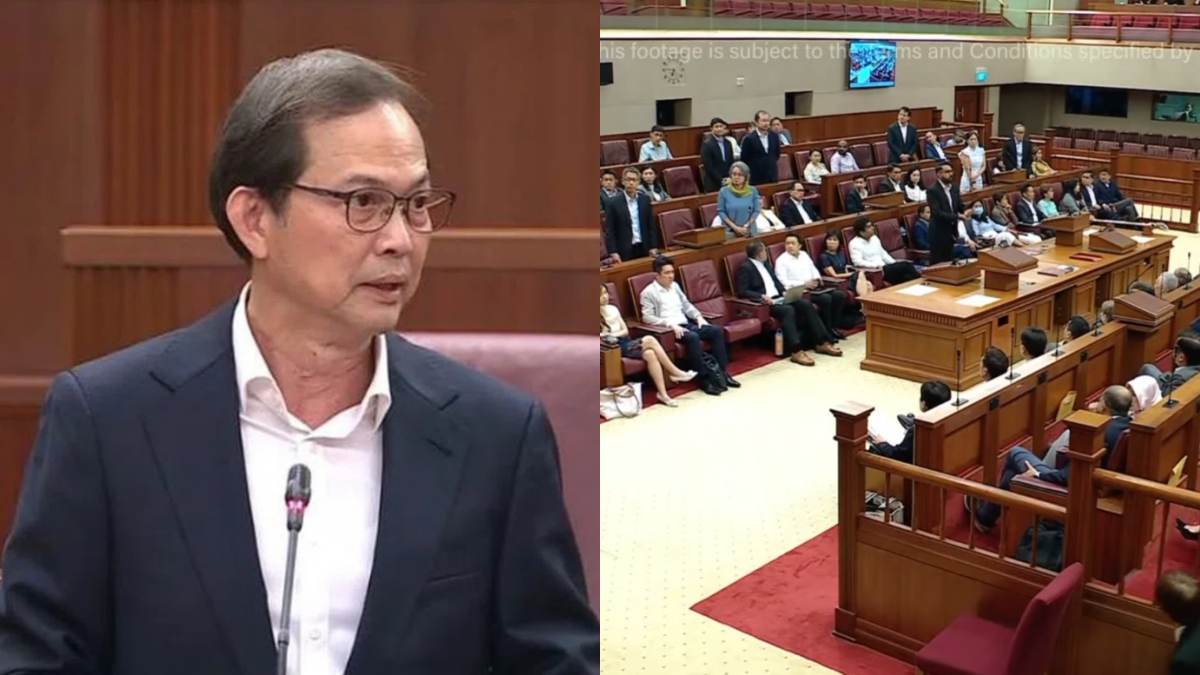
Leader of the House Indranee Rajah stated in December 2025 that Parliament must deliberate on an appropriate response to Singh’s actions. “Lying under oath is a serious matter,” she said. “We cannot accept such standards in Singapore.”
The motion also notes that the High Court’s findings may have implications for other WP leaders, including Sylvia Lim and Muhamad Faisal Manap, though it emphasises that those matters should be considered separately.
Since Singapore’s independence, the People’s Action Party (PAP) has held an overwhelming majority in Parliament, allowing it to consistently pass motions without obstruction from the opposition. Conversely, no opposition motion has passed without being significantly amended or rejected. The outcome of this latest motion is therefore expected to follow a similar trajectory, although its symbolic and political significance remains high.
In parallel, the WP announced on 3 January 2026 that it would convene a Special Cadre Members’ Conference (CMC) following an internal disciplinary process. A panel has been formed to assess whether Singh breached the party’s Constitution. The WP has pledged to complete the process within three months and issue a notice for the Special CMC within two weeks.
The party reaffirmed its commitment to due process, transparency, and internal accountability, while resisting suggestions that external political pressure should dictate leadership decisions.
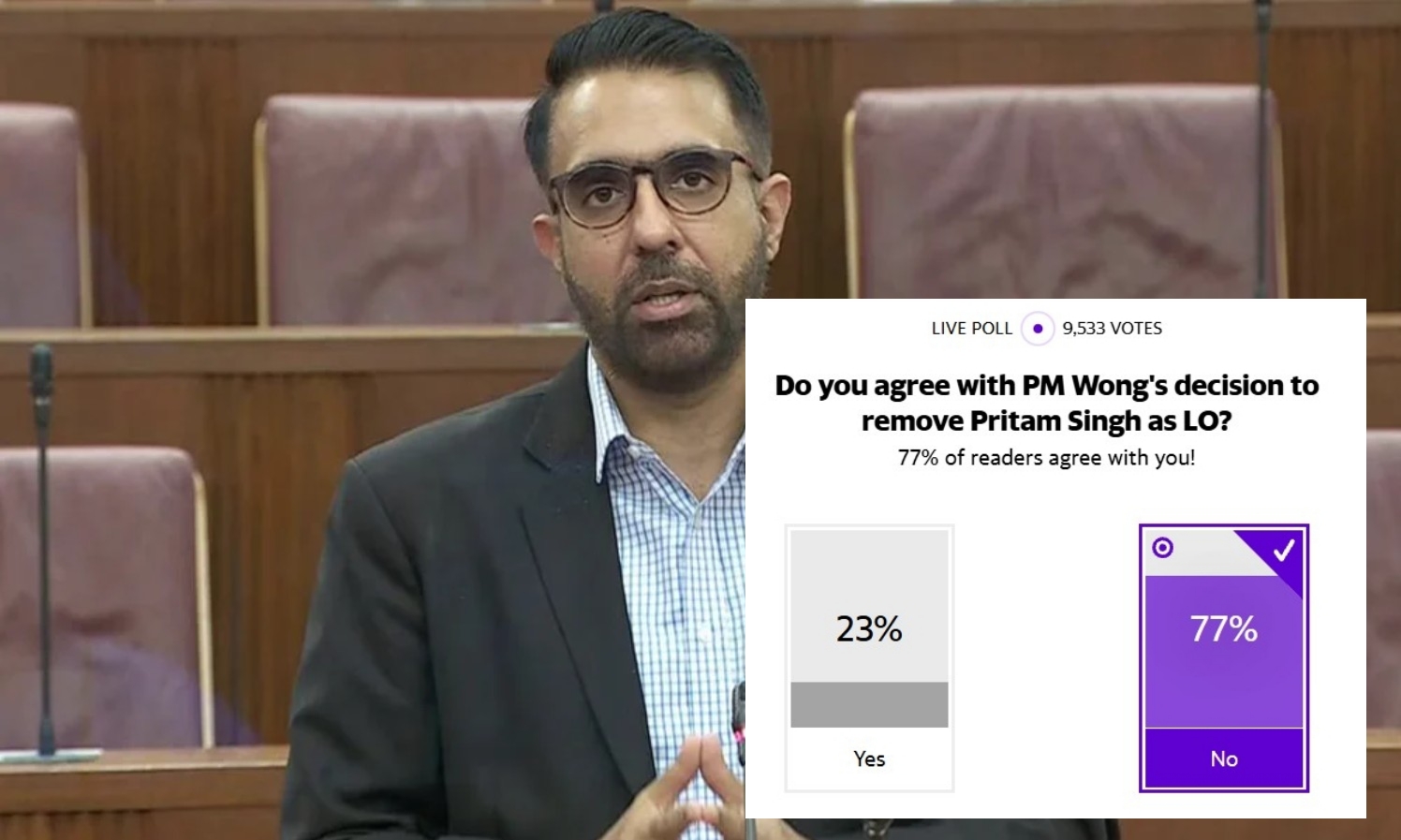
The broader context of this motion has sparked public debate. While some Singaporeans support the parliamentary move as a necessary check on elected officials, others have questioned whether repeated parliamentary action on Singh is proportional, given that the courts have already ruled and the fine has been paid.
Online commentary reflects a growing perception that the focus on Singh risks becoming politically charged. Several commentators expressed concern that valuable legislative time is being spent on opposition figures rather than national priorities such as housing, job stability, and cost-of-living issues.
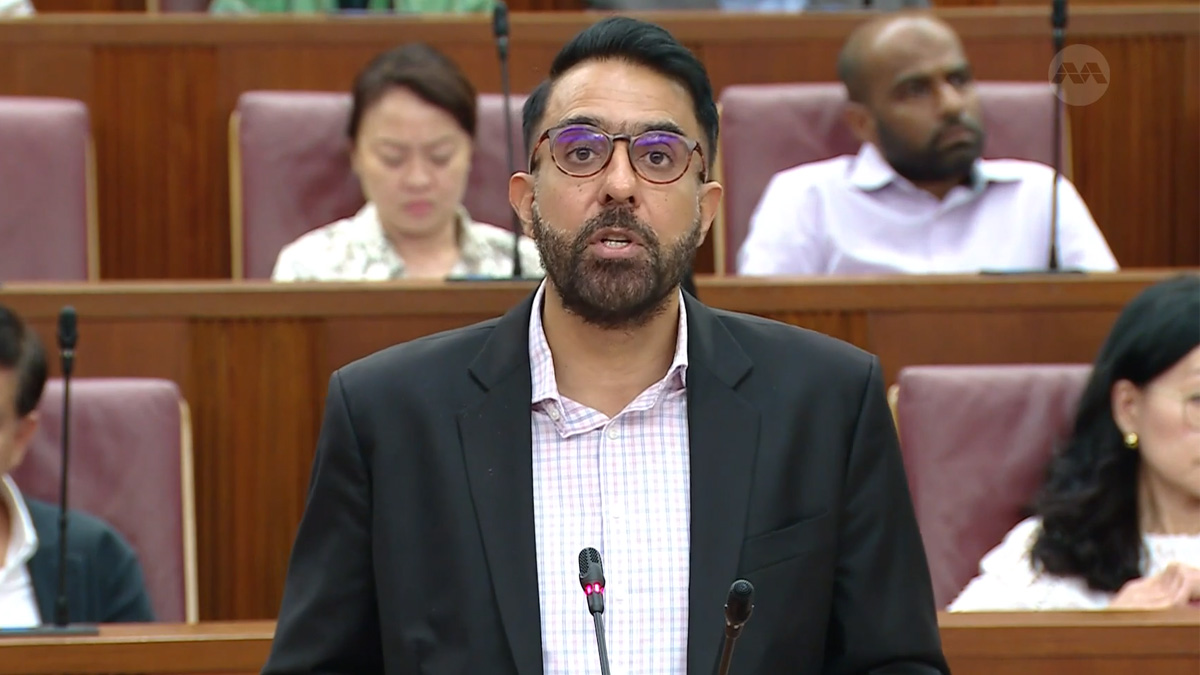
Singh has accepted the court’s verdict and reiterated his commitment to serving in Parliament. He has not stepped down from his role and awaits the outcome of both the parliamentary debate and the WP’s internal review process.