Ong Ye Kung explains ISP rider changes to slow private-to-public patient shift
Health Minister Ong Ye Kung said the upcoming ISP rider reforms aim to slow the shift from private to public healthcare. Paul Tambyah later removed a critical video to avoid confusion, clarifying that his comments were based on possible outcomes post-reform.
- Health Minister Ong Ye Kung said the 2026 ISP rider changes aim to stem the shift from private to public healthcare due to rising premiums.
- Paul Tambyah raised concerns about potential unintended outcomes from the reforms, but later removed his video to avoid public misunderstanding.
- Tambyah clarified that his comments were speculative and reaffirmed the SDP’s call for a universal single-payer system.
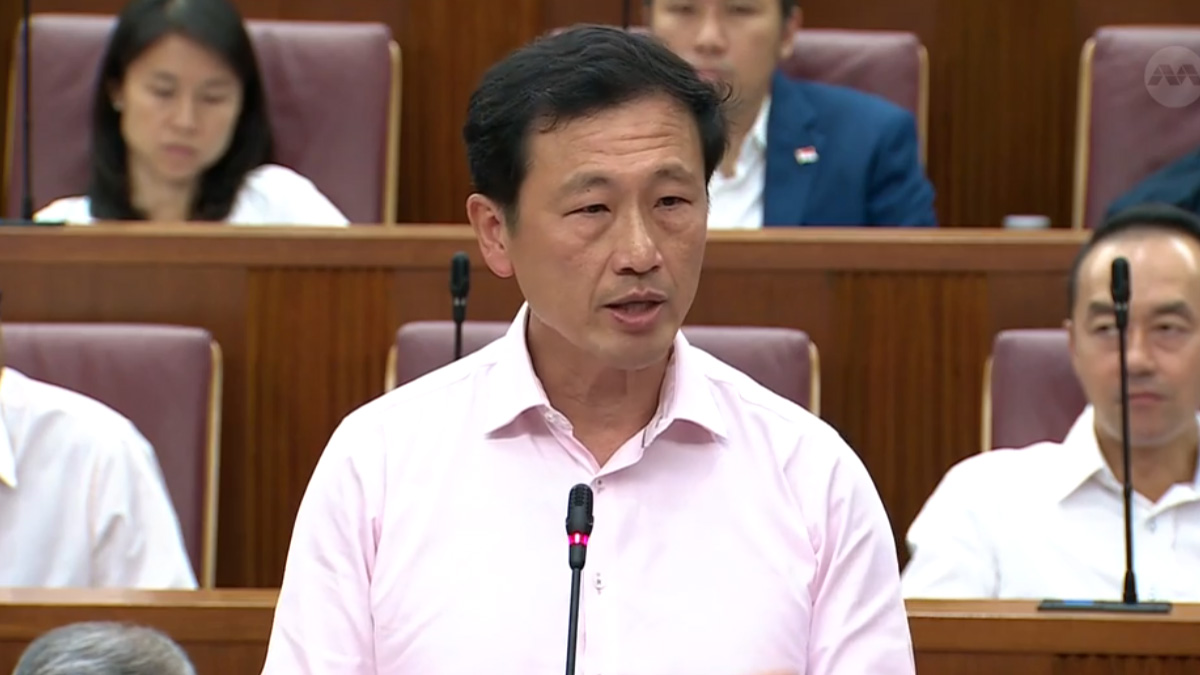
Singapore's Health Minister Ong Ye Kung has defended upcoming changes to Integrated Shield Plan (ISP) riders, stating that the new rules are essential to moderate rising premiums and address a growing shift of patients from private to public hospitals.
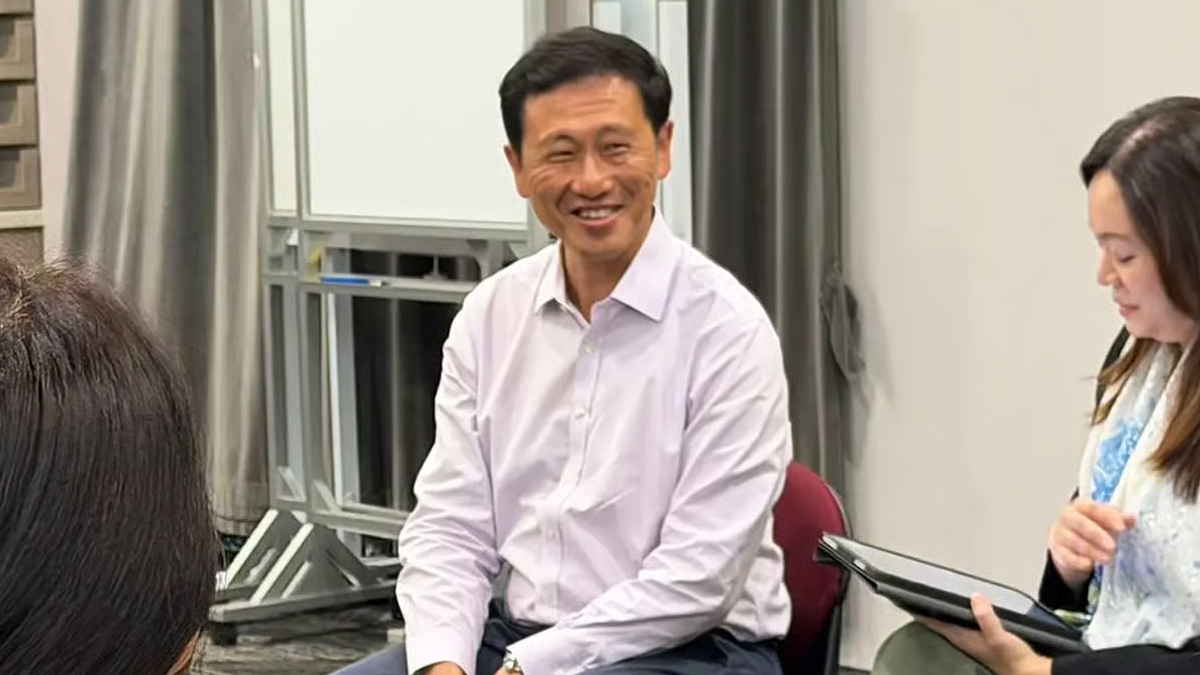
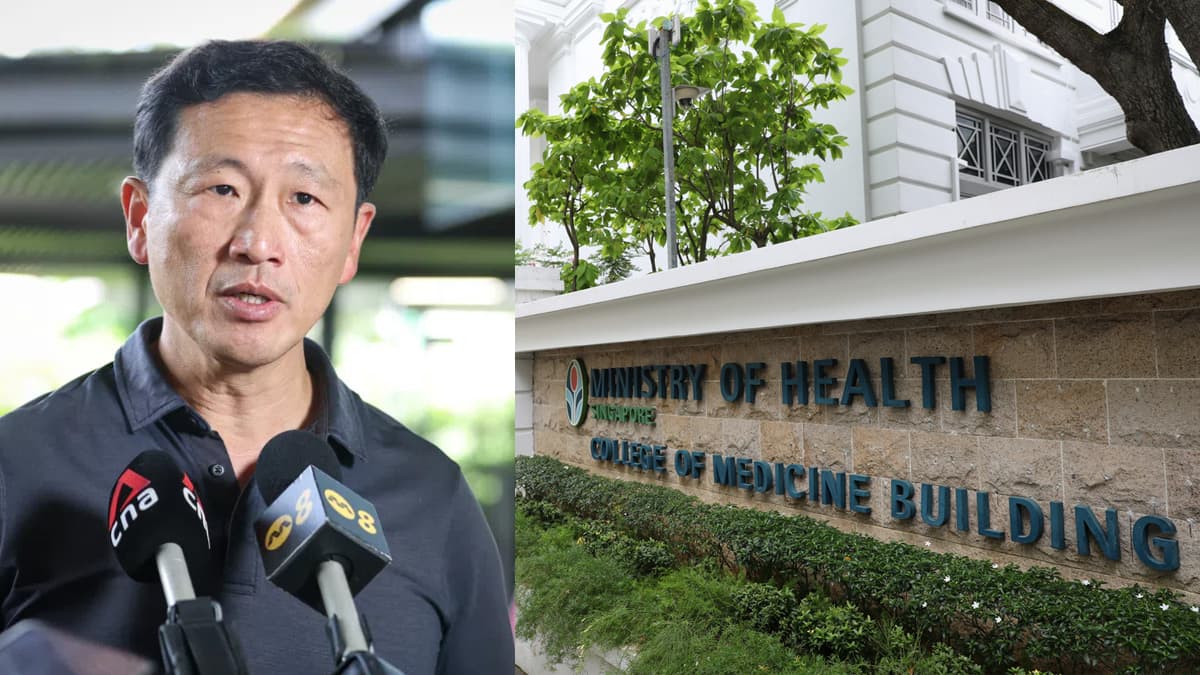
Speaking at a doorstop interview on 14 December 2025, Ong said the Ministry of Health (MOH) had received largely appreciative responses, alongside many valid questions, following the announcement of the changes earlier that month.
From 1 April 2026, all new ISP riders will no longer cover the minimum deductible set by MOH, and the co-payment cap will be doubled from S$3,000 to S$6,000. These changes apply only to new policyholders, not those currently under subsidised public hospital care.
“Every year, we are already seeing 100,000 people who… find that they cannot afford the premiums anymore, so they either cancel their IP riders or downgrade,” said Ong.
“These 100,000 people will potentially shift over to subsidised public healthcare. It is something that is already happening and may be happening at an increasing pace. We need to address this.”
He stressed that holding onto ISP riders had become unaffordable for many. With a projected 30% reduction in premiums for the new rider model, Ong said the reform might encourage more to retain their coverage and continue accessing private care.
He acknowledged concerns that more co-payment and higher deductibles might push patients to public hospitals, potentially lengthening queues and wait times.
“In the short term, certain procedures… may shift over to public healthcare, but it will only affect new policyholders. It should be a small number,” he said.
“We will monitor the situation closely… But I think what we are doing is for the long term.”
Ong also encouraged individuals to consult financial advisers carefully before making changes to their coverage. He cautioned against simply purchasing “absolute peace of mind” plans without understanding what they cover.
“Tell your financial advisor, ‘Do your work. Break down for me what are exactly the policies you are selling me. For each policy, what is the premium and what am I covered for?’” he advised.
Tambyah’s concerns and later clarification
Days before Ong’s remarks, Singapore Democratic Party (SDP) Chairman Prof Paul Tambyah had released a video on 9 December 2025 expressing concern about the potential impact of the same ISP policy changes.
In the video, Tambyah suggested that the raised co-payment cap might deter early treatment for conditions where costs fall just below S$6,000, and that this could result in avoidable complications. He also warned of increased pressure on public hospitals as more patients might avoid private care due to cost concerns.
Tambyah is Professor of Medicine at the National University of Singapore and Senior Consultant in Infectious Diseases at the National University Hospital. He made the video in his capacity as SDP Chairman.
However, the video was subsequently taken down. On 11 December, Tambyah posted a clarification on his Facebook page, stating:
“Apparently some people may have misunderstood the original post to be about the current public healthcare system. It was actually expressing some concerns about what might happen… if and when the co-payment cap for private insurance with riders is raised to $6,000 on 1st April 2026.”
He added that his remarks were based on a review of medical literature concerning healthcare access and insurance incentives. The intent, he said, was to highlight possible unintended consequences of the policy, not to mischaracterise the current ISP framework.
Tambyah advised Singaporeans to use the remaining time before the changes take effect to assess their insurance coverage and consult their Members of Parliament about mitigation plans.
He reiterated: “Personally, I still think that we need a simpler, single payer universal healthcare system like the one proposed by the SDP.”