Secondary schools in Singapore to ban smartphones and smartwatches outside lessons from January 2026
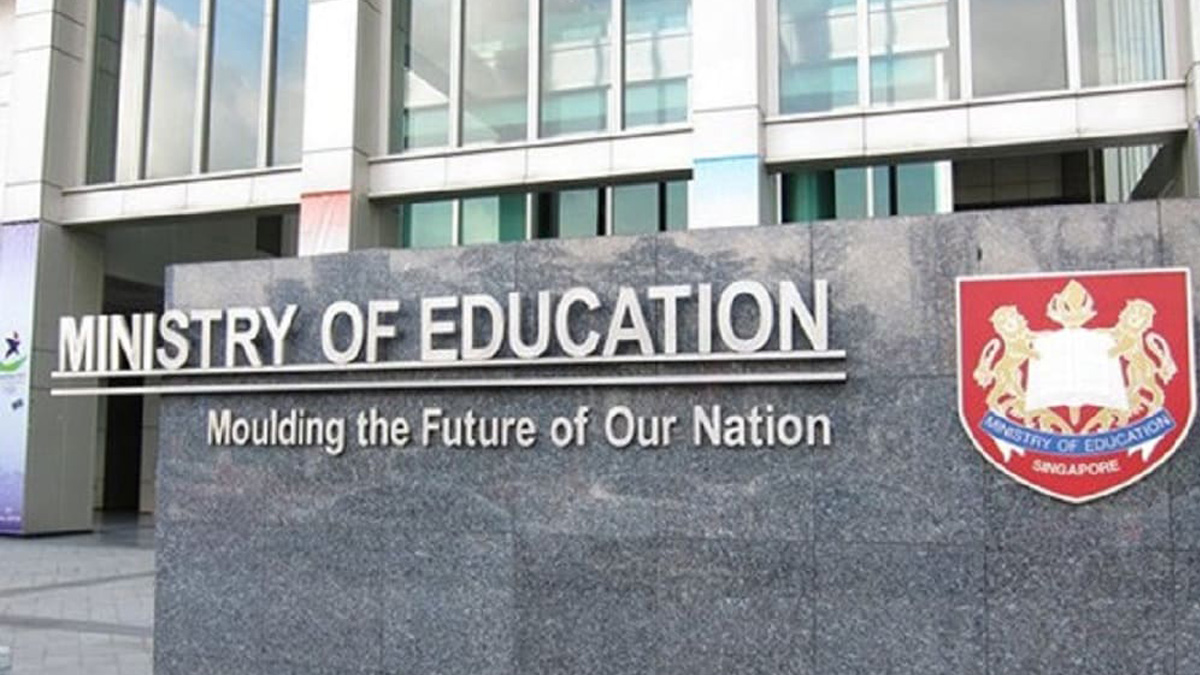
The Singapore Ministry of Education will prohibit secondary school students from using smartphones and smartwatches outside lessons starting January 2026, extending restrictions already in place for primary schools.
- Secondary school students will be barred from using smartphones and smartwatches outside lesson time from January 2026.
- The move follows earlier restrictions introduced in primary schools and aims to promote healthy digital habits.
- MOE will also bring forward night-time screen lock for learning devices to 10.30pm.
Singapore will implement a new policy from January 2026 banning secondary school students from using smartphones and smartwatches outside of lesson times, including during recess, co-curricular activities (CCAs), and enrichment classes.
The Ministry of Education (MOE) announced on 30 November that the revised guidelines are designed to cultivate healthier digital habits among students and align with similar measures already introduced in primary schools since January 2025.
Under the new rules, students will be required to store their devices in designated areas, such as lockers or school bags, for the duration of the school day. The ban extends beyond regular lessons to include supplementary and remedial periods.
Smartwatches are also covered, with MOE citing their capability to access messaging and social media apps, which may lead to distraction and reduced peer interaction.
MOE stated that exceptions may be granted in specific situations at the discretion of schools.
Some secondary schools have already piloted these restrictions since early 2025. A MOE spokesperson said outcomes have included increased physical interaction, better focus, and improved well-being among students.
The initiative is part of a broader set of measures that includes a change to personal learning device settings. From January 2026, the default lock time for school-issued tablets and laptops will be brought forward to 10.30pm, instead of the current 11.00pm.
Devices will enter sleep mode from 10.30pm to 6.30am daily. According to MOE, this aims to encourage earlier bedtimes and improve sleep hygiene for students.
Since 2021, secondary school students in Singapore have used personal learning devices such as iPads and Chromebooks. These devices are equipped with a device management application, which allows schools to block inappropriate content and set screen time limits.
Parents can choose whether to maintain, modify, or disable these controls after school hours. However, MOE strongly urged families to consider retaining or aligning with the 10.30pm lock-in default.
The announcement follows updates made in January 2025 to the Ministry of Health’s (MOH) screen time guidelines, which recommend zero screen time for children under 18 months and no more than two hours daily for children aged seven to 12, excluding schoolwork.
That same month, the Government launched Grow Well SG, a national wellness strategy aimed at improving children's sleep, nutrition, learning, activity, and social interaction.
A government survey released in September found that one in four teenagers aged 13 to 17 spent more than four hours per day on digital devices during weekdays. The proportion rose to nearly half on weekends.
Speaking at the National Day Rally in August, Prime Minister Lawrence Wong said the Government would step up support for parents and improve digital safety for children. He urged families not to rely on screens as childcare substitutes.
In addition to MOE’s guidelines, the Ministry of Digital Development and Information and the Ministry of Social and Family Development launched two new Grow Well SG initiatives on 30 November.
These include digital parenting programmes and a new children’s book, Timmy and Tammy: Guide to Digital Wellness, published by the Families for Life Council. The book, aimed at children aged three to eight, teaches responsible online behaviour and balancing digital use with offline activities.
The digital parenting programmes will be rolled out until 2026, beginning in neighbourhoods with higher concentrations of young families. Community partners such as Look Up Family, TOUCH Community Services, and YouthTechSG will conduct these sessions through workshops and webinars.
Singapore’s latest policy places it alongside a growing number of countries seeking to address smartphone dependence in schools.
Most notably, South Korea passed a bill in August this year banning mobile phones and smart devices during class hours in all schools, effective from March 2026. The legislation was passed with bipartisan support, with 115 votes in favour out of 163 members present.
The move is part of South Korea’s national response to growing concerns about smartphone addiction. Lawmakers, educators, and parents argue that unregulated use of smartphones is detracting from students’ academic performance and focus.
Although most South Korean schools already implement informal restrictions, the new law will standardise the policy nationwide.
The bill has faced criticism from students and some experts, who argue that it does not address the root causes of digital addiction and raises questions about enforcement.
Internationally, several countries have introduced restrictions on phone use in schools. Finland and France have applied such bans to primary schools, while Italy, the Netherlands, and China have implemented broader rules across all school levels.