Asean unlikely to recognise Myanmar’s 2025 elections amid concerns over legitimacy and Suu Kyi’s detention
Thailand's Foreign Minister Sihasak Phuangketkeo said Asean is unlikely to re-engage with Myanmar after its 2025 election, citing the lack of inclusive dialogue and continued detention of Aung San Suu Kyi. He urged humanitarian aid and called for credible reform beyond the polls.
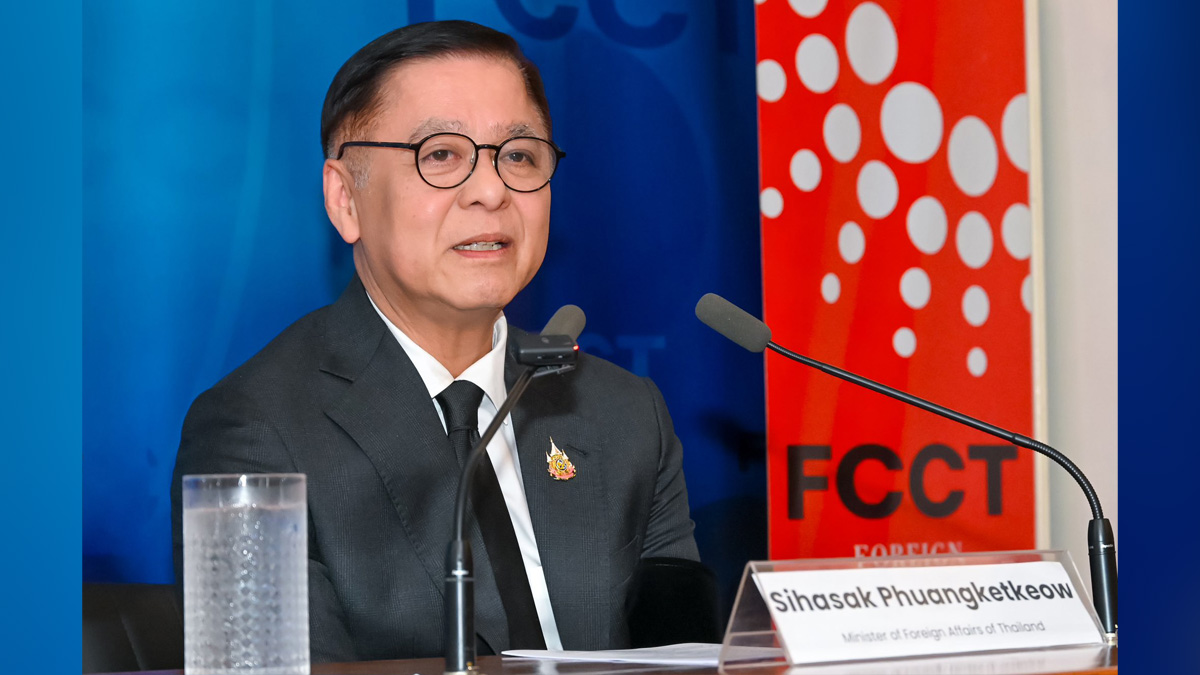
- Asean unlikely to re-engage with Myanmar after 2025 polls due to lack of inclusivity.
- Thailand calls for Aung San Suu Kyi’s release and humanitarian action.
- Regional unity strained over engagement with Myanmar’s military-led process.
The Association of Southeast Asian Nations (Asean) is unlikely to resume formal engagement with Myanmar following its upcoming general election, according to Thailand’s Foreign Affairs Minister Sihasak Phuangketkeo.
His remarks reflect a growing consensus within the bloc that the poll lacks the conditions required for legitimacy.
Speaking at the Foreign Correspondents’ Club of Thailand (FCCT) on 25 November, Sihasak said, “Under the present circumstances and the fact that the elections will be held when they haven't had the needed inclusive dialogue yet, it will be difficult for us to re-engage with Myanmar.”
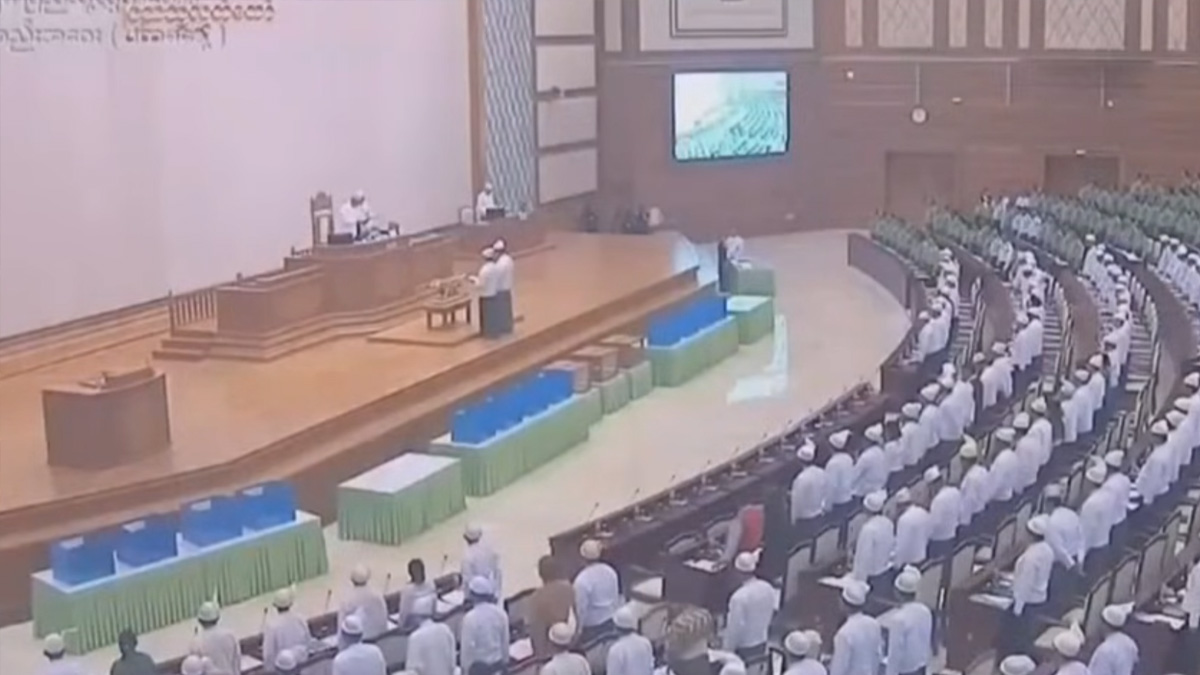
The general election, scheduled to begin on 28 December 2025, has been derided by critics as an attempt by the military junta to entrench power. Junta leader Min Aung Hlaing has confirmed that the vote will not take place nationwide, due to ongoing armed resistance across large areas of the country.
“Many of the pro-democracy parties have been banned or are refusing to participate,” Sihasak noted. “We want it to be free and credible, but it's not going to be the case, we know that.”
“My feeling is that we won't be in a position to recognise the elections,” he added.
The election will unfold in multiple phases, with the second round of voting slated for 11 January 2026. No date has yet been set for the announcement of results, nor have further phases been officially detailed.
Asean foreign ministers issued a joint call in October for Myanmar’s military administration to ensure a fair and inclusive election. They also reiterated the need to implement the bloc’s Five-Point Consensus (5PC), which was adopted in April 2021. The plan calls for an end to violence, inclusive dialogue, and humanitarian access, but implementation remains stalled.
In a statement released following the 47th Asean Summit, the Thai Ministry of Foreign Affairs underlined its position that any electoral process in Myanmar must be accompanied by inclusive political engagement and humanitarian aid.
Sihasak reinforced this during his remarks, highlighting the need for constructive steps beyond the vote itself.
Referencing Myanmar’s 2010 election, Sihasak suggested that even a flawed poll could eventually lead to political opening.
“Maybe an imperfect election can also be a good opportunity to return the country back to stability and democracy,” he said. He pointed to the election of Thein Sein, who subsequently freed Aung San Suu Kyi and allowed her party, the National League for Democracy (NLD), to compete in the 2015 elections.
Nonetheless, he cautioned against premature endorsement.
Thailand, which shares a 2,400 km border with Myanmar, currently hosts millions of migrants and refugees from the country. Many fled the economic crisis and civil conflict following the military’s 2021 coup, which removed Suu Kyi’s elected civilian government.
Sihasak also called for Suu Kyi’s immediate release on humanitarian grounds, citing her age and reported health issues.
“Sometimes we must say things that are the right thing to say,” he told reporters in Bangkok. “It’s time to release her. She’s been in custody for too long. At her age, we don’t know the condition of her health, and so I hope they do that immediately.”
Suu Kyi, now 80, has been held in detention since the coup and is serving a sentence exceeding 30 years following closed-door trials on a range of charges widely dismissed as politically motivated. According to her son, she is suffering from a worsening heart condition and is being denied specialist care.
Thailand has signalled a conditional willingness to observe Myanmar’s elections if invited, but the Thai Foreign Ministry clarified that any such role would not amount to recognition of the outcome. Observers from Asean or external parties are unlikely to gain access to areas experiencing active conflict.
The continued detention of opposition figures, limited political participation, and ongoing armed resistance present severe barriers to what Asean leaders consider a legitimate election process. Regional unity on how to respond to the outcome remains fragile, with countries like Malaysia and Indonesia pushing for stronger pressure on the junta, while others prefer quiet diplomacy.
Asean has already downgraded Myanmar’s representation in its high-level meetings, excluding military officials from summits but stopping short of suspending its membership.
As the first round of voting approaches, observers remain sceptical that the process will yield meaningful political change. Instead, many expect that Asean’s current stance of limited engagement and humanitarian advocacy will continue, barring a major shift in Myanmar’s domestic political environment.