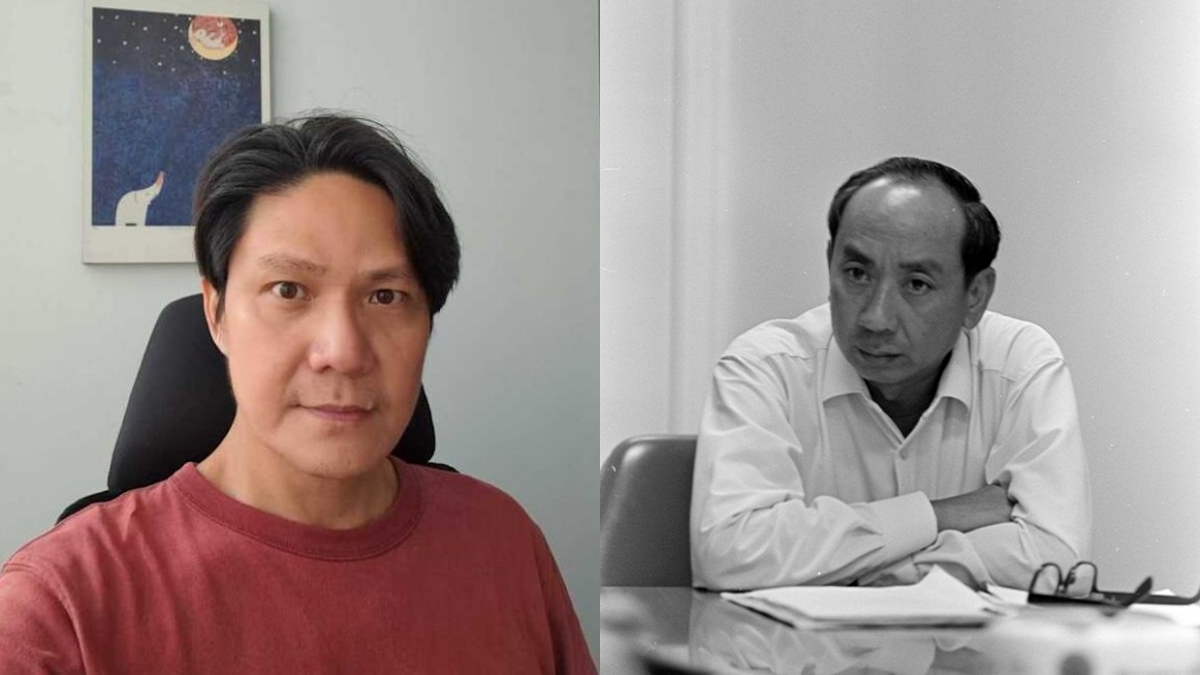
Thai PM Paetongtarn Shinawatra Apologises After Leaked Hun Sen Call Sparks Coalition Crisis
Thai Prime Minister Paetongtarn Shinawatra issued a public apology on 19 June 2025 after a leaked phone call with Cambodia’s former leader Hun Sen ignited political turmoil, threatening the survival of her coalition government.
- Thai PM Paetongtarn Shinawatra apologised on 19 June 2025 after a leaked call with Hun Sen triggered outrage.
- Bhumjaithai Party (69 MPs) quit the coalition, leaving her government at risk of collapse.
- In the recording, Paetongtarn referred to a Thai general as an “opponent” and pledged to grant Hun Sen’s requests.
- Cambodia admitted Hun Sen personally leaked the conversation to senior officials.
- Opposition parties and protesters are calling for Paetongtarn’s resignation or snap elections.
- The scandal has rattled markets, with the baht and stocks dropping amid fears of instability.
- Comparisons drawn to past Shinawatra-linked crises, raising questions about her political survival.
Thailand’s Prime Minister Paetongtarn Shinawatra has issued a formal apology after a leaked phone conversation with Cambodia’s former leader Hun Sen sparked a political crisis that now threatens to collapse her government.
The 38-year-old, who took office in August 2024, admitted that the audio recording of her 15 June conversation with Hun Sen—currently Cambodia’s Senate president—had severely undermined public trust. The fallout has been swift and severe, with the coalition that brought her to power now hanging in the balance.
Coalition cracks open
The conservative Bhumjaithai Party, which holds 69 seats in parliament, announced its withdrawal from the ruling coalition after the leak, stripping Paetongtarn of her parliamentary cushion. Without their support, her administration is teetering on the brink of collapse.
Other coalition partners, including the United Thai Nation Party and the Democrat Party, are reviewing their positions. Several Democrat lawmakers told Reuters they were “deeply disturbed” by the tone of the conversation, particularly Paetongtarn’s apparent willingness to grant Cambodian requests without parliamentary approval.
Content of the call
In the leaked recording, Paetongtarn referred to a senior Thai military commander as an “opponent” and made informal overtures to Hun Sen, addressing him as “uncle” and pledging to “grant any request” in exchange for assistance in managing the ongoing Thai-Cambodian border dispute.
She also joked that critics were telling her to “go be the Cambodian prime minister instead,” remarks that outraged nationalist and military factions in Bangkok.
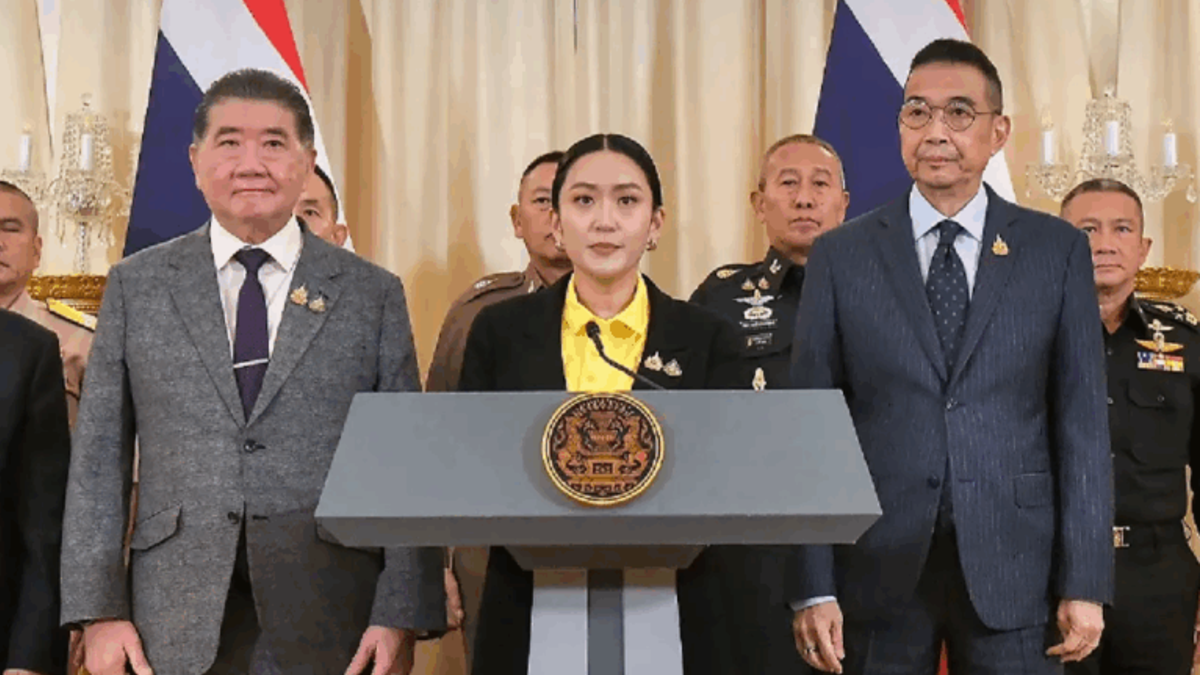
The prime minister appeared on 19 June alongside generals and cabinet ministers at Government House to issue her apology. “I would like to apologise for the leaked audio of my conversation with a Cambodian leader, which has caused public resentment,” she said.
Cambodia admits to leak
Hun Sen acknowledged that he had personally recorded the conversation and distributed it to around 80 senior Cambodian officials. He defended the move as a “precaution” to avoid misrepresentation, adding that Thailand had initiated the call.
Bangkok has accused Phnom Penh of violating diplomatic norms, summoning Cambodia’s ambassador in protest.
Domestic backlash and economic fallout
The scandal has triggered protests in Bangkok and Chiang Mai, led largely by student groups demanding transparency, reform, or Paetongtarn’s resignation. The opposition Move Forward Party has seized the opportunity to push for snap elections.
Markets have reacted negatively to the political uncertainty. The baht and Thai stock markets fell sharply following the leak, raising investor concerns about potential snap polls or military intervention.
With Thailand’s economy already struggling to recover from pandemic-era downturns, analysts warn that political instability could further erode confidence.
Shadows of the Shinawatra legacy
The crisis has drawn comparisons to past political upheavals involving the Shinawatra family. Paetongtarn’s father, Thaksin Shinawatra, was ousted in a 2006 military coup, while her brother Panthongtae has faced corruption-related legal troubles. Critics argue that the family’s political brand continues to provoke mistrust among military and conservative elites.
What happens next?
While Paetongtarn has not indicated she will step down, insiders within her Pheu Thai Party suggest a cabinet reshuffle is under consideration to placate coalition allies. Analysts, however, caution that such moves may only buy time rather than restore credibility.
If another party withdraws support, the government could collapse outright, paving the way either for snap elections or for rival blocs to assemble a new parliamentary majority.
For now, Paetongtarn’s premiership hangs by a thread. A conversation intended to smooth over border tensions has instead unleashed a storm that could reshape Thailand’s political future.