2025 proves deadliest year for journalists amid war, crime, and state repression
Journalist killings rose sharply in 2025, with 67 slain—most in conflict zones or by criminal groups. Reporters with Borders (RSF) highlights impunity, repression, and rising hostility as key threats to press freedom worldwide.
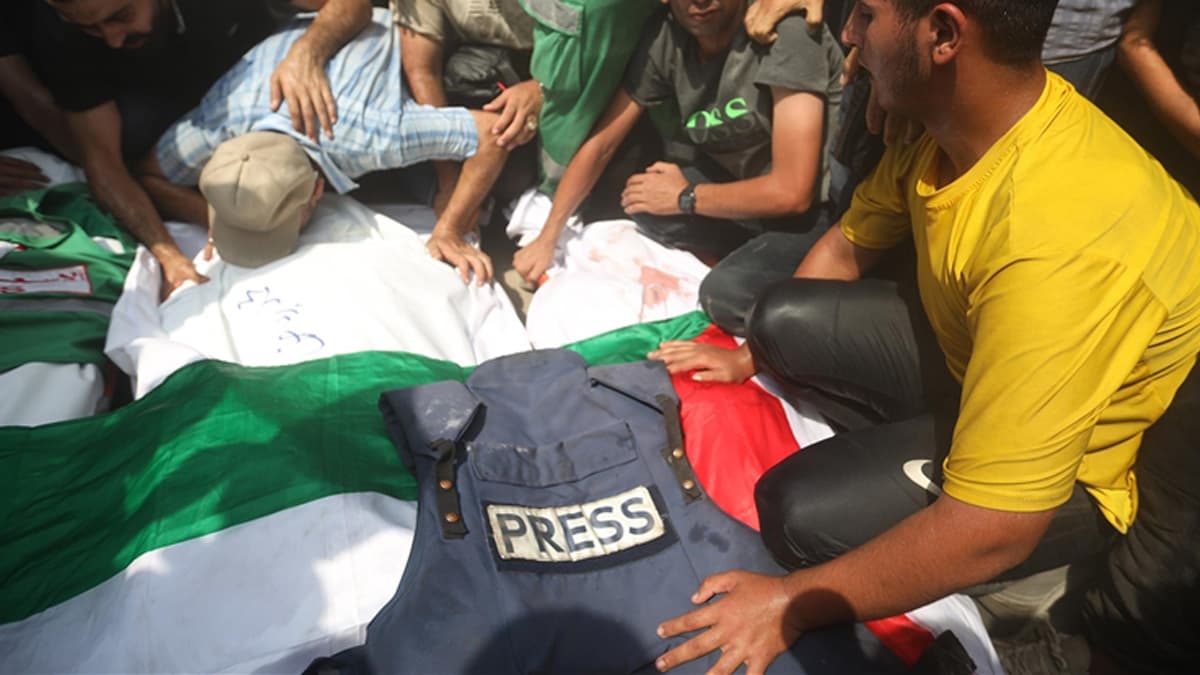
- 67 journalists were killed in 2025, with nearly half dying in Gaza due to Israeli military actions.
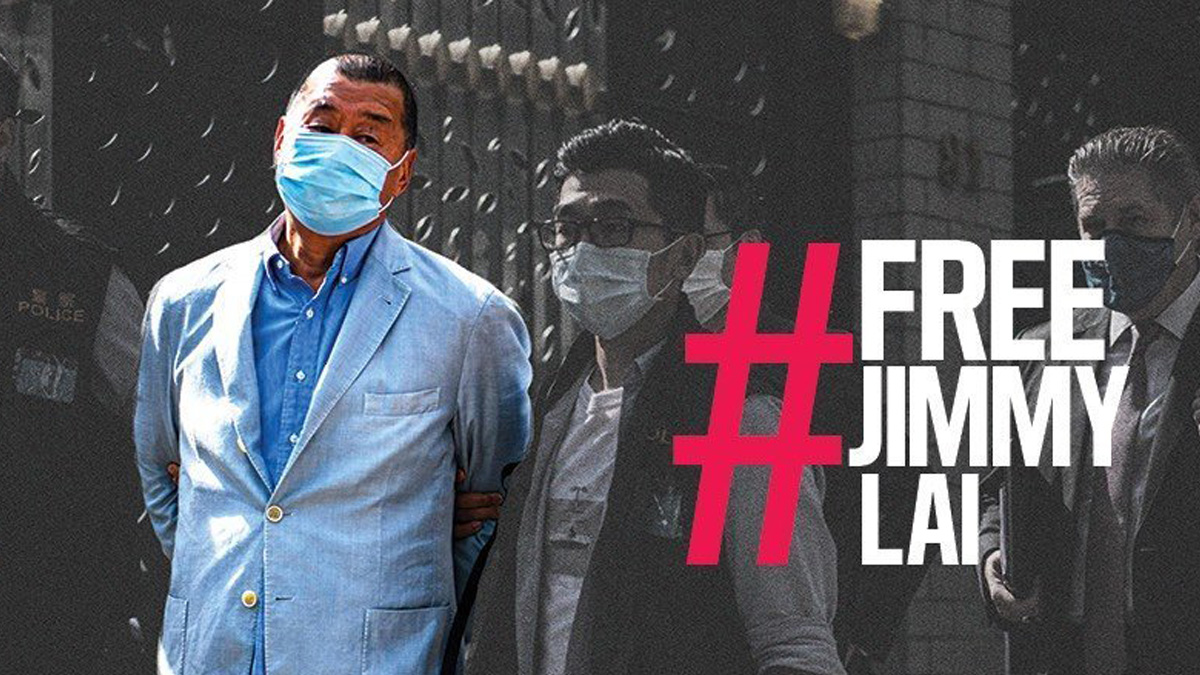
- 503 journalists are imprisoned globally, with China, Russia, and Myanmar leading in detentions.
- Mexico ranks as the second deadliest country for journalists, reflecting rising organised crime threats.
Journalism faced unprecedented dangers in 2025, as violence against media professionals escalated across multiple regions plagued by war, repression, and organised crime.
According to a year-end report by Reporters Sans Frontières (RSF), 67 journalists were killed over the past 12 months, making this the deadliest year for the profession in at least three years.
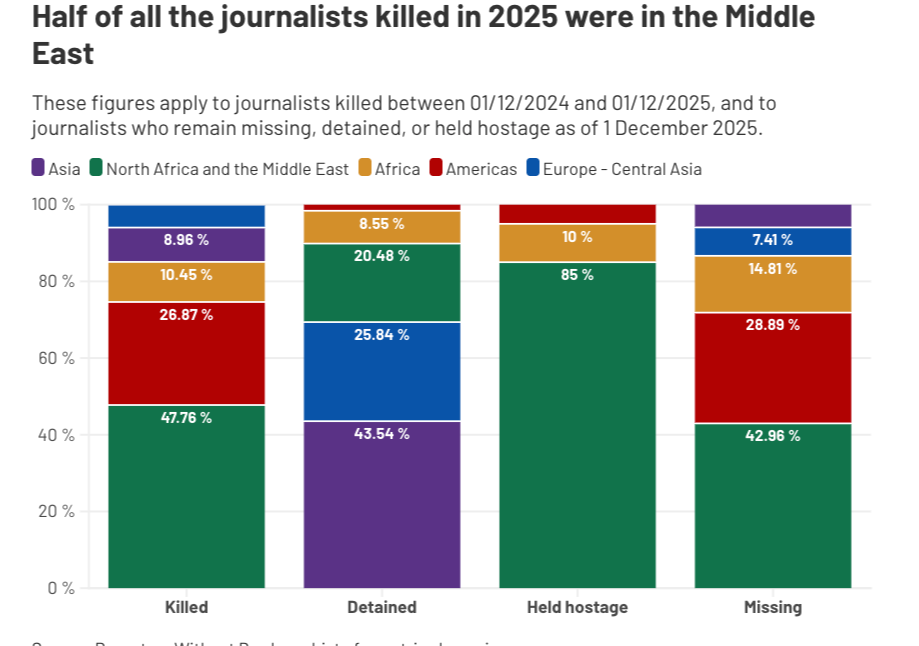
Of those slain, nearly 80% were deliberately targeted by military or paramilitary forces (37 journalists) or criminal networks (16 journalists). These figures underline a worsening global climate of impunity, where attacks against the press go largely unpunished.
Gaza emerges as epicentre of journalist killings
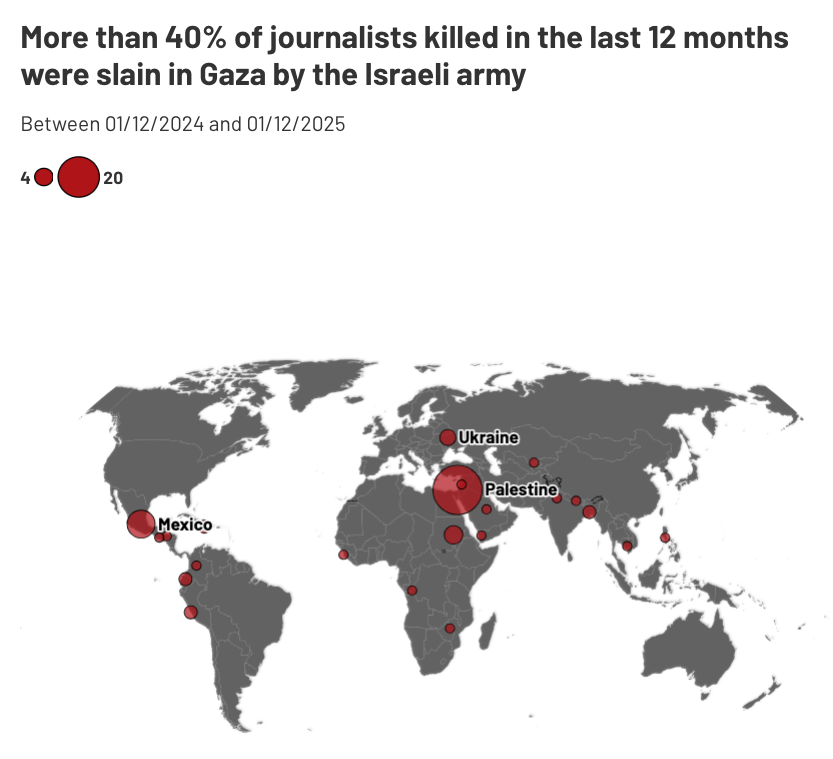
The Israeli army was responsible for over 43% of all journalist killings in 2025, according to RSF. Nearly half of the 67 deaths occurred in Gaza, with at least 65 journalists killed since October 2023 either due to their reporting or while actively working.
These figures represent a grim milestone, as journalists increasingly become deliberate targets in military operations.
RSF Director General Thibaut Bruttin noted: “They were not collateral victims. They were killed, targeted for their work.”
Mexico becomes second most dangerous country
While war zones dominate the list of journalist deaths, Mexico continues to see alarming levels of violence against reporters. With nine media professionals killed in 2025, the country is now ranked the second most dangerous in the world for journalists.
Despite President Claudia Sheinbaum’s public commitments to RSF to strengthen journalist protections, this year marked a peak in deadly attacks, driven largely by organised crime. The report highlights a broader “Mexicanisation” of Latin America, with the region accounting for 24% of the world's journalist killings.
Targeted at home: the growing domestic threat
Most journalists killed in 2025 died in their own countries. Only two were foreign nationals: French photojournalist Antoni Lallican, killed by a Russian drone strike in Ukraine, and Salvadoran journalist Javier Hércules, killed in Honduras, where he had resided for over a decade.
This trend underscores that the greatest risk to journalists often comes from within their own national borders, whether due to internal conflict, repression, or organised crime.
Sudan and Ukraine: persistent threats to the press
In Sudan, four journalists were killed this year, with at least two abducted and later murdered by the Rapid Support Forces. Ukraine remains a deadly frontline, with Russian military attacks continuing to endanger local and foreign correspondents alike.
RSF warns that these regions have become highly dangerous for news professionals, particularly those documenting human rights violations or military abuses.
503 journalists imprisoned globally
As of 1 December 2025, RSF reported 503 journalists detained worldwide, with China remaining the world’s largest jailer of media professionals (121). Russia now ranks second with 48, including 26 Ukrainian journalists. Myanmar follows closely with 47 detainees.
In Israel, 20 Palestinian journalists are imprisoned, 16 of whom were arrested over the past two years in Gaza and the West Bank. RSF notes that Russia and Israel are now the two countries detaining the highest numbers of foreign journalists.
The crackdown on press freedom across the former Soviet bloc is also intensifying. Georgia, Azerbaijan, and Belarus have escalated arrests and repression. In January, Georgian journalist Mzia Amaghlobeli was detained in what RSF described as part of the government’s “relentless authoritarian tactics.”
Journalists still missing or held hostage
The report documents 135 journalists currently missing across 37 countries, with 72% of disappearances occurring in the Middle East and Latin America — primarily Syria, Iraq, and Mexico.
Syria alone accounts for 37 missing journalists. Despite the collapse of Bashar al-Assad’s regime in December 2024, many reporters imprisoned or captured under his rule remain unaccounted for. RSF identified Syria as the country with the highest number of missing media professionals.
Twenty journalists are currently held hostage worldwide. Yemen has become the leading country for such cases in 2025, with seven journalists abducted by Houthi rebels. In Syria, jihadist group Hayat Tahrir al-Sham continues to detain several media workers.
A crisis of impunity and global political will
RSF’s findings reflect what it describes as a collapse in international protection for journalists. Bruttin warns that the rise in killings and detentions points to the failure of governments and multilateral institutions to uphold basic press freedoms.
“Criticism of the media is legitimate,” he said. “But it must never descend into hatred. Journalists have become collateral victims, bargaining chips, inconvenient eyewitnesses — people to be eliminated. No one gives their life for journalism — it is taken from them.”
The organisation is calling for renewed commitment by governments to enforce international protections and adopt public policies ensuring journalist safety, especially in conflict zones and regions governed by criminal or authoritarian forces.