Hong Kongers demand probe into Tai Po fire, alleging negligence, profiteering in HK$330M renovation project
Hong Kong residents are demanding an independent probe into the Tai Po fire that killed 44 people, alleging systemic negligence, unsafe materials and profiteering in a HK$330 million renovation project that wrapped the estate in scaffolding and flammable coverings.
- Hong Kong authorities face mounting calls for accountability after a deadly Tai Po blaze killed 44 people.
- Residents point to negligence, cost-cutting and a disputed HK$330 million renovation project.
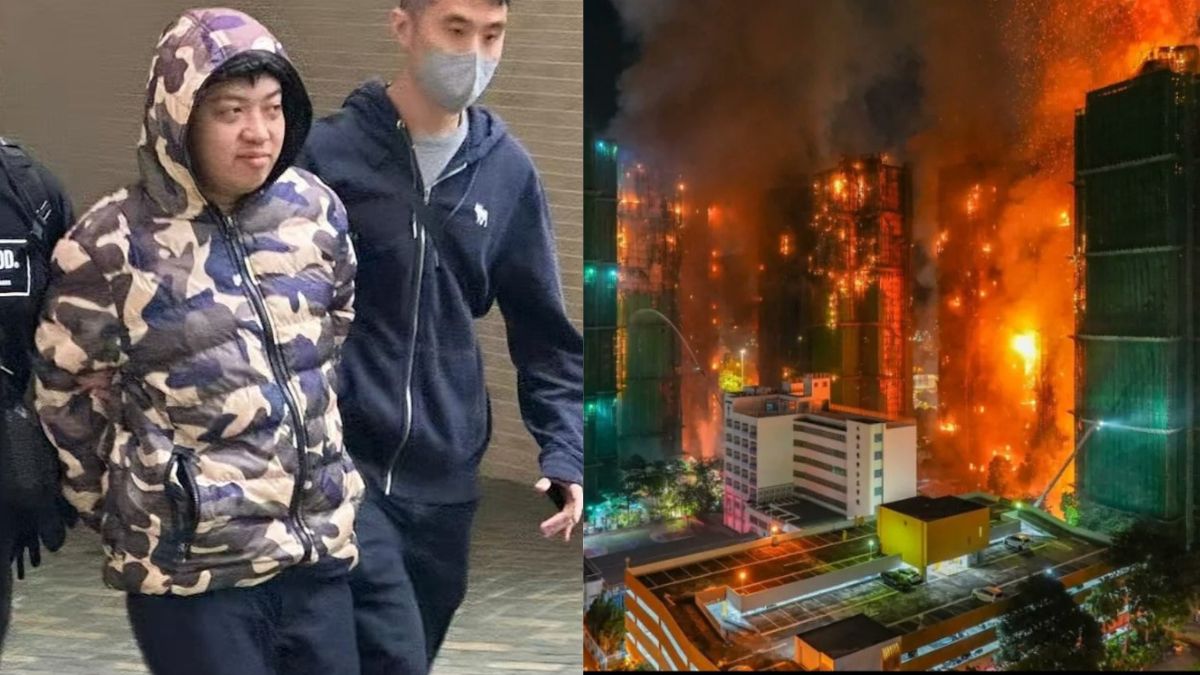
- Police have arrested three individuals as multiple criminal investigations proceed.
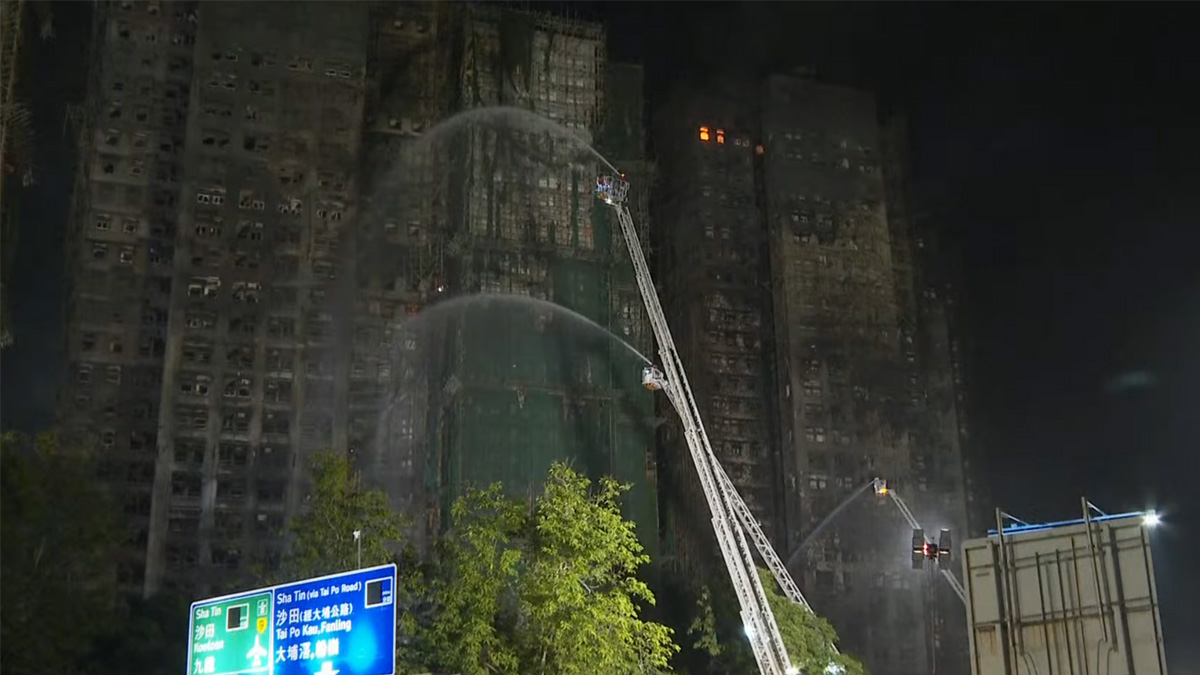
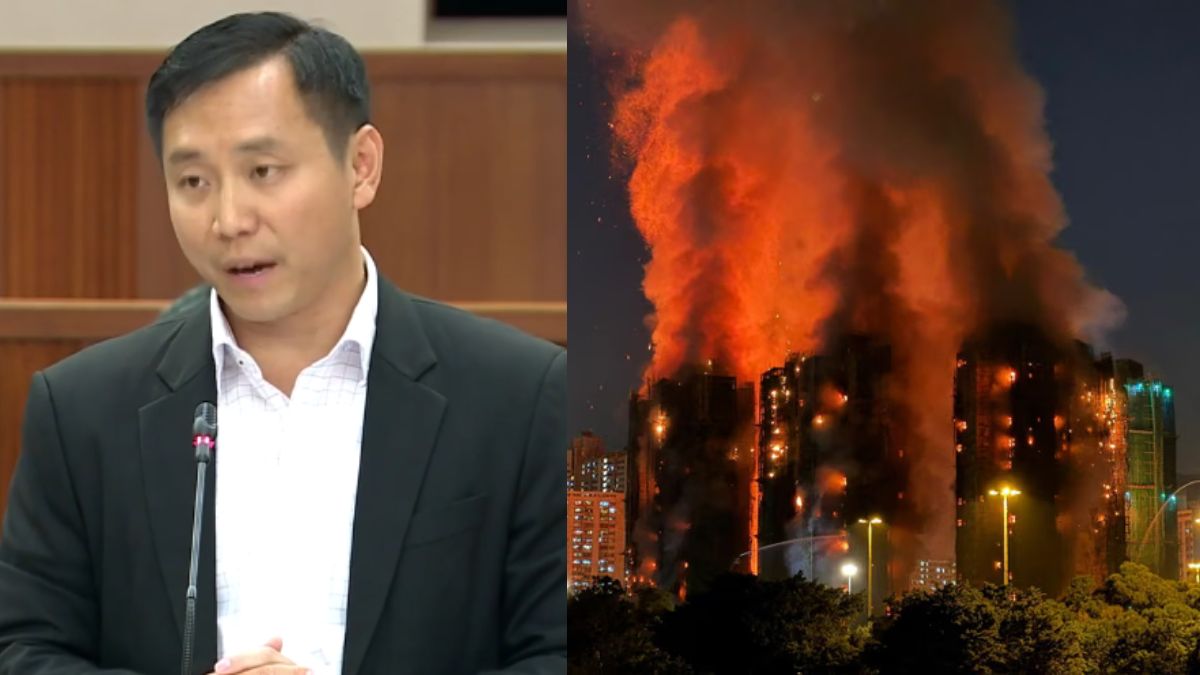
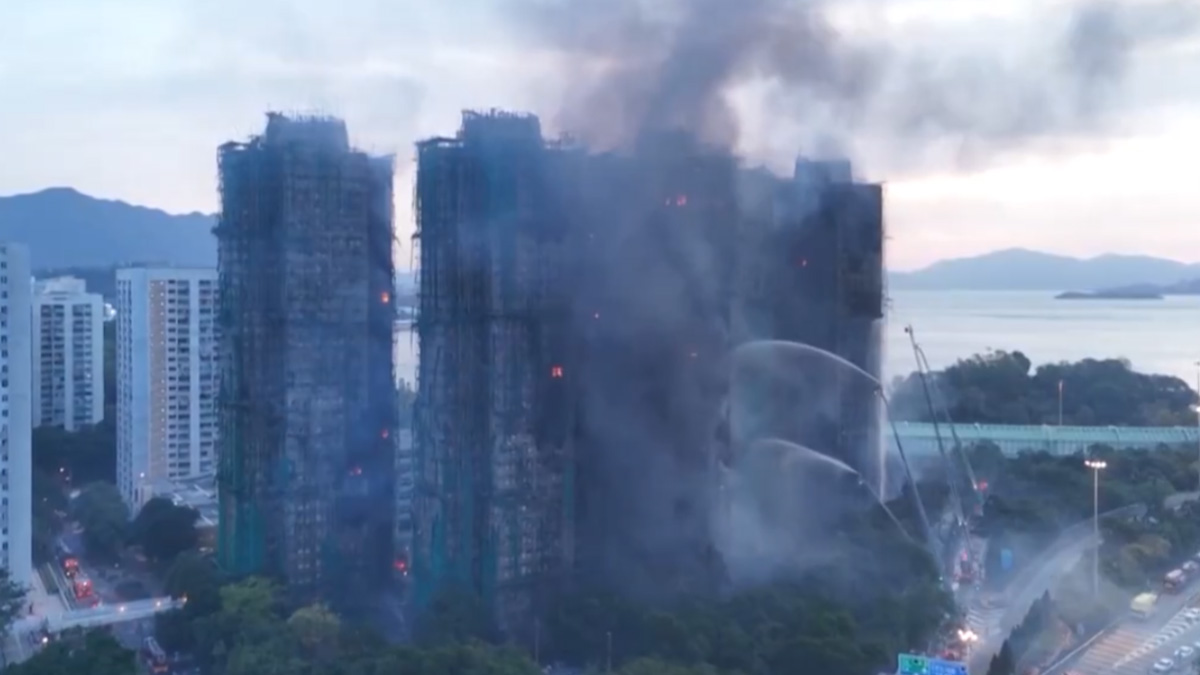
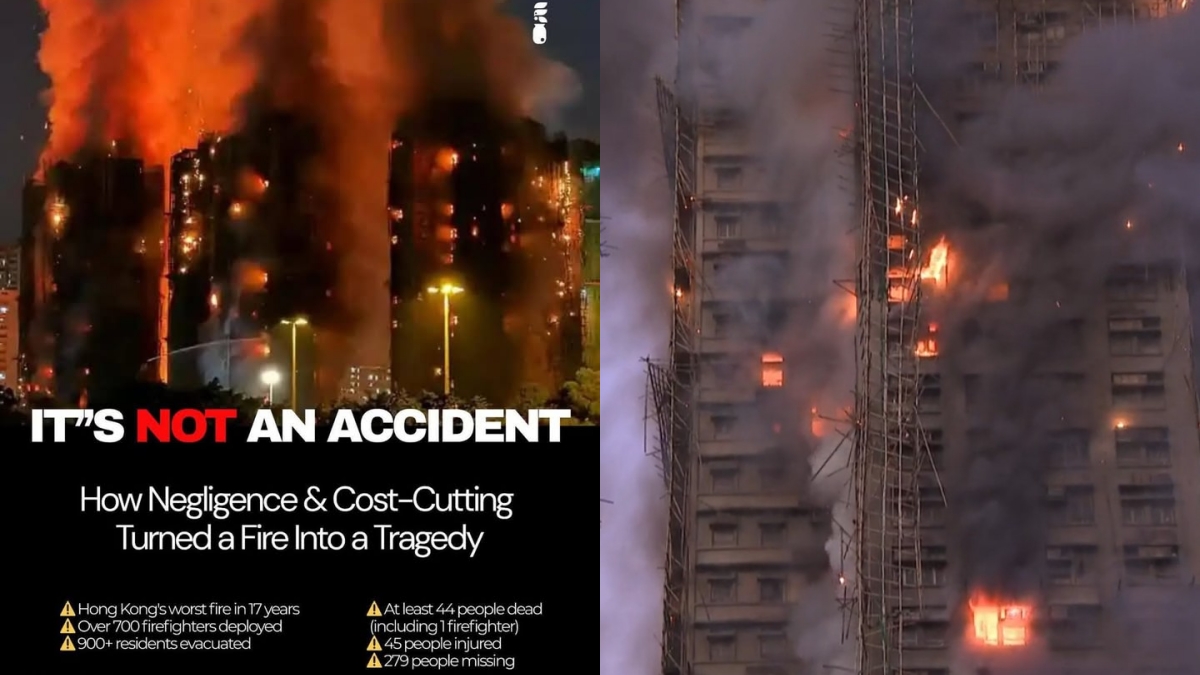
HONG KONG: A massive blaze swept through Wang Fuk Court in Tai Po on 26 November 2025, leaving 44 people dead and 45 in serious condition as of 27 November aftertoon.
Another 68 people remain in hospital, with 16 in critical condition and 25 classified as serious.
Authorities have also confirmed that 279 residents are still missing, as search teams continue operations in the severely damaged blocks.
According to the Hong Kong Fire Services Department, the first report was received at 2.51pm on 26 November 2025.
However, residents nearby recounted that at around 2.51pm, flames were already visible on the first-floor scaffolding.
By approximately 2.57pm, the fire had spread to the fourth floor, and although the first firefighters arrived promptly, the blaze suddenly surged upwards, overwhelming early suppression efforts.
The alarm level was raised to No 4 at 3.34pm and to the highest No 5 alarm at 6.22pm.
Officials described the spread as “unusual”, noting that styrofoam and other flammable materials were found on the buildings’ exterior surfaces.
Police have arrested two construction company directors and a consultant for suspected manslaughter.
Unsafe foam boards, non-compliant scaffolding and potentially illicit materials are now under criminal investigation, according to official statements.
Public outcry and calls for accountability
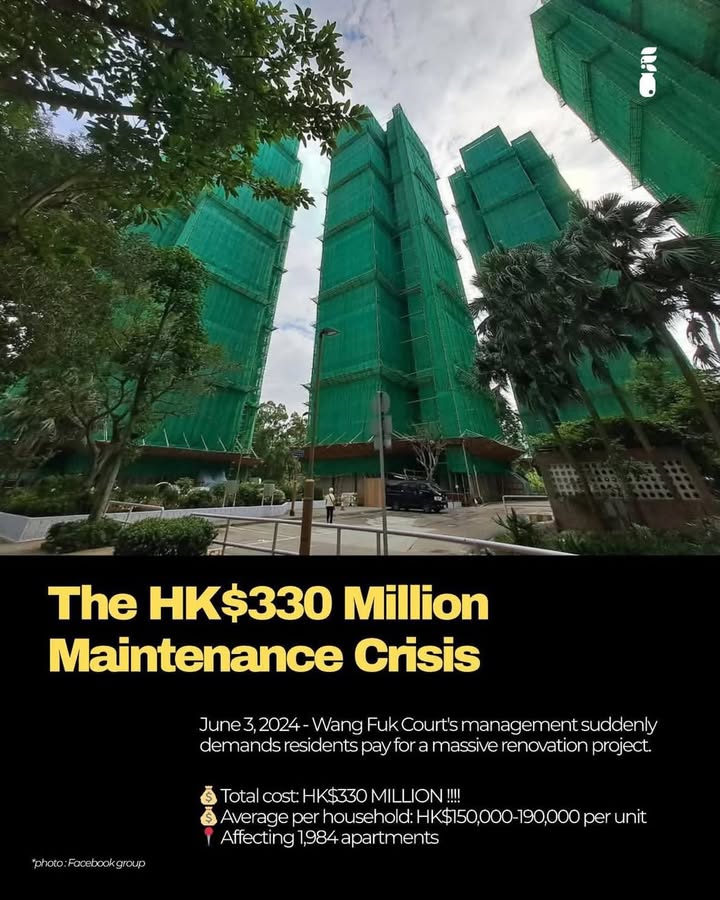
All eight residential blocks had been undergoing major renovations since July 2024, covered in bamboo scaffolding and green mesh.
Residents told local media that foam sheets had sealed their windows, blocking light and visibility, and that non-fireproof netting was widely used.
Reports also described poor workmanship, with netting piled loosely and workers smoking on the scaffolding.
An online campaign, widely shared on social platforms, declared “It Is Not an Accident”, accusing contractors and decision-makers of negligence and profit-driven practices.
Campaign materials described the incident as “institutional failure”, arguing that each stage of the renovation and oversight process presented opportunities to prevent the disaster.
Some residents also emphasised that bamboo scaffolding itself was not highly flammable and that the rapid spread stemmed instead from non-compliant netting and foam sealant.
Dispute over a HK$330 million project
In June 2024, the estate’s management required residents to pay for a HK$330 million (approximately US$42.4 million) renovation programme, with average contributions ranging from HK$150,000 to HK$190,000 per unit.
A total of 1,984 households were affected.
Residents later voted out the entire management committee in September 2024, after more than 5 per cent petitioned for its removal.
The new committee subsequently discovered that the selected renovation plan had been the most expensive of three options, with cost differences exceeding HK$150 million.
Invoices reportedly contained vague “miscellaneous” charges lacking transparency.
Safety warnings and government actions
Concerns about safety practices arose soon after renovation work began.
Residents repeatedly reported non-fireproof netting, sealed windows and improper storage of materials.
Fire-resistant netting reportedly cost around HK$90 per unit, compared with HK$50 for standard plastic netting.
Community advocates alleged that contractors saved HK$40 per scaffold by choosing cheaper materials, despite Labour Department regulations requiring fire-resistant netting for scaffolding above 15 metres.
Missed warnings and earlier incidents
A Level 3 fire involving renovation scaffolding broke out at another building on 18 October 2024.
Later that month, the Buildings Department issued safety notices directing all buildings to verify the fire resistance of their scaffolding netting.
Residents argue that enforcement was insufficient and that the Tai Po blaze demonstrates systemic oversight failures.
Fire alarm failure and evacuation difficulties
Multiple survivors reported that the fire alarm system did not activate.
Emergency systems also failed, leaving residents with little time to escape.
An 80-year-old resident said that without being awake, “I would be dead.”
These failures have intensified scrutiny of building maintenance, regulatory compliance and contractor oversight.