Child suicide cases raise alarm in Indonesia as authorities call for urgent mental health support
A rise in child suicides across Indonesia has prompted warnings of a national emergency, with authorities urging urgent action on mental health support, poverty alleviation and early intervention in schools and families.

- At least 116 child suicides were recorded between 2023 and 2025, with new cases emerging in 2026.
- A recent case in East Nusa Tenggara highlighted links between poverty and psychological distress.
- Authorities are urging urgent intervention through schools, families and social protection systems.
Content Warning: The following article contains sensitive material regarding suicide among minors. It discusses distressing themes that may be triggering for some readers.
Indonesia: A series of recent child suicides in Indonesia has sparked renewed concern over the mental health and social pressures faced by young people, with child protection authorities warning that the country is facing an emergency requiring urgent intervention.
The issue returned to public attention following the death of a primary school pupil in East Nusa Tenggara earlier this month, a tragedy that has highlighted both psychological vulnerability among children and persistent economic hardship in parts of the country.
Officials and activists say the case reflects a broader national pattern, with dozens of children taking their own lives each year across Indonesia.
Growing concern over child suicide
Dyah Puspitarini, commissioner at the Indonesian Child Protection Commission (KPAI), said suicide among children is not a new phenomenon but is often overlooked.
“Even though patterns in children’s suicide cases are already discernible, the issue is often ignored,” she said on 13 February.
KPAI data show worrying trends over recent years.
In 2023, the commission recorded 46 suicides involving children aged between 10 and 17. In 2024, 43 cases were documented involving children aged 13 to 17.
In 2025, at least 25 to 27 suicides were recorded among children aged roughly 11 to 18, bringing the three-year total to around 116 cases.
Cases are not concentrated in any single area but are spread across regions including Bali, Yogyakarta, South Sulawesi, West Java, Central Java, Aceh and several other provinces.
Entering 2026, authorities say at least three to four cases have already occurred, prompting renewed calls for intervention.
KPAI has warned that Indonesia now records the highest number of child suicide cases in Southeast Asia, a situation the commission describes as an emergency.
“This situation cannot be normalised. Indonesia is facing an emergency situation concerning children taking their own lives,” Dyah said.
Poverty and psychological stress collide in NTT case
The latest tragedy occurred in Ngada Regency, East Nusa Tenggara, where a ten-year-old boy, identified by the initials YBR, was found dead after hanging himself near his grandmother’s hut.
Police later confirmed the discovery of a handwritten farewell letter addressed to his mother, written in the local Bajawa language, expressing both gratitude and emotional distress.
Local authorities said the child had become upset after his mother could not provide money to buy exercise books and pens required for school.
The mother, who supports five children through irregular farm work after separating from her husband years ago, reportedly lacked the funds requested. The boy, who often stayed with his grandmother to ease family burdens, returned disappointed after failing to obtain money for school supplies.
He was later found dead in his grandmother’s garden by a villager.
Human rights groups say the tragedy reveals structural problems extending beyond individual family hardship.
Amnesty International Indonesia described the incident as a humanitarian tragedy rooted in poverty and gaps in social protection.
The amount required for school supplies reportedly totalled less than one US dollar, yet it remained unaffordable for the family.
Multiple factors behind suicides
KPAI stresses that child suicides rarely stem from a single cause.
Among the most common factors identified in recent cases are bullying at school, family conflict, romantic relationship problems among teenagers, economic hardship, depression, parenting patterns, and emotional distress triggered by seemingly minor disputes.
In some cases, children reportedly took their own lives after arguments with parents, confiscation of mobile phones, restrictions on activities, or social humiliation.
Dyah also warned that children can be influenced by online content, including games or websites that romanticise self-harm.
Authorities caution that what may appear trivial to adults can feel overwhelming to children lacking emotional support or coping mechanisms.
Schools and families urged to act
Child protection authorities are urging families, schools and communities to become more attentive to signs of psychological distress among children.
KPAI emphasises the importance of positive parenting, mental health support in schools, and early intervention when children display behavioural changes such as withdrawal, anxiety, or sudden emotional shifts.
Commissioner Dyah said cooperation between parents, teachers and government institutions is crucial.
“We hope the public will not underestimate signs of psychological crisis in children. Child protection is a shared responsibility,” she said.
Government Response and Policy Debate
The case has also reignited debate over how effectively social assistance and education support reach vulnerable communities, especially in remote provinces such as East Nusa Tenggara.
Despite steady economic growth nationwide, poverty remains high in several eastern Indonesian regions where families often struggle to afford basic education needs.
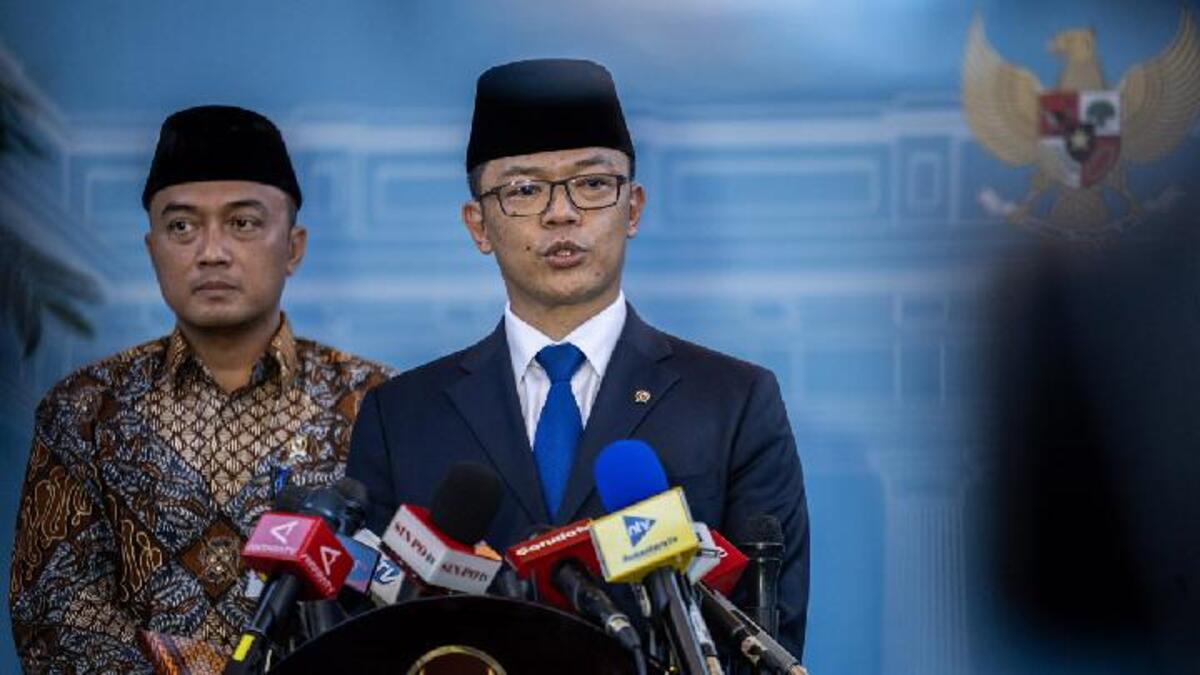
Social Affairs Minister Saifullah Yusuf expressed condolences and said improved coordination between central and local authorities is needed so vulnerable families receive assistance before reaching crisis conditions.
Education Minister Abdul Mu’ti has also said the ministry will investigate the circumstances surrounding the Ngada case.
Observers note that Indonesia allocates substantial funds to education and social programmes, yet implementation challenges across the vast archipelago sometimes prevent aid from reaching the most vulnerable households.