Indonesia prepares troops for possible Gaza stabilisation mission
Indonesia is preparing up to 1,000 troops for potential deployment to Gaza by mid-2026 as part of an international stabilisation force, though final political approval and troop numbers remain undecided amid domestic debate.
- Indonesia is preparing around 1,000 troops for potential Gaza deployment by mid-2026.
- Participation would be part of the International Stabilisation Force referenced in UN Resolution 2803.
- Domestic debate centres on legal mandates, financial commitments and political risks.
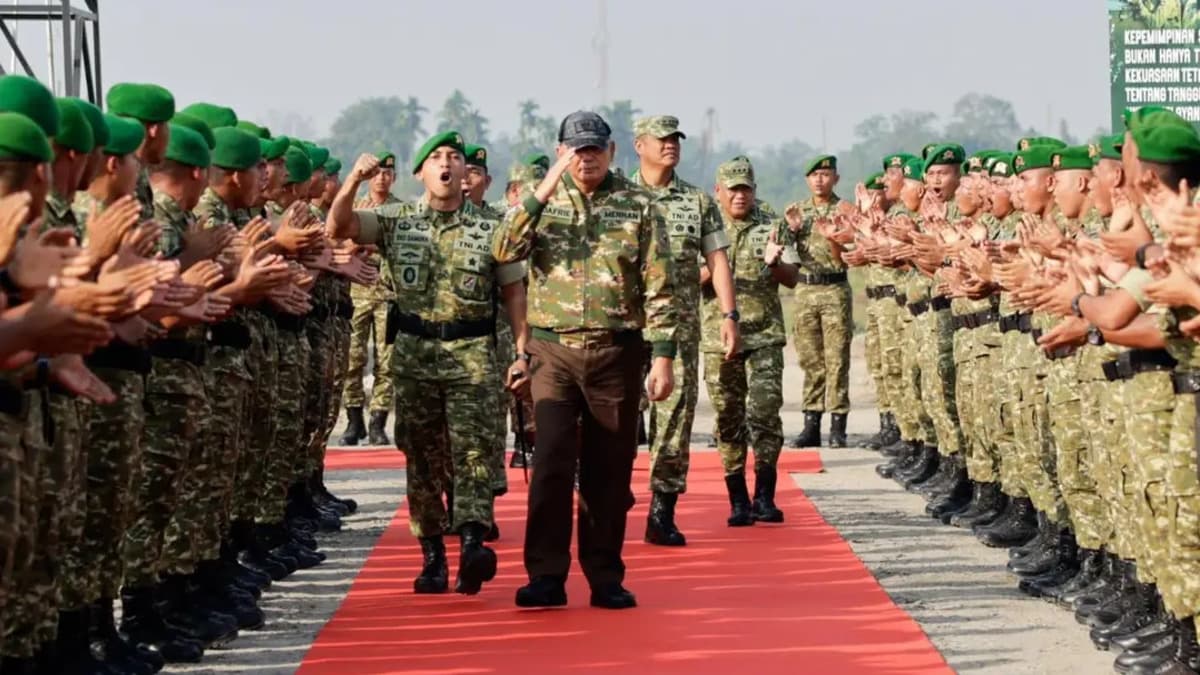
Indonesia is preparing military personnel for potential deployment to Gaza as part of an international stabilisation and humanitarian mission, with troops expected to be ready for dispatch by mid-2026, military officials confirmed.
The preparations could lead to one of the largest overseas peacekeeping operations in Indonesia’s modern history, but the plan has also sparked intense domestic debate over legal mandates, political risks, financial commitments and the country’s diplomatic positioning in the Middle East conflict.
Troops to Be Ready by Mid-2026
The Indonesian National Armed Forces (TNI) confirmed that preparations are under way for soldiers who may join an international peacekeeping and humanitarian force in Gaza.
Head of Army Public Relations Brigadier General Donny Pramono said around 1,000 personnel are expected to reach operational readiness by early April 2026, with full troop preparedness targeted no later than June.
However, readiness does not automatically mean deployment.
“Ready for deployment does not mean the troops will leave on that exact date,” Donny explained in a written statement. “It means they are prepared and can be deployed at any time once a political decision is taken.”
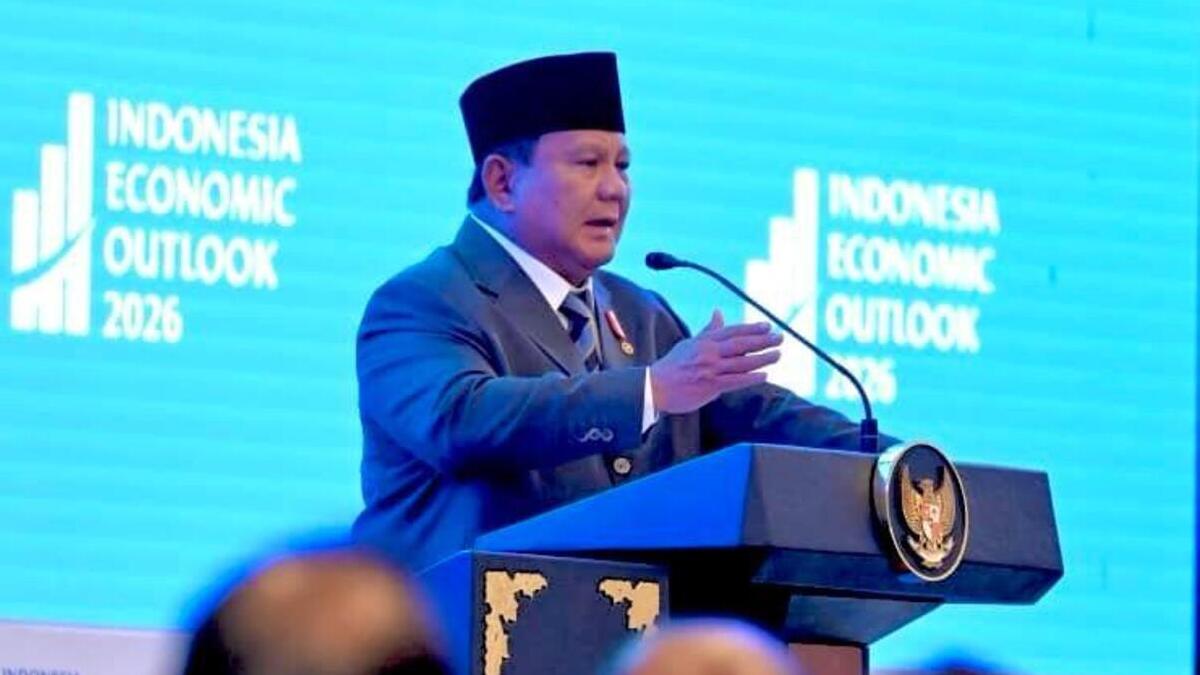
He stressed that no final order has been issued. Both the military and the Defence Ministry are still awaiting President Prabowo Subianto’s political decision, as well as the completion of international coordination mechanisms governing the mission.
Part of International Stabilisation Force
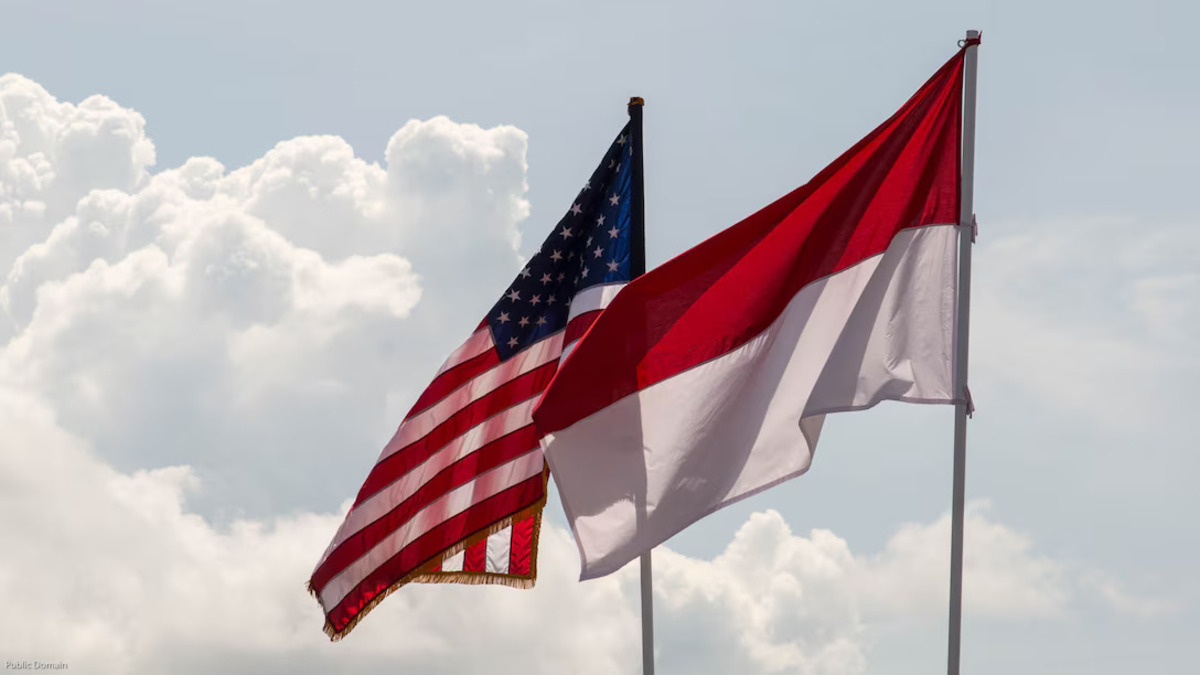
Indonesia’s possible participation follows its decision to join the International Stabilisation Force (ISF), an initiative backed by the United States and referenced in United Nations Resolution 2803, adopted in November 2025.
State Secretary Prasetyo Hadi previously said Indonesia hopes participation would help reduce violence in Gaza and ease humanitarian suffering.
“At least, we hope this will bring down the conflict escalation in Gaza to alleviate the suffering of our brothers and sisters,” he said earlier this month.
Officials have emphasised that Indonesian troops would focus on humanitarian and stabilisation duties rather than combat operations.
Reports Suggest Larger Deployment
International attention intensified after Israeli media outlets reported that Indonesia could send as many as 8,000 personnel to Gaza, far exceeding initial expectations.
Newspapers including Haaretz and The Times of Israel, along with broadcaster i24news, reported that Indonesian troops could form a significant component of the stabilisation force, focusing on engineering works, medical assistance and infrastructure reconstruction.
According to these reports, troops could be stationed in southeastern Rafah, where facilities are reportedly being prepared for incoming forces.
However, Indonesian officials caution that these numbers remain speculative.
Army Chief of Staff General Maruli Simanjuntak confirmed preparations are underway but said final troop numbers and operational details are still under negotiation.
Some diplomatic observers suggest Indonesia’s announcements may currently function as political signalling rather than firm operational commitments.
Government Emphasises Humanitarian Focus
Indonesian officials have repeatedly stressed that the mission’s purpose would be humanitarian.
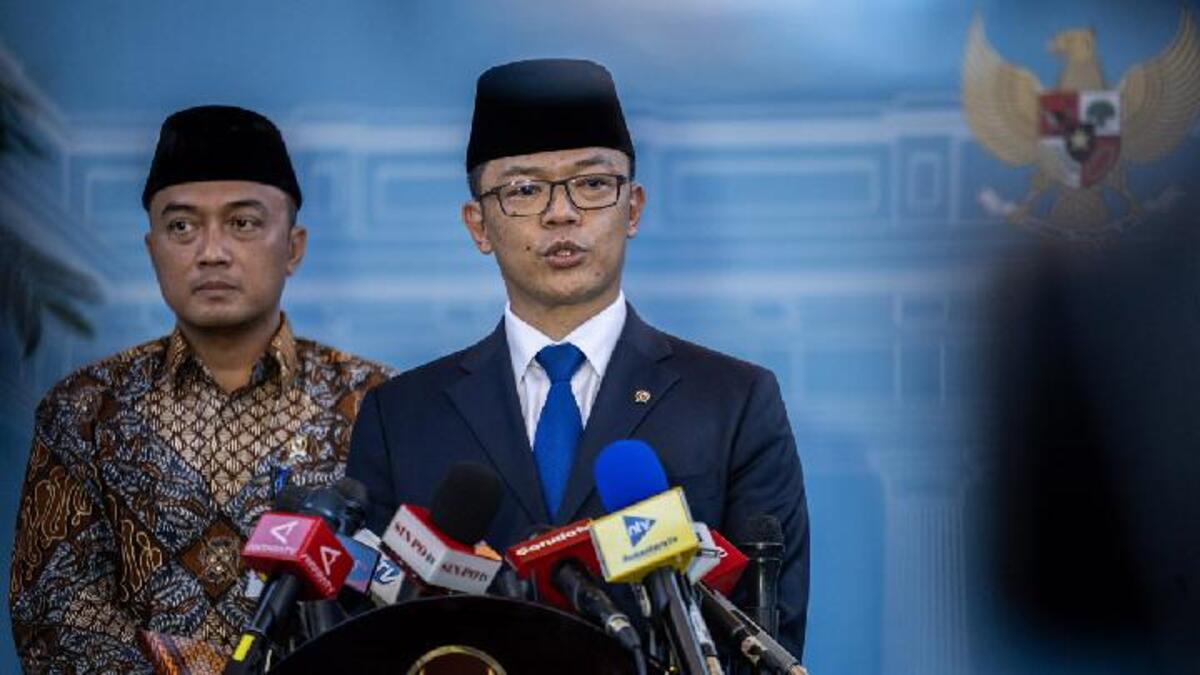
Foreign Ministry spokesperson Vahd Nabyl A. Mulachela said planning remains ongoing and subject to international coordination.
“The timeline is not yet definitive, and the number of personnel has also not been finalised,” he said.
Indonesia has long been among the largest contributors to United Nations peacekeeping missions, with troops deployed in Lebanon, Congo, Sudan and other conflict zones. Supporters argue that participation in Gaza represents a continuation of Indonesia’s established role in peacekeeping operations.
Board of Peace Adds Political Dimension
Indonesia’s preparations coincide with its participation in the newly established Board of Peace (BoP), an initiative led by United States President Donald Trump aimed at supporting post-conflict stabilisation and reconstruction efforts in Gaza.
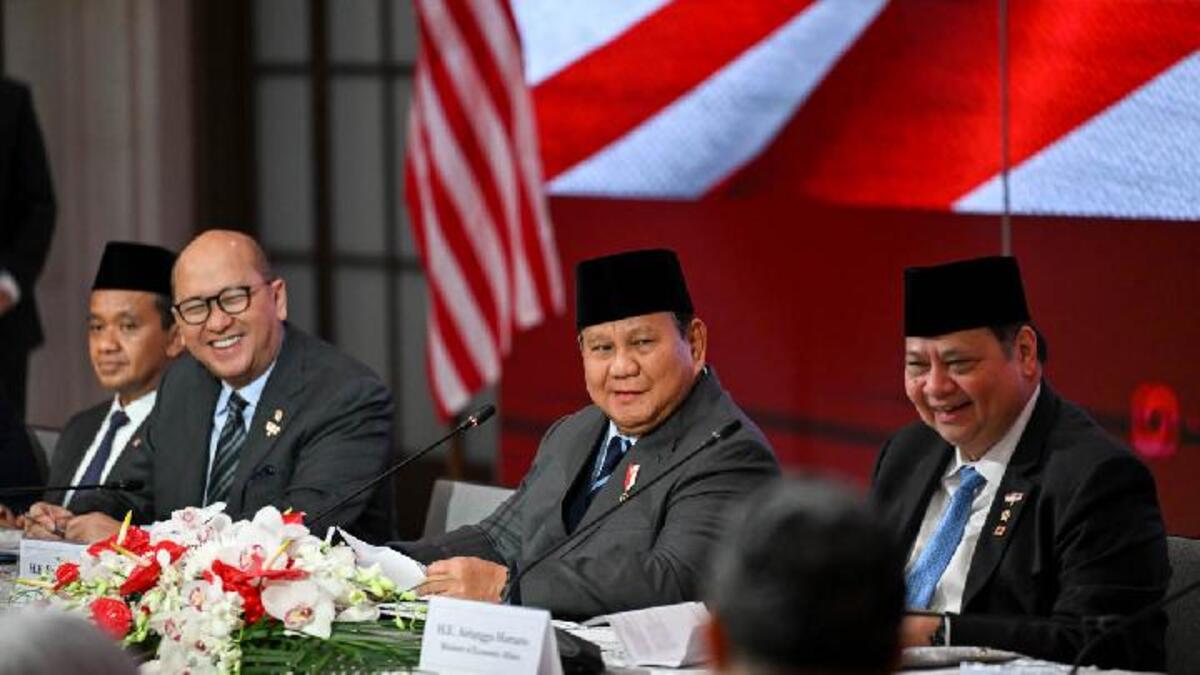
President Prabowo Subianto signed the initiative’s charter earlier this year at the World Economic Forum in Davos, describing participation as an opportunity for Indonesia to contribute more actively to global peace efforts.
However, the initiative has drawn domestic criticism, particularly after reports suggested Indonesia might contribute up to US$1 billion to reconstruction efforts associated with the forum.
Parliament Questions Funding Plans
Several members of Indonesia’s House of Representatives have questioned whether parliament was consulted about potential financial commitments.
Commission I member Tb. Hasanuddin said no formal discussions had taken place regarding defence budget allocations for such contributions.
“There has been no official discussion between Commission I and the Ministry of Defense regarding the use of the defence budget,” he said, stressing that strategic expenditures must undergo parliamentary oversight.
Finance Minister Purbaya Yudhi Sadewa later clarified that any Indonesian contribution would be funded through the state budget but maintained fiscal discipline would be observed.
Foreign Minister Sugiono added that such funds should be viewed as humanitarian contributions rather than membership fees.
Amnesty International Warns of Legal Risks
Civil society organisations remain sceptical of Indonesia’s expanding involvement.
Amnesty International Indonesia has issued an open letter to parliament urging lawmakers to reassess both Indonesia’s participation in the Board of Peace and plans to deploy troops to Gaza.
The organisation argues that mechanisms operating outside established United Nations frameworks risk weakening international humanitarian law and accountability systems.
Amnesty also raised concerns about the absence of Palestinian representation in the Board of Peace initiative, warning that stabilisation efforts lacking clear mandates and human rights safeguards could worsen conditions rather than resolve them.
Executive Director Usman Hamid described troop deployment under the current mechanism as a “dangerous gamble”, warning it could legitimise controversial political arrangements while undermining Indonesia’s long-standing diplomatic support for Palestinian independence.
Financial and Domestic Concerns
Amnesty also questioned the financial implications of Indonesia’s involvement, warning that large overseas commitments could divert resources from domestic priorities such as healthcare, education and disaster response.
The organisation has called on parliament to ensure full transparency regarding troop deployment plans, operational mandates and financial obligations.
Civil society groups have similarly demanded public clarification on mission objectives, duration, command structures and risks facing deployed personnel.