Prabowo defends amnesty for political figures in corruption cases
President Prabowo Subianto has defended granting amnesty and abolition to two senior political figures convicted of corruption, arguing the law must not be weaponised, while critics warn the move risks weakening Indonesia’s anti-corruption efforts.
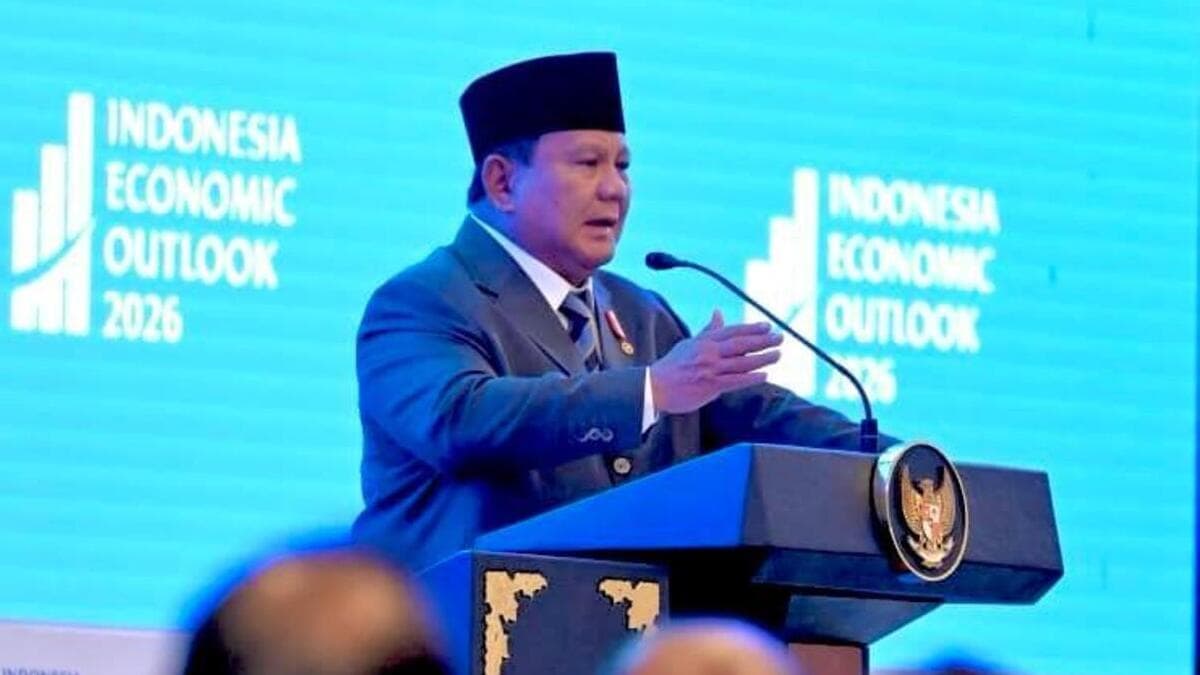
- President Prabowo Subianto defended his constitutional authority to grant amnesty and abolition in corruption cases.
- The decision benefited two senior political figures previously convicted by the courts.
- Legal experts warn that such interventions risk weakening judicial independence and anti-corruption credibility.
Indonesian President Prabowo Subianto has publicly defended his decision to grant amnesty and abolition to two senior political figures convicted in corruption cases, arguing that the law must not be weaponised for political purposes and that judicial processes must avoid miscarriages of justice.
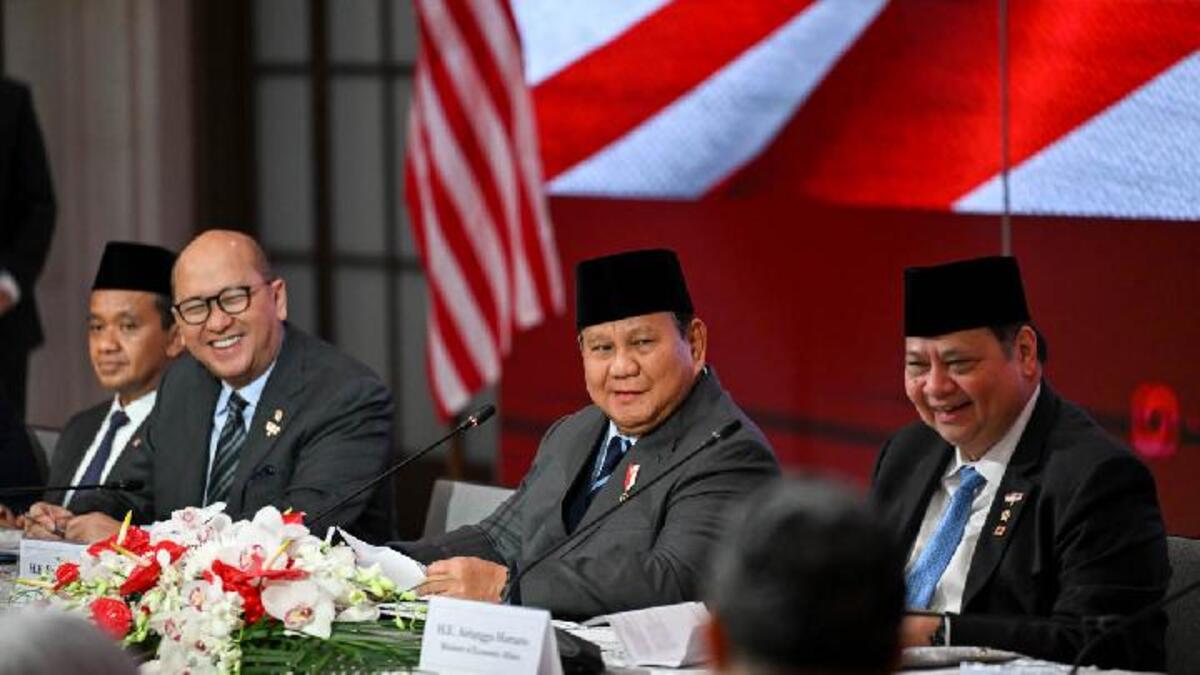
The President’s remarks, delivered during the Indonesia Economic Outlook 2026 forum in Jakarta on 13 February, mark his clearest explanation to date of why his administration intervened in cases that had already resulted in court convictions.
The decisions, however, continue to provoke debate across Indonesia, with legal experts and civil society groups warning that presidential intervention in corruption cases risks weakening law enforcement credibility and anti-corruption efforts.
Prabowo: Law must not become a political tool
Speaking before government officials, business leaders and economic stakeholders, Prabowo insisted that his administration remains committed to enforcing the law but stressed that justice must not be compromised.
“I am determined to comply with the law. There is no compromise. We must enforce the law properly,” Prabowo said.
At the same time, he warned against judicial mistakes and politically motivated prosecutions.
“But miscarriage of justice should not happen. The law should not be used as a tool to undermine political opponents,” he said.
Prabowo said his decision to grant pardons was influenced by doubts surrounding the cases, arguing that criminal convictions must be based on strong evidence that leaves no uncertainty.
A court, he stressed, should only convict when evidence meets the standard of proof “beyond reasonable doubt”.
He further argued that legal certainty is essential to national stability and public trust.
“As a representative of the people, I am responsible. I want the rule of law in Indonesia. I want legal certainty,” Prabowo said.
According to the President, a successful country depends on citizens living under a government that is both clean and just, suggesting that fairness in legal processes is as important as firm law enforcement.
Pardons for Hasto and Tom Lembong
In late July 2025, President Prabowo granted amnesty to Hasto Kristiyanto, Secretary-General of the Indonesian Democratic Party of Struggle (PDI-P), and abolition to former Trade Minister Thomas Trikasih Lembong, widely known as Tom Lembong.
Lembong had been sentenced to four and a half years in prison in a corruption case linked to sugar import policies during his time in office. Meanwhile, Hasto received a three-and-a-half-year prison sentence in a bribery case involving former General Election Commission (KPU) commissioner Wahyu Setiawan.
The presidential decision effectively removed or halted legal consequences against both figures despite court verdicts.
The move surprised many observers, as corruption convicts had previously been widely considered unlikely candidates for presidential amnesty or abolition.
Presidential authority and government position
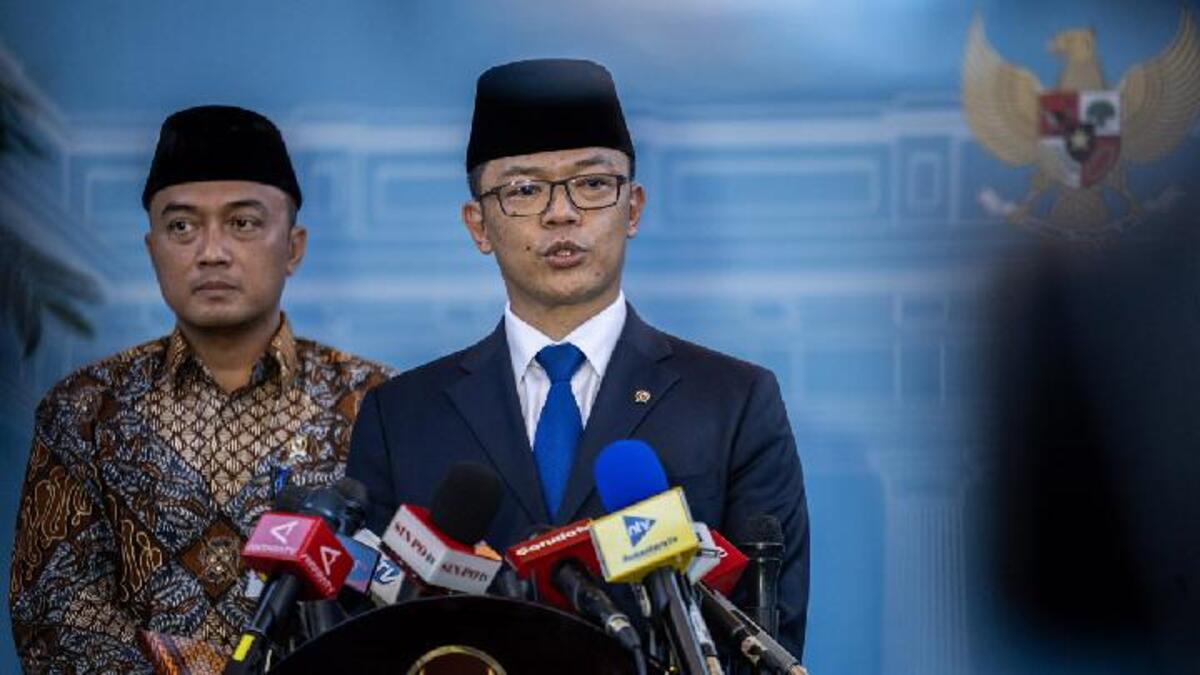
Coordinating Minister for Law, Human Rights, Immigration and Corrections Yusril Ihza Mahendra has emphasised that such decisions fall squarely within presidential prerogative powers.
Under Article 14 of Indonesia’s Constitution, the President may grant amnesty and abolition after receiving consideration from the House of Representatives. The authority is further regulated by legislation governing clemency and rehabilitation.
Yusril noted that his ministry initially held the position that corruption defendants did not meet criteria for abolition or amnesty. However, once the President made his decision, government institutions were obliged to implement it.
“In any case, we must understand that the authority to grant amnesty and abolition lies with the President,” Yusril said previously. “If he says yes, then we comply with the President.”
The ministry’s role, he explained, is limited to coordinating case reviews and submitting legal considerations before the President reaches a final decision.
More amnesty decisions may follow
The controversy may intensify as the government prepares further amnesty, abolition and rehabilitation measures covering additional individuals involved in criminal cases.
According to Yusril, relief measures may apply to suspects under investigation, defendants undergoing trial, prisoners currently serving sentences, and even individuals who have completed sentences but seek rehabilitation of their legal status.
In August last year, Prabowo approved amnesty and abolition for more than 1,100 inmates and defendants. Since then, additional applications have continued to flow into the ministry, prompting coordination meetings among government agencies before final recommendations are submitted to the President.
Should the President approve further pardons, parliament must provide consideration for amnesty and abolition decisions, while rehabilitation measures require consultation with the Supreme Court.
Yusril said the government hopes the next round of relief measures could involve even more individuals than previous decisions, though final figures have yet to be determined.
Legal experts warn of risk to rule of law
Despite constitutional legitimacy, critics argue that granting relief in corruption cases risks eroding consistency in law enforcement.
The Indonesian Centre for Law and Policy Studies (PSHK) has warned that presidential intervention in politically sensitive corruption cases could undermine public trust in the justice system.
Executive Director Rizky Argama said removing prosecutions or cancelling sentences through political decisions risks setting a negative precedent for future corruption cases.
Respect for judicial processes, PSHK argues, is fundamental to the rule of law and equality before the law. Even actions permitted under the Constitution may weaken legal principles if they appear to favour political actors.
PSHK has called on both the President and parliament to provide transparent explanations of the reasoning behind such decisions and to ensure that future amnesty or abolition measures do not undermine judicial independence.