Indigenous Papuans challenge forest reclassification for Indonesia food estate expansion plan
Indigenous Papuan representatives have challenged forestry decrees reclassifying nearly 487,000 hectares in South Papua, arguing the move violates customary rights and risks large-scale deforestation under National Strategic Projects.
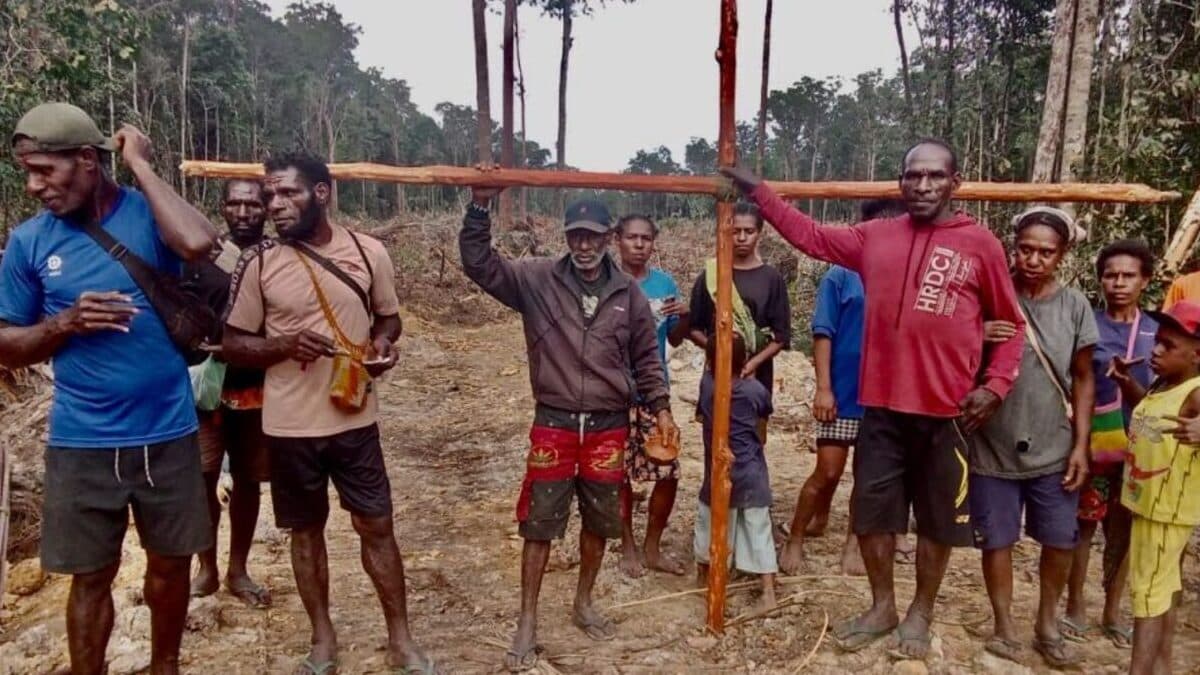
- Indigenous Papuan representatives have filed an objection against forestry decrees reclassifying nearly 487,000 hectares of forest in South Papua.
- Communities argue the move violates Free, Prior and Informed Consent and threatens customary territories and ecosystems.
- The government says the reclassification supports National Strategic Projects aimed at food and energy security.
Indigenous Papuan representatives have formally challenged Indonesian government decisions that reclassify hundreds of thousands of hectares of forest in South Papua as non-forest land, arguing the move threatens customary territories, livelihoods and fragile ecosystems.
The objection, submitted to the Ministry of Forestry on 10 February, marks the latest escalation in a widening conflict over National Strategic Projects aimed at transforming Merauke and surrounding areas into major centres of food and energy production.
Communities contest ministerial decrees
Twelve representatives from Indigenous communities in Boven Digoel and Merauke regencies filed an administrative objection against the reclassification, which together alter the status of approximately 486,939 hectares of forest land in South Papua.
The decrees convert production and convertible production forests into so-called Other Land Use Areas, allowing development of agricultural estates and infrastructure linked to Indonesia’s national food, energy and water self-sufficiency agenda.
The complaint was filed with assistance from the Merauke Solidarity Advocacy Team, a coalition of legal aid organisations and civil society groups supporting Indigenous communities affected by the policy.
According to the coalition, the decrees were not publicly announced when issued. Activists only obtained copies after filing a public information request to the Ministry of Forestry in January.
Following consultations with local communities, lawyers said residents were shocked to discover that forest areas they depend upon had already been reclassified.
“The decisions were taken without informing or consulting Indigenous communities, which violates the principle of Free, Prior and Informed Consent,” said Teddy Wakum of Papua Legal Aid in Merauke.
Indigenous leaders say government ignored customary claims
Members of the Wambon Kenemopte Indigenous community say they feel betrayed by the decision, particularly as they have been pursuing formal recognition of their customary forests since 2023.
Representatives from eight clans submitted applications for customary forest recognition in late 2023 and were still completing administrative requirements when they learned the same forests had been redesignated for development.
“While we are trying to meet government requirements, our forests are instead being converted for plantations,” said Albertus Tenggare, a community representative. “The government does not care about us.”
Legal representatives argue that the decrees effectively erase recognition of Indigenous Papuans as traditional custodians of forests that have sustained communities for generations.
Lawyer Tigor Hutapea described the policy as amounting to ecological destruction and resource appropriation, warning that forest conversion threatens food sources, cultural practices, spiritual ties and long-term environmental stability.
Communities are demanding that the forestry minister revoke the decrees and immediately begin recognising customary land rights across South Papua.
Government pushes food estate expansion
Government officials, however, maintain that forest status changes are necessary to support national food security.
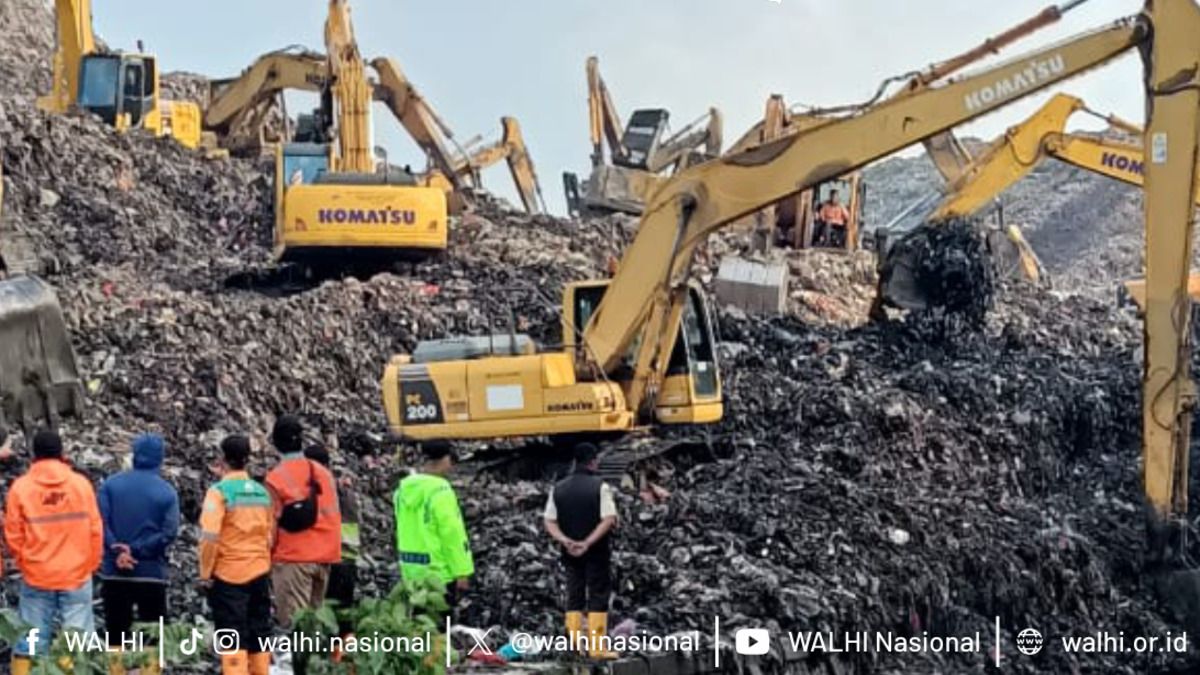
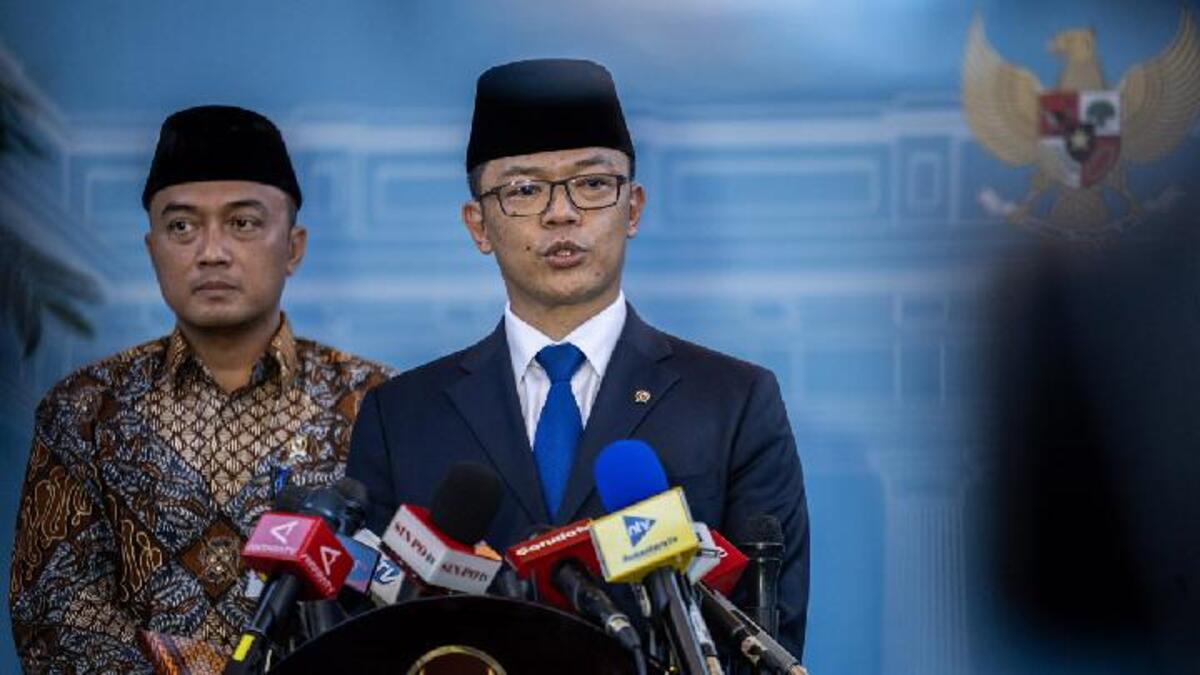
Minister of Agrarian Affairs and Spatial Planning Nusron Wahid previously confirmed that approximately 474,000 hectares in Wanam, Merauke Regency, had already been removed from forest designation to support a National Strategic Project focused on rice field expansion.
Land parcel mapping has been completed for about 451,000 hectares, Nusron said, describing the area as state-owned forest without residential settlements and therefore not requiring land acquisition procedures.
According to government plans, around 263,000 hectares will be used for rice cultivation, 146,000 hectares for oil palm plantations, and additional land for port facilities and worker settlements supporting the project.
Authorities say implementation is being handled primarily by the Ministry of Public Works and other agencies.
Supporters of the programme argue Indonesia needs large-scale agricultural development to reduce dependence on food imports and ensure national resilience.
Environmental groups warn of massive deforestation risk
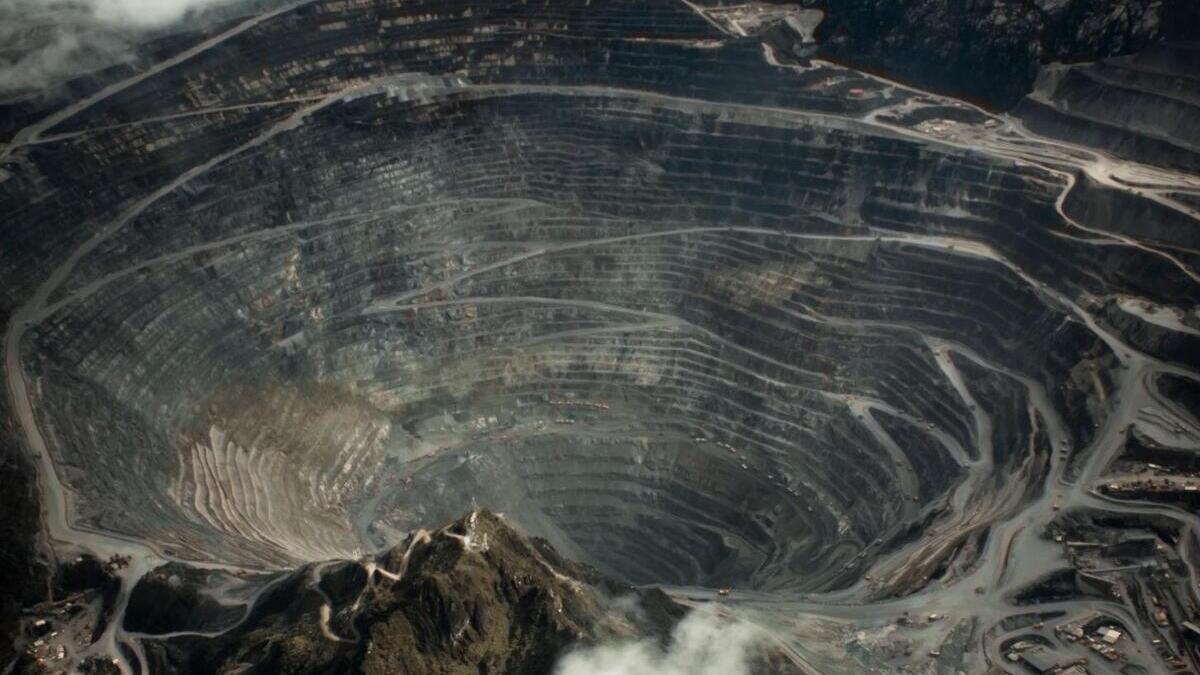
Environmental organisations dispute official claims that the land is uninhabited and warn that development threatens one of Indonesia’s most intact forest regions.
Research groups including TREND Asia, the Pusaka Bentala Rakyat Foundation and the Indonesian Forum for the Environment (Walhi) estimate that National Strategic Projects in Merauke could ultimately drive deforestation across approximately 695,000 hectares.
Campaigners say the decrees enable large-scale downgrading of forest protection status across South Papua, opening land for agriculture, infrastructure and industrial development.
These areas include ecosystems classified as High Conservation Value forests, critical both for biodiversity and for Indigenous community livelihoods.
Researchers also warn that dozens of customary territories across Merauke, Boven Digoel and Mappi could be affected.
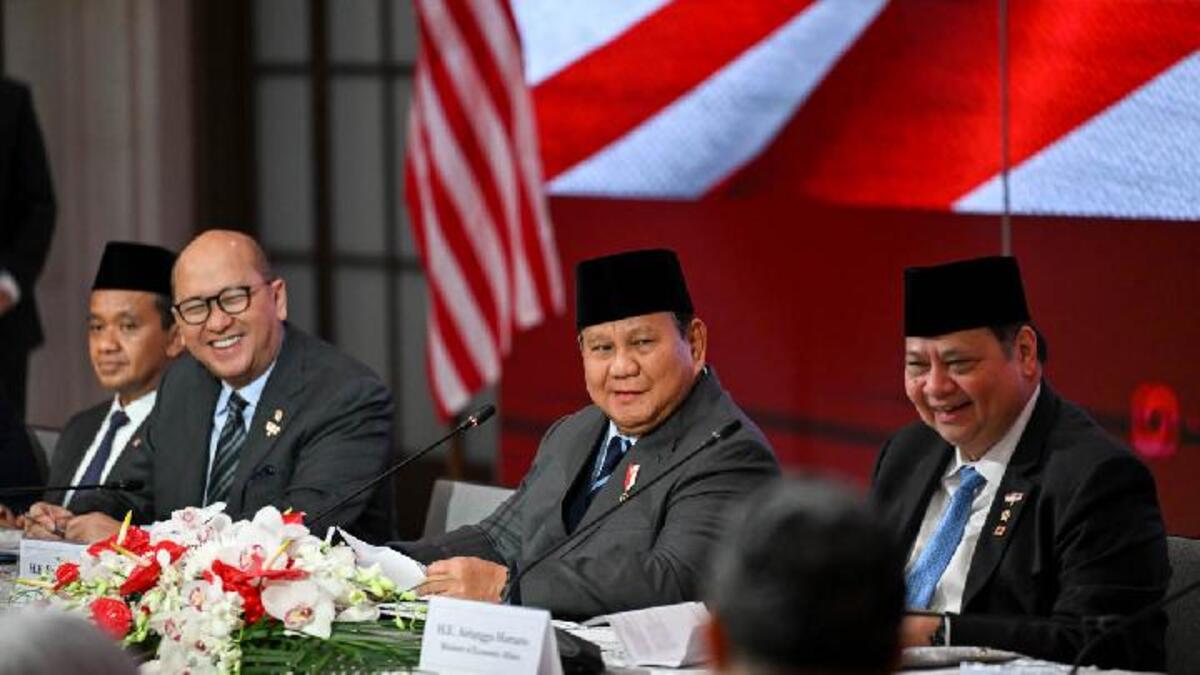
Amalya Reza, a campaigner with TREND Asia, said forest conversion contradicts President Prabowo Subianto’s international pledge last year to restore 12 million hectares of forest nationwide.
“We seem to be repeating past failures of large food and energy estate projects,” she said.