Earthquake of magnitude 6.3 strikes Simeulue and Aceh with no tsunami potential
A magnitude-6.3 earthquake struck Simeulue and parts of Aceh on 27 November 2025, causing varied shaking intensities and minor damage, while agencies confirmed no tsunami threat.
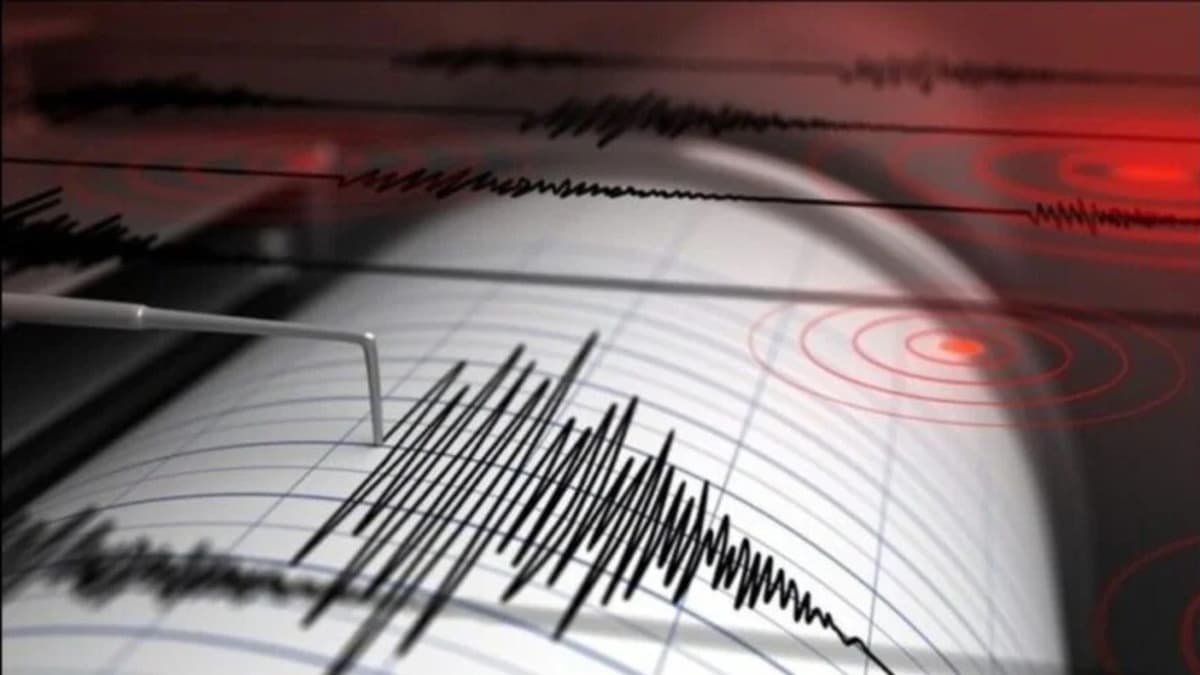
- A 6.3-magnitude shallow earthquake struck Simeulue and parts of Aceh on 27 November 2025, amid ongoing flooding and landslides from Tropical Cyclone Senyar.
- BMKG and PVMBG confirmed the quake resulted from subduction activity and had a thrust-fault mechanism, with no tsunami potential.
- Authorities reported varied shaking intensities, minor damage, and several aftershocks, while urging residents to remain calm and follow official guidance.
The Geological Agency’s Centre for Volcanology and Geological Hazard Mitigation (PVMBG) reported a magnitude 6.3 earthquake near Sinabang on 27 November 2025. The earthquake occurred at 11:56:24 local time, prompting officials to advise residents to stay calm and await further instructions.
According to the Meteorology, Climatology, and Geophysics Agency (BMKG), the quake struck at a depth of 10 km with an epicentre 62 km northwest of Sinabang. These details were conveyed by PVMBG Head Hadi Wijaya during a briefing in Bandung on 27 November.
PVMBG confirmed that the earthquake’s epicentre was located on land.
Nearby regions include Simeulue Island and the west coast of Aceh, characterised by rolling lowlands and hilly areas influencing how tremors were perceived.
According to Geological Agency hazard maps, Simeulue and the west coast of Aceh fall within a high seismic hazard zone. PVMBG stated that the earthquake did not generate a tsunami.
The area closest to the epicentre consists mainly of class E soils, which are soft soils, interspersed with class D soils along the coast. Much of Simeulue and the western Aceh coastline is dominated by class D and class C soils, indicating firmer ground conditions.
PVMBG highlighted that such soil classifications are important for assessing potential damage and building responses. These factors determine how structures react to seismic vibrations.
Hadi explained that analysis of the source parameters shows a thrust fault mechanism. This is associated with the subduction of the Indo-Australian Plate beneath the Eurasian Plate.
PVMBG issued short recommendations urging the public to stay calm, avoid steep slopes, and follow evacuation signs when necessary. Officials also encouraged residents to monitor updates from local disaster agencies.
Hadi added that secondary hazards such as land cracks, ground subsidence, liquefaction, or landslides were not expected following this event. Nonetheless, authorities reminded communities to remain cautious, especially during rainfall.