Government steps up enforcement in Tesso Nilo as habitat loss and elephant deaths spark national alarm
Authorities reinforced operations in Taman Nasional Tesso Nilo after vandalism and rising public anger over habitat destruction. More than 4,700 hectares of illegal plantations have been cleared as conservation concerns grow following the death of a young elephant, Tari.
- Government enforcement teams intensified operations to remove illegal oil palm plantations from Taman Nasional Tesso Nilo (TNTN), with more than 4,700 hectares already cleared.
- Public concern escalated following vandalism at the tactical command post and renewed campaigns such as #SaveTessoNilo.
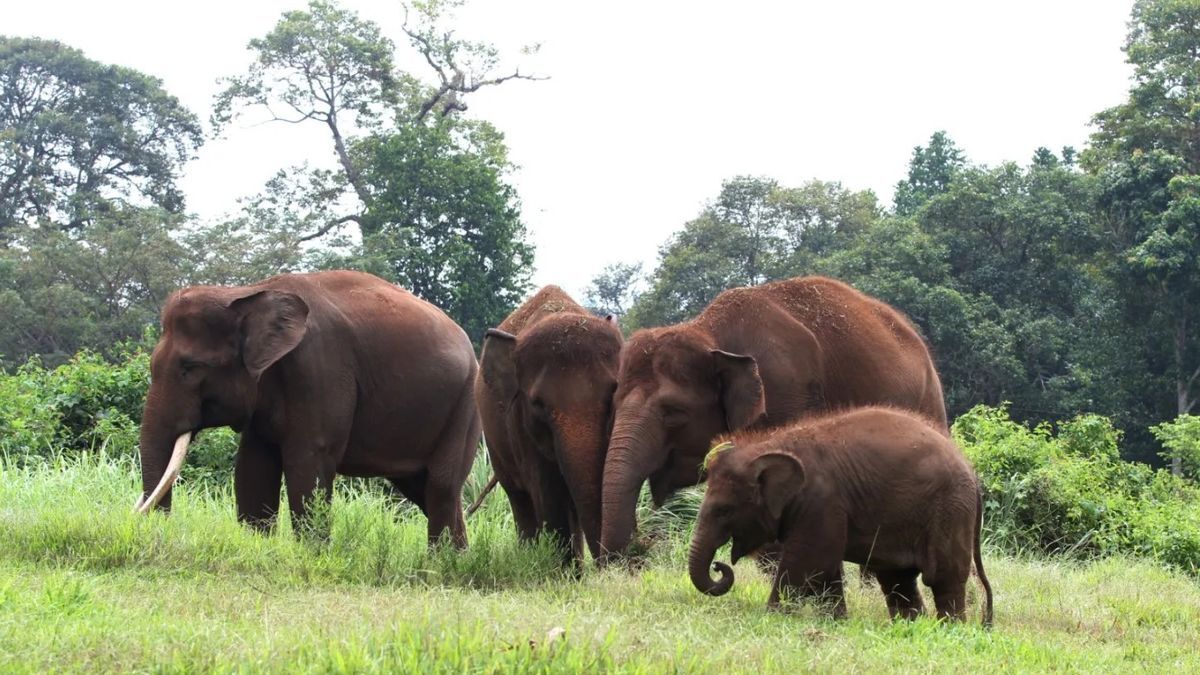
- Conservation worries deepened after the death of Tari, a young Sumatran elephant, amid ongoing habitat degradation and rising disease risks.
INDONESIA — Taman Nasional Tesso Nilo in Riau is again under national scrutiny after escalating tensions over enforcement efforts and renewed public concern about habitat destruction. According to a press statement by the Ministry of Forestry, authorities have intensified operations to secure the area and curb illegal oil palm expansions.
The Ministry’s Directorate General of Forest Law Enforcement and the Satgas Penertiban Kawasan Hutan have been conducting sustained actions to restore the national park, which is known as a critical habitat for Sumatran elephants. Officials emphasised that public attention to campaigns such as Save Tesso Nilo and the story of Domang, a young elephant, has highlighted the urgency of these measures.
According to the Ministry of Forestry, joint teams have cleared around 4,700 hectares of illegal oil palm plantations inside the park. Actions include dismantling makeshift shelters, closing illicit access routes, removing illegal fresh fruit bunch depots, and marking state-controlled areas to reaffirm the conservation status of the land.
Tensions rose when a group of protestors opposed to the clearances damaged state property at the tactical command post. The Ministry stated that while peaceful expression is respected, vandalism and obstruction of law enforcement are unacceptable. To avoid clashes, personnel temporarily relocated from the damaged post to a sector management office.
Security reinforcements soon followed. The Ministry confirmed the deployment of 30 soldiers from Kodam XIX/Tuanku Tambusai and 20 forest police officers, including SPORC units, to regain control of the command post and stabilise the area. Their role includes heightened patrols and support for ecosystem recovery across roughly 8,000 hectares of priority land.
Officials stressed that the state “does not retreat when its facilities are damaged”, but instead strengthens its presence. Enforcement, however, remains accompanied by persuasive outreach towards cooperative residents. The Ministry noted that some residents have voluntarily declared their willingness to relinquish occupied land through formal statements.
Dwi Januanto Nugroho, Director General of Forest Law Enforcement, said the objective is to “break the business chain” behind forest encroachment, targeting landowners and financiers rather than ordinary residents. His remarks were reported in outlets including Antara and reiterated in the Ministry’s statement.
Public discussion intensified after reports by CNN Indonesia described how the conflict escalated following the sealing of contested land on 10 June 2025 by Satgas PKH, commanded by the Office of the Deputy Attorney General for Special Crimes.
Protests grew after residents saw signage marking sealed land and increased patrols, including armed officers. According to CNN Indonesia, restrictions included the installation of portals, the cessation of fruit sales, and requests to disconnect electricity in affected settlements.
On 20 November, protestors entered the park and damaged the command post, according to posts by Balai TNTN shared on Instagram. The agency stated that the raid forced officers to withdraw temporarily and raised concerns about the future of the elephants’ habitat.
Simultaneously, conservation anxiety has deepened with the death of Tari, a young Sumatran elephant widely known to the public. Mongabay reported that Tari, who turned two on 31 August 2025, died suddenly on 10 September after testing positive for the EEHV virus. She was the sixth elephant calf to die in the Tesso Nilo landscape from disease-related causes.
Data from the Yayasan Taman Nasional Tesso Nilo indicate that young elephants in the area are vulnerable to infections such as EEHV and gastrointestinal illnesses, which have caused multiple deaths since 2012. Laboratory results from Bogor confirmed that Tari’s organs showed signs of EEHV infection.
Experts warn that habitat fragmentation and stress may heighten the susceptibility of young elephants to disease. According to Mongabay, staff observed no symptoms before Tari’s sudden death, reflecting the “silent killer” nature of the virus.
Tesso Nilo has long faced pressure from illegal logging, land speculation, and plantation expansion. Reports by Kabar 24 and TFCA Sumatera note that forest cover has decreased dramatically since 2009, with biodiversity once considered among the richest in the world now under severe threat. Numerous plant species in the park are listed as threatened by the IUCN, while human–elephant conflict has risen as habitats shrink.
Activists caution that without decisive protection, key species like the Sumatran elephant could disappear from the region within a decade. The Ministry reiterated that the ongoing joint operations are intended to prevent such outcomes, combining law enforcement, administrative sanctions, boundary strengthening, restoration of damaged land, and coordinated action with local authorities and conservation groups.
Officials describe these efforts as a long-term commitment to safeguard ecosystems, protect wildlife, and ensure fairness for communities living near the forest.