Amnesty urges Indonesian Parliament to rethink Gaza deployment and uphold International Law
Amnesty International Indonesia has urged parliament to reassess Jakarta’s participation in a new Gaza stabilisation forum and planned troop deployment, citing concerns over legal legitimacy, accountability, and financial implications.
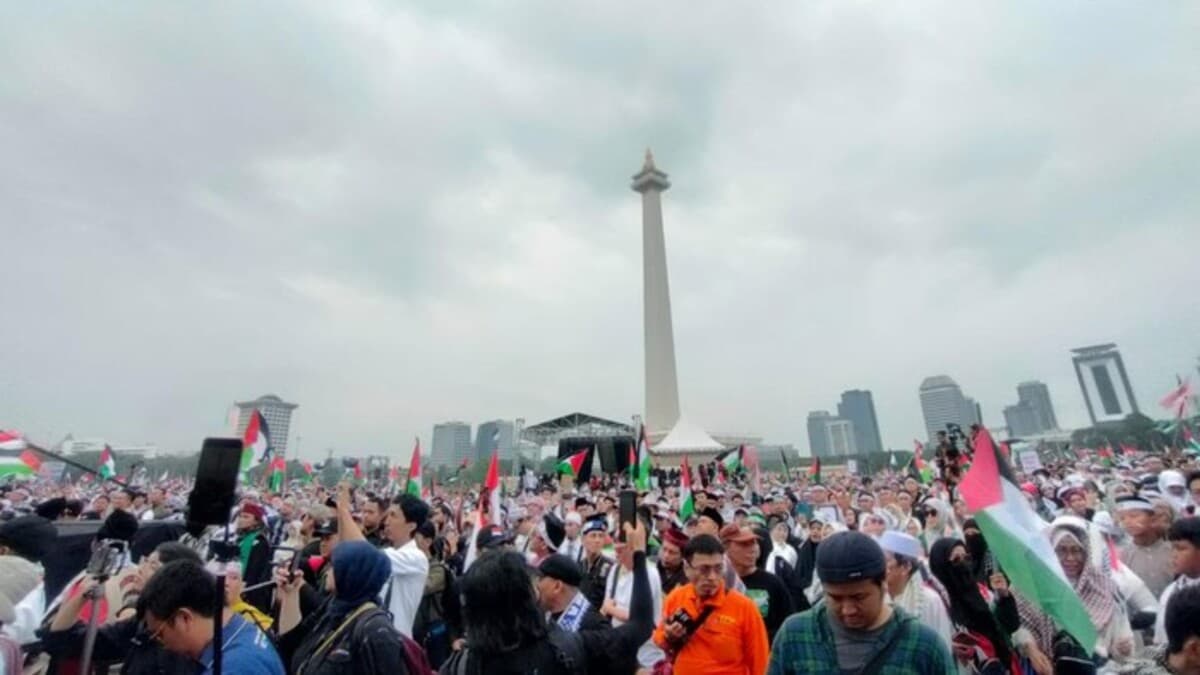
- Amnesty International Indonesia has urged parliament to reassess Jakarta’s participation in a new Gaza stabilisation forum and planned troop deployment.
- The organisation questions the legal basis, accountability framework, and absence of Palestinian representation.
- The government maintains its involvement is humanitarian and subject to international coordination.
Amnesty International Indonesia has issued an open letter to Indonesia’s parliament urging lawmakers to reassess the government’s decision to participate in a new international forum linked to Gaza stabilisation efforts and to reconsider plans to deploy thousands of Indonesian troops to the territory.
The letter, addressed to Speaker of the House of Representatives Puan Maharani, warns that Indonesia risks undermining international law and its own diplomatic credibility by joining the newly established Board of Peace (BoP) and preparing to send military personnel to Gaza under an International Stabilisation Force (ISF).
The appeal reflects growing domestic debate over Indonesia’s expanding role in Middle East peace efforts, with civil society organisations questioning both the legal basis and political implications of Jakarta’s participation.
Concerns Over Legal Framework and Accountability
Amnesty International Indonesia argues that the Board of Peace, an initiative launched in January at the World Economic Forum in Davos and led by United States President Donald Trump, operates outside established international legal frameworks.
According to the organisation, mechanisms created outside multilateral institutions risk weakening international humanitarian law and human rights accountability.
The group warned that participation in such initiatives could allow Israel’s long-standing occupation policies and alleged violations in Palestinian territories to continue without adequate legal scrutiny, particularly in Gaza, where humanitarian conditions remain dire after prolonged conflict.
A central concern raised in the letter is the absence of Palestinian representation within the Board of Peace, despite Palestinians being the population most affected by decisions regarding Gaza’s future.
Amnesty argues that peacebuilding initiatives lacking clear mandates, geographic boundaries, duration, and human rights safeguards could worsen conditions rather than stabilise them.
The organisation also notes that Indonesia’s decision appears inconsistent with its current role as President of the United Nations Human Rights Council, a position expected to reinforce adherence to international law through recognised multilateral institutions.
Troop Deployment Viewed as Risky Gamble
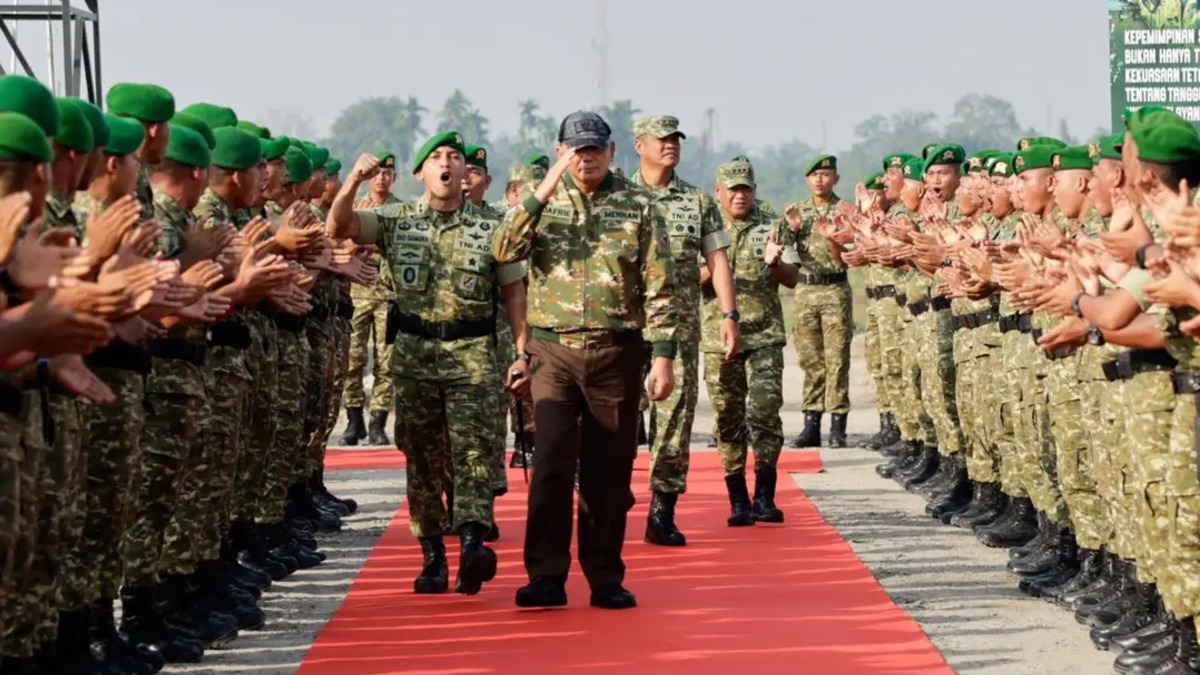
The controversy intensified after Indonesian officials confirmed preparations to deploy up to 8,000 Indonesian National Armed Forces (TNI) personnel to Gaza under the International Stabilisation Force.
Amnesty International Indonesia Executive Director Usman Hamid described the move as a “dangerous gamble”, arguing that troop deployment under a mechanism linked to the Board of Peace could effectively legitimise Israel’s presence in Gaza while weakening United Nations-led diplomatic processes.
“Although the government calls this a peace mission, participation through this mechanism risks undermining Indonesia’s long-standing commitment to Palestinian independence,” he said in a public statement.
Hamid further argued that Indonesia’s involvement could complicate its diplomatic position at the United Nations, where Jakarta has historically supported Palestinian statehood and condemned occupation practices.
He also warned that deploying troops without clear accountability structures risks eroding the post–Second World War international order built upon legal equality between states and collective security mechanisms.
Financial and Domestic Policy Implications
Beyond legal and diplomatic concerns, Amnesty International also questioned the financial implications of Indonesia’s participation.
Reports suggest Indonesia may contribute more than US$1 billion towards reconstruction and stabilisation efforts associated with the Board of Peace framework.
Amnesty argues that such commitments risk diverting resources from pressing domestic needs, including healthcare, education, social protection, and disaster management, especially as the government pursues budget efficiency measures at home.
The organisation urged parliament to scrutinise potential financial commitments and ensure transparency regarding how public funds would be used.
Parliamentary Oversight Requested
In its letter, Amnesty called on Indonesia’s House of Representatives to exercise oversight and caution the government against participation in mechanisms that might reinforce violations of international humanitarian law.
The organisation also urged lawmakers to demand full transparency regarding political, legal, security, and budgetary consequences of deploying Indonesian troops abroad.
Civil society groups have similarly called for parliamentary hearings to clarify operational details of the mission, including deployment timelines, troop mandates, areas of operation, and command structures.
So far, government officials have confirmed preparations but have yet to announce a deployment schedule or operational details.
Government’s Position
Indonesian authorities maintain that any involvement in Gaza aims to support humanitarian relief and stabilisation, not combat operations.
Officials have emphasised Indonesia’s long-standing support for Palestinian rights and framed participation as part of broader efforts to reduce civilian suffering and facilitate aid delivery.
Preparations are reportedly ongoing, with engineering and medical units undergoing training for potential deployment.
However, officials say final decisions depend on international agreements and coordination among participating countries.