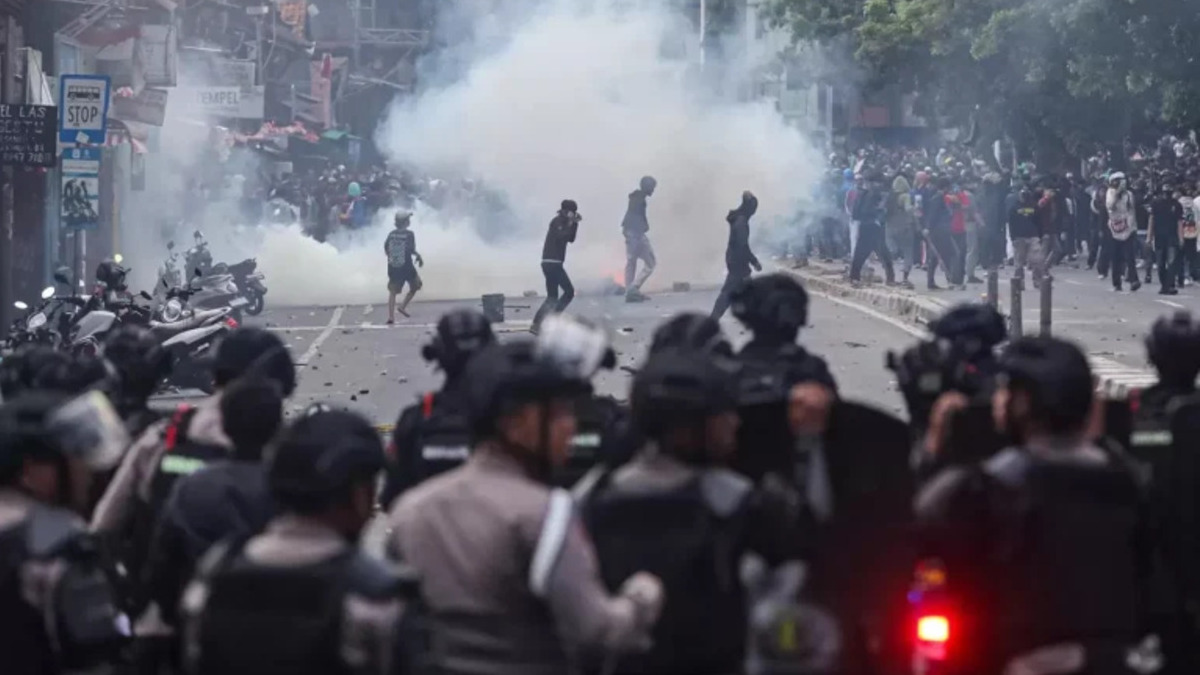
Indonesian activists seek genocide probe into Israeli leaders under expanded jurisdiction law
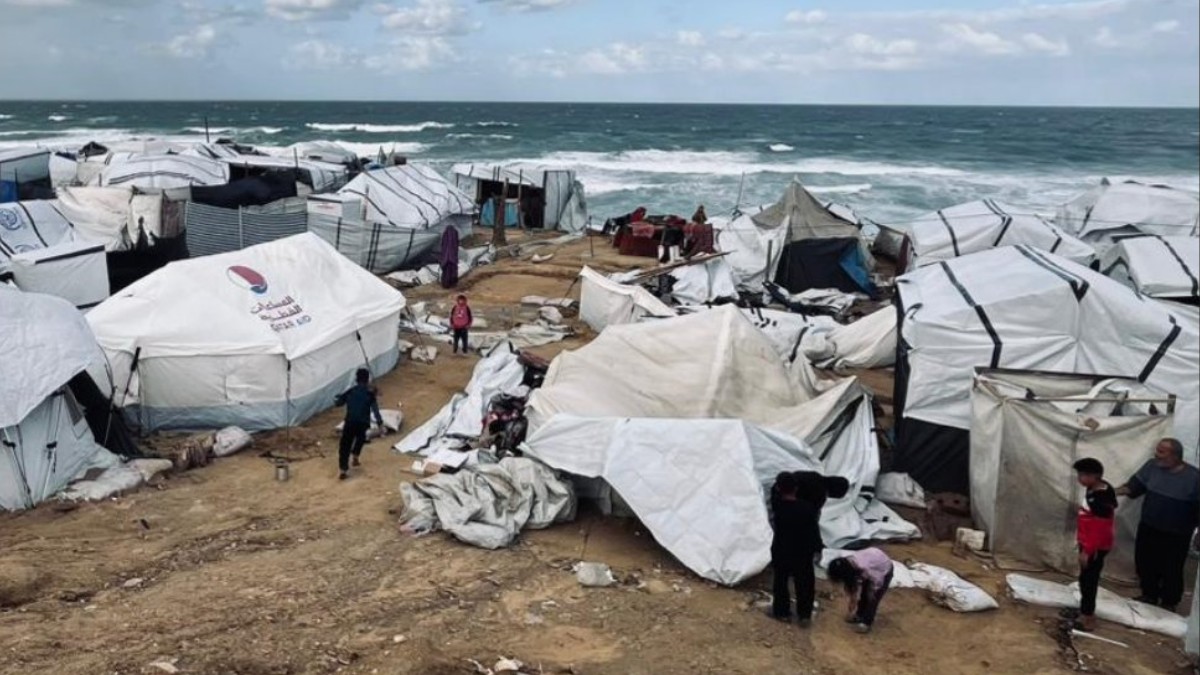
Indonesian civil society groups have filed a complaint alleging genocide in Gaza with the Attorney General’s Office, citing new Criminal Code provisions that allow prosecution of international crimes under universal jurisdiction.
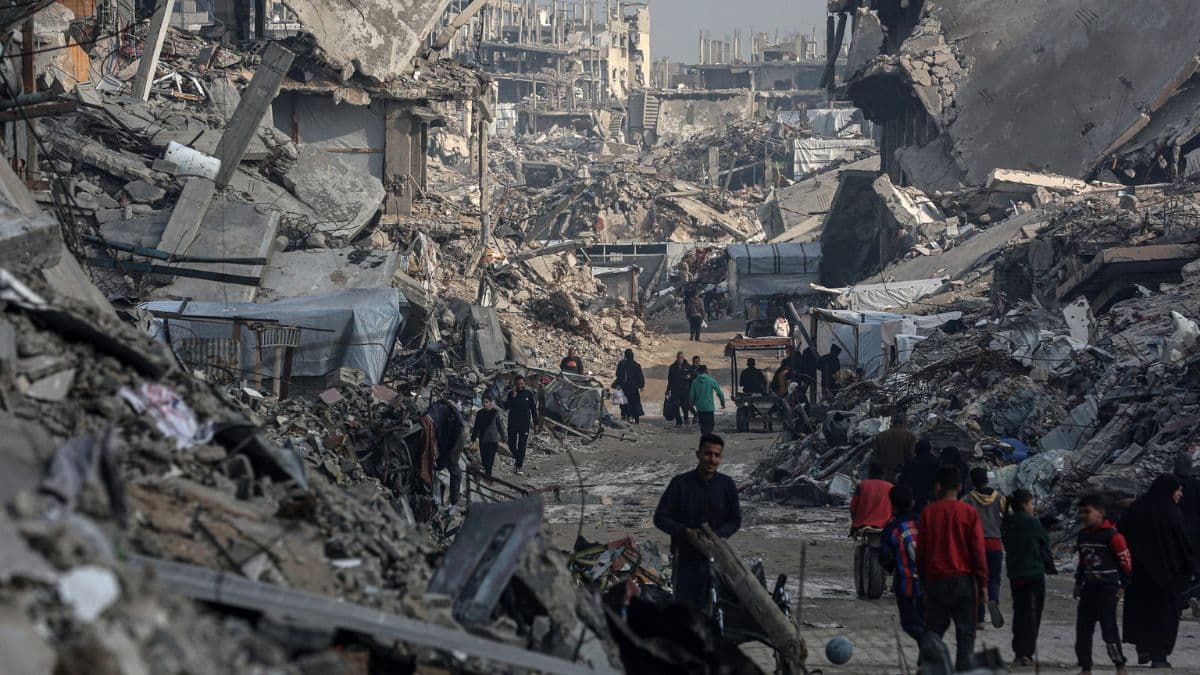
- Indonesian civil society groups filed a complaint alleging genocide in Gaza with the Attorney General’s Office on 5 February 2026.
- The complaint cites provisions in Indonesia’s new Criminal Code allowing prosecution of international crimes under universal jurisdiction.
- Prosecutors say the submission is under review and note legal and political considerations.
A coalition of Indonesian civil society organisations has filed a formal complaint with the country’s Attorney General’s Office, alleging genocide and serious human rights violations committed by Israel against Palestinians.
The submission marks one of the most significant attempts yet by Indonesian activists to use domestic legal mechanisms to address alleged international crimes linked to the conflict in Gaza.
The complaint was lodged at the Attorney General’s Office in South Jakarta on 5 February 2026 and names Israeli Prime Minister Benjamin Netanyahu alongside senior members of the Israeli government and military command structure.
Activists are urging Indonesian prosecutors to open an investigation under provisions contained in Indonesia’s newly enacted Criminal Code.
Push to Apply Universal Jurisdiction
Human rights activist Fatia Maulidiyanti, one of the complainants, said the move follows the implementation of Indonesia’s updated Criminal Code (KUHP) and Criminal Procedure Code (KUHAP), which incorporate principles allowing prosecution of serious international crimes regardless of where they occur.
According to Fatia, Articles 5 and 6 of the new code allow extraterritorial application of Indonesian criminal law, while Articles 598 and 599 explicitly cover international crimes such as genocide and crimes against humanity. These provisions, she said, open the door for Indonesia to exercise universal jurisdiction.
Under universal jurisdiction, states may investigate and prosecute severe international crimes even if they took place outside national territory and did not directly involve their citizens.
“The Attorney General’s Office now has authority to act against international human rights violations,” Fatia said. She expressed hope that Indonesia would not only apply this principle to Palestine but also strengthen domestic accountability mechanisms for serious rights abuses.
Legal Grounds and Indonesian Interests
Constitutional law expert Feri Amsari argued that Indonesia has grounds to apply universal jurisdiction because Indonesian interests have been directly affected by events in Gaza.
He pointed to attacks affecting Indonesian-linked facilities in Palestine, including damage to a hospital built with Indonesian support, as well as incidents involving Indonesian nationals allegedly harmed or detained during hostilities.
“In our view, the requirements are fulfilled,” Feri said. “Now the issue depends on whether Indonesia is willing to demonstrate its commitment to peace and anti-colonial principles.”
He added that decisive action could enhance Indonesia’s international standing, particularly as the country currently holds a leadership role within global human rights forums. Indonesia began its term as President of the United Nations Human Rights Council in January 2026, increasing expectations that Jakarta will take visible positions on international human rights crises.
Warning Against Safe Haven for Perpetrators
Activist and former legislator Wanda Hamidah said legal action is also important to prevent Indonesia from becoming a safe operating space for individuals accused of international crimes.
She argued that Indonesia must send a clear signal that alleged perpetrators cannot freely conduct business or activities within the country without facing potential legal scrutiny.
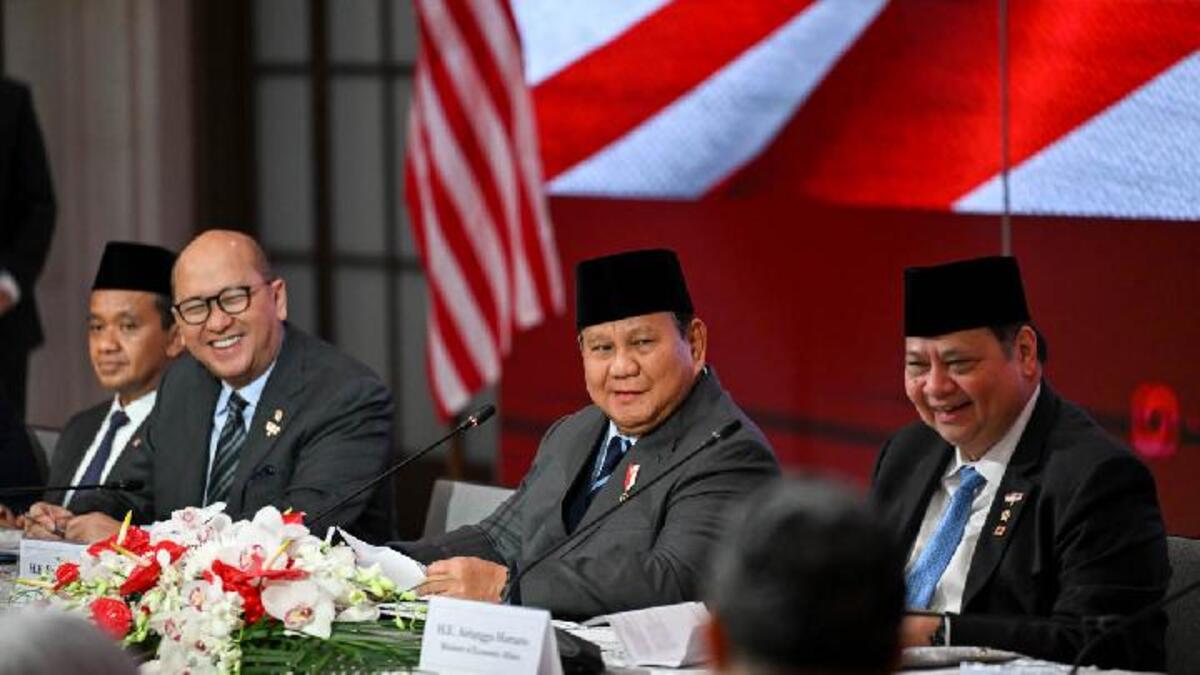
Wanda also called on President Prabowo Subianto to rely on established legal instruments and international legal mechanisms rather than pursuing alternative diplomatic initiatives outside recognised frameworks.
Attorney General’s Office Reviewing Submission
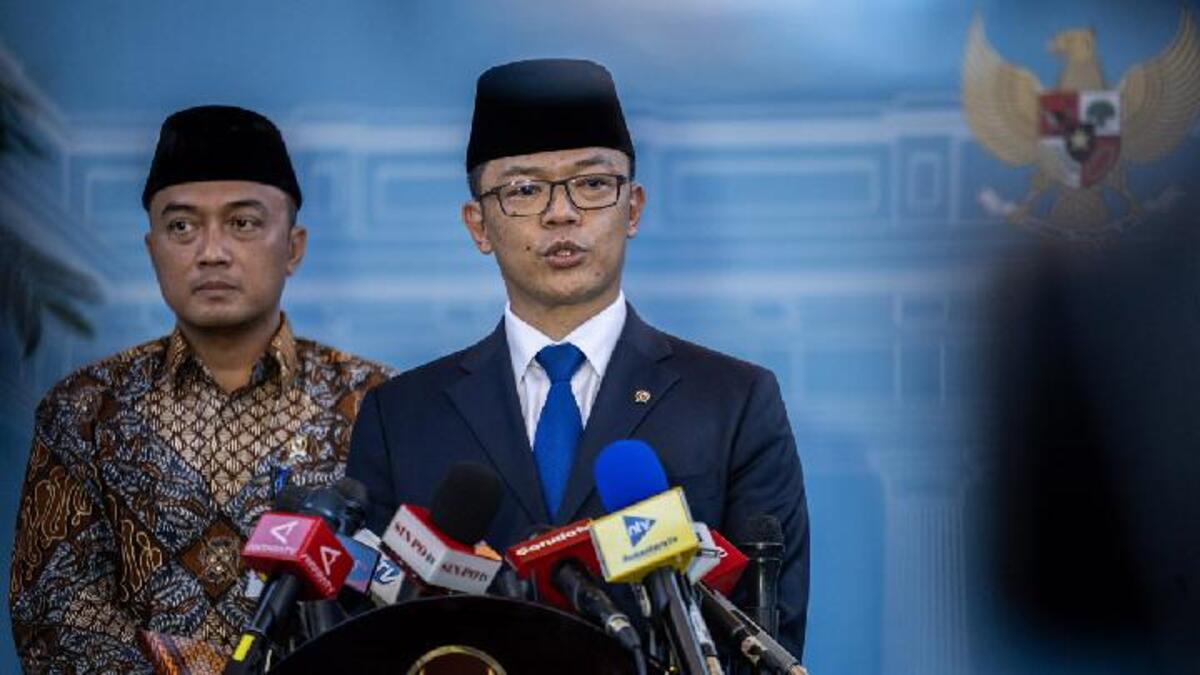
The Attorney General’s Office has confirmed receipt of the complaint and says it is currently examining the submission.
Anang Supriatna, head of the office’s Legal Information Centre, told reporters on 12 February that the report has been received by the Directorate of Serious Human Rights Violations and will undergo further review.
“The Directorate of Human Rights Violations has received it,” Anang said. “We will follow up by conducting a study and coordinating with relevant institutions.”
He noted that investigations involving cross-border crimes cannot be handled independently by prosecutors alone and require cooperation with other agencies, including the Ministry of Foreign Affairs, the National Human Rights Commission (Komnas HAM), and the Ministry of Human Rights.
Anang also cautioned that legal analysis alone would not determine the outcome.
“Because this concerns international relations and international law, the decision cannot be separated from government political considerations,” he said, adding that authorities are still reviewing how the new Criminal Code provisions should be applied.
Legal and Political Challenges Ahead
Experts note that while universal jurisdiction exists in law, its application is often politically sensitive and rarely straightforward. Prosecuting foreign officials for actions committed abroad would require strong evidence, diplomatic calculations, and coordination with international mechanisms.
Indonesia’s legal framework is also in transition, with elements of older legislation still in force pending formal repeal, creating additional complexity for prosecutors.
Nevertheless, civil society organisations argue that the Gaza case presents an opportunity for Indonesia to demonstrate leadership on accountability and human rights enforcement.
Fatia stressed that the principle should not be applied selectively.
“Universal jurisdiction must ultimately apply to all serious human rights violations,” she said, “not only in Palestine but everywhere.”