Prabowo defends Indonesia’s free meals programme amid fiscal fears and food safety concerns
President Prabowo Subianto reaffirmed support for Indonesia’s Free Nutritious Meals programme despite fiscal scrutiny and food safety incidents, insisting it remains budget-compliant and socially necessary amid investor concerns and public debate.
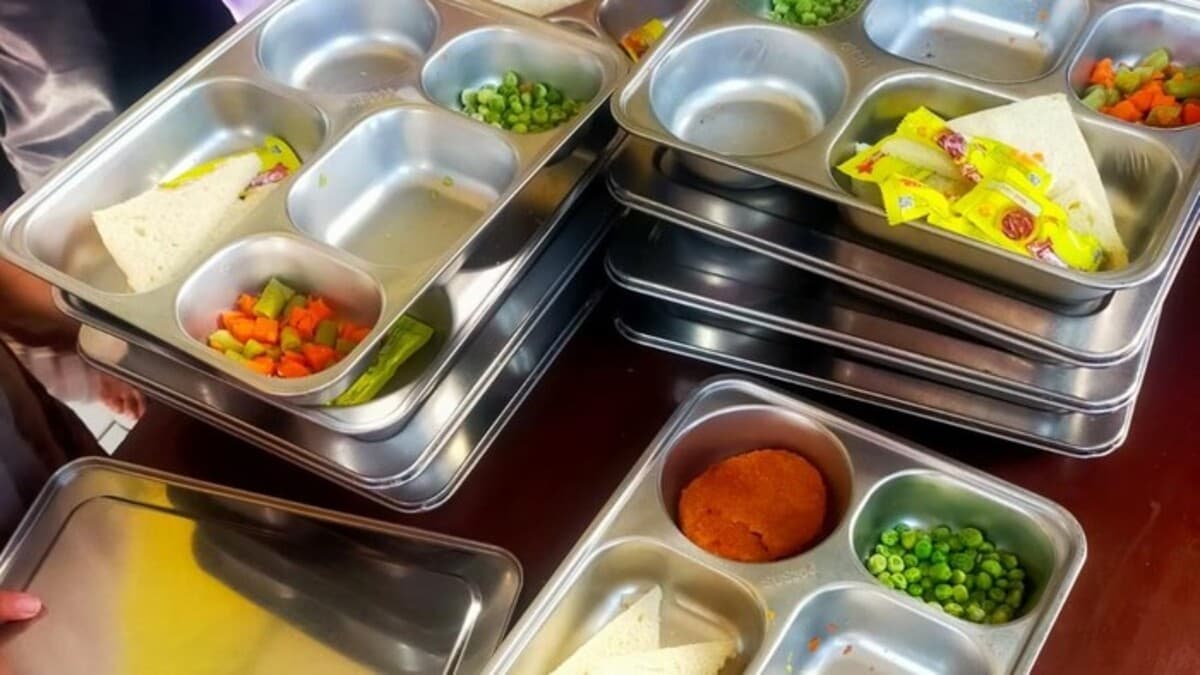
- President Prabowo Subianto reaffirmed commitment to the Makan Bergizi Gratis programme despite fiscal and safety concerns.
- Financial markets reacted negatively to broader economic signals, intensifying scrutiny of the US$20 billion initiative.
- Food safety incidents affecting thousands of students have raised questions about implementation and oversight.
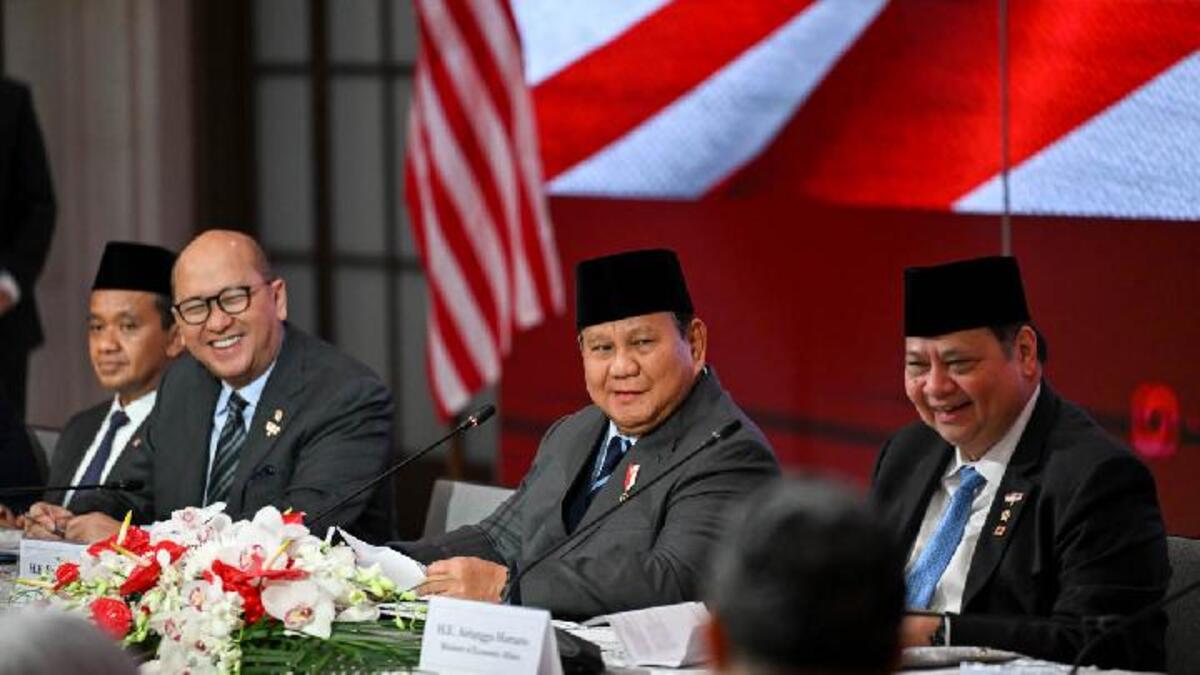
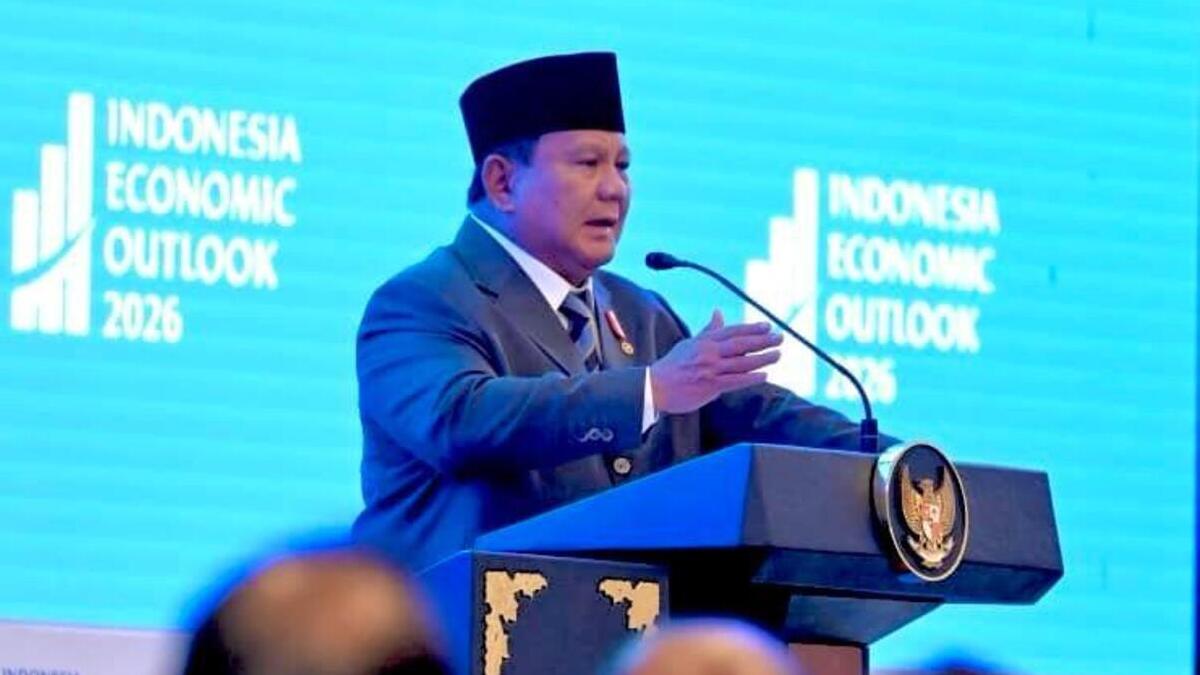
Indonesia’s President Prabowo Subianto has reaffirmed his commitment to the country’s ambitious Free Nutritious Meals programme despite mounting criticism over its cost, implementation, and safety record, insisting the initiative remains fiscally responsible and socially necessary.
Speaking in Jakarta on Friday, 13 February, during the inauguration of a police-operated public kitchen and food logistics facility in West Jakarta, Prabowo said his government would continue with the programme despite what he described as an “extraordinary campaign” against it.
“We will implement this programme,” the president said.
“We will face the extraordinary campaign which says I am wasting money.”
The initiative, known domestically as Makan Bergizi Gratis (MBG), is one of the flagship policies of Prabowo’s administration, aiming to provide daily nutritious meals to schoolchildren nationwide.
Supporters say the programme addresses long-standing problems of child malnutrition and educational inequality, while critics question its cost, targeting, and readiness.
Economic Pressure and Investor Anxiety
The defence of the programme comes at a sensitive time for Southeast Asia’s largest economy.
Indonesia’s financial markets have faced turbulence in recent weeks following warnings from global index provider MSCI regarding market transparency, which triggered heavy selling in Indonesian equities.
The sell-off wiped an estimated US$120 billion off market capitalisation.
Shortly afterwards, ratings agency Moody’s revised Indonesia’s sovereign bond outlook to negative, along with several major state-linked companies, citing concerns over fiscal pressures and economic risks.
Investors have voiced particular concern over the administration’s large-scale spending plans, including the roughly US$20 billion annual cost associated with the free meals programme.
Prabowo, however, dismissed fears of fiscal irresponsibility, stating that the programme is financed through efficiency measures and budget reallocations rather than new borrowing.
“This is what we are saving money on, this is what we are diverting,” he said. “Our state budget does not exceed the parameters we set.”
Indonesia maintains a statutory fiscal deficit limit of three per cent of gross domestic product, a threshold the president insists will not be breached.
Programme Scale and Public Debate
The MBG programme has rapidly expanded since its launch, with the president announcing that 60 million beneficiaries have already received meals as of this week.
However, controversy has intensified in recent months, particularly on social media, where critics question why the programme continued operating during extended school holidays late last year, when many students were not attending classes.
The debate has been sharpened by perceptions that other urgent needs — including disaster recovery in flood-hit parts of Sumatra — have not received equal urgency or funding.
The programme’s scale is unprecedented in Indonesian social policy.
Approved as part of the 2026 state budget, MBG reportedly commands one of the largest allocations among government programmes, drawing funds partly from education and health spending streams.
Economists and policy analysts argue that while nutrition programmes can deliver long-term benefits, universal implementation risks directing funds to families who already meet basic nutritional needs, rather than targeting undernourished communities in poorer regions.
Distribution patterns have also been questioned, with critics saying facilities appear concentrated in relatively prosperous regions on Java, while remote areas in eastern Indonesia — where poverty and undernutrition are more severe — remain underserved.
Traffic Disruptions for Kitchen Launch
Friday’s inauguration of the Police Nutrition Fulfilment Service Unit (SPPG) kitchen and food resilience warehouse in Palmerah, West Jakarta, highlighted the programme’s growing prominence in government operations.
The event, scheduled during peak commuting hours, prompted traffic diversions coordinated by Jakarta’s Metropolitan Police.
Traffic Directorate head Chief Commissioner Komarudin warned that congestion around Palmerah Market and surrounding roads would likely intensify and urged private vehicle users to avoid the area where possible, although public transport routes continued operating.
Food Safety Incidents Raise Alarm
While the government maintains the programme has largely succeeded, food safety incidents have cast a shadow over its rollout.
Since implementation began, at least 15,000 children nationwide have reportedly suffered food poisoning linked to meals distributed under the programme.
The latest incident occurred in Central Java, where more than 400 students at a state senior high school in Kudus reported symptoms including vomiting, diarrhoea, dizziness, and dehydration after consuming MBG meals. Over 100 students required hospital treatment.
Earlier outbreaks in West Java affected hundreds more pupils and toddlers, raising questions about hygiene standards, supply chains, and the ability of centralised kitchens to safely serve large numbers of schools.
Authorities have temporarily halted meal distribution in affected areas while investigations are conducted, with provincial governments opening complaint hotlines and launching inspections of food preparation facilities.
Despite these incidents, Prabowo downplayed concerns, saying the proportion of affected students remained small compared with total programme coverage and that overall performance remained positive.
Beyond food safety, the programme has also faced social controversy.
In Lampung province, local legislators recently accused programme operators of denying meals to two children after their parents criticised food quality online.