Indonesia considers deploying 8,000 troops to Gaza amid domestic scrutiny over costs and mandate
Indonesia is preparing a possible deployment of up to 8,000 troops to Gaza as part of an international stabilisation force, prompting domestic debate over mandate, funding and geopolitical risks.
- Indonesia is preparing a potential deployment of up to 8,000 troops to Gaza as part of an international stabilisation effort.
- The government describes the mission as humanitarian, but funding and mandate questions have sparked parliamentary and civil society debate.
- Indonesia’s membership in the Board of Peace adds a political dimension, with possible financial contributions under scrutiny.
Indonesia is preparing for what could become one of the largest overseas peacekeeping deployments in its modern history, following reports that thousands of Indonesian troops may soon be sent to Gaza as part of an international stabilisation effort.
The prospect of deploying up to 8,000 Indonesian personnel has drawn widespread attention internationally and triggered intense debate at home, where lawmakers, diplomats and civil society groups are questioning the diplomatic, financial and geopolitical implications of Jakarta’s growing involvement in Middle East peace efforts.
While the government frames the mission as a humanitarian contribution aimed at easing civilian suffering in Gaza, critics warn that Indonesia risks becoming entangled in complex regional politics without sufficient clarity over the mission’s mandate and costs.
Israeli Media Report Major Indonesian Deployment
Reports about Indonesia’s possible deployment first gained traction after several Israeli media outlets revealed that Jakarta was preparing a large peacekeeping contingent for Gaza.
Haaretz, The Times of Israel, and broadcaster i24news reported that Indonesia could deploy up to 8,000 personnel, primarily engineering and medical units tasked with humanitarian support and infrastructure reconstruction.
According to i24news, the plan would represent the Indonesian military’s most significant operational step in supporting Middle East stabilisation efforts.
The report described the mission as both humanitarian and political, arguing that Indonesia — the world’s largest Muslim-majority nation — seeks to assert itself as a credible actor in global peace initiatives while increasing diplomatic relevance in high-risk international crises.
Israel’s public broadcaster Kan, quoted by The Times of Israel, reported that Indonesian troops could become the first contingent of an International Stabilisation Force to arrive in Gaza, although no precise deployment date has been confirmed.
Troops are reportedly expected to be stationed in southeastern Rafah, where accommodation and operational facilities are being prepared.
However, the reports also suggested uncertainty regarding final commitments. Haaretz cited Indonesian Army Chief of Staff General Maruli Simanjuntak as saying preparations were under way, but troop numbers and operational roles remain under negotiation.
A diplomatic source quoted by the newspaper suggested Indonesia’s statements may currently function more as a political signal rather than a fixed operational decision.
Military Preparations Under Way
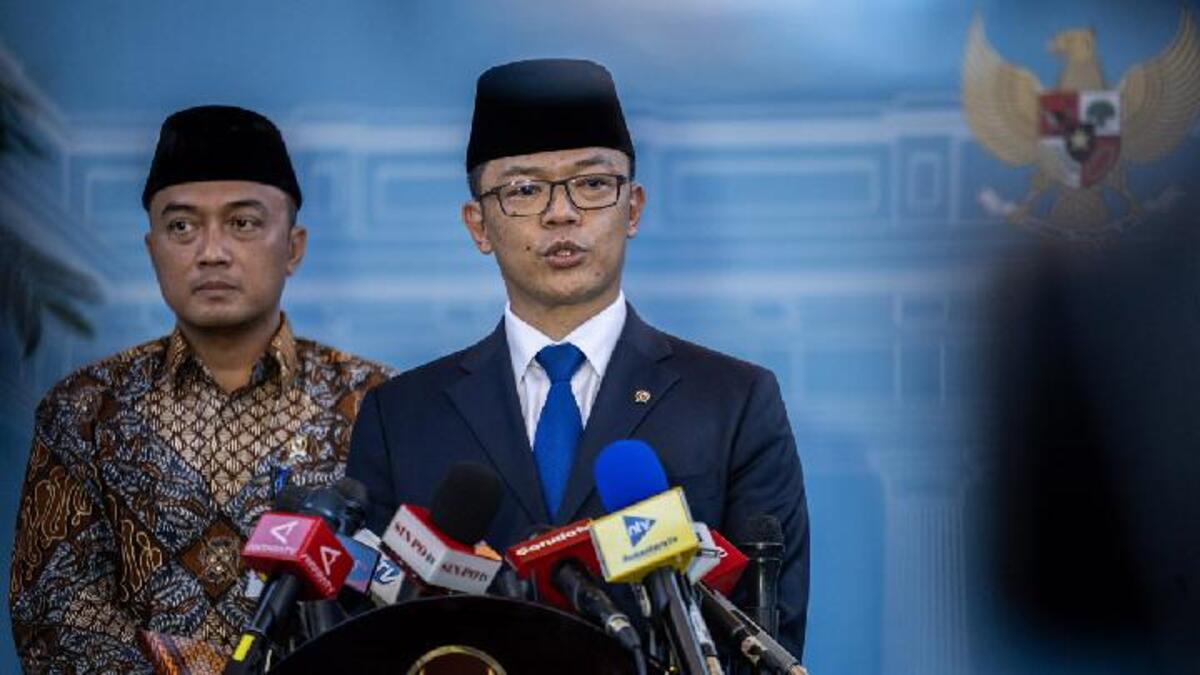
Indonesian officials have since confirmed that preparations are ongoing, though they stress that final decisions have not yet been made.
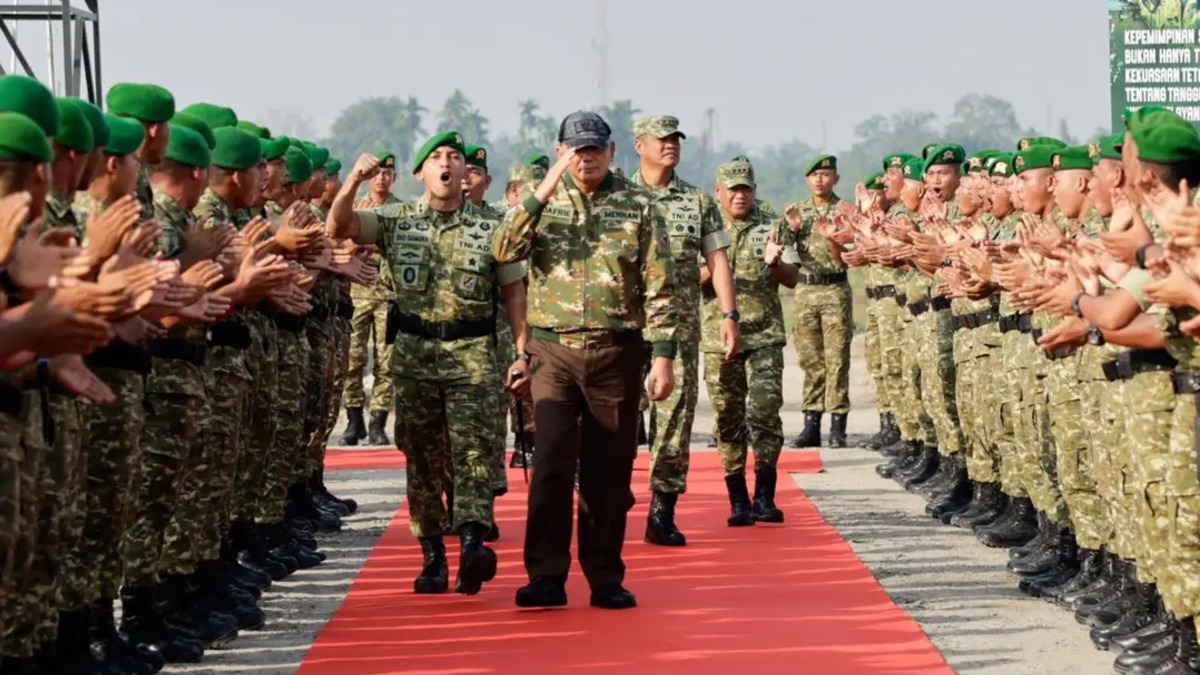
General Maruli Simanjuntak confirmed that Indonesian Army units have begun training personnel for potential deployment.
“Personnel who may later be assigned to peacekeeping duties have started training. Engineering and medical units, which are often deployed in such missions, are among those being prepared,” he said at the Presidential Palace complex in Jakarta.
He added that while troop numbers have not been finalised, the deployment could involve several thousand personnel.
Indonesia has long been one of the largest contributors to United Nations peacekeeping missions, with troops serving in Lebanon, Congo, Sudan, and other conflict areas. Supporters of the Gaza deployment argue the country is therefore expanding an already established peacekeeping role rather than entering unfamiliar territory.
Government Emphasises Humanitarian Mission
The Indonesian government has moved to clarify that any involvement in Gaza would focus on humanitarian and stabilisation tasks rather than combat or disarmament operations.
Foreign Ministry spokesperson Vahd Nabyl A. Mulachela said preparations were under way but remained subject to domestic and international coordination.
“The timeline is not yet definitive, and the number of personnel has also not been finalised. The process is still under way,” he said.
State Secretary Prasetyo Hadi added that discussions are ongoing but estimates suggest troop numbers could reach around 8,000.
He stressed that deployment decisions, including stationing locations such as Rafah, remain undecided.
Indonesia’s participation, he said, reflects the country’s long-standing support for the Palestinian cause and aims to help reduce conflict escalation and enable humanitarian aid delivery.
“At the very least, we hope this reduces the escalation so civilians suffer less and humanitarian assistance can enter Gaza more smoothly,” Prasetyo said.
Board of Peace Membership Adds Political Dimension
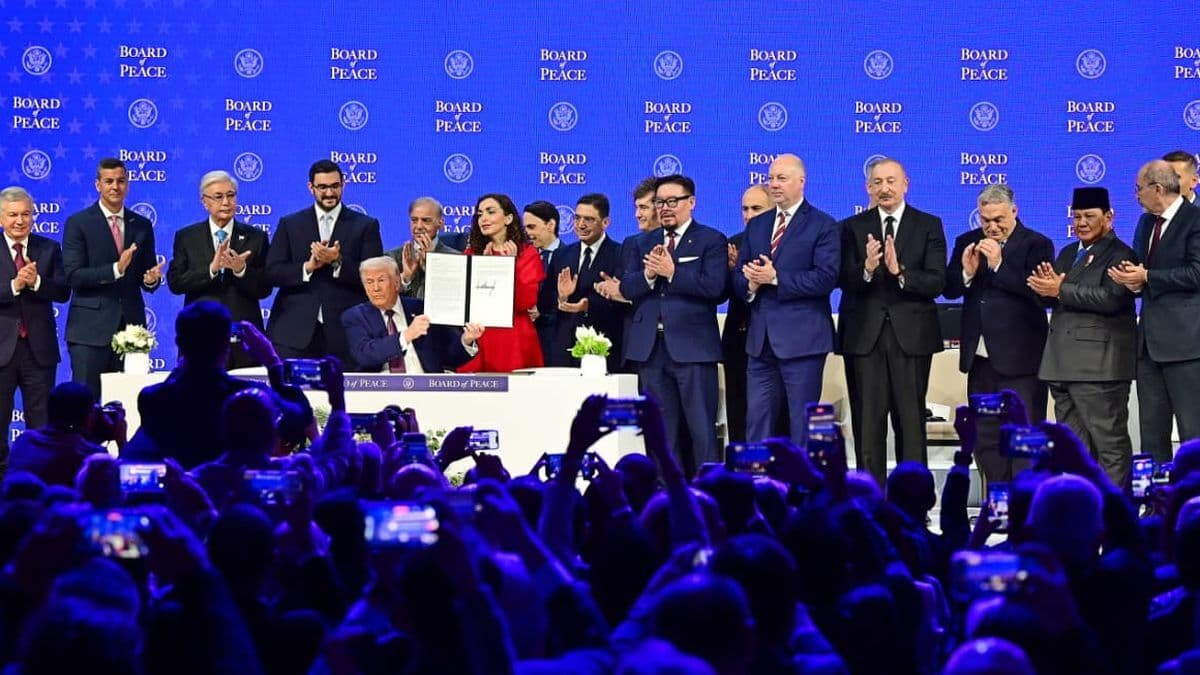
Indonesia’s preparations coincide with its recent decision to join the newly formed Board of Peace (BoP), an international initiative led by United States President Donald Trump aimed at supporting post-conflict stabilisation and reconstruction in Gaza.
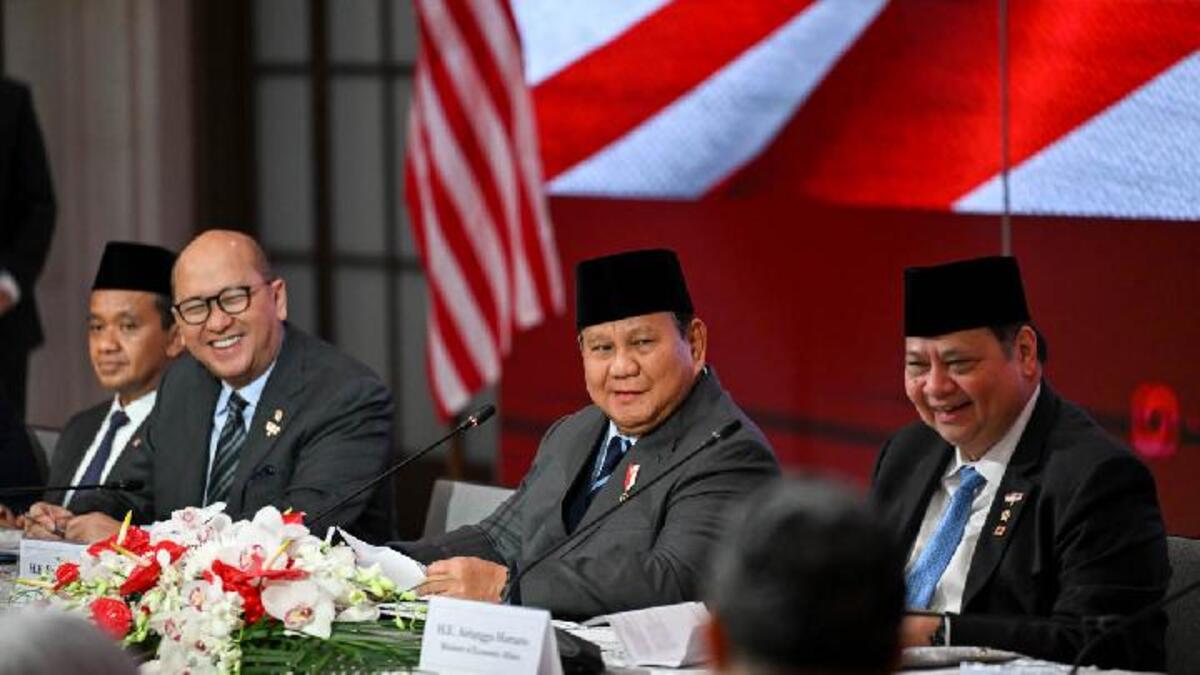
President Prabowo Subianto signed the initiative’s charter during the World Economic Forum in Davos earlier this year, describing participation as a historic opportunity to contribute to peace efforts.
However, Indonesia’s involvement in the BoP has triggered controversy domestically, particularly after reports surfaced suggesting Indonesia might contribute up to US$1 billion to reconstruction efforts.
Parliament Questions Funding Plans
Members of Indonesia’s House of Representatives say they were never consulted about such a financial commitment.
Tb. Hasanuddin, a member of Commission I overseeing defence and foreign affairs, stated that parliament had not discussed using defence funds for BoP-related contributions.
“There has been no official discussion between Commission I and the Ministry of Defense regarding the use of the defence budget for BoP contributions,” he said.
He warned that strategic expenditures involving state funds must undergo parliamentary oversight to ensure transparency and alignment with national interests.
Finance Minister Purbaya Yudhi Sadewa later confirmed that any Indonesian contribution would come from the state budget through the Defence Ministry but stressed fiscal discipline would be maintained.
Foreign Minister Sugiono clarified that the funds should not be interpreted as a membership fee but rather as voluntary contributions supporting Gaza’s humanitarian recovery.
Former Diplomats Urge Caution
The issue was also discussed during a closed-door meeting at the Presidential Palace involving former foreign ministers and senior diplomats.
Former deputy foreign minister Dino Patti Djalal described the Board of Peace as a pragmatic attempt to address repeated ceasefire failures in Gaza, though he cautioned it should not be seen as a guaranteed solution.
He acknowledged political sensitivities surrounding Israel’s involvement in the initiative but argued Indonesia could maintain diplomatic balance while continuing support for Palestine.
Civil Society Raises Legal Concerns
Human rights groups remain sceptical. Amnesty International Indonesia and several legal experts argue that initiatives outside United Nations frameworks risk weakening international accountability mechanisms.
Critics also question whether Palestinian authorities were sufficiently involved in shaping reconstruction plans, warning that stabilisation efforts should not sideline Palestinian political rights.
Civil society groups are urging parliament to demand greater transparency regarding Indonesia’s commitments, legal obligations, and operational risks.