Indonesia probes private airport amid concerns over missing government controls
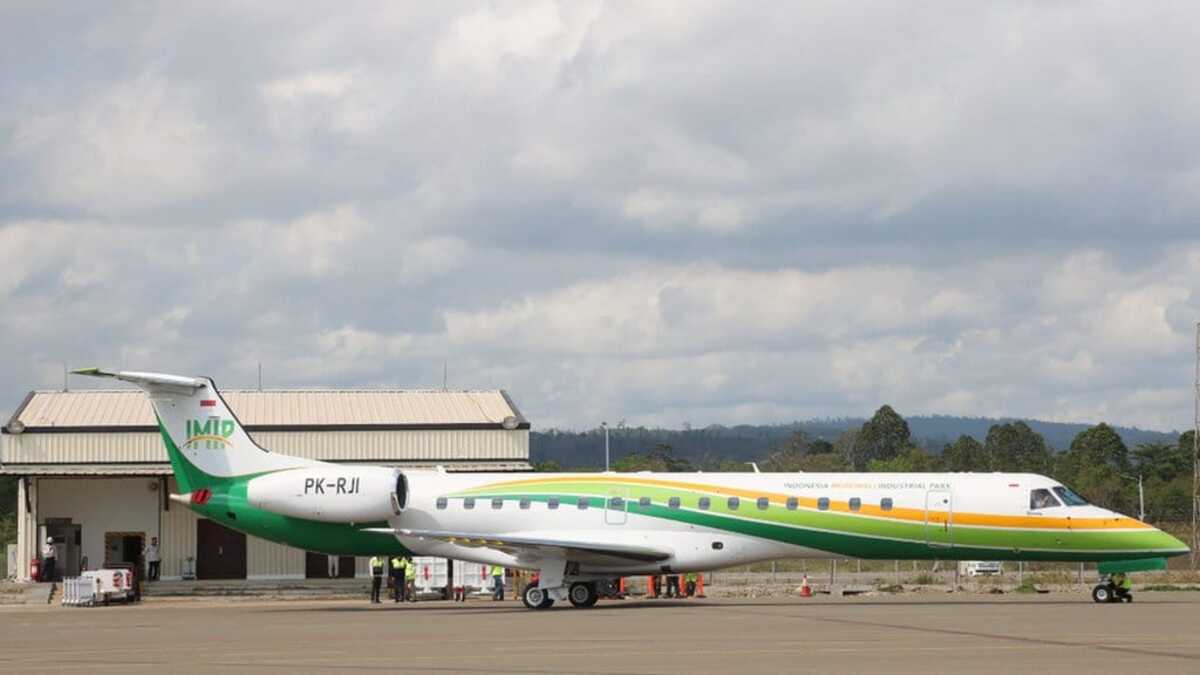
A private airport in the IMIP industrial zone in Morowali has triggered national outrage after operating for years without state security, customs or immigration presence. Officials defend its “special airport” status, but critics warn it risks creating a “state within a state.”
- A privately run airport in Indonesia’s Morowali Industrial Park operated for years without permanent customs, immigration, or security oversight, prompting national security concerns.
- The facility, active since at least 2019, was legally registered but lacked continuous state presence, drawing criticism from lawmakers and the public.
- The Ministry of Transportation has deployed oversight personnel amid public pressure, though parliamentarians continue to demand a full investigation and regulatory reforms.
A privately operated airport within the Indonesia Morowali Industrial Park (IMIP) in Central Sulawesi has become the focus of national scrutiny after officials confirmed it functioned for years without permanent state oversight. The facility reportedly lacked customs, immigration and security authorities on site, prompting widespread concern.
The situation surfaced after a defence team conducted field exercises in the region and visited the facility. Their inspection revealed a lack of monitoring over goods and passengers entering and leaving the airport. The discovery has since raised concerns over possible illicit cargo flows and unregulated movement of foreign workers in the strategic industrial zone.
According to initial findings reported by multiple outlets, the airport may have operated without a sustained on-site government presence since around 2019.
Members of Indonesia’s parliament reacted sharply, labelling the lapse a “serious breach” of state authority and calling for immediate investigation and stronger enforcement.
IMIP later stated the airport is legally registered under Aviation Law No. 1/2009 as a “special airport”. The operator emphasised that regional aviation authorities maintain responsibility for oversight and that the facility holds a valid operational permit.
The Ministry of Transportation echoed this view, confirming the registration and noting that a multistakeholder security team had since been deployed. Officials argued the airport remains under the state’s administrative framework, despite previous lapses in continuous presence.
Critics, however, contend that registration alone does not guarantee effective supervision. They argue that any facility handling regular flights in a strategic industrial zone must host permanent customs, immigration and security officers. Without such presence, the airport risks operating beyond adequate state control.
Defence voices also raised concerns. References to a “state within a state” circulated widely, with officials pointing to possible vulnerabilities in border control, critical-mineral logistics and movement of foreign personnel. These issues placed pressure on ministries to address regulatory gaps.
The matter drew broader criticism due to the industrial park’s role in processing key mineral resources and hosting a significant foreign workforce. Observers argued the absence of routine state checks at the airport could undermine national security in an economically sensitive region.
Public voices highlighting Jokowi-era authorisation
Public debate intensified as citizens stressed that the airport’s formal status was established during the Jokowi administration. Many questioned how a strategic facility could expand under previous government oversight without permanent customs, immigration or security control.
A comment quoted by Detik argued that the airport, described as inaugurated under Jokowi, must be “investigated thoroughly” because it operated without visible state authorities.
Another user, also cited by Detik, compared the IMIP private airport with the official Morowali Airport, highlighting that one facility “was inaugurated by Jokowi”, pointing to differing expectations of accountability.
A separate remark reported by Strategi.id asked how such an airport could develop “during Jokowi’s era without supervision”, reflecting concerns about oversight gaps that may have begun years earlier.
Further comments quoted by Inilah.com suggested the weak oversight during its formalisation under Jokowi raised fears the facility “may already be in foreign hands”, while others questioned where state monitoring had been “all this time”.
State reaction and next steps
In response to the public pressure, the Ministry of Transportation intensified monitoring. Officials claimed that customs, immigration, police and other agencies had since deployed staff to the site to ensure compliance. They added that corrective measures were underway.
Lawmakers remain sceptical. Several members of parliament stated that reactive deployment is insufficient, urging a comprehensive audit of the airport’s status, operations and passenger-handling procedures. Some called for potential reclassification if the “special airport” framework proves inadequate.
Parliamentary committees are expected to summon officials from transportation, immigration, customs and defence to clarify why the airport was allowed to operate with limited monitoring for over five years.
Lawmakers have also floated the possibility of reviewing the entire “special airport” classification framework to ensure it cannot be misused in sensitive economic zones.