Pati protest leaders face criminal trial over road blockade after impeachment vote
Two leaders of Pati’s largest protest movement are on trial over a brief road blockade after the local legislature rejected calls to impeach the regent, raising concerns about freedom of expression and the criminalisation of dissent.
- Two prominent Pati protest leaders have gone on trial over a brief road blockade following a failed impeachment vote.
- Prosecutors allege offences including incitement and obstruction of public roads, carrying a potential nine-year sentence.
- Civil society groups warn the case signals growing criminalisation of dissent in local democracy.
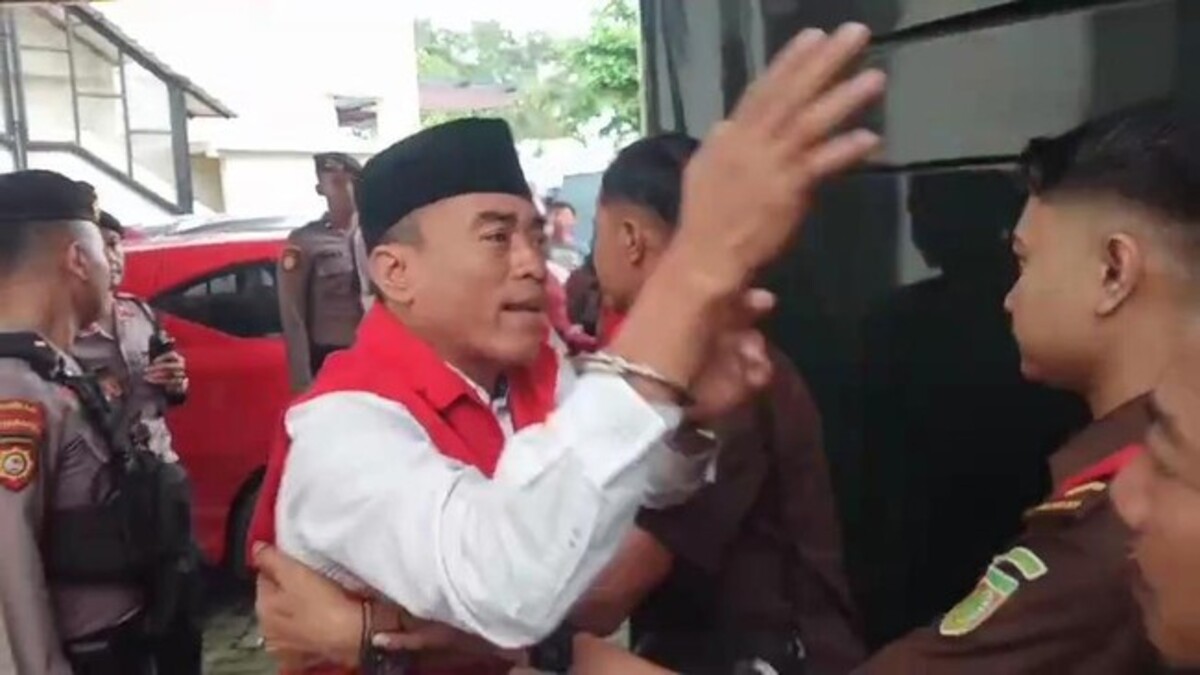
In a striking reversal of roles that has unsettled civil society groups in Indonesia, two of the most recognisable figures of the mass protest movement in Pati—Supriyono, widely known as Botok, and Teguh Istiyanto—now find themselves in the dock, accused of criminal offences arising from a protest that followed the local legislature’s refusal to impeach Regent Sudewo.
Their prosecution has become a focal point of debate over freedom of expression, the criminalisation of dissent, and the resilience of Indonesia’s local democracy.
From mass mobilisation to the courtroom
Botok and Teguh are senior figures in the United Pati Community Alliance (Aliansi Masyarakat Pati Bersatu, AMPB), the grassroots coalition that mobilised what were widely described as the largest demonstrations in the history of Pati Regency.
At the height of the movement in August 2025, crowds estimated at more than 100,000 people flooded Pati Town Square, demanding the resignation of Regent Sudewo and an end to what protesters described as arrogant and anti-people policies.
Four months later, on Wednesday, 24 December 2025, the two protest leaders appeared for the first time before the Pati District Court. Prosecutors accused them of orchestrating a brief road blockade on the Pati–Juwana section of the northern coastal highway (Pantura) on 31 October 2025—an action that followed the Pati Regional House of Representatives’ (DPRD) decision not to impeach the regent.
The hearing, which began at 9:00 a.m. local time and lasted around one hour, was limited to the formal reading of the indictment. Both men are currently being held at Pati Class IIB Prison.
The charges and potential sentence
According to court officials, Botok and Teguh face cumulative and alternative charges under Indonesia’s Criminal Code (KUHP), including:
-
Article 192 — concerning obstruction of public roads;
-
Article 160 — incitement;
-
Article 168(1) — participation in an unlawful assembly.
If convicted under the most severe provision, the defendants could face a maximum sentence of up to nine years’ imprisonment. A separate but related case involves another defendant, Sugito, accused solely under Article 192 for his alleged role in the same incident.
Court spokesperson Retno Lastiani confirmed that the next hearing for Botok and Teguh is scheduled for 7 January 2026, when their lawyers are expected to submit formal objections to the indictment.
The road blockade: context and chronology
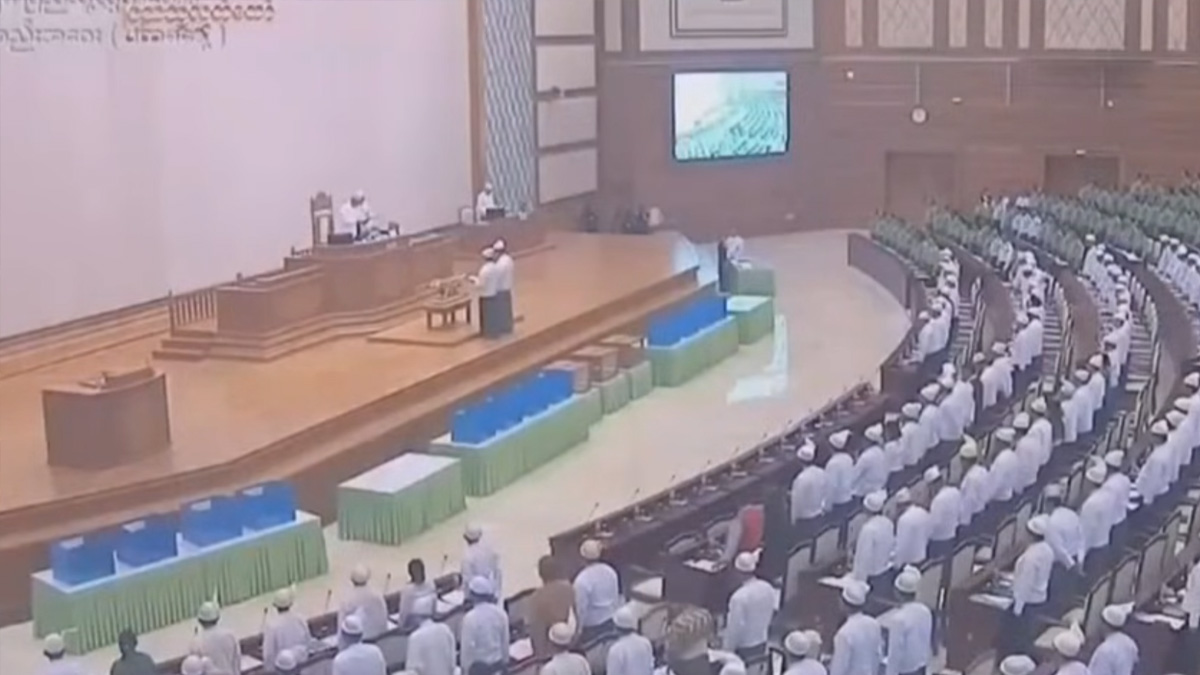
The alleged offence occurred on the evening of 31 October 2025, only hours after the Pati DPRD concluded a tense plenary session on the results of its inquiry into Regent Sudewo’s leadership. Despite months of public pressure, the council voted overwhelmingly against impeachment, with only one faction supporting removal from office.
As news of the decision spread, anger spilled onto the streets. Between 6:00 and 6:30 pm, a convoy of trucks and private vehicles halted traffic for approximately 15 minutes near the Wirokandang village gate on the Pati–Juwana road. Police later described the action as an illegal blockade that disrupted a major transport artery along Java’s north coast.
Botok and Teguh were detained later that night and transferred to the Central Java Regional Police headquarters before being formally charged. Additional suspects, including a truck driver alleged to have assisted the action, were arrested in the days that followed.
Central Java Police subsequently named the protest leaders as the alleged masterminds of the blockade, announcing charges that at one stage carried a combined potential penalty of up to 15 years. By the time the case reached court, prosecutors had narrowed the indictment to provisions carrying a maximum of nine years.
Supporters fill the courtroom
Despite tight security, hundreds of AMPB supporters gathered at the court complex on 24 December, waving banners and chanting slogans in support of the defendants. The atmosphere remained calm, and no disturbances were reported.
Outside the courtroom, Botok framed the trial as an attempt to silence popular dissent. Addressing journalists, he issued a direct appeal to President Prabowo Subianto to halt what he described as the “criminalisation of the people’s voices”.
“Do not be afraid to criticise leaders who are unjust and arrogant,” he said. Teguh echoed the sentiment, arguing that democracy should not be enforced through criminal prosecutions. “Those accused of corruption remain free, while demonstrators are treated as criminals,” he said.
A protest movement rooted in local grievances
For foreign observers, the case cannot be separated from the broader political upheaval that swept Pati throughout 2025. The protests were initially triggered by a proposed 250 per cent increase in the Rural and Urban Land and Building Tax (PBB-P2)—the first such hike in 14 years. Although the regent later cancelled the plan and issued a public apology, trust had already eroded.
The tax controversy became a catalyst for wider demands, including opposition to a five-day school week policy, objections to costly public renovation projects, concerns over heritage preservation, and calls for investigations into alleged corruption linked to infrastructure spending.
As demonstrations escalated in August, clashes broke out after Regent Sudewo failed to meet protesters as promised. Police deployed water cannons and tear gas; dozens of people were treated for breathing difficulties, and a police vehicle was later set ablaze on the outskirts of the town centre. Indonesia’s National Commission on Human Rights (Komnas HAM) subsequently opened an inquiry into allegations of excessive force.
From political pressure to legal retaliation?
Human rights advocates argue that the prosecution of Botok and Teguh marks a turning point, shifting the focus from addressing public grievances to punishing those who articulated them. AMPB’s legal team has also alleged that the two men were targets of intimidation even before their arrest, citing reported assaults and an alleged arson attempt at Teguh’s home in early October—claims that police say are still under investigation.
While the DPRD ultimately rejected impeachment and urged the regent to “improve performance”, the legal consequences have fallen most heavily on protest organisers rather than elected officials.