Death toll from Sumatra floods and landslides rises to 1,135
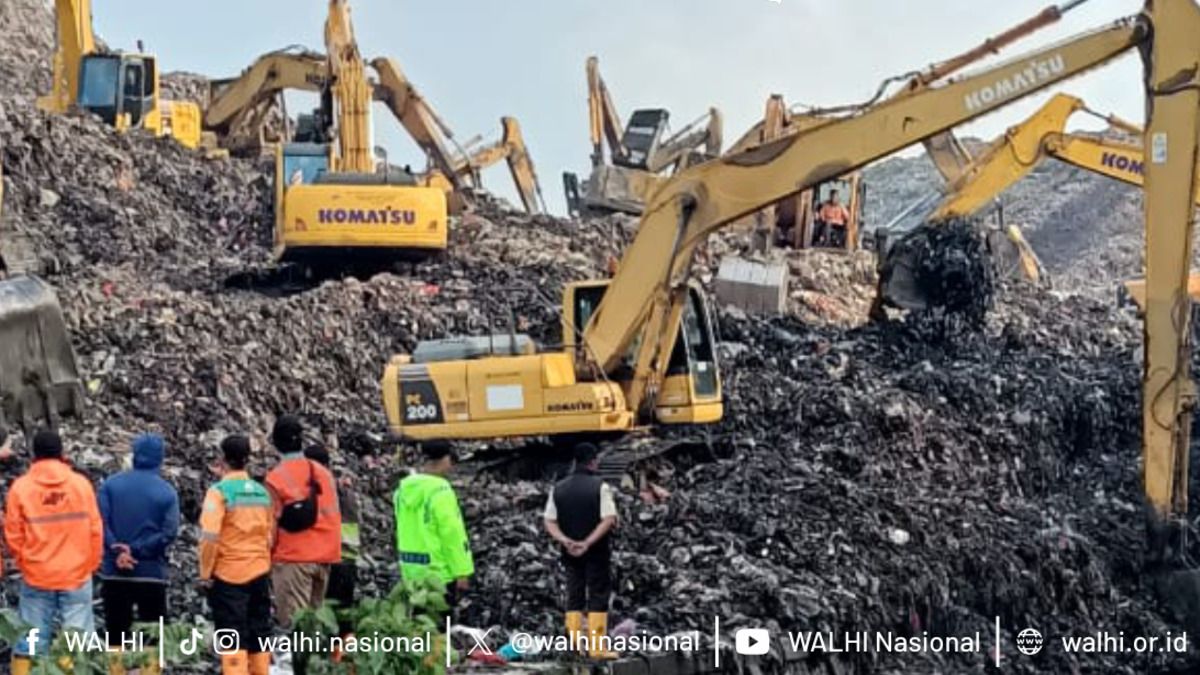
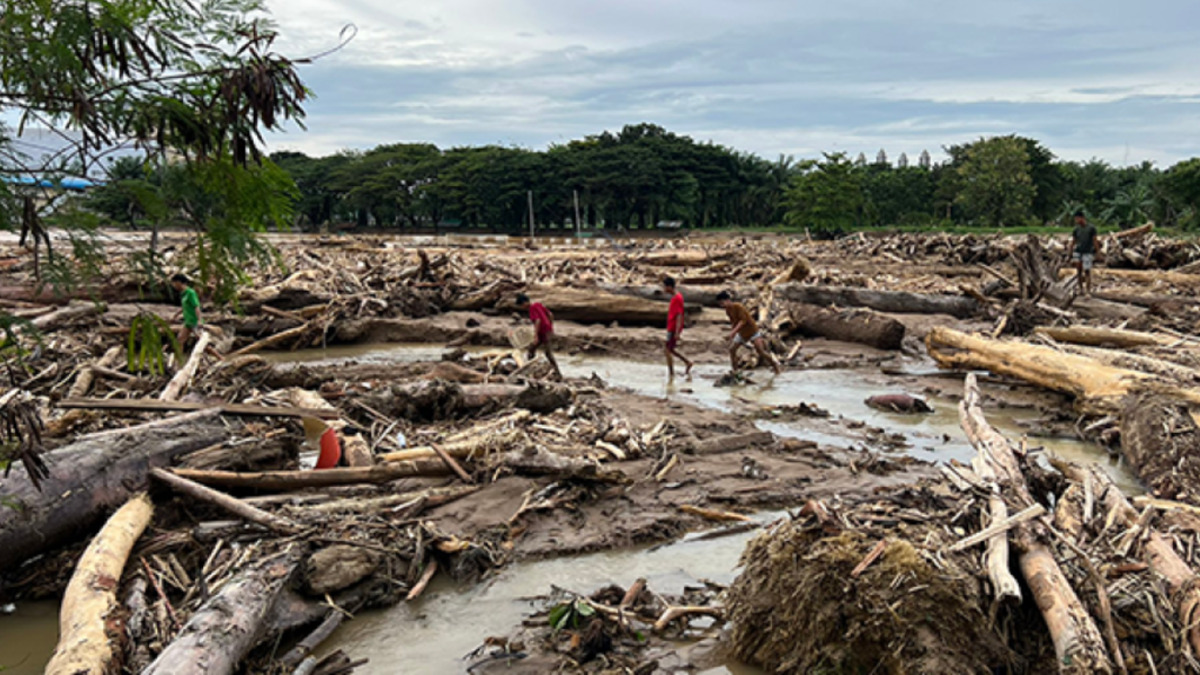
Indonesia’s disaster agency has reported that fatalities from flash floods and landslides in parts of Sumatra have risen to 1,135, with nearly half a million people still displaced across three provinces.
- Indonesia’s disaster agency said at least 1,135 people have died from flash floods and landslides across three Sumatran provinces.
- Nearly 490,000 residents remain displaced, with more than 170 still reported missing.
- Authorities are prioritising repairs to damaged infrastructure and housing as emergency assistance continues.
Indonesia’s National Disaster Mitigation Agency (BNPB) has reported a further rise in fatalities from flash floods and landslides that struck parts of Sumatra late last month, underscoring the scale of one of the country’s deadliest disaster episodes in recent years.
According to data published on BNPB’s official website on Friday, 26 December 2025, at 9.40 a.m. local time, the confirmed death toll across Aceh, North Sumatra and West Sumatra has reached 1,135. A total of 489,600 people remain displaced, while 173 others are still reported missing.
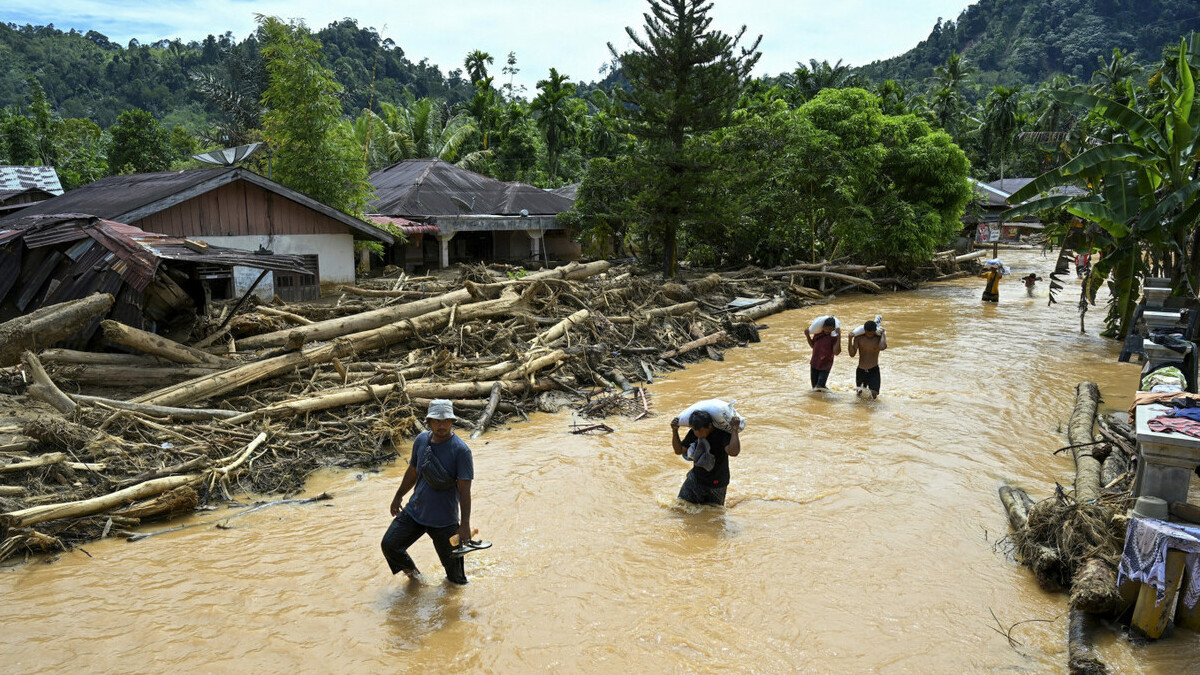
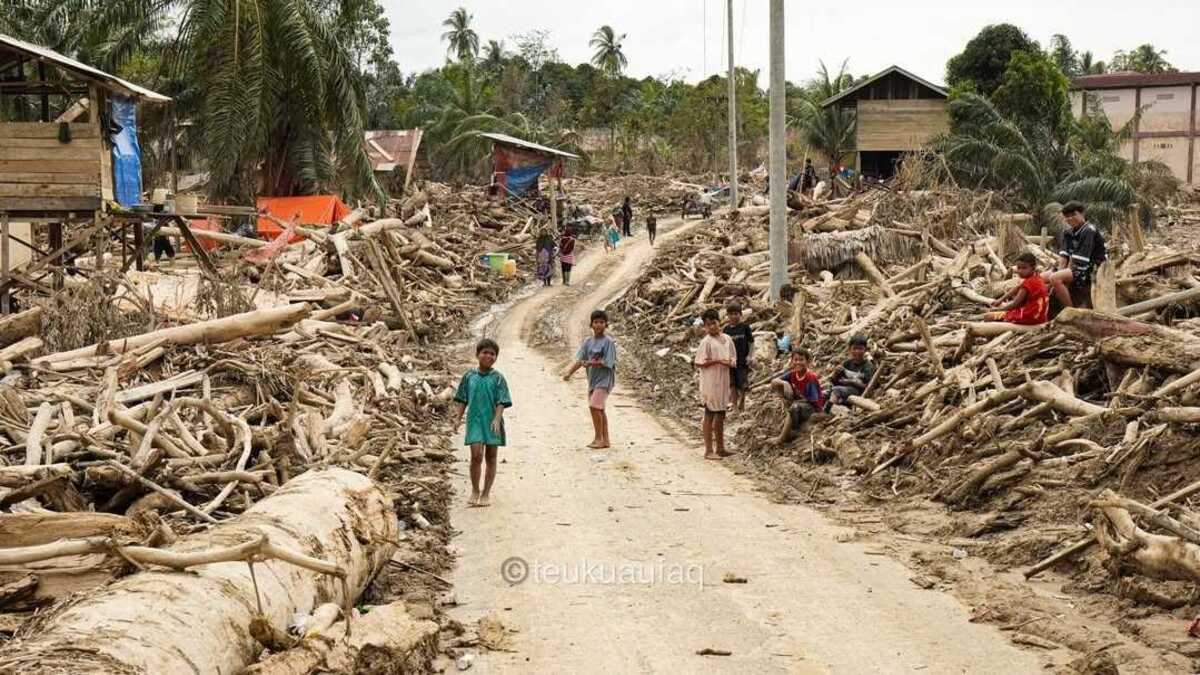
BNPB said casualties have been recorded in 52 regencies and municipalities across the three provinces. In addition to the loss of life, the agency documented extensive damage to housing, with 157,838 homes affected. Of these, 77,397 sustained minor damage, while the remainder suffered moderate to severe destruction.
North Aceh recorded the highest number of fatalities, with 205 deaths.
Other areas with significant death tolls include Agam Regency in West Sumatra (191), Central Tapanuli in North Sumatra (133), and Aceh Tamiang and South Tapanuli, each reporting 88 deaths. Further fatalities were recorded in East Aceh (57), Sibolga (55), Bireuen (38), North Tapanuli (36) and Padang Pariaman (35).
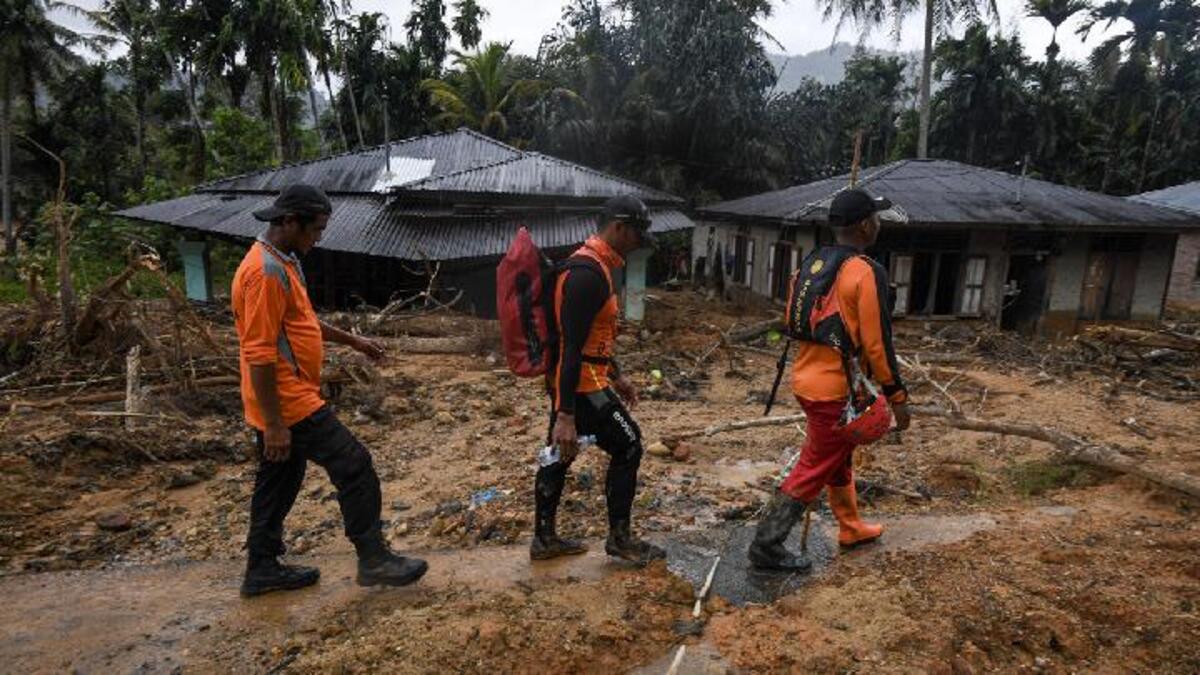
BNPB cautioned that the figures for deaths, missing persons and displaced residents may continue to change as search-and-rescue operations and data verification efforts progress, particularly in remote and heavily damaged areas.
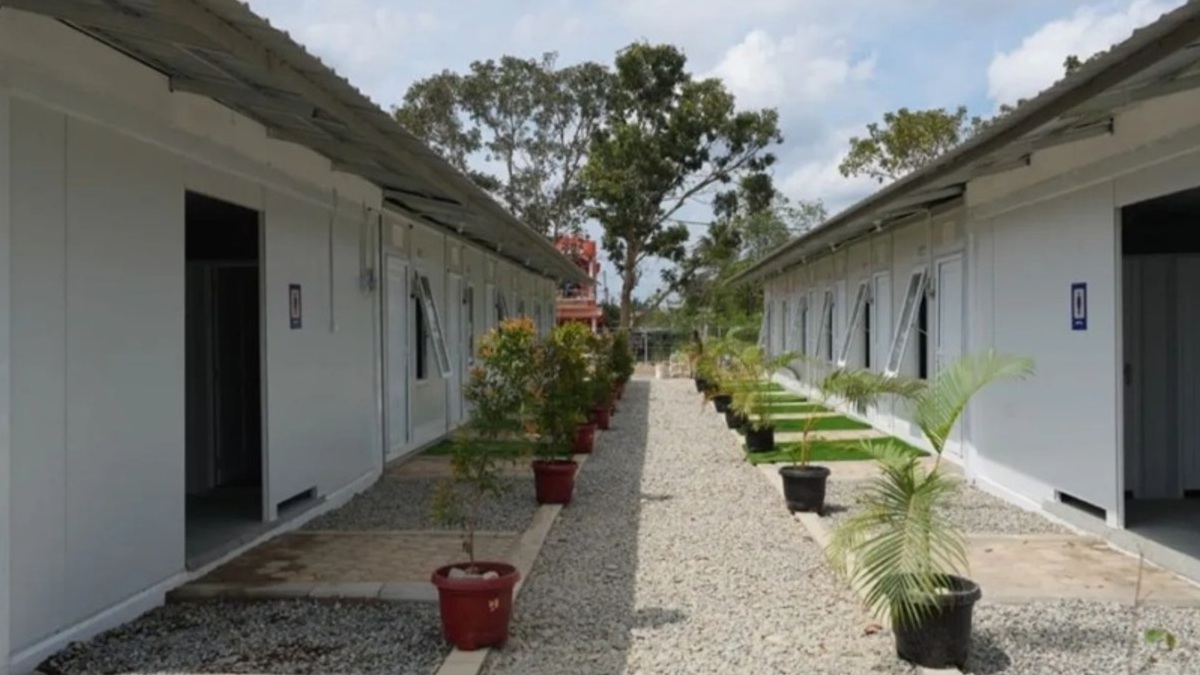
The government, the agency said, is currently prioritising the repair of damaged public facilities, including roads, bridges and schools, while accelerating the construction of temporary shelters and permanent housing for affected communities.
Emergency assistance and logistics distribution are ongoing as authorities seek to stabilise conditions for hundreds of thousands of survivors still living in displacement camps.
Environmental lawyers link Sumatra disasters to licensed deforestation
Environmental lawyers in Indonesia have accused the government of enabling large-scale forest destruction through state-issued permits, arguing that the deadly floods and landslides that have swept across Sumatra since late November were intensified not only by illegal logging, but also by deforestation carried out legally under government licences.
The Indonesian Environmental Law Association (PHLI) said hydrometeorological disasters in Aceh, North Sumatra and West Sumatra cannot be separated from decades of forest exploitation sanctioned by the state.
“The deforestation that triggered flash floods and landslides in Sumatra was not only caused by illegal logging, but also by legal logging based on permits,” PHLI representative Edra Satmaidi said during an online press conference on 22 December 2025.
He said central and regional governments continue to issue forest utilisation licences despite weak monitoring and enforcement, allowing extensive land clearance that reduces the land’s capacity to absorb heavy rainfall.
Communities living near forest areas, Edra added, often bear the heaviest impacts while their rights are routinely overlooked.
PHLI urged the government to declare the ecological crisis in Sumatra a national disaster, impose a moratorium on forest permits, and conduct a comprehensive review of licences linked to extractive industries.
While welcoming the government’s plan to revoke at least 22 problematic forest-related business permits nationwide — covering more than one million hectares, including significant areas in Sumatra — the group warned that permit revocations alone would not address deeper policy failures.
“Law enforcement does not erase the government’s responsibility for deforestation that has already occurred,” Edra said, as environmental groups continued to warn that forest degradation, combined with intensifying extreme weather driven by climate change, is amplifying disaster risks across Indonesia.