
Aceh extends disaster emergency as floods and landslides leave hundreds of thousands stranded
Aceh has extended its disaster emergency status until early January as floods and landslides continue to isolate communities, strain public services and draw growing criticism over the pace of the government response.
- Aceh has extended its hydrometeorological disaster emergency status until 8 January 2026, marking the second extension since floods and landslides struck in November.
- Authorities are prioritising humanitarian logistics, health services, education and infrastructure repair, but many areas remain isolated.
- Civil society groups and experts have criticised delays and warned the crisis could deepen without faster, coordinated action.
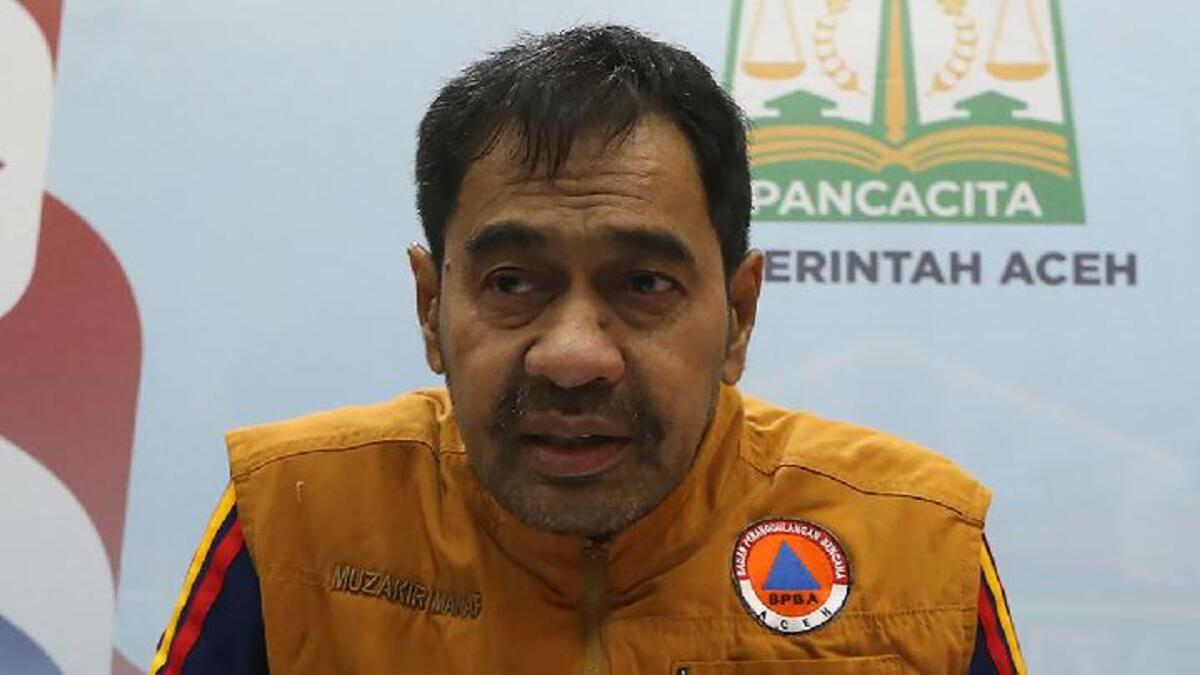
INDONESIA: Aceh Governor Muzakir Manaf has extended the province’s hydrometeorological disaster emergency response for a further 14 days, as large parts of Aceh remain paralysed by the aftermath of floods and landslides that struck in November, triggering one of the most severe humanitarian crises in the region in years.
The emergency status, which was due to expire on 25 December 2025, will now remain in effect until 8 January 2026. The decision marks the second extension since the disaster began and reflects continuing disruptions to basic services, widespread displacement and slow recovery in many districts.
“As the Governor of Aceh, I have determined the extension of the 2025 hydrometeorological disaster emergency status for the next 14 days, from 26 December to 8 January 2026,” Manaf — widely known by his nickname, Mualem — said in a video statement posted to his official Instagram account on Friday.
Prolonged emergency as recovery lags
Manaf said the extension followed updated field assessments and formal requests from regencies and municipalities across Aceh, many of which remain cut off or partially isolated.
The decision was coordinated with the central government during an emergency management meeting held on 25 December, attended by Coordinating Minister for Human Development and Culture Pratikno, senior officials from the Ministry of Home Affairs and the head of the National Disaster Mitigation Agency (BNPB).
Aceh government spokesperson Muhammad MTA said the decision was the outcome of a Regional Leadership Coordination Forum (Forkopimda) meeting that reviewed analyses from the Emergency Response Command Post, combined with virtual consultations with all affected local governments on 23 December and a joint assessment with BNPB chief Suharyanto.
During the extended emergency period, provincial authorities have been instructed to intensify response efforts rather than transition prematurely to recovery.
Logistics, health and education under strain
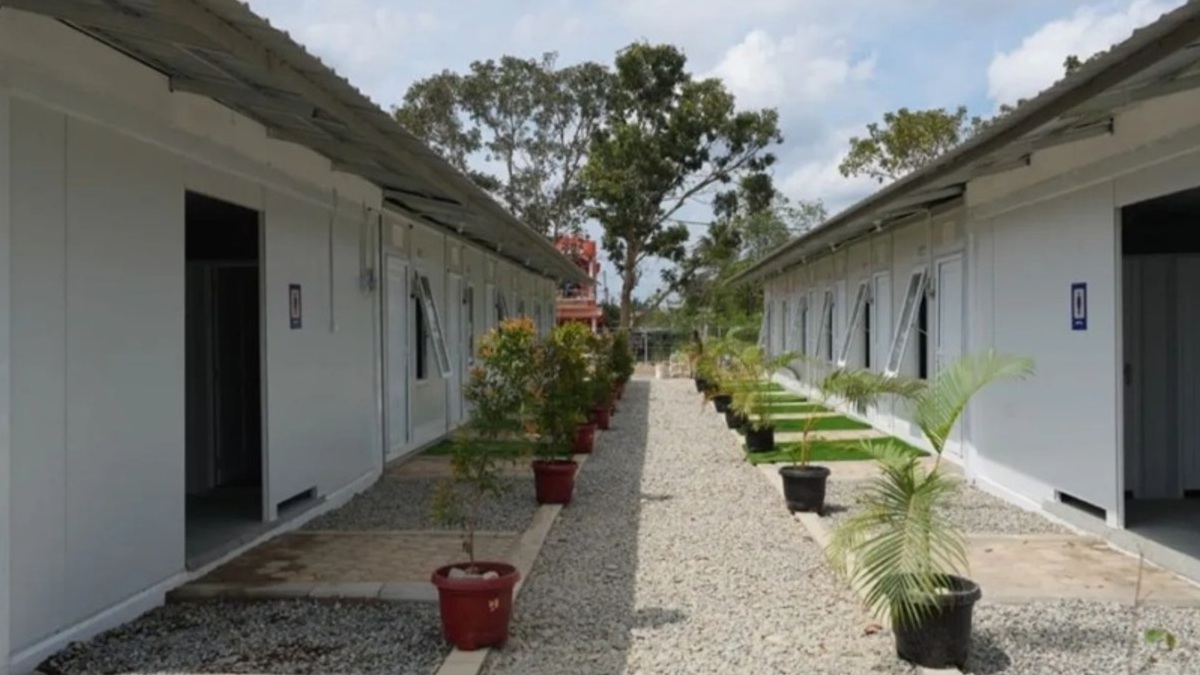
Manaf ordered all Aceh Regional Work Units (SKPA) to prioritise five key areas, beginning with accelerating the delivery of humanitarian aid to remote and isolated communities. Assistance must reach not only people sheltering in evacuation centres but also those who remain in damaged or flooded homes.
He stressed that displaced people’s basic rights — including food, water, shelter and health care — must be fulfilled in accordance with human rights standards. All hospitals and community health centres (puskesmas) have been ordered to resume operations, while mobile health posts are to be set up in areas that remain difficult to access.
Education services are also expected to restart within the next two weeks. The provincial government has instructed agencies to supply uniforms, shoes and school equipment to ensure children can return to class despite the destruction of homes and schools.
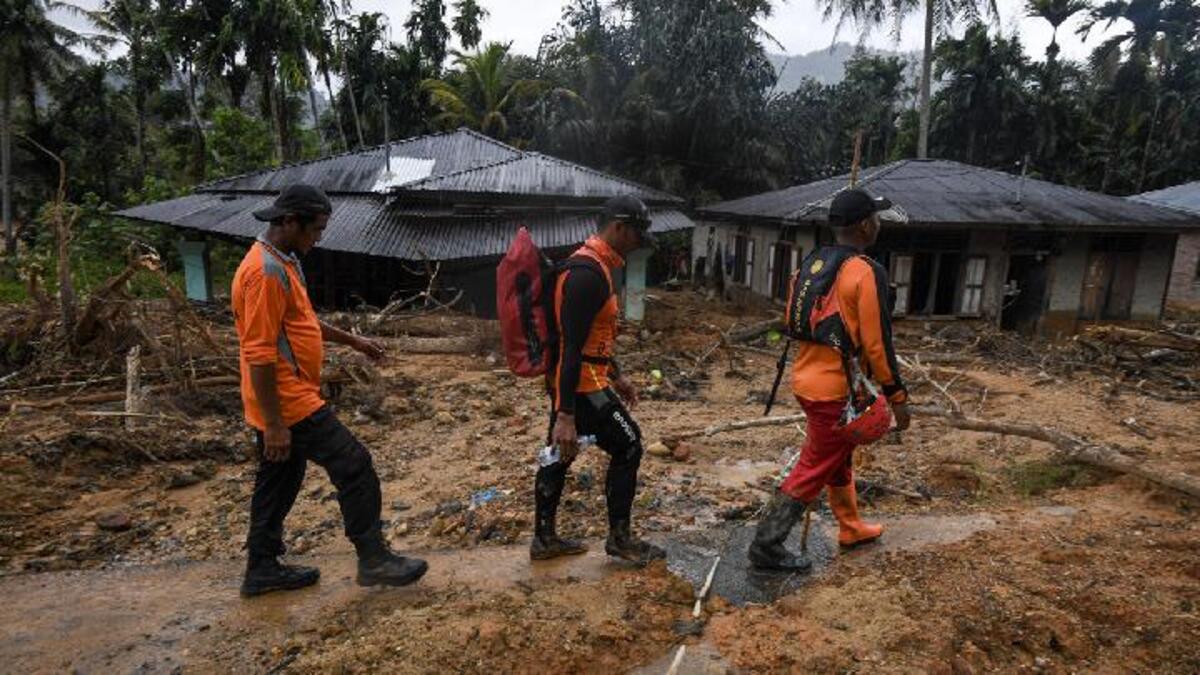
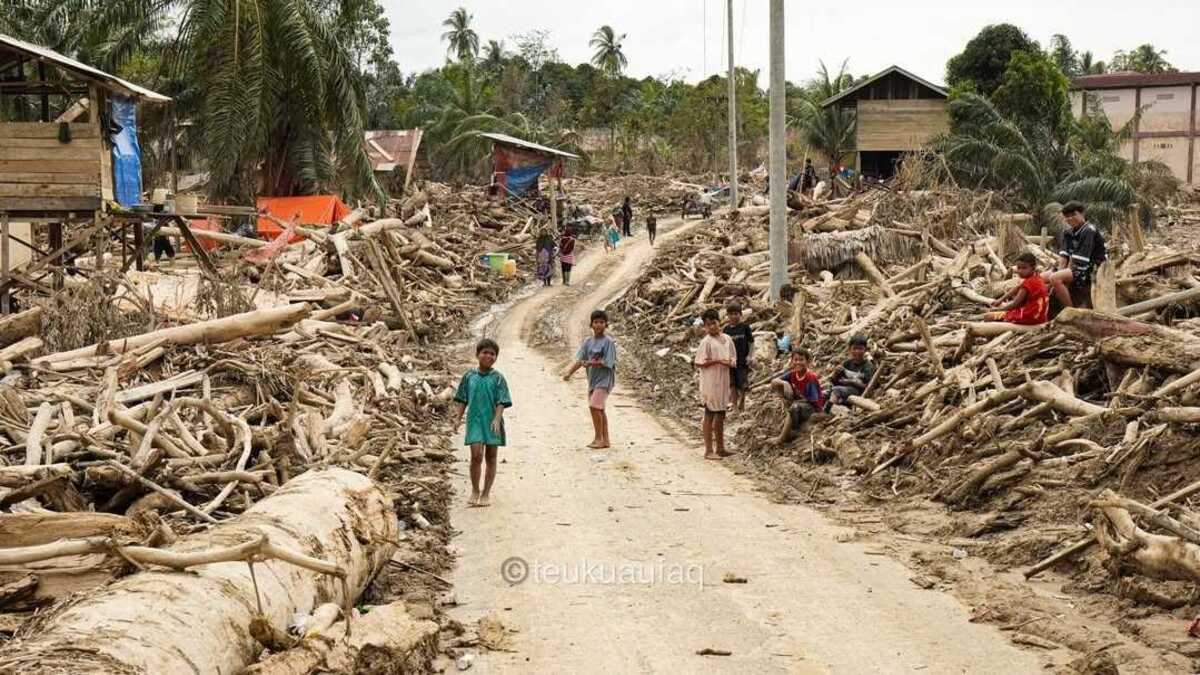
Infrastructure repair has been placed alongside humanitarian response. Agricultural agencies, for example, have been told to focus on rehabilitating flood-damaged rice fields, while other departments are expected to begin clearing debris and repairing roads, bridges and irrigation systems.
Communities still isolated
Despite these directives, humanitarian groups warn that conditions on the ground remain dire. Indonesian Disaster Management Society (MPBI) chairperson Avianto Amri said volunteer reports over the past week show that several areas, particularly in Central Aceh and Gayo Lues, remain cut off by damaged roads and landslides.
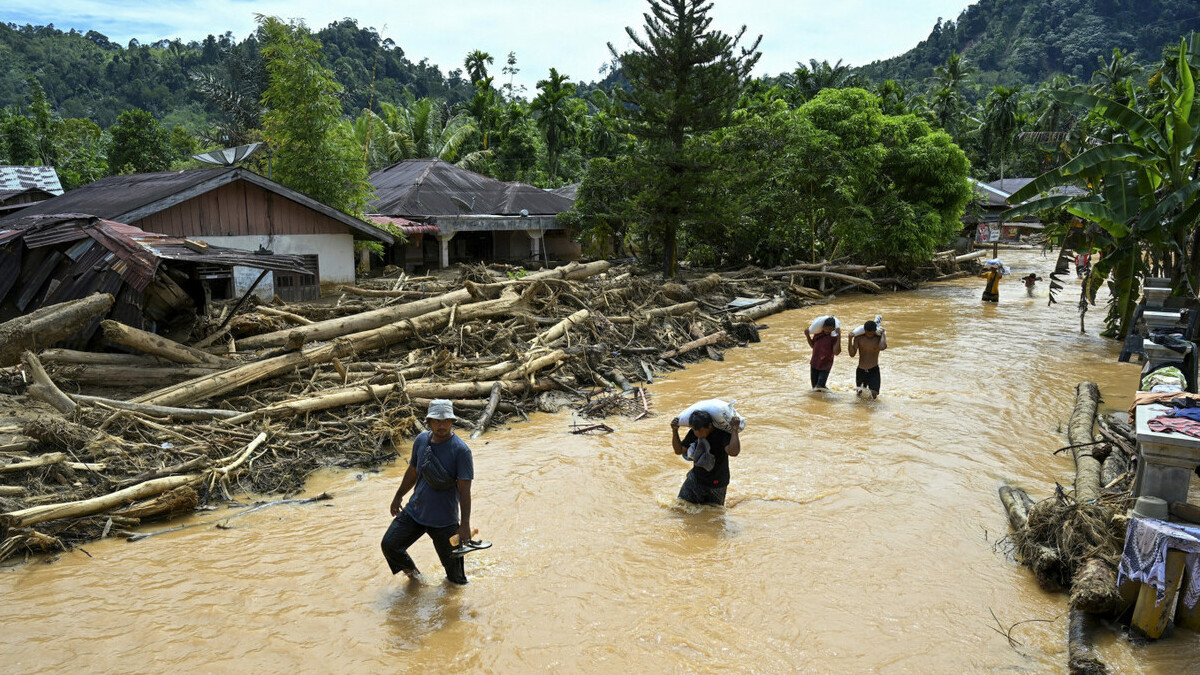
Dozens of villages in Pidie Jaya are still underwater following a second wave of flooding on 24 December, he said. “Many people still need basic services, such as food supplies, clean water, shelter and essential health services,” Avianto said.
Fuel and cooking gas shortages persist in some districts. In Central Aceh, queues at petrol stations remain long. Although electricity was restored about five days ago, the power supply has only stabilised over the past 48 hours.
Growing criticism over government response
The extended emergency comes amid mounting criticism from civil society groups over what they describe as a slow and poorly coordinated response. The Aceh branch of the Anti-Corruption Movement, Gerakan Anti Korupsi Aceh (GeRAK), said bureaucratic delays and weak budget mobilisation had undermined rescue and recovery efforts in the critical early weeks of the disaster.
GeRAK coordinator Askhalani said that despite detailed damage data being available by the end of November — showing more than 526,000 people affected, nearly 293,000 displaced, and hundreds of bridges and roads paralysed — large-scale action was slow to materialise.
“These figures are not merely statistics; they are operational instructions to save lives in 1,652 affected villages,” Askhalani said. He criticised delays in budget rationalisation, noting that spending cuts were only formalised on 3 December, while reallocation through the regional financial system was completed as late as 18 December.
Although the provincial government has since approved an increase in emergency contingency funds (BTT) to Rp80 billion (about US$5.2 million), Askhalani warned that time was running out. “Administrative procedures must no longer be used as an excuse to allow people to continue suffering,” he said.
White flags of distress
Public frustration has become increasingly visible. In Aceh Tamiang Regency, residents affected by prolonged flooding raised white flags along sections of the Trans-Sumatra highway — a symbolic gesture they described as surrender amid worsening living conditions and delayed aid.
Villagers said they had endured weeks without clean water, stable electricity or reliable communication. “The white flag is a sign of our surrender — economy, aid, infrastructure — we need all of those things,” said Irwansyah, a resident of Aceh Tamiang.
The display drew national attention and highlighted the depth of hardship in inland areas, even as senior officials initially said they had yet to receive formal reports.
A crisis of unprecedented scale
Experts warn that the floods and landslides across Aceh and neighbouring provinces represent a disaster of unusual scale. Prof. Eko Teguh Paripurno, director of the Disaster Management Research Center at UPN Veteran Yogyakarta, said the impact may exceed that of the 2004 Aceh tsunami in terms of geographic reach and disruption.
Unlike the tsunami, which devastated coastal areas before waters receded, the current floods have left water lingering on land, cutting off roads and supply chains and isolating communities for weeks. “People die slowly because of isolation,” Paripurno said, warning of rising risks of food shortages, malnutrition and long-term economic collapse.
According to the latest BNPB data, floods and landslides across Aceh, North Sumatra and West Sumatra have killed more than 1,000 people, with over 200 still missing. Nearly half a million people remain displaced, the vast majority of them in Aceh.
As the extended emergency period begins, humanitarian groups and experts say the coming weeks will be critical. The challenge for authorities, they warn, is not only to deliver aid faster, but to demonstrate that large-scale, coordinated action can still prevent the crisis from deepening further.