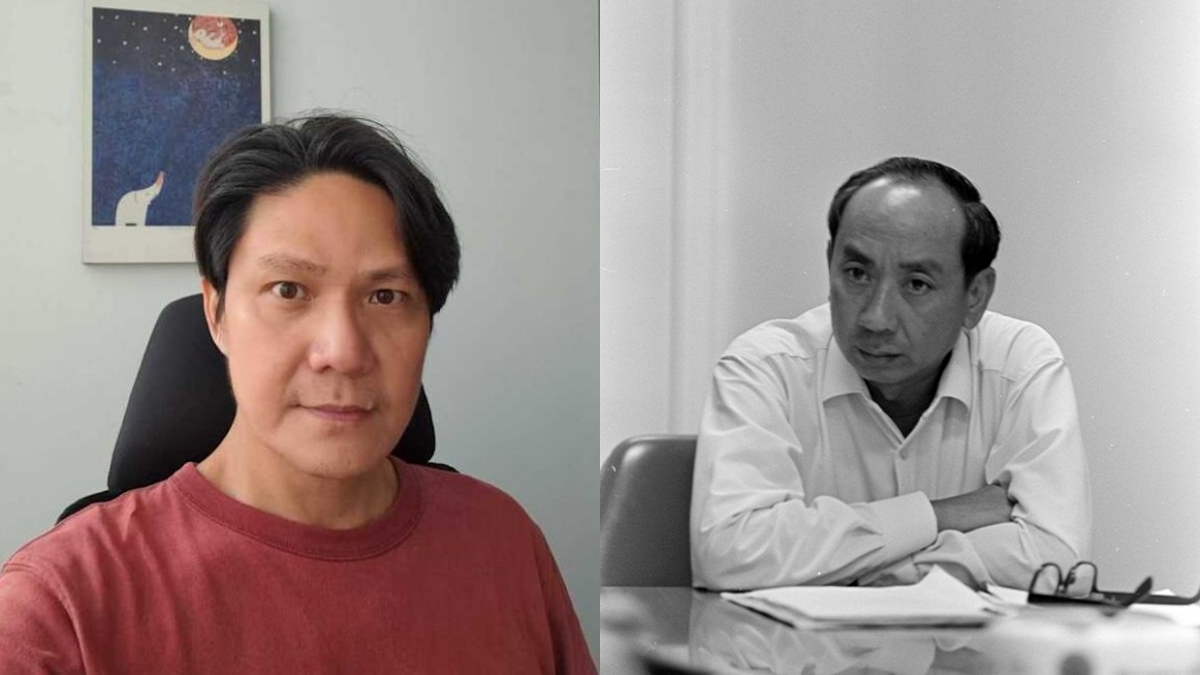
Prabowo urges unity and solidarity, cites Tharman story on Indonesian generosity
President Prabowo Subianto urged Indonesians to preserve unity and solidarity, citing a story shared by President Tharman Shanmugaratnam to highlight enduring generosity while reaffirming poverty reduction goals.
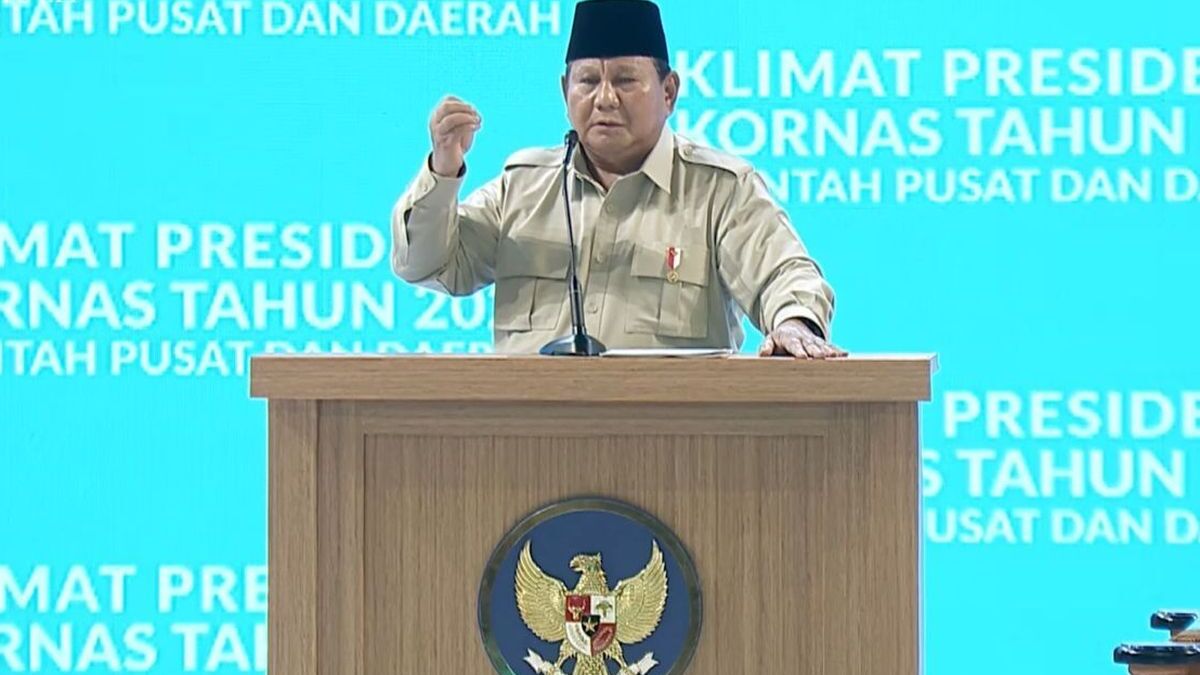
- President Prabowo Subianto urged unity and solidarity amid global uncertainty at a national coordination meeting in Bogor.
- He cited a story shared by President Tharman Shanmugaratnam to illustrate Indonesia’s enduring culture of generosity.
- Prabowo linked cultural values to poverty reduction goals and defended his government’s Free Nutritious Meals programme.
Indonesian President Prabowo Subianto on Monday urged Indonesians to preserve national unity and mutual solidarity in the face of growing global uncertainty, invoking a personal story shared by Singapore President Tharman Shanmugaratnam to illustrate what he described as the enduring generosity of ordinary Indonesians.
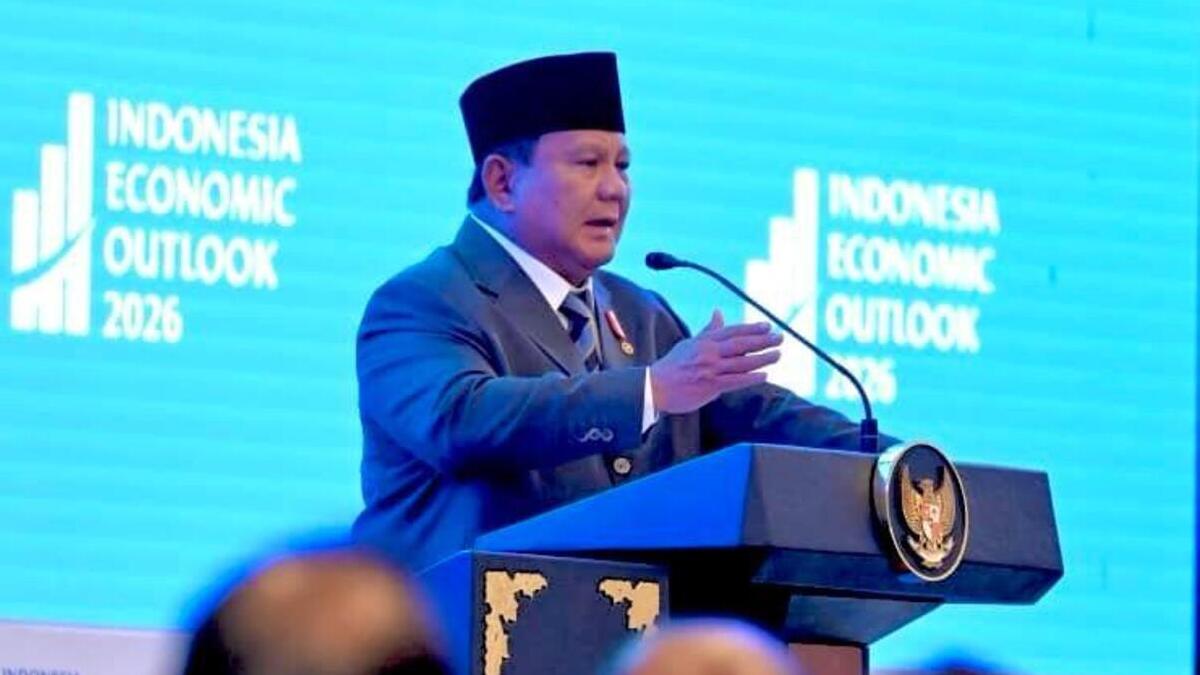
Speaking at the 2026 National Coordination Meeting of Central and Regional Governments in Sentul, Bogor Regency, Prabowo recalled how Tharman and his wife encountered unexpected kindness while travelling through South Sulawesi more than three decades ago.
According to Prabowo, the Singaporean leader recounted travelling across the Bugis region of South Sulawesi as a young backpacker during his honeymoon. The couple became lost amid heavy rain while walking through rice fields and were eventually helped by local residents.
A child from a nearby settlement guided them to his family’s home, where they were warmly welcomed despite the hosts’ limited means.
“The President of Singapore told me, ‘I cannot forget your people,’” Prabowo said. “They were extremely poor, but the food they had — rice with bananas — was first offered to their guests. This is the character of our nation.”
Tharman previously shared the episode publicly in August 2023, saying he and his wife, Jane Ittogi, had travelled across Indonesia for their honeymoon, including a stop in Batutumonga, South Sulawesi. After losing their way in bad weather, they were taken in by villagers who provided shelter and served them a simple meal.
“It was so touching. They had so little and they were so warm in wanting to make us feel at home,” Tharman said in a video recounting the experience.
Prabowo said the story reflected a broader national trait of hospitality, adding that Indonesians often welcome guests and share what little they possess even when facing hardship themselves.
He added that he witnessed similar generosity during his early career as a young military officer, when residents in remote regions frequently offered food or assistance to soldiers despite their own economic difficulties.
However, the President said such stories also served as a reminder that poverty remains a challenge in many parts of Indonesia, and that economic development has not yet benefited all citizens equally.
“Many of our people still live with very limited means. That is our responsibility to address,” Prabowo told regional leaders and government officials attending the meeting.
He urged political elites, bureaucrats and business leaders to focus on improving living standards across the archipelago and to set aside political rivalries in pursuit of national welfare.
“Win or lose in elections, we must still serve the people,” he said, adding that his government would work with regional administrations regardless of party affiliation.
Poverty Reduction and Economic Goals
Prabowo’s remarks followed his address at the World Economic Forum in Davos in January, where he said Indonesia’s extreme poverty rate had reached its lowest recorded level and pledged to eliminate extreme poverty entirely within four years.
He reiterated in Sentul that improving welfare — rather than achieving global economic rankings — remains the government’s central objective.
“Our goal is not simply to become one of the richest countries,” Prabowo said. “Our goal is to ensure our people live with dignity — with sufficient food, education, healthcare and employment.”
Defence of Free Meals Programme
The President also used the forum to defend his administration’s flagship Free Nutritious Meals programme, known locally as Makan Bergizi Gratis (MBG), which aims to provide meals for schoolchildren, pregnant women and vulnerable communities.
Prabowo said the programme had already reached around 60 million beneficiaries within its first year and was creating employment through thousands of community kitchens nationwide.
The government aims to expand coverage to 82 million people by December 2026, supported by more than 22,000 kitchens operating across the country.
If fully implemented, the initiative could generate between three and five million jobs, according to government estimates.
Prabowo dismissed criticism of the scheme as politically driven and cited international studies showing that school meal programmes deliver strong long-term economic returns through better nutrition and improved educational outcomes.
“Our people need jobs,” he said. “If we only shout and criticise, jobs will not be created. Through this programme alone, we have created one million jobs.”
Call for Leadership Accountability
Closing his remarks, Prabowo stressed that leadership must be measured through tangible action rather than political rhetoric.
“We often say we serve the people,” he told attendees. “But serving is not easy. We must prove it.”