Polling indicates high approval for Indonesian President Prabowo despite worsening rights and inequality
President Prabowo Subianto’s approval rating remains close to 80 per cent after one year in office, but critics warn that economic pressures, environmental disputes and human rights concerns pose growing challenges.
- President Prabowo Subianto retains an approval rating of nearly 80 per cent after his first year in office, surpassing predecessors at a similar stage.
- Strong public support coexists with rising criticism over economic inequality, environmental governance, human rights and social welfare delivery.
- Civil society groups warn that policy choices and legal reforms risk undermining democratic space and protection for vulnerable communities.
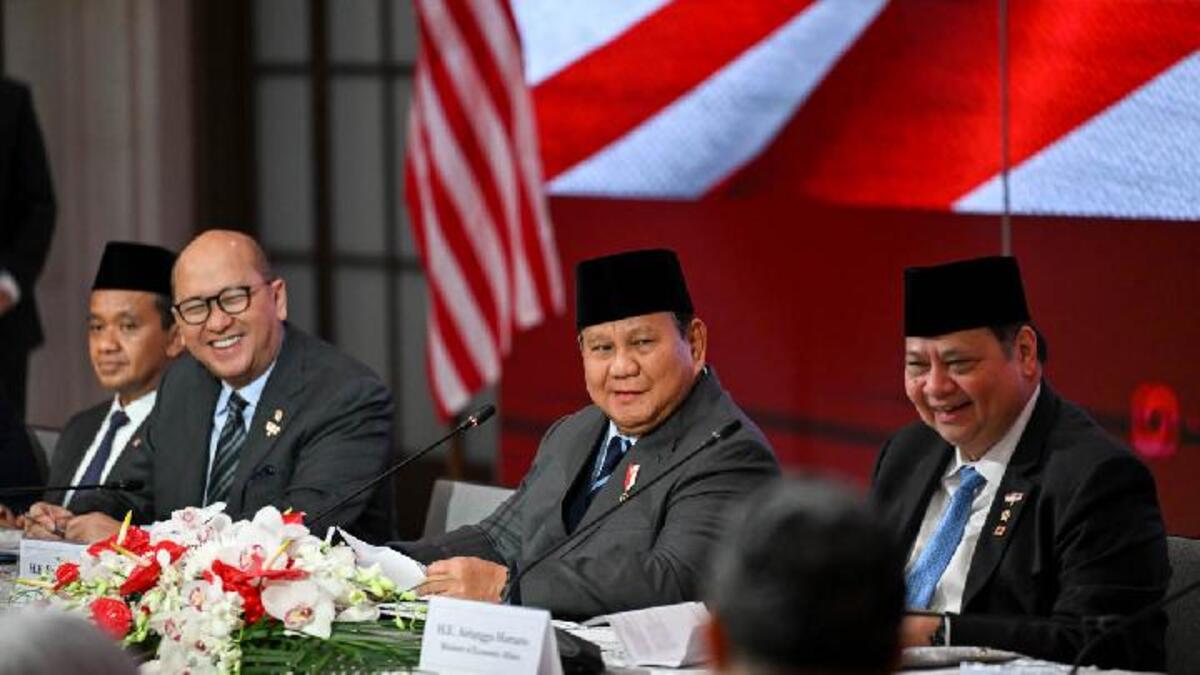
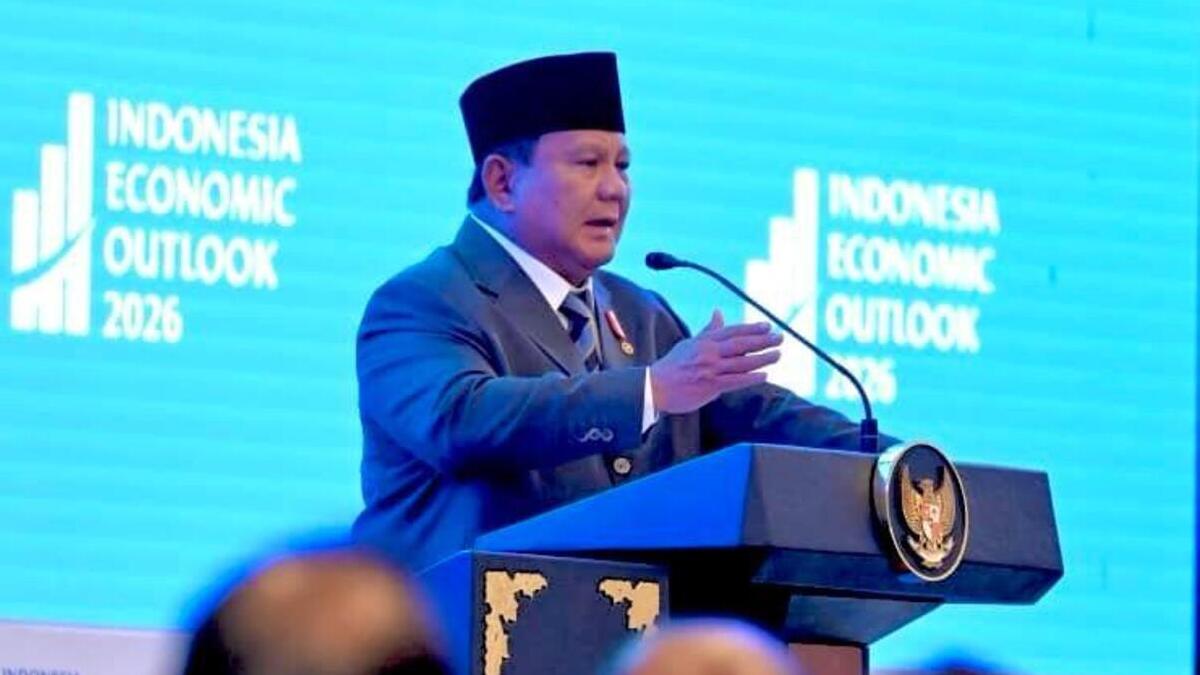
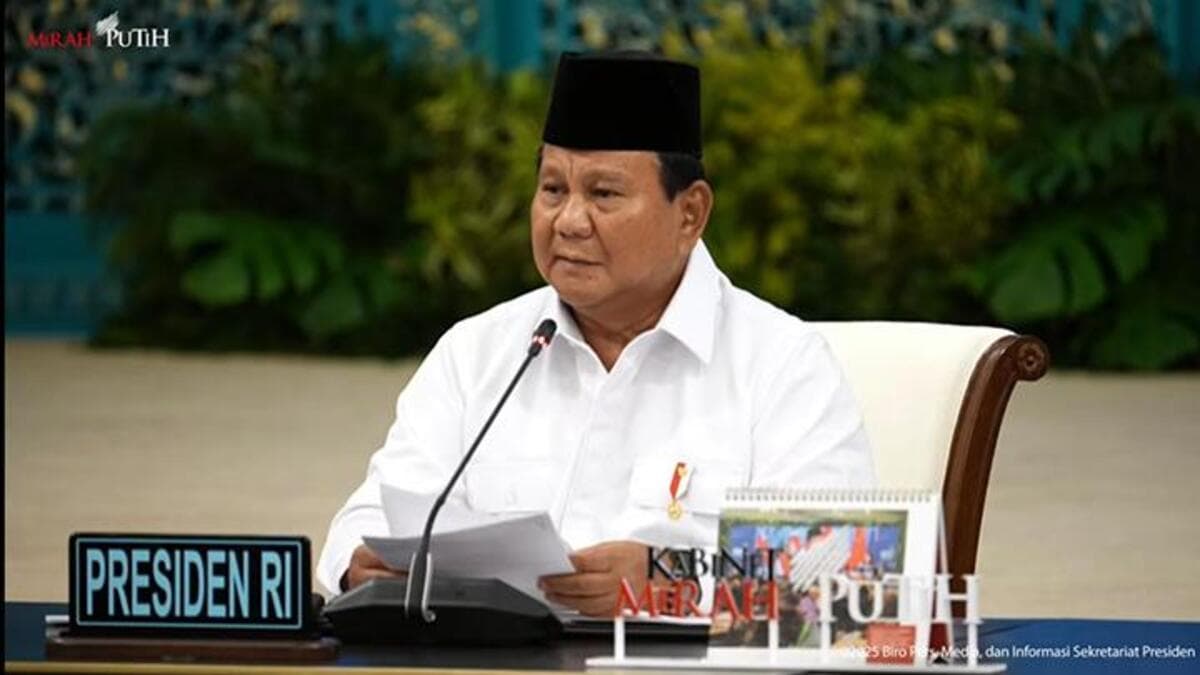
INDONESIA: Public satisfaction with Indonesian President Prabowo Subianto remains strikingly high as he completes his first year in office, according to new polling data.
Yet this apparent political strength is unfolding alongside mounting criticism from civil society groups and international observers over environmental governance, human rights, social welfare delivery and economic inequality.
A survey released on 8 February 2026 by Jakarta-based pollster Indikator Politik Indonesia found that nearly four out of five Indonesians approve of the president’s performance.
The figure places Prabowo ahead of his predecessors at a similar stage in their administrations, even as economic pressures, disaster recovery challenges and social concerns continue to shape the national landscape.
The results underline both the president’s enduring popularity and the increasingly complex debate surrounding his leadership.
Approval rating outpaces predecessors
The survey, conducted between 15 and 21 January using face-to-face interviews with 1,220 voters across all provinces, recorded an overall approval rating of 79.9 per cent.
Of these respondents, 13 per cent described themselves as “very satisfied”, while 66.9 per cent said they were satisfied with the government’s performance.
However, nearly one-fifth of respondents — 19.3 per cent — expressed dissatisfaction.
Indikator’s Executive Director, Burhanuddin Muhtadi, noted that Prabowo’s early approval levels exceed those of former presidents Susilo Bambang Yudhoyono after the 2004 election and Joko Widodo following his first victory in 2014.
Analysts attribute this resilience partly to Prabowo’s ability to retain support from his own Gerindra Party base while also benefiting from the continued popularity of former president Joko Widodo, whose endorsement helped secure Prabowo’s election victory in 2024.
Survey respondents cited anti-corruption efforts, perceptions of strong leadership, social assistance programmes, security improvements and the nationwide Free Nutritious Meals programme as key factors driving satisfaction.
Economic anxieties persist
Economic pressures nevertheless remain the principal source of public discontent.
Respondents unhappy with the administration pointed to uneven distribution of government aid, difficulty in securing employment and rising living costs. More than 45 per cent believed the price of essential goods had risen compared with previous administrations.
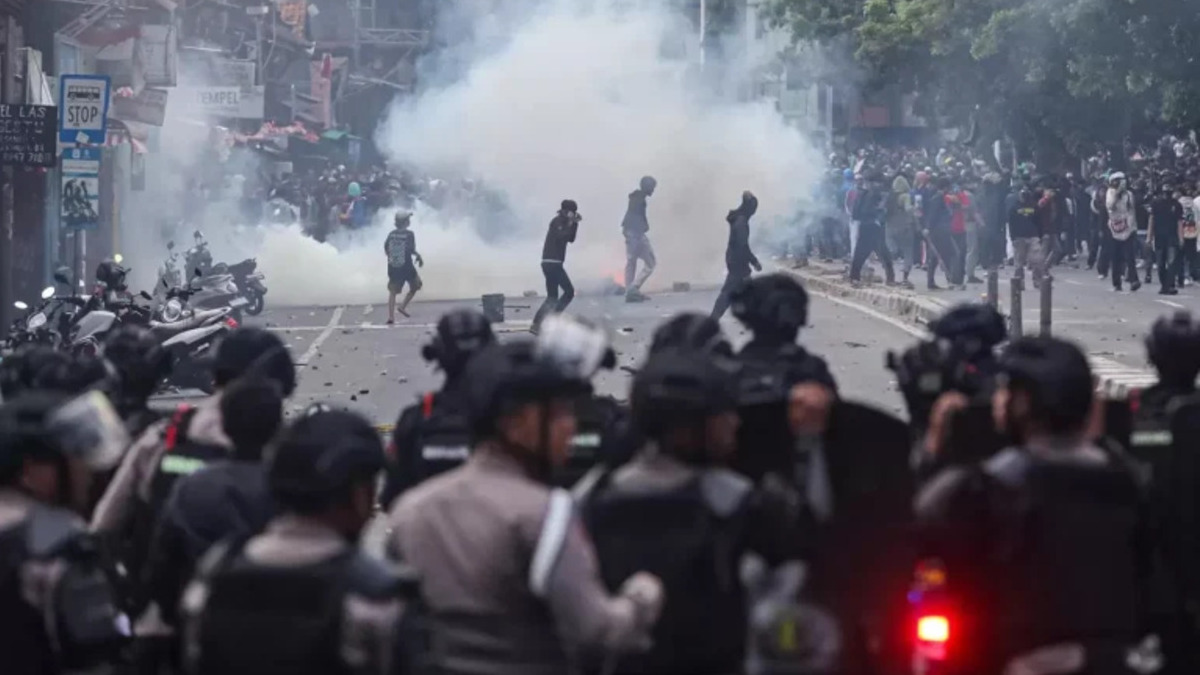
Indonesia’s economy, while still expanding, has shown signs of slowing amid global uncertainty and domestic fiscal pressures. Layoffs in several sectors, combined with concerns over purchasing power, have fuelled labour protests and student demonstrations during 2025, many of which ended with forceful dispersal by security personnel.
Balancing economic management with social welfare spending remains a major challenge for the administration as it attempts to maintain public support.
Free meal programme faces questions
Central to Prabowo’s social agenda is the Free Nutritious Meals programme, known locally as Makan Bergizi Gratis (MBG), aimed at improving child nutrition nationwide.
Launched in January 2025 across 26 provinces, the programme now serves tens of millions of children and is framed as a pillar of Indonesia’s long-term development ambitions.
However, independent evaluations and civil society organisations have raised concerns over implementation, targeting accuracy and food safety. Reports of food poisoning incidents affecting thousands of recipients, uneven distribution and doubts over nutritional impact have raised questions about effectiveness.
Critics also argue the programme’s massive budget allocation risks overshadowing spending on disaster mitigation, education infrastructure and healthcare, while government officials insist operational improvements are ongoing and that incidents represent a small fraction of meals served.
Environmental licensing row deepens scrutiny
Environmental governance has become another flashpoint following the government’s recent decision to revoke licences of 28 companies operating across Sumatra after catastrophic floods and landslides late last year.
President Prabowo announced the withdrawal of 22 forest utilisation permits and six licences in mining, plantation and timber sectors across Aceh, North Sumatra and West Sumatra, affecting more than one million hectares.
However, Indonesia’s Legal Aid Foundation network (LBH–YLBHI) argues that the move exposes long-standing failures in permit oversight rather than decisive reform. According to the organisation, several licences included in the announcement had already been revoked in 2022, meaning they were no longer valid before the disasters occurred.
“For licences revoked years ago to be announced again is illogical,” the network said, accusing authorities of creating the impression of swift action while avoiding responsibility for decades of weak regulation.
Civil society groups also warn that revoked concessions must not simply be reassigned to state-owned or military-linked companies without restoring ecosystems or recognising Indigenous land rights. Environmental campaigners have demanded transparent audits, rehabilitation of degraded forests and a moratorium on new licences in vulnerable regions.
Meanwhile, government lawsuits seeking compensation from several companies have also drawn criticism for targeting only a fraction of permit holders and lacking guarantees that funds would directly support victims or environmental recovery.
Disaster response fuels criticism
Late-2025 floods and landslides across Sumatra killed around 1,200 people and displaced more than 100,000 residents, with tens of thousands of homes damaged.
Environmental groups argue that widespread deforestation and poorly regulated land conversion worsened the disaster’s impact.
Civil society coalitions say intimidation against activists and commentators criticising the government’s disaster response signals shrinking space for dissent.
Officials reject accusations of negligence, emphasising emergency response operations and ongoing recovery efforts, including military-supported relief deliveries.
Human rights groups warn of democratic backsliding
Alongside environmental concerns, domestic and international human rights organisations warn of deteriorating civil liberties.
Amnesty International Indonesia described 2025 as a year marked by escalating repression, documenting thousands of arrests and injuries linked to protest dispersals and attacks against activists, journalists and Indigenous communities opposing development projects.
Legal reforms that took effect in early 2026 have further intensified concerns.
Rights groups argue provisions in Indonesia’s new Criminal Code and Criminal Procedure Code could criminalise criticism of state institutions and expand law-enforcement powers with insufficient judicial oversight.
Legal aid organisations warn these changes may encourage self-censorship among citizens wary of legal consequences for political expression.
Mental health emerges as a national concern
Another emerging policy challenge is mental health, particularly among children and young people.
Health Minister Budi Gunadi Sadikin recently told parliament that as many as 28 million Indonesians may be experiencing mental health problems, based on global prevalence ratios.
Official screening programmes, however, detect far fewer cases. Government data show fewer than one per cent of adults screened display symptoms of depression or anxiety, though rates are higher among children and adolescents.
Health authorities say this gap reflects stigma, limited access to services and low awareness, leaving many people untreated.
The government now plans to strengthen mental health services through community health centres to improve early detection and counselling access.
Child’s death exposes poverty gaps
Debate over welfare priorities intensified following the death of a ten-year-old boy in Ngada Regency, East Nusa Tenggara, who reportedly took his own life after his mother was unable to provide money for school supplies.
The incident shocked the nation, highlighting persistent poverty in remote regions where families struggle to afford basic education materials despite large national budgets for social assistance and education.
Human rights advocates argue the tragedy reflects structural poverty and failures in social protection systems.
Critics also question why major programmes such as MBG have yet to significantly benefit communities facing the deepest economic hardship.