Indonesia’s planned contribution to US-initiated Board of Peace triggers budget scrutiny
Indonesia’s plan to join the Board of Peace has sparked debate over whether up to US$1 billion in public funds should be committed amid budget deficits and domestic needs.
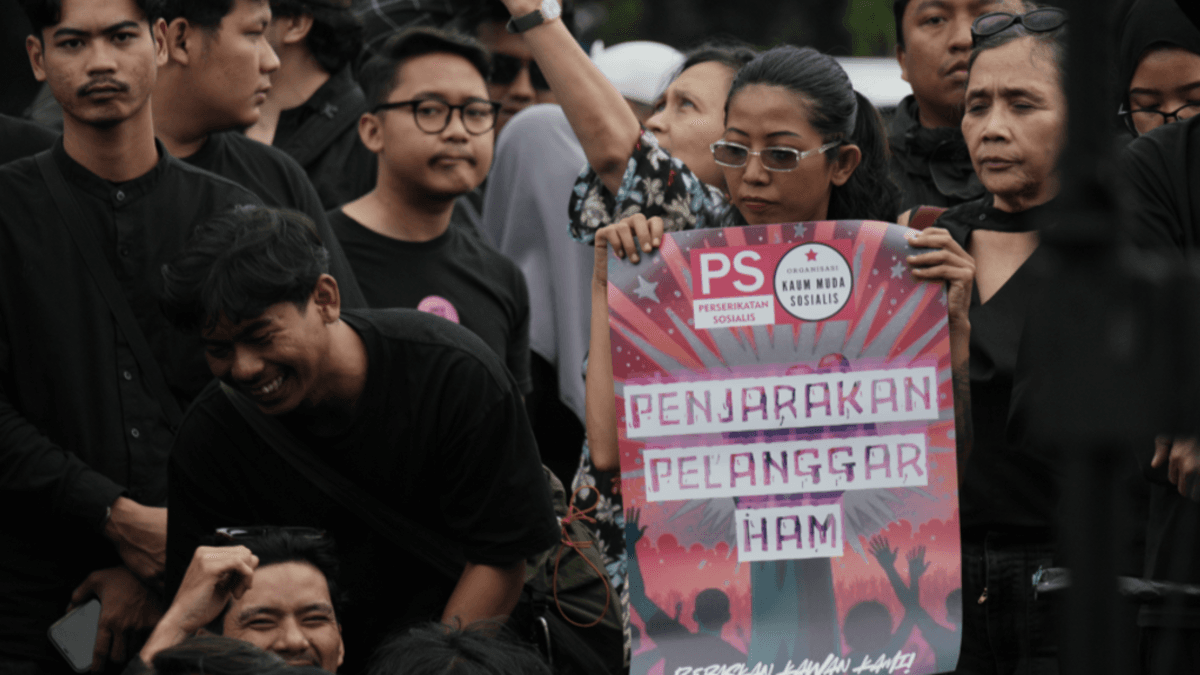
- Indonesia’s decision to join the US-initiated Board of Peace has shifted domestic debate towards funding and fiscal priorities.
- Senior officials indicate any contribution, widely cited at up to US$1 billion, would likely come from the State Budget.
- Lawmakers and civil society groups question transparency, accountability, and opportunity costs amid fiscal pressures.
Indonesia’s decision to join the United States-initiated Board of Peace (BoP) has shifted domestic debate away from diplomacy and towards a more immediate concern: where the money would come from, and whether the state can justify such spending amid mounting fiscal pressures.
Senior government officials have indicated that any Indonesian contribution to the Board of Peace—widely reported to be as much as US$1 billion, or around Rp16.7 trillion (approximately US$1 billion)—would most likely be drawn from the State Budget (APBN).
The prospect has triggered scrutiny from parliament, economists, and civil society groups, who question both the transparency of the decision-making process and the opportunity cost for domestic priorities.
State budget likely source, but no mandate yet
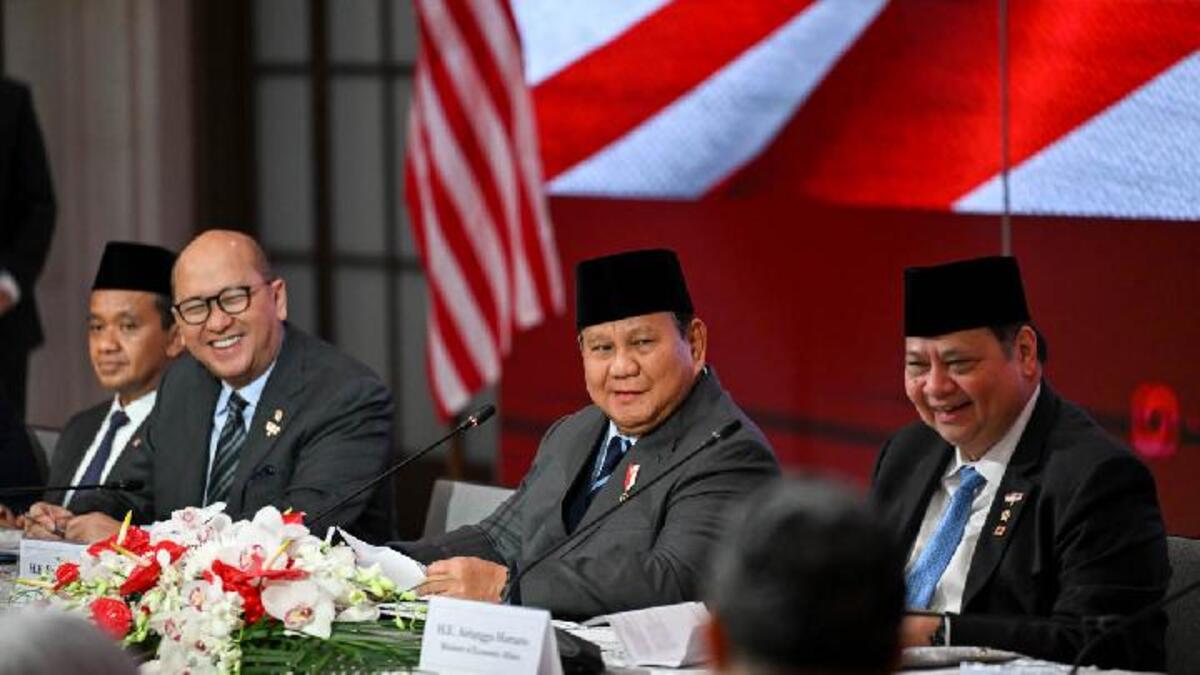
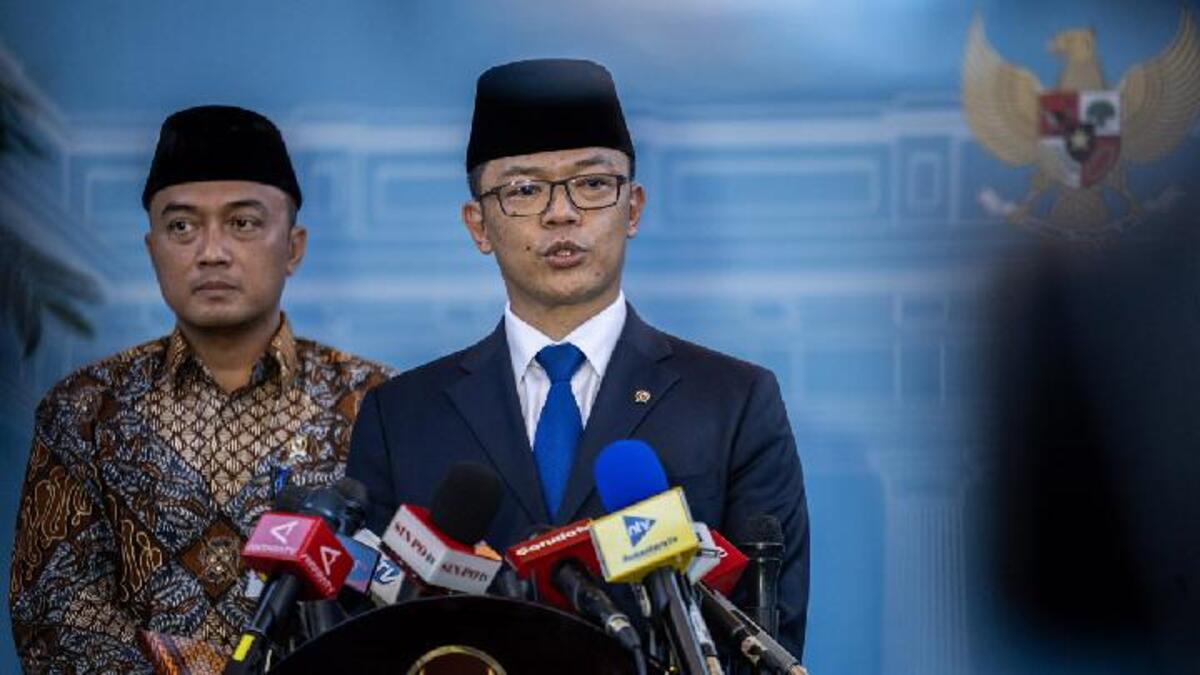
Finance Minister Purbaya Yudhi Sadewa acknowledged that the government has yet to decide formally how Indonesia’s contribution would be financed, but conceded that the APBN would probably bear the burden if President Prabowo Subianto issues a mandate.
“We haven’t discussed it yet,” Purbaya said at the Presidential Palace in Jakarta on Wednesday, 28 January 2026. “But at some point the President will assign the task to me. I think most of it will also come from the budget, from the APBN.”
His remarks confirmed fears that the funding would rely on public finances at a time when Indonesia is still grappling with post-disaster recovery in several regions, persistent budget deficits, and rising debt servicing costs. No detailed explanation has yet been provided on whether the funds—amounting to Rp16.7 trillion (around US$1 billion)—would be reallocated from existing programmes or financed through additional borrowing.
Government: contribution is voluntary, not a fee
Foreign Minister Sugiono has repeatedly stressed that the US$1 billion figure should not be interpreted as a compulsory membership fee. Speaking after a closed-door meeting with Commission I of the House of Representatives (DPR), he said the contribution is voluntary and intended for humanitarian and reconstruction efforts in Gaza.
“This is not a membership fee,” Sugiono said. “If we look at the chronology, the formation of the Board of Peace is an effort to address the situation in Gaza, including reconstruction. Then the question is: who pays for the reconstruction? Where do the funds come from?”
According to Sugiono, participating countries would be granted three-year membership terms, and those that make substantial voluntary contributions—often cited at up to US$1 billion—could become permanent members. He also reaffirmed Indonesia’s long-standing support for Palestinian independence within the framework of a two-state solution.
A decision with fiscal consequences
Despite these assurances, the absence of a clear fiscal roadmap has fuelled unease in parliament and among policy observers. Lawmakers have warned that committing such a large sum without transparent budgeting could undermine parliamentary oversight of public spending.
Critics argue that even a “voluntary” contribution of this scale cannot be separated from its fiscal impact. At roughly Rp16.7 trillion (about US$1 billion), the amount rivals or exceeds annual budgets for key social programmes in education, healthcare, and poverty alleviation—areas that many see as more urgent national priorities.
Prabowo’s decision to join the Board
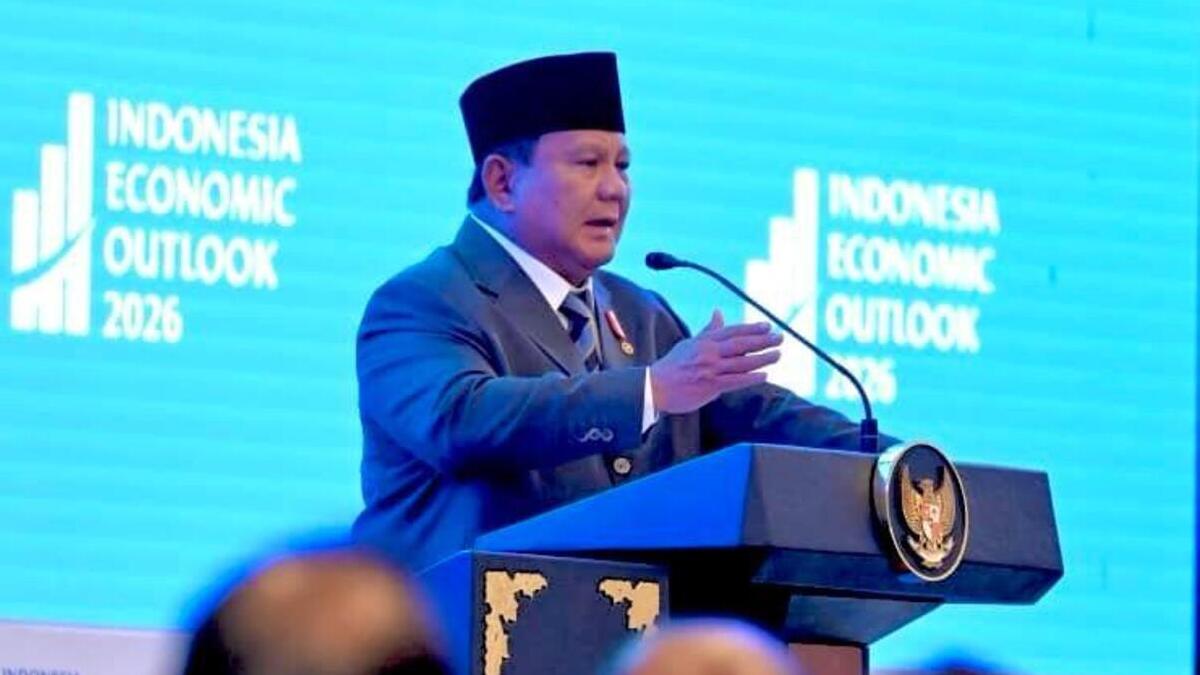
Indonesia’s participation in the Board of Peace was formalised after Prabowo signed the BoP Charter during the World Economic Forum in Davos, Switzerland, in January 2026. The move was taken at the presidential level and later communicated to relevant ministries, including finance and foreign affairs.
Speaking in Davos, Prabowo framed his decision as a humanitarian imperative and a strategic choice. He described the Board of Peace as a “historic opportunity” and argued that Indonesia should not remain on the sidelines while Gaza faces humanitarian devastation. According to the President, participation would allow Indonesia to influence post-conflict stabilisation and reconstruction efforts from within, rather than merely issuing diplomatic statements from outside the process.
However, critics note that the decision was made without prior parliamentary debate or public consultation, despite its potentially significant fiscal implications—particularly given the US$1 billion scale of the proposed contribution.
What is the Board of Peace?
The Board of Peace is an international forum initiated by former US president Donald Trump as part of what has been described as a Comprehensive Plan to End the Gaza Conflict, often referred to as a 20-Point Roadmap. The initiative focuses on stabilisation, governance, and post-conflict reconstruction in Gaza.
The BoP has received political backing through United Nations Security Council Resolution 2803 (2025), which also refers to the creation of a technocratic and non-political governance mechanism for Gaza, known as the National Committee for the Administration of Gaza (NCAG). Nevertheless, the Board of Peace itself is not a formal UN body, a distinction that has become central to the controversy surrounding it.
Under the concept promoted by its initiators, participating countries are invited to contribute financially to reconstruction efforts. Those making substantial contributions—frequently cited as up to US$1 billion per country—would gain permanent membership status, while others would hold time-limited memberships.
YLBHI: misuse of public funds and erosion of accountability
The sharpest criticism has come from the Legal Aid Foundation of Indonesia (YLBHI), which has framed Indonesia’s participation in the Board of Peace as both a fiscal and moral misstep.
In a press release, YLBHI condemned the potential use of Rp16.7 trillion (approximately US$1 billion) from the APBN to support what it described as a forum that risks perpetuating impunity for grave human rights violations in Palestine.
The organisation argued that reconstruction initiatives that do not prioritise accountability for war crimes and crimes against humanity undermine the principles of justice, truth, and reparations.
YLBHI also questioned the legitimacy of the Board of Peace itself, noting that it was established without a direct mandate from the Palestinian people. Domestically, the group said, allocating US$1 billion in public funds reflects misplaced priorities at a time when Indonesia continues to face disaster recovery challenges and social welfare demands.
Foreign policy, fiscal space, and public legitimacy
These concerns have been echoed in a broader analytical critique by Ijang Faisal, Head of the Institute for Research and Community Service (LPPM) at Universitas Muhammadiyah Bandung, who situates the controversy within Indonesia’s long-standing foreign policy doctrine.
Since independence, Indonesia has adhered to the principle of a “free and active” foreign policy—free from alignment with any major power, and active in contributing to world peace. According to Ijang, this principle is central to Indonesia’s identity as a sovereign and moderate actor on the global stage.
However, he argues that foreign policy today cannot be judged solely by the nobility of its stated goals. It must also be evaluated against domestic realities, fiscal capacity, and how policy decisions are communicated and debated publicly.
Drawing on agenda-setting theory by McCombs and Shaw, Ijang notes that political elites shape public perceptions of national priorities by emphasising certain narratives—such as global leadership and peacebuilding—while downplaying others, including budgetary strain and shrinking fiscal space. Similarly, framing theory, as developed by Robert Entman, explains how policy choices are presented selectively, guiding public interpretation.
“In the discourse surrounding Indonesia’s participation in the Board of Peace, narratives about diplomatic leadership are foregrounded,” Ijang said. “At the same time, the realities of pressure on the APBN, persistent deficits, rising debt financing, and limited fiscal room risk being submerged.”
From a public policy perspective, he argues, legitimacy is built not only on ideal objectives like world peace, but also on economic accountability. Every rupiah of public spending must be assessed for urgency, effectiveness, and tangible benefit to citizens—especially when needs in education, healthcare, and poverty reduction remain acute.
Multilateralism and legitimacy questions
Ijang also raises concerns about the international standing of the Board of Peace itself. Historically, Indonesia’s diplomacy has been rooted in widely recognised multilateral frameworks such as the United Nations and the Non-Aligned Movement. Participation in forums that lack broad international legitimacy, he warns, risks creating geopolitical ambiguity that runs counter to the spirit of the free and active doctrine.
From a political communication standpoint, he cautions that foreign policy framed primarily through symbolism, without clear and measurable benefits, risks becoming a “policy spectacle”—more about projecting an image of global leadership than delivering substantive outcomes.
“Dignified diplomacy is not measured by the size of financial contributions,” Ijang said, “but by consistency of principles, moral strength, and tangible impact.”