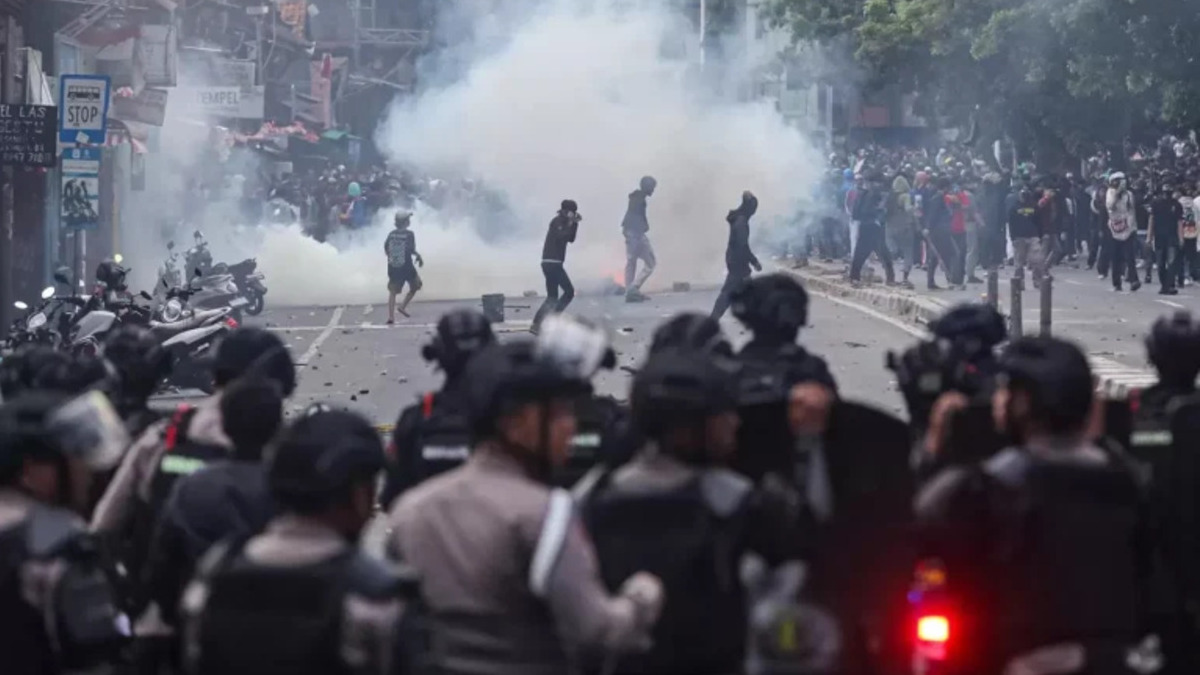
Rights group warns Indonesia against prosecuting nationals rescued from Cambodia scam centres
Amnesty International has criticised Indonesia’s financial watchdog chief for calling Indonesians found in Cambodian scam centres criminals, warning the remarks ignore human trafficking realities and risk violating international human rights obligations.
- Amnesty International condemned remarks by OJK chair Mahendra Siregar calling Indonesians in Cambodian scam centres criminals.
- The rights group warned the statements ignore human trafficking realities and breach international legal standards.
- Amnesty urged authorities to prioritise protection of victims and prosecution of trafficking syndicates.
Amnesty International has sharply criticised remarks by the head of Indonesia’s financial watchdog that described Indonesian nationals found in online scam centres in Cambodia as criminals who should be prosecuted, warning that such statements ignore the realities of human trafficking and risk violating international human rights standards.
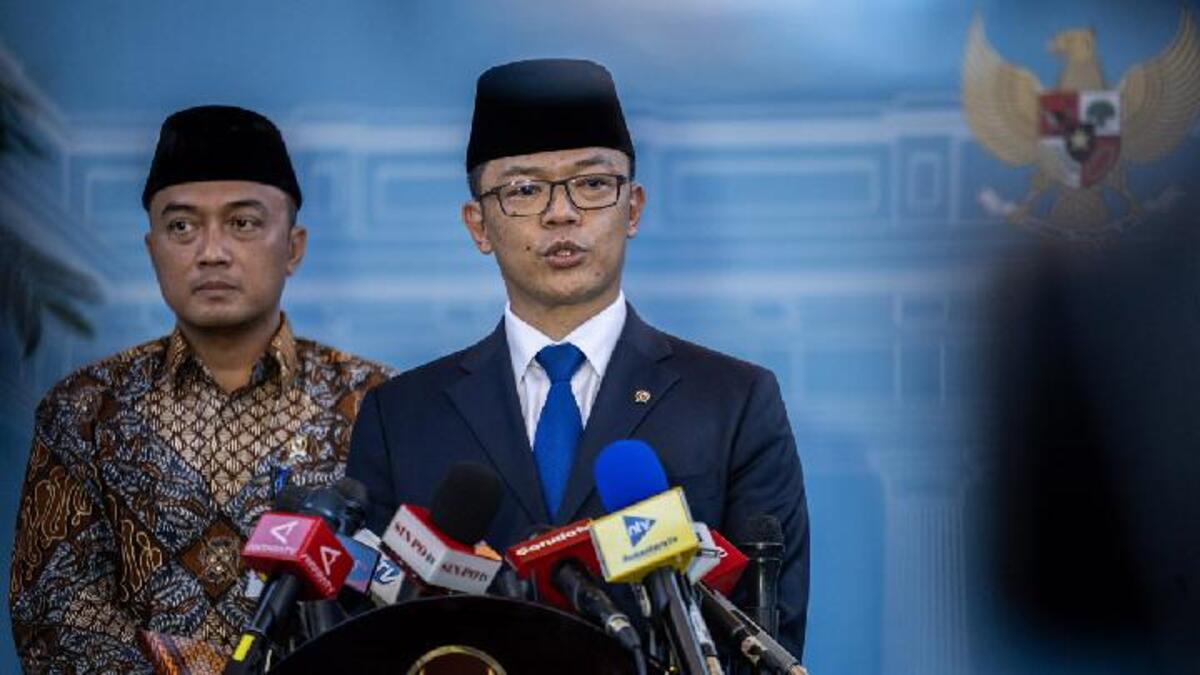
In a press release issued this week, Amnesty International Indonesia said comments by Mahendra Siregar, Chair of the Board of Commissioners of the Financial Services Authority (OJK), demonstrated a lack of sensitivity towards victims of modern-day slavery.
Responding on behalf of Amnesty International Indonesia, Executive Director Usman Hamid said it was “reckless” to claim that Indonesians trapped in online scam operations were not victims.
“Such statements risk discouraging the government from thoroughly investigating the root cause of the problem—namely human trafficking, a crime that constitutes a serious human rights violation,” Usman said.
Victims, not willing criminals
Amnesty stressed that international law is clear on the definition of trafficking in persons. Under the United Nations framework, consent becomes irrelevant once coercive methods such as threats, violence, fraud, abuse of power, or the exploitation of vulnerability are involved.
Drawing on its own investigations, Amnesty said many individuals working inside online scam compounds in Cambodia are forced to operate under threats of violence. Even those who initially understood the nature of the work could still be victims of serious human rights abuses, including forced labour, torture, enslavement, and other forms of inhuman treatment.
“Blanketly labelling thousands of Indonesian nationals who have fled online scam centres and sought state protection through Indonesian embassies as pure criminals is a dangerous generalisation,” Usman warned. “It risks violating fundamental human rights principles related to the protection of victims of human trafficking and slavery.”
International legal obligations
Amnesty’s statement noted that Mahendra’s remarks potentially contradict international standards, including the UN Office of the High Commissioner for Human Rights (OHCHR) Principles and Guidelines on Human Rights and Human Trafficking. One of these principles explicitly states that victims should not be prosecuted for unlawful acts they were compelled to commit as a direct consequence of being trafficked.
The organisation also cited Article 14 of the ASEAN Convention Against Trafficking in Persons, which enshrines the principle of non-criminalisation and obliges member states not to impose criminal or administrative penalties on trafficking victims for offences directly linked to their exploitation.
According to Amnesty, the state should instead prioritise dismantling the criminal syndicates behind the scam operations, while strengthening prevention and recovery mechanisms for victims—particularly Indonesian migrant workers who are frequently targeted by deceptive recruitment schemes.
Controversial remarks in parliament
The criticism followed comments made by Mahendra during a working meeting with Commission XI of Indonesia’s House of Representatives on 22 January 2026. Mahendra reportedly said Indonesians found in Cambodian scam centres were perpetrators, not victims, and should be processed through the courts.
“What they are doing there is taking part in scam activities targeting people in Indonesia. They should, of course, be processed,” he said, adding that other countries, such as China, had extradited their nationals involved in similar cases.
For Amnesty, such comparisons fail to account for the coercive conditions documented inside scam compounds. Its investigative report last year described forced labour systems characterised by manipulative recruitment, torture, and the buying and selling of people between criminal groups—conditions that meet the threshold of human trafficking and slavery.
A mounting humanitarian challenge
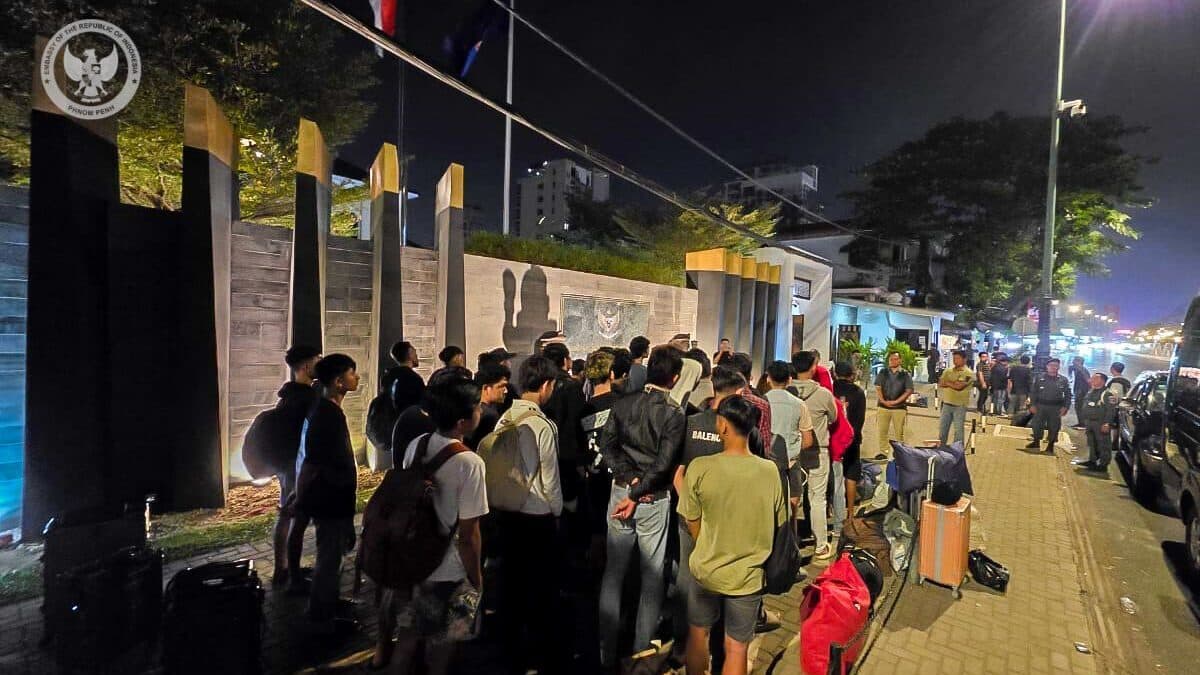
The debate comes amid a sharp rise in Indonesians seeking help after escaping scam operations in Cambodia. Indonesia’s embassy in Phnom Penh reported receiving 1,440 Indonesians between 16 and 20 January 2026 alone, with a single-day peak of 520 arrivals. By comparison, the embassy handled just over 5,000 such cases throughout the whole of 2025.
Indonesian police have also acknowledged the scale of the problem. The Criminal Investigation Agency recorded at least 699 Indonesians as victims of human trafficking linked to online scam operations in Cambodia during 2025.
Victims are typically lured by promises of salaries ranging from roughly US$890 to US$1,180 per month—far above average earnings at home—only to find themselves trapped, abused, and coerced into cyber fraud.
Amnesty’s call to the state
Amnesty International concluded that punishing victims represents a failure of the state to protect its citizens. It urged Indonesian authorities—including the OJK and law enforcement agencies—to pursue the ringleaders of transnational trafficking syndicates rather than criminalising those who acted under duress.
“The state must show sensitivity and uphold its human rights obligations,” Usman said. “Ensuring that victims can return home safely, with dignity, and without fear of prosecution, is not only a moral duty—it is a legal one.”