NGOs condemn Laras verdict as ‘imprisonment without bars’, warn of chilling effect on free expression
Human rights groups have condemned the conviction of Laras Faizati Khairunnisa, warning that the ruling deepens the criminalisation of dissent following Indonesia’s 2025 protest wave.
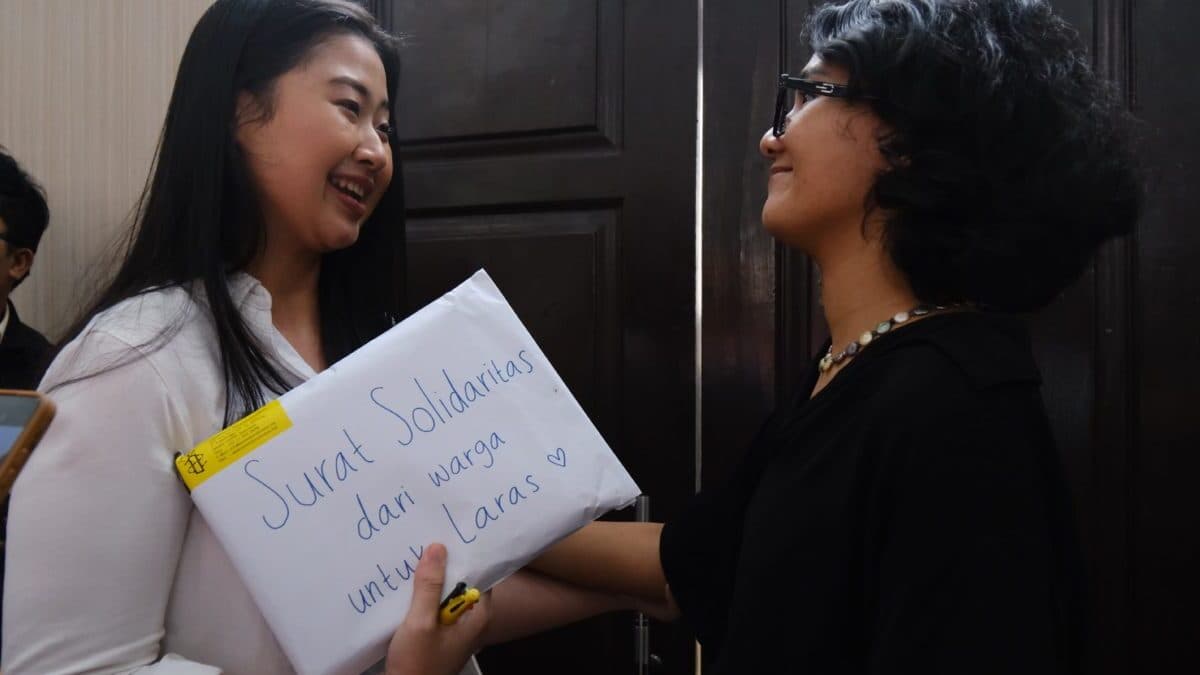
- Human rights organisations say Laras Faizati Khairunnisa’s conviction reflects a broader criminalisation of dissent after the August 2025 protests.
- Amnesty International Indonesia called the suspended sentence “imprisonment without bars”, warning of a chilling effect on digital expression.
- KontraS linked the case to mass arrests after the protests and criticised unequal accountability for police violence.
The conviction of Laras Faizati Khairunnisa by the South Jakarta District Court has drawn sharp criticism from Indonesian and international human rights organisations, which say the ruling reflects a broader pattern of criminalisation of dissent following the August 2025 protests.
Laras was sentenced on 15 January to six months’ imprisonment, suspended for one year, after being found guilty of incitement under Article 161 paragraph (1) of the Criminal Code. She was released immediately from detention but remains under court supervision for a year.
While the sentence spared her from jail, rights groups argue that the guilty verdict itself carries serious implications for freedom of expression — particularly in digital spaces.
Background: protests, police violence, and online expression
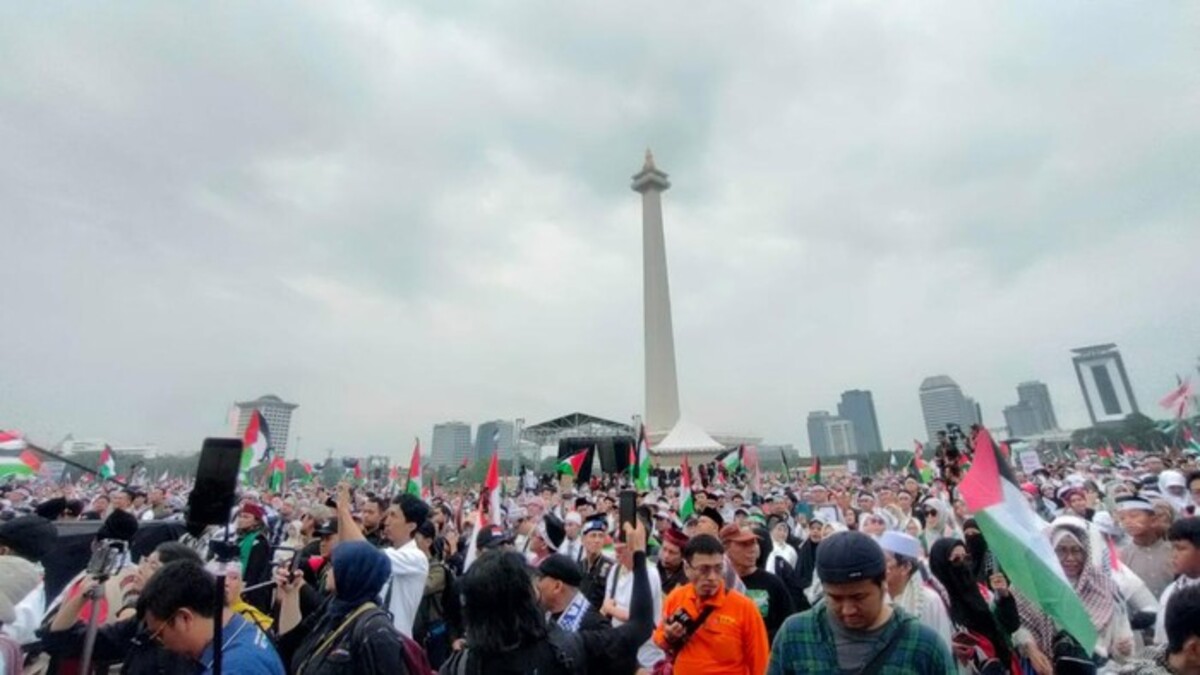
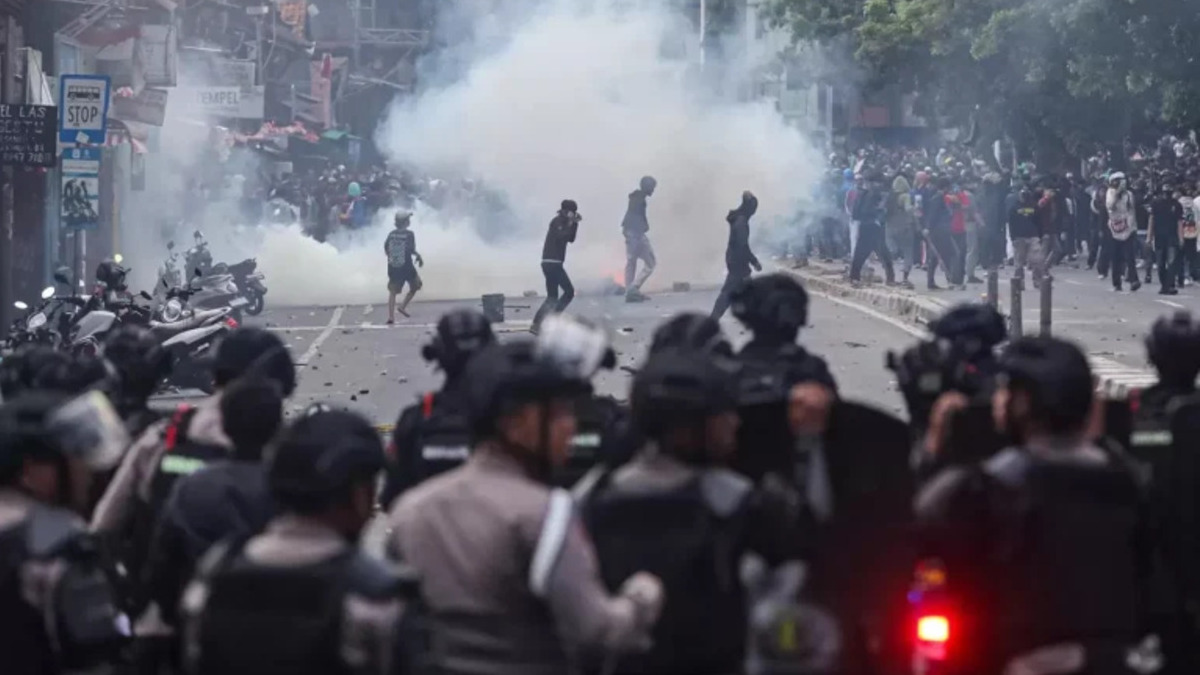
The case against Laras arose from mass demonstrations in Jakarta in late August and early September 2025, when thousands protested outside the House of Representatives (DPR) building against lawmakers’ salaries, benefits, and perceived political elitism amid economic strain.
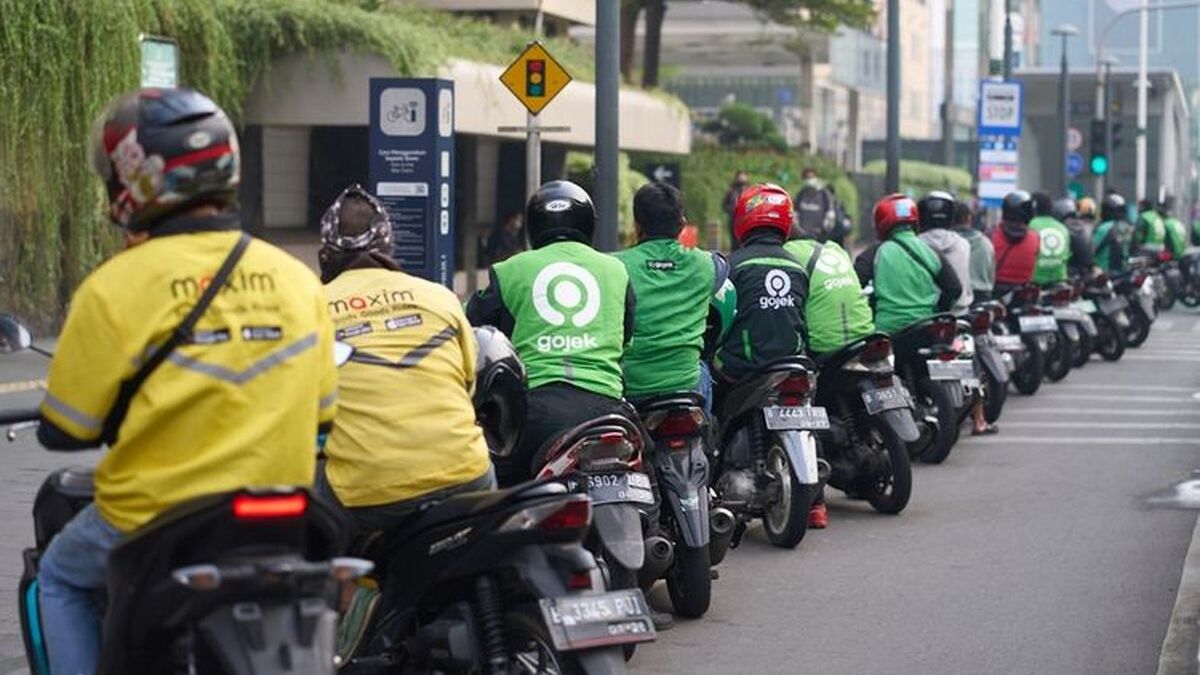
Public anger intensified on 28 August 2025 after an online motorcycle taxi driver, Affan Kurniawan, was killed when a police tactical vehicle ran over him during crowd-control operations. Videos of the incident spread rapidly on social media, sparking nationwide outrage and calls for accountability.
In this context, Laras — then a communications officer at the ASEAN Inter-Parliamentary Assembly (AIPA) — uploaded four Instagram Stories on 29 August 2025. The posts included reposted footage of the incident, images of Affan, and captions condemning police conduct.
One post showed Laras pointing towards the National Police Headquarters building, accompanied by a caption calling for it to be burned down.
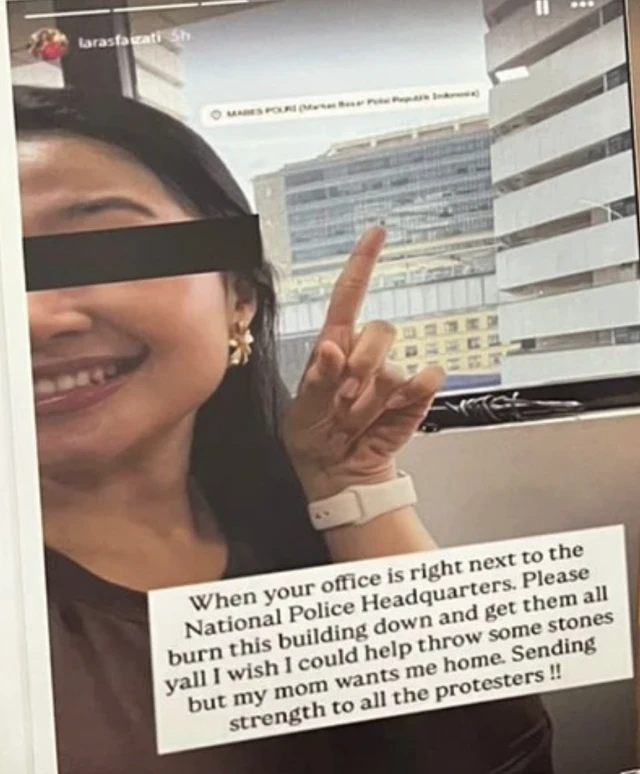
Although the Stories were viewed by only dozens of people, they were reported to police the same day. On 1 September 2025, Laras was arrested by officers from the cybercrime unit of the Indonesian National Police (Polri). Her lawyers later said she was named a suspect within hours of the report being filed, without first being summoned for clarification.
According to the Youth Movement Against Criminalisation (GMLK), at least 652 people were arrested, detained, or charged in connection with the August–September protest wave. Rights groups say many of those targeted were not protest organisers but ordinary citizens who expressed criticism online.
During her detention, Laras lost her job and described harsh conditions, including overcrowded cells, limited access to healthcare, expired medication, and verbal abuse by investigators. These accounts were raised during her trial and became part of the wider public debate surrounding her case.
Amnesty: ‘guilty verdict equals imprisonment without bars’
In a press release issued on 15 January, Amnesty International Indonesia said the court’s decision, despite allowing Laras to go home, amounted to “imprisonment without bars”.
“Although Laras can breathe free air today, her guilty verdict amounts to imprisonment without bars,” said Amnesty Indonesia’s executive director, Usman Hamid. “This is a heavy blow to freedom of expression and peaceful protest in Indonesia.”
Amnesty argued that the panel of judges missed a key opportunity to correct flawed legal processes at the investigation and prosecution stages, which relied on vague and overly broad provisions of the Criminal Code and the Electronic Information and Transactions (ITE) Law.
From a human rights perspective, the organisation said Laras’s posts constituted political expression and emotional response to state violence, protected under Indonesia’s Constitution and the International Covenant on Civil and Political Rights (ICCPR).
The organisation warned that the conviction risks creating a chilling effect. “It sends the message that disappointment, anger, and criticism of state violence are wrongful and criminal, and that anyone who expresses them may face a long and exhausting legal process,” Amnesty said.
Amnesty also criticised the one-year supervision period, arguing that Laras remains under constant threat of imprisonment and continues to carry the stigma of a criminal conviction for expressing her views.
KontraS: part of a wider post-protest crackdown
The KontraS — the Commission for the Disappeared and Victims of Violence — echoed Amnesty’s concerns and framed Laras’s case as part of a wider pattern of repression following the August 2025 demonstrations.
In a joint international statement coordinated by KontraS and signed by dozens of civil society organisations worldwide, the groups said Laras’s prosecution reflected the state’s response to public outrage over police violence: silencing critics rather than addressing accountability failures.
“The public resentment did not begin with a single Instagram Story,” the statement said. “It began with the authorities’ failure to handle the demonstrations professionally and with accountability.”
KontraS highlighted that more than 600 people — many of them young, digitally active citizens — were swept into criminal proceedings after the protests. Laras’s case, it said, demonstrated how even ordinary social media users with limited reach could be treated as security threats.
The organisation also underscored the gendered impact of the prosecution. As a young woman and family breadwinner, Laras faced legal, economic, and social consequences that extended beyond the courtroom. KontraS warned that criminalising women for online expression sends a powerful deterrent message to others who might wish to speak out.
Concerns over detention and unequal accountability
Both Amnesty and KontraS expressed alarm over Laras’s testimony regarding her treatment in detention, including overcrowding, lack of adequate medical care, and verbal abuse by investigators. They welcomed the court’s instruction for police to investigate allegations of doxxing and threats against her, but urged that such investigations be conducted independently and transparently.
The groups also criticised what they described as unequal accountability. While police officers involved in Affan Kurniawan’s death received internal disciplinary sanctions, none have faced criminal prosecution.
“Convicting a citizen for expressing criticism, while those responsible for lethal violence remain free, undermines the credibility of the justice system,” Amnesty said.
A broader test for democracy
Human rights organisations say Laras’s case highlights the growing risks faced by Indonesians who express dissent online. Criminalising digital expression, they argue, weakens accountability and chills civic participation at a time of heightened political tension.
As Indonesia seeks to project itself internationally as a defender of human rights, Amnesty and KontraS said the handling of cases like Laras’s will remain a key measure of whether the justice system protects civil liberties — or contributes to their erosion.