BBC seeks dismissal of Trump’s US$10 billion lawsuit over edited speech in Panorama documentary
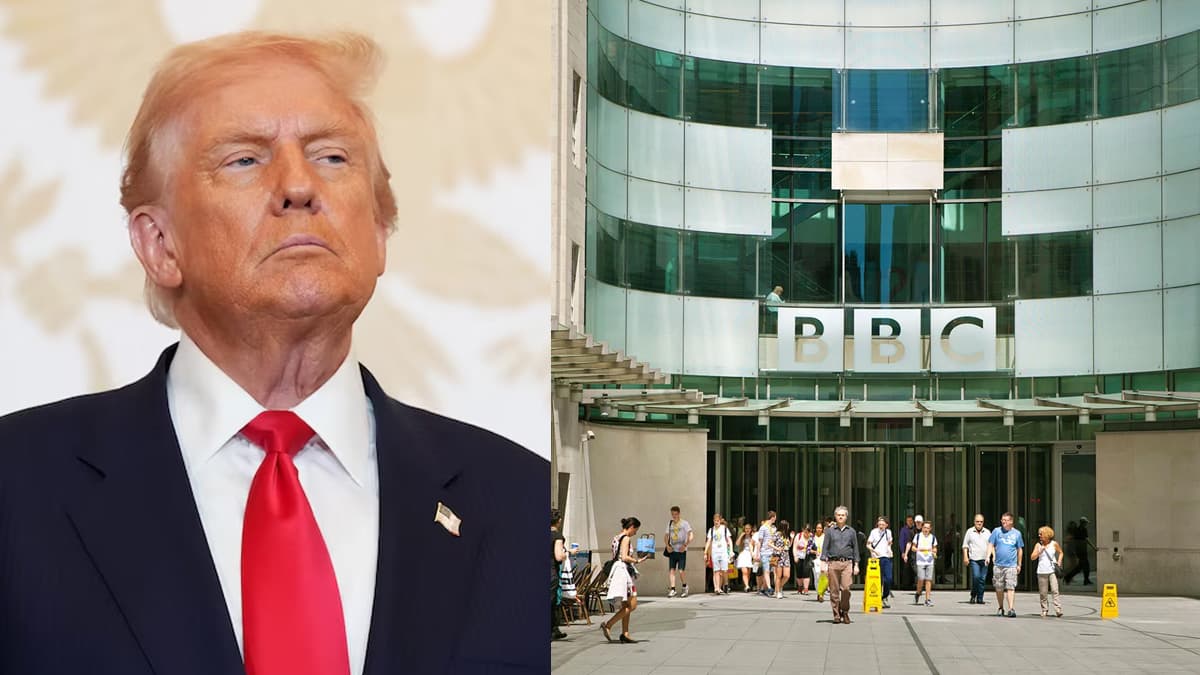
The BBC has filed a motion to dismiss Donald Trump's US$10 billion lawsuit over an edited speech in a Panorama documentary, arguing the Florida court lacks jurisdiction and that the former US president has failed to establish a defamation claim.
- BBC is seeking dismissal of Donald Trump’s lawsuit over an edited clip in a Panorama documentary.
- The broadcaster argues the Florida court lacks jurisdiction and the claim lacks legal merit.
- The case follows Trump’s accusations that the BBC misrepresented his 6 January 2021 speech.
The BBC has filed a legal motion to dismiss a US$10 billion lawsuit brought by former United States President Donald Trump, arguing that the Florida court in which it was filed lacks jurisdiction and that the defamation and trade practice claims are legally unfounded.
The lawsuit, filed in a Miami federal court in December 2025, alleges the BBC defamed Trump and violated the Florida Deceptive and Unfair Trade Practices Act. The claims stem from an edited clip of Trump’s 6 January 2021 speech shown in a Panorama documentary, which Trump contends falsely portrayed him as inciting the Capitol riot.
In court papers filed on 12 January 2026, the BBC asserted that the Florida court has no “personal jurisdiction” over the UK-based broadcaster. It further argued that the court is an “improper venue” for the dispute and that Trump has “failed to state a claim” that would constitute defamation or breach of law.
The broadcaster will also argue that the Panorama programme was not broadcast in the United States and did not defame Trump. It rejects claims that the documentary caused him actual harm, pointing to his re-election and strong electoral performance in Florida after the broadcast.
The BBC said Trump’s assertion that the programme aired on BritBox in the US is inaccurate. It also denied any plausible allegation of “actual malice”, a key standard in US defamation law for public figures.
The disputed edit involved stitching together remarks made by Trump at different points in his 6 January 2021 speech. The final clip shown in the documentary condensed his comments into a sequence that appeared more confrontational than the original timeline.
In the documentary, Trump is shown saying: “We’re going to walk down to the Capitol... and I’ll be there with you. And we fight. We fight like hell.” However, the final part of this phrase was delivered more than 50 minutes after the initial statement during the actual speech.
The BBC has acknowledged that the edit may have given the “mistaken impression” that Trump directly incited violence but denied it rose to the level of defamation. It previously apologised for the editing error but rejected Trump's demand for compensation.
An internal BBC memo leaked in November 2025 described the editing as a lapse in journalistic standards. The backlash resulted in the resignations of Director-General Tim Davie and Head of News Deborah Turness.
In the latest filing, the BBC also requested a stay on discovery, the legal process where parties exchange evidence before trial, pending a ruling on the motion to dismiss. If the case moves forward, a proposed trial date has been set for 2027.
The legal battle emerges amid broader scrutiny of the BBC’s governance and editorial standards. On the same day the lawsuit was made public, the UK government launched a public consultation as part of the BBC’s Royal Charter review.
This consultation, scheduled ahead of the charter's renewal in 2027, will evaluate public trust in the BBC’s commitment to impartiality and accuracy, and may influence future funding arrangements, including the licence fee model.
Minister of State for Care Stephen Kinnock commented on the legal proceedings during an interview with Sky News in December last year.
While affirming government support for the BBC, he said: “The government is a massive supporter of the BBC,” and added that the broadcaster had been “very clear” in refuting the basis for Trump’s claim.
Trump’s legal team has alleged that the BBC’s edit was part of a “brazen attempt to interfere in the 2024 Presidential Election” and claims a pattern of bias in the BBC’s coverage of the former president. Trump had previously accused the broadcaster of manipulating footage using “AI or something,” although the BBC has denied any use of artificial intelligence in the segment.
Legal experts suggest the BBC is likely to rely on defences grounded in both UK and US media law, particularly the standards protecting editorial judgment and freedom of expression. Given that Trump is a public figure, US law requires him to prove the broadcaster acted with actual malice—knowingly publishing false information or doing so with reckless disregard for the truth.
The lawsuit is one of several Trump has filed against media outlets in recent years, though many have been dismissed or settled out of court. If this case proceeds to trial, it could have significant implications for international media operating in the US, especially in politically sensitive coverage.
A BBC spokesperson said on Monday: “As we have made clear previously, we will be defending this case. We are not going to make further comment on ongoing legal proceedings.”