Delcy Rodriguez sworn in as Venezuela’s acting president after US operation removes Maduro
Delcy Rodriguez has been formally sworn in as Venezuela’s acting president following the abduction of Nicolas Maduro by US forces. Her appointment has prompted criticism and uncertainty amid US claims of control and international concerns over sovereignty.
- Delcy Rodriguez sworn in as acting president after US forces abducted Nicolas Maduro.
- Rodriguez denounced the operation as a breach of sovereignty; the US claims it now controls Venezuela’s transition.
- Maduro faces narco-terrorism charges in US court, while opposition questions legitimacy of past elections.
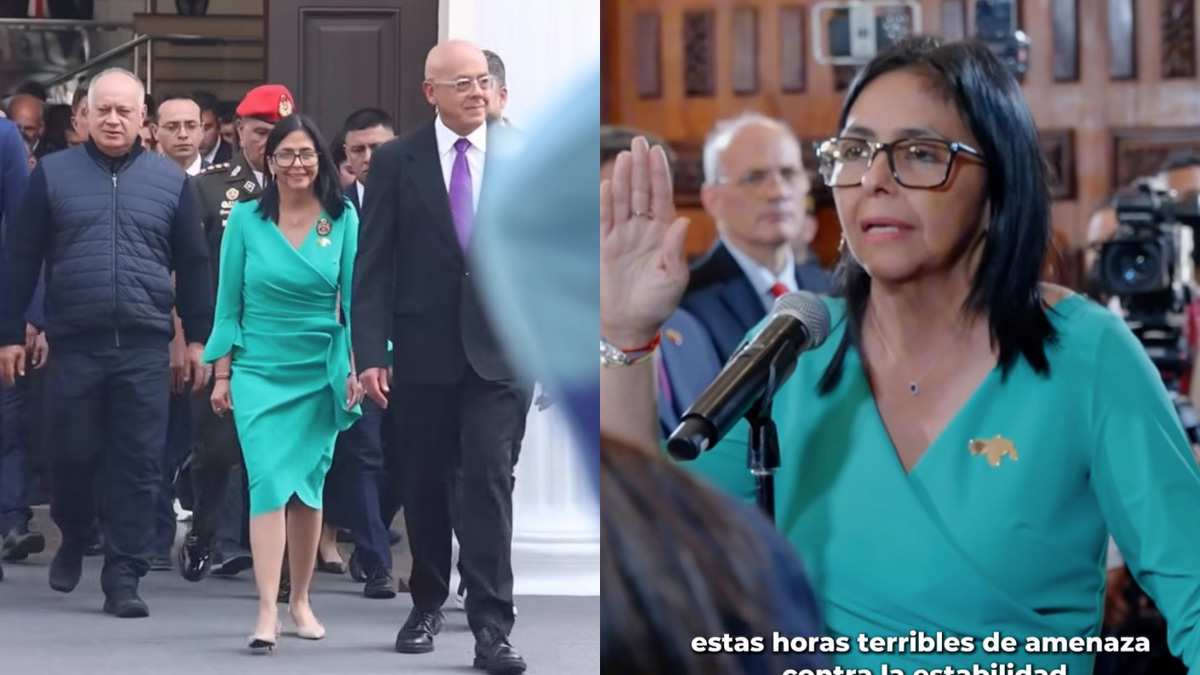
Delcy Rodriguez, formerly vice president of Venezuela, has been sworn in as acting president following the dramatic abduction of Nicolas Maduro during a United States military operation over the weekend.
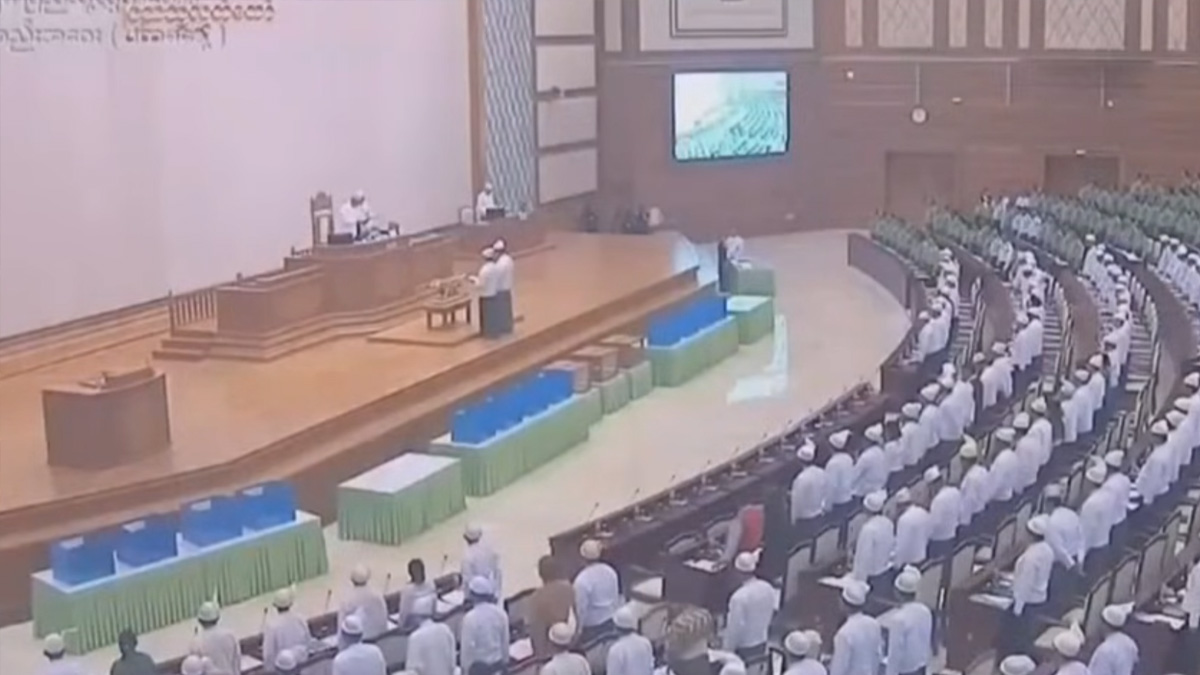
The swearing-in took place on 6 January 2026 before the National Assembly, which is largely composed of government loyalists. Rodriguez, 56, pledged to ensure peace and stability while denouncing the “kidnapping” of Maduro and his wife, Cilia Flores.
“I swear to work tirelessly to guarantee the peace, spiritual, economic and social tranquillity of our people,” she said during the ceremony.
Rodriguez, a trained labour lawyer, had been acting president since the early hours of Saturday, 4 January, when explosions were reported across Caracas and nearby military facilities. The blasts preceded the operation that saw US forces detain Maduro and Flores.
Her oath of office was overseen by her brother, Jorge Rodriguez, the president of the National Assembly.
Also present were key figures from the Maduro administration, including Interior Minister Diosdado Cabello and Defence Minister Vladimir Padrino. Maduro’s son, Nicolas Maduro Guerra, held a copy of the Venezuelan Constitution during the proceedings.
The ceremony coincided with Maduro’s initial court appearance in New York City. There, he pleaded not guilty to four federal charges, including narco-terrorism conspiracy, cocaine importation conspiracy, illegal possession of military-grade weapons, and conspiracy to possess such weapons.
According to the US Department of Justice, the charges stem from allegations that Maduro used state resources to facilitate the trafficking of cocaine into North America.
Despite his detention, Maduro claimed in court that he remains the rightful president of Venezuela. His allies have condemned the US operation as a breach of international law and Venezuelan sovereignty.
Rodriguez reaffirmed this stance, stating that both Maduro and Flores were “heroes” unjustly held hostage by foreign forces.
The US administration, led by President Donald Trump, has stated it will work with Rodriguez temporarily. In interviews and public remarks, Trump has described her as cooperative but warned that her presidency could be short-lived if she fails to comply with Washington’s expectations.
“If she doesn’t do what’s right, she is going to pay a very big price, probably bigger than Maduro,” Trump said in an interview with The Atlantic on 5 January.
Speaking aboard Air Force One, Trump added, “We’re in charge… We’re going to run it, fix it. We’ll have elections at the right time.”
The administration has not set a timeline for elections in Venezuela, instead signalling a focus on stabilising the country and increasing access to its oil reserves for US companies. Trump dismissed questions about the timing of a transition, saying the country needed to be “fixed” before any democratic process could proceed.
Rodriguez, a prominent “chavista” and loyalist of the late Hugo Chavez, has held multiple roles under Maduro’s leadership. She served as foreign minister before becoming vice president in 2018 and has remained a central figure in the ruling coalition.
Although the US does not officially recognise Rodriguez as the legitimate head of state, some US officials view her role as a practical necessity.
Republican Senator Tom Cotton told CNN, “We don’t recognise Delcy Rodriguez as the legitimate ruler of Venezuela… but we have to deal with the fact that she and others control the military and security services.”
Maduro’s presidency has long been contested. His 2018 re-election was widely condemned as fraudulent, prompting the US and other governments to briefly recognise opposition leader Juan Guaidó as interim president. More recently, the 2024 presidential elections further fuelled controversy.
Though Maduro declared victory, the official vote count was never published. The opposition claimed Edmundo Gonzalez won and released documents supporting that assertion. Protests followed, and Human Rights Watch reported over 2,000 arrests and at least 25 deaths linked to extrajudicial killings.
Opposition parties have largely boycotted recent legislative elections, claiming the process is stacked in favour of the ruling “chavistas”. The current National Assembly, seated in May 2025, consists mainly of pro-government members.
The unfolding situation has raised serious international questions about sovereignty, legitimacy, and foreign intervention. Critics argue that the US operation, coupled with its apparent control over Venezuela’s political direction, may deepen existing divisions within the country and further destabilise the region.
As Rodriguez assumes power under unprecedented circumstances, the coming weeks are likely to determine whether Venezuela moves toward a US-managed transition or faces further internal turmoil.