
Takaichi secures supermajority as LDP coalition sweeps Japan’s snap election
Prime Minister Sanae Takaichi has secured a decisive supermajority in Japan’s lower house election, according to official counts, strengthening her mandate on defence, fiscal policy and constitutional reform while reinforcing her standing at home and abroad.
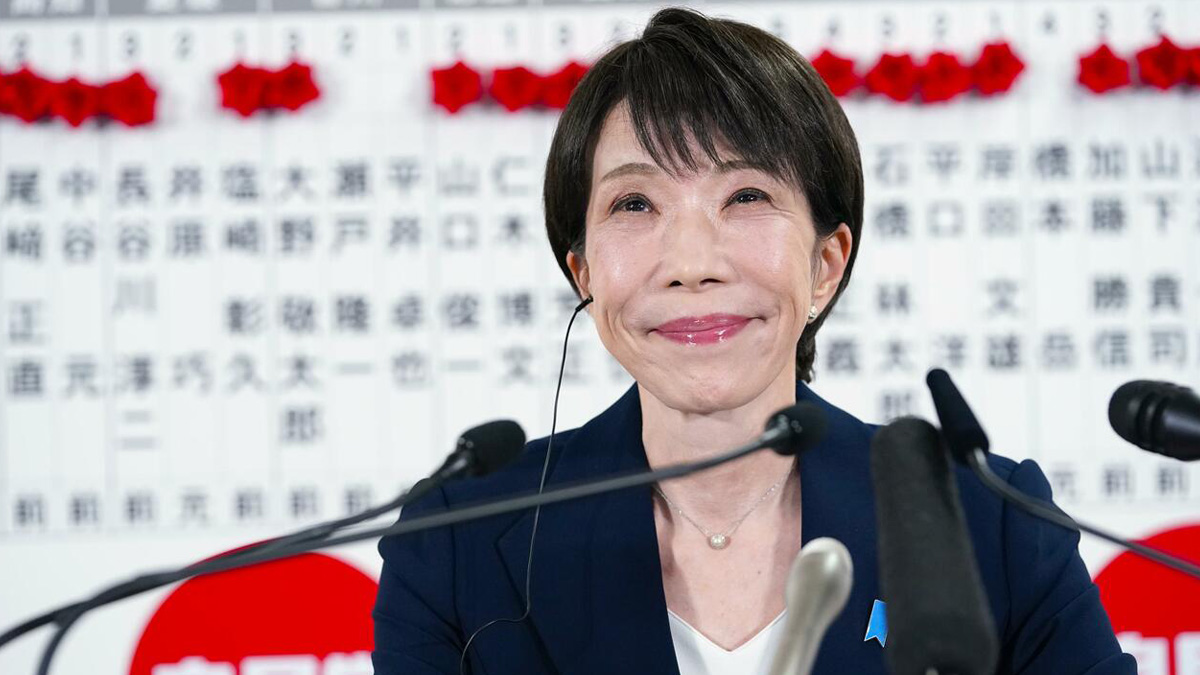
- Prime Minister Sanae Takaichi’s LDP-led coalition has surpassed the 310-seat supermajority threshold in the lower house.
- The result allows the government to override the upper house, where it lacks a majority.
- Takaichi’s personal popularity, strong youth backing and assertive foreign policy stance were central to the landslide win.
Japan’s ruling Liberal Democratic Party, led by Prime Minister Sanae Takaichi, has secured a commanding supermajority in the House of Representatives following Sunday’s snap election.
According to the official count reported by NHK, the LDP-led coalition exceeded the 310-seat threshold in the 465-member chamber, granting it the power to override the upper house, where it does not hold a majority.
The result marks a major consolidation of authority for Takaichi, who took office in October after winning the LDP leadership contest and called the election to seek a direct public mandate.
Coalition dominance confirmed by exit polls
An NHK exit poll conducted as voting ended on Sunday projected the LDP would secure between 274 and 326 seats.
Together with its coalition partner, the Japan Innovation Party, also known as Ishin, the ruling bloc was projected to win between 302 and 366 seats, reflecting a decisive endorsement from voters despite freezing temperatures during a rare winter election.
The scale of the victory was visibly displayed at LDP headquarters, where a traditional board behind Takaichi filled with red paper flowers marked each successful candidate.
Takaichi signals continuity in government
Speaking from party headquarters as results were confirmed, Takaichi said the coalition with Ishin would continue and ruled out a major Cabinet reshuffle.
She emphasised fiscal sustainability as a guiding principle for her administration, even as her government pursues aggressive policy goals in defence and economic management.
Takaichi had previously pledged to resign if the ruling bloc failed to secure a majority. Instead, the election delivered one of the strongest mandates for an LDP leader in recent decades.
Sanseito gains but falls short of ambitions
The far-right Sanseito, which campaigns on a “Japanese First” platform, was projected by the NHK exit poll to win up to 14 seats.
While this would represent a fourfold increase in its parliamentary presence, it falls short of the party’s stated goal of securing 30 seats.
The results nonetheless underline growing space in Japanese politics for populist and nationalist messaging alongside the dominance of the ruling bloc.
International reactions highlight regional tensions
Congratulatory messages arrived swiftly from overseas. Taiwan’s President Lai Ching-te was among the first foreign leaders to respond, saying he looked forward to promoting peace and prosperity in the Indo-Pacific.
“May your victory bring a more prosperous and secure future for Japan and its partners in the region,” Lai wrote on X.
Takaichi has taken a notably firm stance on Taiwan, triggering diplomatic friction with China in November after suggesting that a Chinese attack on the island could prompt a Japanese military response.
Relations with China remain strained
Beijing reacted sharply to Takaichi’s remarks on Taiwan, an issue it regards as a core national interest.
China responded by reimposing a ban on Japanese seafood imports, tightening restrictions on rare earth mineral exports and issuing warnings to Chinese nationals about travel to Japan.
While nationalists praised Takaichi’s forthright approach, critics argued that her comments risked damaging ties with one of Japan’s largest trading partners.
Strong ties with Trump draw attention
Takaichi appears to enjoy unusually warm relations with U.S. President Donald Trump, who endorsed her in a Truth Social post during the campaign.
Trump described her as “a strong, powerful, and wise” leader and said they would meet at the White House on 19 March.
The endorsement was notable, as U.S. presidents rarely back candidates in foreign elections, although Trump has made similar interventions in the past.
George Edward Glass, the U.S. ambassador to Japan, also congratulated Takaichi on what he called an “impressive win” and said he looked forward to deepening bilateral ties.
Snap election gamble pays off
Takaichi’s decision to call a snap election caught her party, the opposition and much of the electorate off guard.
The move was criticised as politically risky and disruptive, particularly as it delays deliberations on the fiscal 2026 budget.
However, the gamble appears to have paid off, fuelled by her personal appeal and unexpected enthusiasm among younger voters, a phenomenon dubbed “Sanamania” by domestic media.